
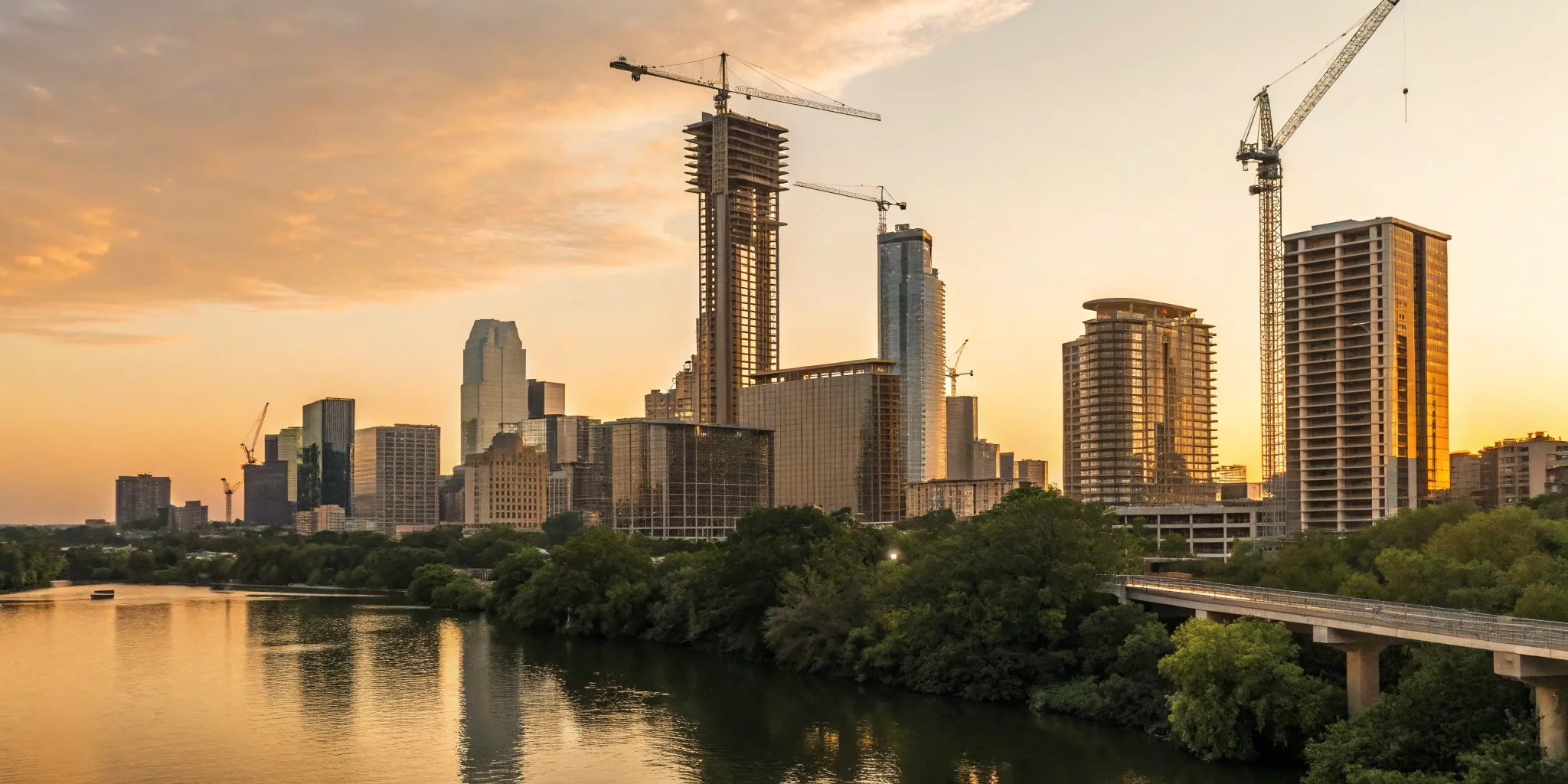

In a market moving as fast as Austin's, waiting for an RFP to land on your desk means you’re already behind. The firms that consistently win the best work are the ones who get into the conversation early, long before a project goes to public bid. They track the subtle signals—a land sale, a zoning change, a preliminary permit—that indicate a major development is on the horizon. This guide is your playbook for shifting from a reactive to a proactive business development strategy. We'll break down the major Austin construction projects and show you how to spot the next wave of opportunities before your competitors do.
Key Takeaways
- Find opportunities before they become public: Success in Austin requires a proactive approach. Use a mix of city permit data, industry networking, and AI-powered tools to identify projects in their earliest stages, giving you time to build key relationships.
- Plan for Austin-specific construction hurdles: The city's boom presents unique challenges like complex regulations, labor shortages, and traffic congestion. Build these factors into your project bids and timelines to stay profitable and on schedule.
- Align your business with industry trends: Austin's construction scene prioritizes technology, sustainability, and workforce development. Highlighting your expertise in smart building, green methods, and skilled labor will give you a competitive edge.
What Are Austin's Biggest Construction Projects?
If you’ve spent any time in Austin, you know the skyline is in a constant state of change. Cranes are practically the city bird. While countless projects are breaking ground, a few massive developments are set to completely reshape the city's infrastructure and public spaces. These high-profile projects aren't just changing the view; they're creating a wave of opportunities for general contractors, subcontractors, and suppliers who are ready to be part of Austin's next chapter. Keeping an eye on these key developments is the first step to getting involved.
Austin Convention Center Expansion
The Austin Convention Center is getting a major $1.6 billion upgrade, a project that will redefine its role in the city. Scheduled for completion by Spring 2029, this expansion is all about increasing capacity and modernizing the facility to attract larger, more prestigious events. For construction professionals, this isn't just one job; it's a long-term series of opportunities. From demolition and structural work to intricate interior finishing and tech integration, this project will require a wide range of skilled trades and material suppliers over the next several years. You can follow this and other major downtown builds on the Downtown Austin Alliance's list of emerging projects.
Project Connect Light Rail System
Anyone who has navigated Austin traffic knows that Project Connect is a game-changer. This initiative is introducing a brand-new light rail system designed to ease congestion and provide reliable, sustainable transportation across the city. With multiple stops planned for the downtown core, this project involves extensive civil engineering, station construction, and infrastructure development. It’s a massive undertaking that will connect communities and create a ripple effect of smaller development projects around the new transit hubs, offering a steady stream of work for firms specializing in everything from concrete to electrical systems.
I-35 Capital Express Central
The infamous I-35 corridor is finally getting the overhaul it desperately needs. The I-35 Capital Express Central project is a massive effort to improve safety and traffic flow along a critical 28-mile stretch of the highway running through Austin. This isn't just a repaving job; it involves redesigning interchanges, adding lanes, and improving overall infrastructure to handle the city's growth. Such a large-scale public works project opens up significant opportunities for contractors in heavy civil construction, materials supply, and logistics management. Tracking permit data around this corridor can also reveal related private projects popping up to capitalize on the improved access.
Austin-Bergstrom International Airport Improvements
As Austin continues to attract new residents and visitors, Austin-Bergstrom International Airport is expanding to meet the demand. The airport is in the middle of a multi-year improvement plan focused on expanding its facilities and creating a better travel experience. These upgrades include new gates, improved roadways, and enhanced amenities, all necessary to maintain the airport's status as a vital transportation hub. This ongoing development provides consistent opportunities for contractors with experience in large-scale commercial construction, aviation-specific systems, and secure infrastructure.
Congress Avenue Urban Design Initiative
Congress Avenue, one of Austin's most iconic streets, is getting a major facelift. The Urban Design Initiative is now moving into the construction phase, with a focus on revitalizing the avenue to create a more vibrant and pedestrian-friendly environment. The project aims to improve the streetscape, support local businesses, and make the area more accessible and enjoyable for everyone. This initiative will require a blend of skills, from landscape architecture and civil engineering to custom fabrication and lighting installation, making it a high-profile opportunity for firms looking to leave their mark on a historic part of the city.
What Kinds of Projects Are Reshaping Austin?
Austin's growth isn't just a headline; it's a tangible force you can see in the cranes dotting the skyline and the construction crews on nearly every corner. The city is undergoing a massive transformation, driven by a diverse range of projects. From sprawling infrastructure upgrades designed to handle the influx of new residents to towering mixed-use developments that redefine neighborhoods, the opportunities for general contractors, subcontractors, and suppliers are immense. Understanding the key project types is the first step to positioning your business for success in this dynamic market.
Upgrading Infrastructure and Transportation
With more people comes more traffic, and Austin is tackling this head-on with major infrastructure investments. The city's rapid expansion has put a significant strain on its transportation networks, creating an urgent need for upgrades. We're seeing large-scale projects aimed at improving mobility, including highway expansions like the I-35 Capital Express, the development of the Project Connect light rail system, and significant improvements at the Austin-Bergstrom International Airport. These projects are essential for the city's future and represent long-term opportunities for firms specializing in civil engineering, earthwork, and transportation construction.
Building New Residential and Mixed-Use Spaces
To accommodate its booming population, Austin is building upward. The city has seen a dramatic increase in high-rise construction, particularly in and around the downtown core. These projects are often ambitious mixed-use developments, combining luxury condos and apartments with ground-floor retail and office space. This vertical growth is reshaping historic neighborhoods and creating denser, more walkable urban environments. For contractors, these projects demand expertise in everything from deep foundation work and structural steel to high-end interior finishes and complex MEP systems.
Developing Commercial and Public Facilities
As a major tech hub, Austin's commercial construction landscape is constantly evolving. The demand for modern office buildings to house both startups and established tech giants remains strong. Beyond offices, the city is also seeing a steady stream of new retail centers, hotels, and entertainment venues designed to serve its growing population and vibrant tourism industry. Public facilities, including new schools and community centers, are also part of the mix, ensuring that the city's social infrastructure keeps pace with its growth.
Expanding Healthcare and Community Services
A growing population requires more robust healthcare and community services. As a result, Austin is experiencing a surge in the construction of hospitals, specialized clinics, and medical office buildings. These projects are critical for meeting the needs of new and existing residents. Alongside this expansion, there's a strong city-wide push for sustainable building. Austin is a leader in green construction, and new projects are increasingly expected to meet high standards for energy efficiency and environmental design, creating a demand for contractors with expertise in sustainable construction practices.
How Is Construction Fueling Austin's Economy?
It’s impossible to miss the cranes dotting Austin’s skyline, but the impact of this construction boom goes far beyond the new buildings. The industry is a powerful engine for the city's economy, creating a positive ripple effect that touches nearly every resident. The sheer scale of development means more than just new places to live and work; it translates directly into financial vitality and opportunity across the board.
The construction sector is a significant driver of job creation, providing thousands of positions across various skill levels. As major projects break ground, the demand for skilled labor continues to rise, contributing to a robust employment landscape. Beyond direct employment, the influx of investment in commercial and residential projects has led to a substantial increase in the local GDP, making Austin one of the fastest-growing economies in the U.S. This growth isn't just for the big players, either. The constant demand for materials, specialized labor, and support services creates a wealth of opportunities for local businesses, including subcontractors and suppliers, to thrive. As the city continues to expand, the construction sector remains a cornerstone of its financial health, shaping not just the physical landscape but the economic future for everyone who calls Austin home.
Creating Jobs and Employment
Austin's construction boom is a major source of employment for the region. Every new project, from high-rises to infrastructure upgrades, requires a dedicated team of skilled professionals. This creates thousands of jobs for electricians, plumbers, project managers, and general laborers, offering stable career paths for many Austinites. The constant stream of new developments ensures a steady demand for this workforce, strengthening the local job market. As the city grows, so do the opportunities for individuals to build a career in an industry that is quite literally building Austin's future.
Driving Economic Growth and Investment
The construction industry is a cornerstone of Austin's economic vitality. It’s not just about the value of the buildings themselves; it’s about the massive investment that flows into the city to make these projects happen. This influx of capital stimulates the entire local economy, from real estate to retail. The surge in construction activity directly contributes to the city’s Gross Domestic Product (GDP), fueling the growth that keeps Austin on the map as a top place to do business. This economic momentum attracts even more investment, creating a cycle of prosperity that benefits the entire community.
Opening Doors for Suppliers and Subcontractors
For every major project that breaks ground, there's a long list of suppliers and subcontractors needed to bring it to life. This creates a powerful ripple effect, generating significant business for local companies. General contractors rely on a network of specialized partners for everything from concrete and steel to electrical systems and interior finishes. This constant demand provides a steady stream of work and allows smaller businesses to grow alongside the city. For subcontractors and suppliers who can identify these opportunities early, the potential for collaboration and growth is immense, as shown by the success of many local construction firms.
When Will These Major Austin Projects Be Completed?
Austin's skyline is a testament to its constant evolution, but major construction projects don't happen overnight. Understanding their timelines is key to positioning your business for success. Some developments are in their final stages, offering immediate opportunities for finishing trades, while others are just breaking ground, requiring a long-term strategy to get your services or materials specified.
Keeping track of these varied timelines helps you plan your bids, allocate resources, and build relationships at the right moment. Whether a project is a sprint to the finish line or a decade-long marathon, knowing its trajectory allows you to align your business development efforts effectively. The key is to look beyond the current phase and see where the project is headed, so you can be ready when the next big opportunity arises.
Finishing Soon: Projects Wrapping Up by 2026
For projects nearing the finish line, the clock is ticking, and the opportunities are shifting. Developments that broke ground in the last couple of years are now entering their final, crucial phases. Many of these projects, with construction that began in mid-2023, are on track for completion by spring 2026. This means the demand for structural work is winding down, while the need for finishing contractors—think interior systems, painting, landscaping, and fixtures—is ramping up. If this is your specialty, now is the time to connect with the general contractors leading these projects. You can use tools like the Mercator.ai Free Permits App to monitor for the specific trade permits being pulled, giving you a direct signal of who needs your services.
On the Horizon: Developments for 2027-2029
Looking a bit further out, a significant wave of projects is slated for completion between 2027 and 2029. Many of these broke ground in 2023 and are now moving into the core stages of construction. With projected completions in early 2029, these multi-year developments are the sweet spot for subcontractors and suppliers to build relationships and secure major contracts. The foundations may be set, but there are years of work ahead for everything from MEP and facade installation to interior construction. This is the ideal time to get your products specified and demonstrate your value to the project team. Staying informed on these mid-range projects is crucial for filling your pipeline for the years ahead, a topic often discussed on our Future of Construction Podcast.
The Long Game: Austin's Vision for 2030 and Beyond
Some of Austin's most transformative projects are planned in phases over the next two decades. These are the city-shaping initiatives, like massive infrastructure upgrades and sprawling mixed-use districts, that represent a long-term vision for the region. For these developments, early indicators are everything. While vertical construction might be years away, the critical work of land acquisition, zoning changes, and site planning is happening now. Getting involved in these projects requires a strategic, forward-thinking approach. By tracking early-stage activity, you can build relationships with developers and design teams long before the project goes to bid, positioning your company as an essential partner. Reading customer stories can show you how other firms have successfully used early intelligence to win big on long-term projects.
Which Austin Neighborhoods Have the Most Cranes?
Austin's skyline is constantly changing, and the sea of construction cranes tells a story of incredible growth. But the action isn't just happening in one place. Development is booming across several key neighborhoods, each with its own unique character and project pipeline. For general contractors, subcontractors, and suppliers, knowing where these hotspots are is the first step to getting in on the ground floor of the city’s most promising projects. From the dense urban core to sprawling mixed-use districts, understanding the landscape of opportunity is essential for building your network and winning your next bid.
Downtown and Central Austin Hotspots
It’s no surprise that Downtown Austin is the epicenter of the city's vertical growth. The area is undergoing a massive transformation, with new skyscrapers reshaping the skyline and projects focused on improving city-wide connectivity. We're seeing a surge in high-rise residential towers, Class A office space, and luxury hotels. Downtown's ongoing development is creating a dense, walkable urban environment. For construction firms, this means a steady stream of large-scale, complex projects that demand expertise in everything from deep foundations and structural steel to high-end interior finishes. If your team thrives on landmark projects, this is the neighborhood to watch.
East Austin's Growth Corridors
Just east of I-35, a different kind of transformation is taking place. Historically residential, East Austin is now a hotbed for high-density, mixed-use development. The surge in high-rise construction has dramatically reshaped its historic neighborhoods, blending modern apartments and offices with the area's unique cultural fabric. This has led to a significant increase in population density and a vibrant live-work-play environment. The opportunities here are perfect for firms that specialize in mid-rise multifamily housing, adaptive reuse projects, and retail build-outs. Navigating these projects often requires a keen understanding of community engagement and zoning intricacies.
The Domain and North Austin Development
Often called Austin’s "second downtown," The Domain in North Austin is a powerhouse of commercial and residential construction. This area is a major hub for tech companies, upscale retail, and modern apartment complexes. The continuous expansion creates a long-term pipeline of opportunities for firms specializing in large-scale site development, corporate campuses, and high-end retail construction. Unlike the tight constraints of the central business district, projects here often offer more space to work with. Keeping an eye on the large-scale projects in this area is a smart move for any construction professional looking for consistent, high-value work.
South Austin's Expansion
South of Lady Bird Lake, development is expanding with a distinct focus on community and sustainability. Neighborhoods like South Congress and South Lamar are seeing a mix of boutique hotels, multifamily residences, and creative office spaces. A key trend here is the emphasis on green building standards and sustainable construction practices. This creates a unique opportunity for general contractors, subcontractors, and suppliers who specialize in eco-friendly materials, energy-efficient systems, and sustainable site management. As the city encourages more environmentally conscious development, showcasing your expertise in green building can give you a serious competitive edge in this part of town.
What Are the Biggest Hurdles for Austin Construction?
Austin’s skyline is a testament to its incredible growth, but getting those projects off the ground isn’t always a smooth ride. While the opportunities are abundant, the city’s rapid expansion has created a unique set of challenges for general contractors, subs, and suppliers. It’s one thing to win a bid; it’s another to deliver the project on time and on budget when you’re up against some significant headwinds.
From navigating a complex web of city regulations to finding enough skilled hands to get the job done, the pressures are mounting. As one local builder noted, Austin's commercial construction sector faces challenges such as "regulatory hurdles and labor shortages, which can impact project timelines and costs." These aren't just minor inconveniences; they are major factors that can make or break a project's profitability. Successfully managing a build in Austin means planning for these obstacles from day one. Understanding them is the first step to building a strategy that can withstand the pressure.
Navigating Permits and Regulations
If you’ve ever felt like you’re spending more time on paperwork than on the actual job site, you’re not alone. Austin’s permitting and regulatory environment is notoriously complex. Zoning laws, building codes, and environmental regulations create a maze that can be tough to get through, often leading to frustrating delays before you can even break ground.
Staying on top of applications and inspections requires a dedicated effort. A missed deadline or an incorrectly filed form can push your timeline back by weeks or even months, throwing your entire schedule and budget into chaos. This is where having real-time insight into municipal activity becomes a game-changer. Tools that help you track permit data can give you a clearer picture of the landscape, helping you anticipate roadblocks and keep your project moving forward.
Finding Labor and Sourcing Materials
The demand for new construction in Austin has put a serious strain on the local labor pool and supply chains. Finding skilled tradespeople—from electricians to masons—is one of the biggest challenges in the market today. This labor gap not only slows down projects but also drives up costs as companies compete for a limited number of qualified workers.
On top of that, material sourcing has become a constant battle. Volatile pricing and unpredictable availability for everything from lumber to steel make accurate bidding incredibly difficult. As one report on Austin homebuilding put it, "Supply chain shortages, the price of building materials, and the cost of labor all have homebuilders struggling to keep up with the demand." This uncertainty forces contractors to build larger contingencies into their budgets and be more strategic than ever with their procurement planning.
Managing Traffic and Infrastructure Strain
Austin’s explosive population growth means more cars on the road and more demand on public utilities. For construction projects, this translates into logistical nightmares. Simply getting materials delivered to a downtown site or having your crew commute without major delays can become a significant daily challenge. The city’s infrastructure is racing to catch up, but in the meantime, "traffic congestion and labor gaps could limit long-term construction opportunities."
This strain affects more than just your schedule. It can lead to increased fuel costs, idle crews, and delivery delays that have a domino effect on every phase of the project. Planning logistics with a deep understanding of Austin’s traffic patterns and infrastructure projects is no longer a nice-to-have—it’s an essential part of a successful project management strategy.
How Does Construction Affect Local Austin Communities?
As construction professionals, we see the tangible results of our work every day—new buildings, improved roads, and a changing skyline. But these projects don't happen in a vacuum. They have a real, immediate effect on the local communities where we build. Understanding these impacts, from traffic snarls to shifting neighborhood dynamics, is part of being a responsible and successful player in Austin's growth story. It helps us anticipate challenges, communicate better with stakeholders, and see the bigger picture of how our work shapes the city.
Changes in Traffic and Infrastructure
Let's be honest: no one loves a new lane closure. One of the most immediate community impacts of any major project is the added strain on transportation networks. As new developments get underway, they can create bottlenecks and slow down commutes, which affects everyone from residents to your own crews trying to get to the job site. This is especially true for projects along major arteries. While these disruptions are temporary, they highlight the critical need for the very infrastructure upgrades many of us are working on. Careful logistical planning becomes essential to keep projects on schedule and minimize headaches for the surrounding community.
Shifts in the Housing Market and Property Values
Austin's boom is reshaping its neighborhoods, and construction is at the heart of that transformation. The surge in high-rise residential projects, for example, has dramatically increased population density in historic areas while adding thousands of new apartment units to the market. With typical construction timelines ranging from 18 to 36 months, these projects represent a long-term investment in housing supply. For contractors and developers, this signals a strong, ongoing demand for multifamily and mixed-use construction as the city works to accommodate its ever-growing population. It’s a direct response to the housing needs of a thriving city.
Impacts on Local Businesses
For local businesses, a nearby construction project can be both a challenge and an opportunity. In the short term, noise, dust, and altered traffic patterns can disrupt their operations. However, the long-term result is often a revitalized area with more customers. At the same time, the construction industry itself faces hurdles that ripple through the local economy. Dealing with regulatory processes and labor shortages can affect project timelines and budgets. These factors, combined with pressures like traffic congestion, influence not just our projects but the entire business ecosystem we operate in.
How Is Austin's Construction Industry Preparing for Growth?
Austin's skyline is a testament to its rapid expansion, but this growth isn't happening by accident. The local construction industry is actively preparing for a sustainable future, not just reacting to current demand. Instead of simply building more, firms are focused on building smarter. This forward-thinking approach is centered on three key pillars: embracing new technology, committing to sustainable practices, and investing in the workforce. This isn't just about keeping up; it's about setting a new standard for urban development.
From the materials used in a high-rise to the software used for project management, innovation is at the core of Austin's strategy. General contractors, subcontractors, and suppliers who align with these priorities are the ones who will thrive. By focusing on efficiency, environmental responsibility, and talent development, the industry is building a resilient foundation for the decades of growth still to come. This proactive stance ensures that as Austin expands, it does so in a way that is both economically powerful and community-focused. The firms leading the charge are the ones looking beyond the next project, considering how their work will shape the city for years. They understand that long-term success depends on building relationships and adopting practices that can withstand market shifts and evolving regulations.
Adopting New Tech and Smart Building Practices
Technology is no longer an optional add-on in construction; it's a core component of staying competitive. In Austin, firms are integrating tech to manage everything from project bidding to on-site safety. The city’s commercial landscape is incredibly diverse, spanning sleek tech offices, retail centers, and innovative mixed-use developments. This variety demands flexible and efficient solutions. Smart building practices, like using Building Information Modeling (BIM) and drone surveying, are becoming standard for improving accuracy and collaboration. These tools help teams identify potential issues long before breaking ground, saving time and money. Many successful firms have shared their customer stories, highlighting how technology helps them stay ahead.
Using Sustainable Construction Methods
Green building isn't just a trend in Austin—it's becoming a requirement. The city is placing a strong emphasis on sustainable construction, pushing for higher green building standards in new projects. This means more than just adding solar panels. It involves using recycled materials, designing for energy efficiency, and implementing water conservation systems. For contractors and suppliers, this shift creates new opportunities to specialize in green building materials and techniques. Projects aiming for LEED certification are increasingly common, reflecting a broader commitment to reducing the environmental impact of development. This focus on sustainability ensures that as the city grows, it does so responsibly, creating healthier spaces for people to live and work.
Developing the Next Generation of Skilled Labor
It's no secret that Austin's boom has strained the labor market. With high demand for new homes and commercial spaces, finding skilled workers is one of the biggest challenges facing the industry. In response, local firms and trade organizations are getting serious about workforce development. They are creating apprenticeship programs, partnering with community colleges, and investing in training to build a pipeline of talent. This is about more than just filling current openings; it's a long-term strategy to address the labor gaps that could otherwise limit future opportunities. By investing in people, the industry is ensuring it has the skilled hands needed to build the future of Austin.
How to Find and Track Austin Construction Projects
In a market as active as Austin, staying ahead of the curve is the key to winning more work. Finding the right projects before your competitors do requires a smart, multi-faceted approach. Relying on just one source of information means you’re likely missing out on valuable opportunities. The most successful firms combine public data, strong industry relationships, and powerful technology to get a complete picture of the market. This strategy allows you to see what’s happening now and what’s coming down the pipeline months or even years in advance. It’s about moving from a reactive stance—waiting for RFPs to be released—to a proactive one where you’re in the conversation from the very beginning. By using city resources, you can track publicly funded projects and understand municipal priorities. By building your network, you gain access to the word-of-mouth intelligence that never makes it into a database. And by leveraging modern tools, you can automate the discovery process, freeing up your team to focus on what they do best: building relationships and winning bids. Let’s break down how you can put these three strategies into action to build a more predictable and profitable project pipeline.
Using City Resources and Permit Data
The City of Austin provides a wealth of information on public projects, and knowing where to look can give you a solid starting point. The city’s online Capital Projects Explorer is an interactive map that details budgets, timelines, and key contacts for ongoing municipal work. This is an excellent resource for understanding public spending and identifying opportunities with government clients. For private commercial projects, permit data is your best friend. While sifting through raw permit filings can be overwhelming, it’s one of the most reliable ways to spot new developments as they gain approval. You can track everything from initial zoning changes to building permits, giving you early signals of a project’s viability. Tools like Mercator’s free permits app can help you filter through the noise and focus on the permits that matter to your business.
Tapping into Industry Networks
Construction has always been a relationship-driven industry, and Austin is no exception. Your professional network is one of your most valuable assets for uncovering new projects. Engaging with local industry associations, attending events, and simply talking to your peers can provide insights you won’t find online. You’ll hear about the challenges firms are facing, like regulatory hurdles or labor shortages, which can help you position your services as a solution. These conversations often lead to early warnings about upcoming projects long before a public announcement is made. A developer might mention a parcel of land they’re eyeing, or an architect could discuss a concept they’re designing. These nuggets of information are invaluable. Strong relationships, as many of our customers have found, are often the key to getting your foot in the door on the most desirable private projects.
Leveraging AI-Powered Project Intelligence
While city data and industry networks are essential, they can be time-consuming to manage. AI-powered project intelligence platforms are designed to do the heavy lifting for you. These tools analyze thousands of exclusive datasets in real-time, flagging early indicators like title transfers, rezoning applications, and pre-construction permits. This gives you a significant head start, often identifying projects months before they hit the market. Instead of manually searching for opportunities, you receive real-time alerts tailored to your business. An effective project intelligence platform not only finds new projects but also helps you understand the key players involved and maps their connections to your existing network. This allows you to find the warmest possible introduction, turning a cold lead into a promising opportunity and giving you a true competitive edge in Austin’s bustling market.
Related Articles
Frequently Asked Questions
I hear about big public projects, but how can I find private construction opportunities earlier? The key is to look for signals that appear long before a project is publicly announced. Instead of waiting for a bid invitation, track early-stage activity like land title transfers, rezoning applications, and initial site work permits. These are the first signs that a developer is preparing to build. Following these indicators allows you to identify the key players and start building relationships months, or even years, before your competitors are aware of the opportunity.
Besides the huge downtown projects, what other types of construction are in high demand across Austin? While downtown high-rises get a lot of attention, the demand is strong across several sectors. There is a significant need for multifamily and mixed-use developments in areas like East Austin to accommodate the growing population. In North Austin, corporate campuses and large-scale retail continue to expand. We're also seeing a steady stream of projects in healthcare, including new clinics and medical office buildings, as well as community facilities like schools and parks.
What's the biggest day-to-day challenge for contractors in Austin, and how can I prepare for it? One of the most consistent hurdles is dealing with the city's complex permitting and regulatory process. These procedures can cause significant delays and throw project timelines and budgets off track before you even break ground. The best way to prepare is to be proactive. Having a clear understanding of the approval pipeline and staying informed on municipal activity helps you anticipate roadblocks and manage your schedule more effectively, preventing small administrative issues from becoming major problems.
My company specializes in finishing trades. When is the best time to start pursuing these long-term projects? Your timing should depend on the project's overall schedule. For developments slated for completion two or three years from now, the ideal time to engage is right now. This is when major decisions about interior systems and finishes are being made, and it's your best chance to get your services specified. For projects nearing completion within the next year, you should be monitoring for the specific trade permits being pulled, as this is a direct signal that the general contractor is ready to hire for your scope of work.
Is all the major construction activity concentrated in Downtown Austin? Not at all. While Downtown is a major hub for high-rise development, significant growth is happening all over the city. North Austin, particularly around The Domain, is a hotspot for commercial and residential projects, creating a "second downtown." East Austin is seeing a boom in mid-rise, mixed-use developments, and South Austin is expanding with a focus on boutique commercial projects and community-oriented spaces that often emphasize sustainable building practices.
AI-powered business development for the construction industry
Schedule a time to discuss your use case and walk through a custom demo of the platform.