The way we build in Texas is changing, but more importantly, the way we find and win work is undergoing a quiet revolution. Technology is no longer just for the jobsite; it's becoming the most critical tool for business development. The future of the Texas construction market belongs to the firms that embrace this shift. They are the ones using early intelligence to get ahead of public bids and build relationships long before ground is broken. This article examines the key trends, from green building to modular methods, and explores how forward-thinking companies are using technology to turn market insight into a powerful competitive advantage.
Book a Live DemoKey Takeaways
- Win Locally by Specializing Regionally: Texas isn't a single market. Success means tailoring your strategy to the unique trends in each metro, whether it's the high-value residential boom in DFW or the industrial projects defining Houston's landscape.
- Find Private Projects Before Your Competitors: The most successful firms aren't waiting for public bids. Use early intelligence—like permit data and land development activity—to identify opportunities months in advance, giving you the critical time needed to build relationships and get specified.
- Turn the Labor Shortage into an Advantage: While the industry invests in long-term training, you can gain an immediate edge by using technology to make your current team more efficient. This allows you to pursue more opportunities and deliver projects more effectively, even with a lean crew.
Top Trends Shaping Texas Construction
The Texas construction landscape is buzzing with more than just new projects. It’s the way we’re building that’s undergoing a major shift. From sustainable designs to high-tech tools on the job site, the industry is evolving quickly, and these changes are creating new opportunities for those who are paying attention. For general contractors, subcontractors, and suppliers, staying on top of these developments isn't just about keeping up—it's about getting ahead. Understanding where the market is headed is the first step to positioning your company to win the right projects long before the competition even knows they exist. These trends influence everything from project specs and timelines to the types of partners developers seek out. By recognizing these shifts early, you can tailor your business development strategy, highlight relevant expertise in your bids, and build relationships with the architects and owners who are driving these changes. It’s about moving from a reactive bidder to a proactive partner, ready to meet the demands of tomorrow's construction projects today. The firms that thrive will be the ones who see these trends not as challenges, but as clear signals for where to focus their energy and resources.
The Push for Green Building
Sustainability is no longer a niche request; it's quickly becoming a standard expectation. Across Texas, new projects are increasingly focused on energy-saving designs, solar power, and smart technology. This isn't just driven by regulations but by a clear demand from clients who want environmentally friendly buildings that are cheaper to operate in the long run. For your business, this means that having experience with sustainable materials or LEED certification can be a powerful differentiator. Highlighting your expertise in green building practices can help you get specified on projects early and win over clients who are looking for both quality and long-term value.
Integrating Smart Tech and Automation
Technology is officially moving from the trailer to the field, changing how projects are planned, managed, and executed. We’re seeing a wider adoption of Building Information Modeling (BIM) to create detailed 3D models that prevent clashes and improve collaboration between trades. Drones are also becoming commonplace for conducting site surveys and monitoring progress safely and efficiently. Embracing these technologies isn't just about efficiency—it’s a signal to potential clients that your firm is modern, precise, and reliable. Integrating these tools into your workflow can significantly sharpen your competitive edge and help you deliver projects with greater accuracy and fewer costly surprises down the line.
The Rise of Prefab and Modular Methods
To meet the demands of Texas's booming population, builders are turning to innovative methods that speed up timelines without sacrificing quality. Prefabrication and modular construction—where components are built off-site in a controlled factory setting—are gaining serious traction. This approach allows for faster, more predictable build times and significantly reduces on-site waste, aligning perfectly with the industry's push for sustainability. As developers face pressure to deliver projects quickly, they are actively seeking partners who are skilled in these modern construction techniques. For contractors and suppliers, getting involved with modular projects can open up a pipeline of work that is consistent, efficient, and aligned with the future of the industry.
The Biggest Hurdles Facing Texas Construction
The Texas construction boom is incredible, but let's be real—it's not all smooth sailing. With massive growth comes a unique set of growing pains that can trip up even the most seasoned firms. These aren't minor speed bumps; they're significant challenges that demand sharp strategy and proactive planning. From finding enough skilled hands to build everything to getting materials on-site without blowing the budget, the pressure is on. The state's rapid expansion is creating unprecedented demand, but it's also stretching resources thin and testing the limits of existing systems.
For general contractors, subcontractors, and suppliers, simply keeping up isn't enough. The firms that will truly thrive are the ones that see these hurdles coming and build a game plan to get ahead of them. It’s about turning potential roadblocks into opportunities for smarter planning, more resilient operations, and stronger partnerships. Getting early visibility into projects allows you to anticipate these challenges and secure the labor and materials you need before your competitors even know a project exists. Let's break down the three biggest challenges you'll likely face in the Texas market and how you can start thinking about them differently.
The Ongoing Skilled Labor Shortage
It’s the conversation happening on every job site: where are all the skilled workers? This isn't just a feeling; the data shows that a staggering 92% of Texas construction firms are struggling to find qualified workers. This shortage does more than just delay timelines; it puts pressure on quality and safety as teams are stretched thin. For contractors, this means planning for labor needs has to happen earlier than ever. Securing your best crews for upcoming projects requires foresight and a clear pipeline of work, making early project identification a critical advantage in the competition for top talent.
Managing Supply Chain and Material Costs
The days of predictable material costs and delivery times feel like a distant memory. Today, contractors are constantly dealing with the dual pressures of managing supply chain disruptions and volatile pricing. These issues can quickly derail a project's budget and schedule, turning a profitable job into a stressful scramble. Building resilience into your operations is key. This means strengthening relationships with suppliers, exploring alternative materials, and locking in pricing as early as possible. The more lead time you have on a project, the more options you have to protect your bottom line from these unpredictable market forces.
Infrastructure Strain from Rapid Growth
Texas is growing so fast that its foundational systems are struggling to keep up. This rapid expansion is placing a significant strain on its infrastructure, especially critical utilities like the power grid and water supply. For construction projects, this can translate into unexpected delays and added complexities. You might face hurdles with utility hookups or navigate new regulations designed to manage the load. While the state is investing heavily to upgrade these systems, the pace of development means this will remain a challenge for the foreseeable future. Proactive planning and early coordination with local authorities are essential to keep your projects on track.
The State of Texas Residential Construction
The Texas residential market is holding steady, showing real resilience after a few turbulent years. While the explosive growth has tempered, the overall picture is one of stability, with new construction permits on the rise. However, the story isn't the same across the state. A general contractor in Dallas is facing a different set of opportunities and challenges than a supplier in San Antonio. Success in this market means paying close attention to the unique dynamics playing out in each major metro area, from booming suburbs to a growing appetite for luxury homes.
For general contractors and suppliers, understanding these local trends is the key to pinpointing where the real opportunities are. It’s no longer enough to rely on public bid sites or word-of-mouth. The most successful firms are getting ahead of the competition by tracking early indicators like land development and permit activity. This upstream visibility helps you build relationships with developers and owners months before the project is common knowledge, giving you a significant competitive advantage. It’s less about chasing bids and more about creating opportunities. By knowing which counties are seeing a surge in high-value homes or where new subdivisions are being planned, you can focus your business development efforts where they’ll have the most impact, ensuring you’re part of the conversation from the very beginning.
A Breakdown of Permit and Growth Rates
After a market dip in 2022 and 2023, Texas residential construction has found its footing again. The market rebounded in 2024 and has continued its upward trend into 2025. Through the second quarter of 2025, Texas saw 41,586 new residential construction permits issued statewide—a 4% increase from the same period in the previous year. This indicates a stable, confident market rather than a runaway boom. For contractors, this steady growth means a reliable stream of projects. Staying on top of this activity by tracking permits as they’re filed is one of the most effective ways to identify new builds and get in on the ground floor.
How Major Metros Are Performing
The statewide numbers are solid, but the real story is in the metro-level data. Dallas is leading the pack, largely thanks to a surge of new home permits in Tarrant County, signaling strong buyer confidence. Houston’s market is consistent, providing a stable foundation for the state's overall performance. In Austin, growth in Williamson County is offsetting a slowdown in Travis County, with a clear trend toward more luxury home construction. San Antonio, however, is seeing the most significant decline, centered in Bexar County. For construction professionals, this highlights the need for a targeted business development strategy, focusing on high-growth areas where successful contractors are already finding and winning projects.
Single-Family vs. Multi-Family Trends
Across both single-family and multi-family construction, one trend stands out: the importance of high-value homes. In every major Texas metro, building homes valued at over $500,000 has become a significant driver of the market. This luxury segment is particularly active in Dallas and Austin, where demand for premium properties continues to climb. This shift offers a clear signal to general contractors, subcontractors, and suppliers about where to focus their efforts. Specializing in high-end finishes, materials, and craftsmanship can provide a competitive edge in a market that is increasingly rewarding quality and luxury. Understanding this trend helps you align your services with the most profitable sector of the residential market.
Spotlight on Major Projects Fueling Texas Growth
Texas isn’t just growing; it’s building its future with massive, game-changing projects. From sprawling tech campuses to critical infrastructure upgrades, these developments are creating a wave of opportunities for general contractors, subcontractors, and suppliers across the state. Getting visibility into these projects before they hit the mainstream is the key to getting specified and winning more work. Let's break down some of the most significant projects that are not only changing the Texas skyline but also defining its economic future. These are the ventures that successful firms are tracking, and they represent a huge potential for your business growth.
Tech and Semiconductor Hubs
Texas is quickly becoming a global player in the technology and semiconductor space, and the projects breaking ground are proof. The most talked-about example is the massive $17 billion Samsung Semiconductor plant in Taylor. A project of this scale does more than just put a city on the map; it creates a powerful ripple effect. It demands a vast network of specialized subcontractors and suppliers for everything from site prep and utilities to cleanroom construction and landscaping. This investment is a clear signal of the state’s commitment to technology and innovation, creating long-term opportunities for construction firms ready to meet the high-tech demand.
The Energy Sector's Evolution
The Texas energy sector is diversifying, with major capital pouring into both traditional and renewable resources. This balanced approach ensures a steady stream of complex, high-value projects. On one hand, you have the $11 billion Golden Pass LNG facility in Sabine Pass, a monumental project focused on exporting natural gas and reinforcing the state's role as an energy leader. On the other, investment continues to flow into strengthening the power grid and developing large-scale solar farms. For construction professionals, this means a wide range of opportunities, whether your expertise is in industrial pipefitting, concrete work for turbine foundations, or sophisticated electrical systems.
Expansions in Transportation and Healthcare
To support its booming population, Texas is making significant investments in its core infrastructure. In aviation, the Dallas Fort Worth International Airport is adding a new $1.6 billion Terminal F to handle increased passenger traffic. In healthcare, Houston is advancing its reputation as a world-class medical hub with the $1.5 billion Texas Medical Center (TMC) 3 Research Complex. These projects are essential for the state's quality of life and create a consistent need for construction services. They also highlight how early project identification can give firms a critical advantage in securing contracts for public and institutional builds.
Construction's Economic Footprint in Texas
The construction industry is more than just a part of the Texas economy—it’s a primary engine driving it forward. The sheer scale of its impact is clear when you look at the numbers, but it also tells a story about the opportunities and challenges that define the market for general contractors, subcontractors, and suppliers across the state. Understanding this economic landscape is the first step to strategically positioning your business for growth.
From massive corporate campuses to sprawling residential communities, construction activity creates a powerful ripple effect, supporting jobs and fueling local economies. This momentum is powered by a unique combination of business-friendly policies, population growth, and corporate relocations, making Texas a focal point for development. For firms on the ground, this translates to a steady stream of potential projects, but also intense competition and a constant need to stay ahead of the curve.
Contribution to State GDP and Job Growth
Let's talk numbers. The construction industry contributes a massive $142.4 billion to the state's Gross Domestic Product. This isn't just an abstract figure; it represents the tangible value being created through new commercial buildings, infrastructure projects, and residential homes. This significant economic output highlights the industry's stability and its critical role in the state's financial health. For your business, this means you’re operating in a robust market with a strong foundation. The consistent growth in this sector directly translates into more jobs, increased demand for materials, and a wider range of opportunities for specialized trades.
Key Employment Statistics
While the economic outlook is strong, the demand for skilled labor is reaching a critical point. A recent survey found that an overwhelming 92% of construction firms are struggling to find skilled workers. The need is specific and urgent: by 2030, Texas is projected to need an additional 7,000 plumbers, 4,500 HVAC technicians, and 10,000 electricians. This labor shortage is one of the biggest hurdles facing the industry, impacting project timelines and costs. For contractors and subcontractors, finding and retaining top talent has become just as important as winning the next bid. It also underscores the growing need for efficiency and productivity on the job site.
How Corporate Relocations Fuel Demand
Texas has become a magnet for major companies, and this trend is a primary driver of new construction. The state’s business-friendly environment and attractive tax benefits have led to a wave of corporate relocations from giants in tech, finance, and manufacturing. When a company moves its headquarters or opens a new facility, it doesn't just need an office building. It creates demand for everything from warehouses and data centers to new housing, schools, and retail centers for its employees. This influx creates a continuous pipeline of large-scale private projects, offering significant opportunities for firms that can identify these developments early.
Building the Next Generation of Texas Construction Workers
The skilled labor shortage isn't a new headline, but Texas is tackling it head-on with a combination of strategic investment, industry collaboration, and smart technology. Instead of just waiting for the workforce to appear, leaders across the state are actively building it. This proactive approach is creating new pipelines of talent and making existing teams more efficient than ever before. For general contractors and subcontractors, this means fresh opportunities to find skilled workers and new ways to get more done with the teams you already have.
The solution isn't a single magic bullet; it's a multi-pronged strategy. It starts with significant state-level funding to revitalize technical education and make trades an attractive career path again. It continues with smart partnerships between construction firms and educational institutions, creating a direct line from the classroom to the job site. Finally, it involves embracing technology not as a replacement for people, but as a powerful tool to amplify their skills and streamline the entire construction lifecycle, from project discovery to completion. By focusing on these key areas, the Texas construction industry is laying the groundwork for a more stable and skilled workforce for years to come.
State-Funded Training and Apprenticeships
Texas is putting its money where its mouth is when it comes to workforce development. A landmark voter-approved initiative is injecting $850 million into the Texas State Technical College (TSTC) system. This funding is specifically targeted at expanding and improving training programs for high-demand skilled trades like plumbing, HVAC, and electrical work. For construction firms, this is fantastic news. It means a new wave of well-trained, job-ready professionals will be entering the workforce. This investment directly addresses the skilled labor gap by creating a sustainable pipeline of talent equipped with the practical skills needed on modern job sites. It’s a clear signal that Texas is serious about supporting its construction industry from the ground up.
Industry Partnerships for Skill Development
While state funding provides the resources, it’s the collaboration between industry and education that truly makes a difference. This is where you can play an active role. By partnering with local technical colleges and trade schools, your company can help shape the curriculum to ensure students are learning the exact skills you need. These partnerships can also create internship or apprenticeship programs, giving you early access to promising new talent. Building these relationships turns recruitment from a reactive scramble into a proactive strategy. You get to vet potential hires before they even graduate and build a reputation as an employer of choice for the next generation of skilled tradespeople.
Adopting Tech to Bridge the Labor Gap
Another powerful way to address the labor shortage is by making your current team more efficient. This is where technology comes in. Modern construction tech isn't about replacing workers; it's about empowering them to do their jobs better and faster. Tools that automate routine tasks, improve communication, and provide better data can dramatically increase productivity. For instance, instead of spending countless hours on manual prospecting, you can use an AI-powered platform to identify promising projects months before they become public knowledge. This allows your business development team to focus their energy on building relationships and winning the right jobs, effectively bridging the labor gap by optimizing your workflow.
A Closer Look at Key Texas Metro Markets
While the statewide construction forecast looks bright, the real story is in the distinct personalities of Texas’s major metro areas. Each market moves to its own rhythm, driven by different economic forces and development patterns. For general contractors, subcontractors, and suppliers, understanding these local nuances is the key to identifying the most promising projects. Knowing where to focus your business development efforts can make all the difference between chasing dead ends and getting in on the ground floor of a major build. Let's break down what’s happening in the state’s four key construction hubs.
Austin and Dallas-Fort Worth Market Dynamics
Dallas-Fort Worth currently stands out as the state's strongest and most stable market. This strength is largely fueled by a surge in new home permits, particularly in Tarrant County, signaling high buyer confidence for higher-value homes. Beyond residential, North Texas continues to be a hotspot for warehouse and tech-related construction, creating a diverse project landscape. Austin, on the other hand, presents a more mixed picture. While overall numbers have softened in Travis County, growth is pushing into surrounding areas like Williamson County. The market is also seeing a clear shift toward more luxury residential projects. As a major tech hub for Central Texas, Austin continues to generate demand for specialized commercial and mixed-use developments.
The Houston and San Antonio Construction Landscape
The Houston market is defined by its consistency. While it may not be experiencing the explosive growth of other regions, it’s not shrinking either. A steady stream of higher-priced home construction helps keep the market balanced and predictable. As the heart of the Gulf Coast’s energy sector, Houston also offers a steady pipeline of industrial and energy-related projects. This makes it a reliable market for firms that value stability. In contrast, San Antonio is facing a notable decline, with the slowdown most visible in Bexar County. This makes it a market to watch closely, as project opportunities may be more selective. However, there are still bright spots, particularly in the development of new factories and municipal improvement projects, offering specialized avenues for growth.
Finding Opportunities in Regional Specializations
Success in the Texas construction market isn’t just about location—it’s about specialization. The state’s economic diversity means each region offers a unique mix of project types. From tech campuses in Central Texas and logistics centers in North Texas to energy plants along the Gulf Coast, the opportunities are incredibly varied. This statewide construction boom rewards firms that can align their expertise with a region’s specific needs. By digging into these local trends, you can position your business to connect with the right projects long before they hit the open market.
What's Next for the Texas Construction Industry?
The Texas construction market is showing no signs of slowing down. As the state continues to attract new residents and businesses, the demand for new projects is creating a landscape ripe with opportunity. But this rapid expansion also brings its own set of challenges. Staying ahead means understanding where the market is headed. The future of Texas construction will be defined by how firms handle historic growth, adopt new technologies for more than just the jobsite, and tackle the persistent need for skilled labor. For contractors and suppliers looking to grow, the key is to anticipate these shifts and position your business to meet them head-on.
Projections for Growth and Emerging Opportunities
Get ready for a busy few years. Projections show Texas leading the nation with an expected $50.33 billion in construction spending. This isn't just a random spike; it's fueled by a massive influx of new businesses and residents, alongside significant industrial projects breaking ground across the state. For general contractors, subcontractors, and suppliers, this means a steady stream of potential work. The challenge is shifting from finding any project to finding the right project at the right time. Getting in early on these deals is what separates the most successful firms, and many are already using new methods to find and win more work before it hits the open market.
The Ongoing Evolution of Construction Tech
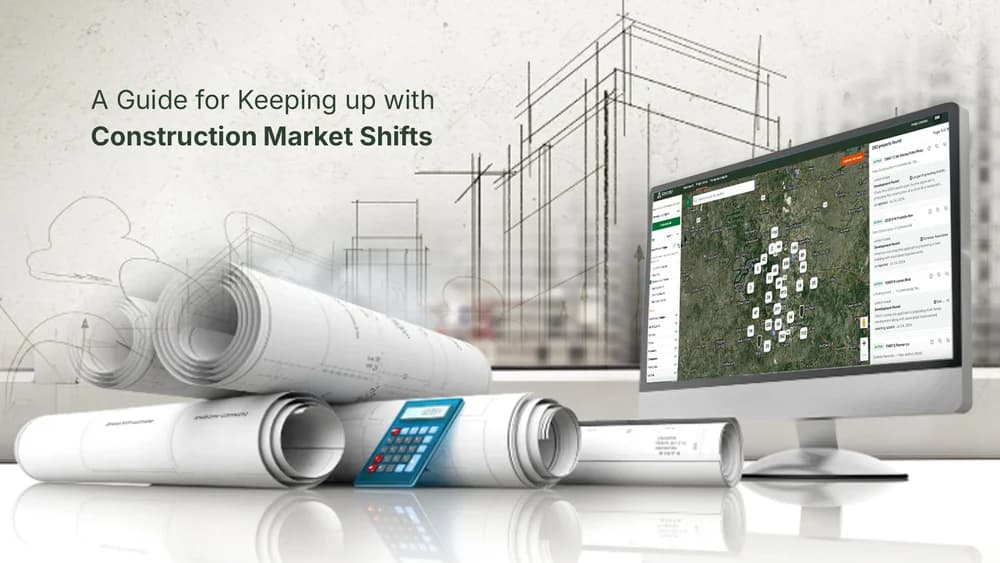
Technology in construction is moving beyond the jobsite. While tools like BIM and drones are making projects safer and more efficient, the real competitive edge is now found in business development technology. The most forward-thinking firms are using platforms that give them early intelligence on upcoming private projects. By tracking signals like title transfers, rezoning applications, and permit activity, you can identify opportunities months before your competitors even hear the first rumor. This upstream visibility allows you to start building relationships and get specified early. You can even start tracking local activity with tools like a free permits app to see how this data can change your approach.
Meeting Future Workforce and Infrastructure Needs
The construction boom is putting a serious strain on the state's workforce. The demand for skilled labor is far outpacing supply, with estimates showing a need for thousands of new plumbers, HVAC technicians, and electricians by 2030. In response, Texas has started to invest heavily in workforce development funding to create new training programs and apprenticeships. While these initiatives will help in the long run, the immediate pressure remains. For construction businesses, this means focusing on retention, investing in upskilling your current team, and adopting technologies that improve labor productivity will be critical for keeping projects on track and on budget.
Related Articles
Book a Live DemoFrequently Asked Questions
How can my business use these trends to actually win more projects? Instead of trying to be everything to everyone, use these trends to sharpen your focus. If you have experience with sustainable materials or modular construction, make that a central part of your conversations with developers and architects. Knowing that the market is shifting toward green building or high-end residential homes allows you to tailor your proposals and highlight the specific expertise that owners are actively looking for.
With so much competition, what's the best way to get ahead of other bidders? The key is to shift your strategy from bidding on public projects to creating your own opportunities in the private market. The most successful firms get ahead by identifying projects long before they become common knowledge. By tracking early signals like land sales, rezoning applications, and initial permit filings, you can start building relationships with decision-makers months before your competitors even know a project exists.
The labor shortage is a major concern. What's a practical step I can take to manage it? While long-term solutions like state-funded training are promising, the most immediate step you can take is to improve your team's efficiency. Use technology to streamline your business development and pre-construction processes. When your team spends less time chasing down leads or manually gathering project data, they can focus their energy on building the strong supplier and subcontractor relationships that are essential for securing labor for future jobs.
It seems like different cities are performing differently. Where should I focus my efforts? Right now, Dallas-Fort Worth is the most robust and diverse market, with strong activity in both high-value residential and commercial projects like warehouses. Houston offers stability, especially if your work is tied to the industrial or energy sectors. Austin's growth is now more concentrated in luxury homes and the counties surrounding the city, so a more targeted approach is needed there.
What's the difference between tracking permits and getting "early visibility"? Tracking permits is a great tactic, but it often means you're still finding out about a project at the same time as everyone else. True early visibility means seeing the signals that happen before a building permit is ever filed. This includes monitoring activities like property title transfers and rezoning applications, which can alert you to a developer's intent months or even years in advance, giving you a massive head start.
.png&w=3840&q=75)