
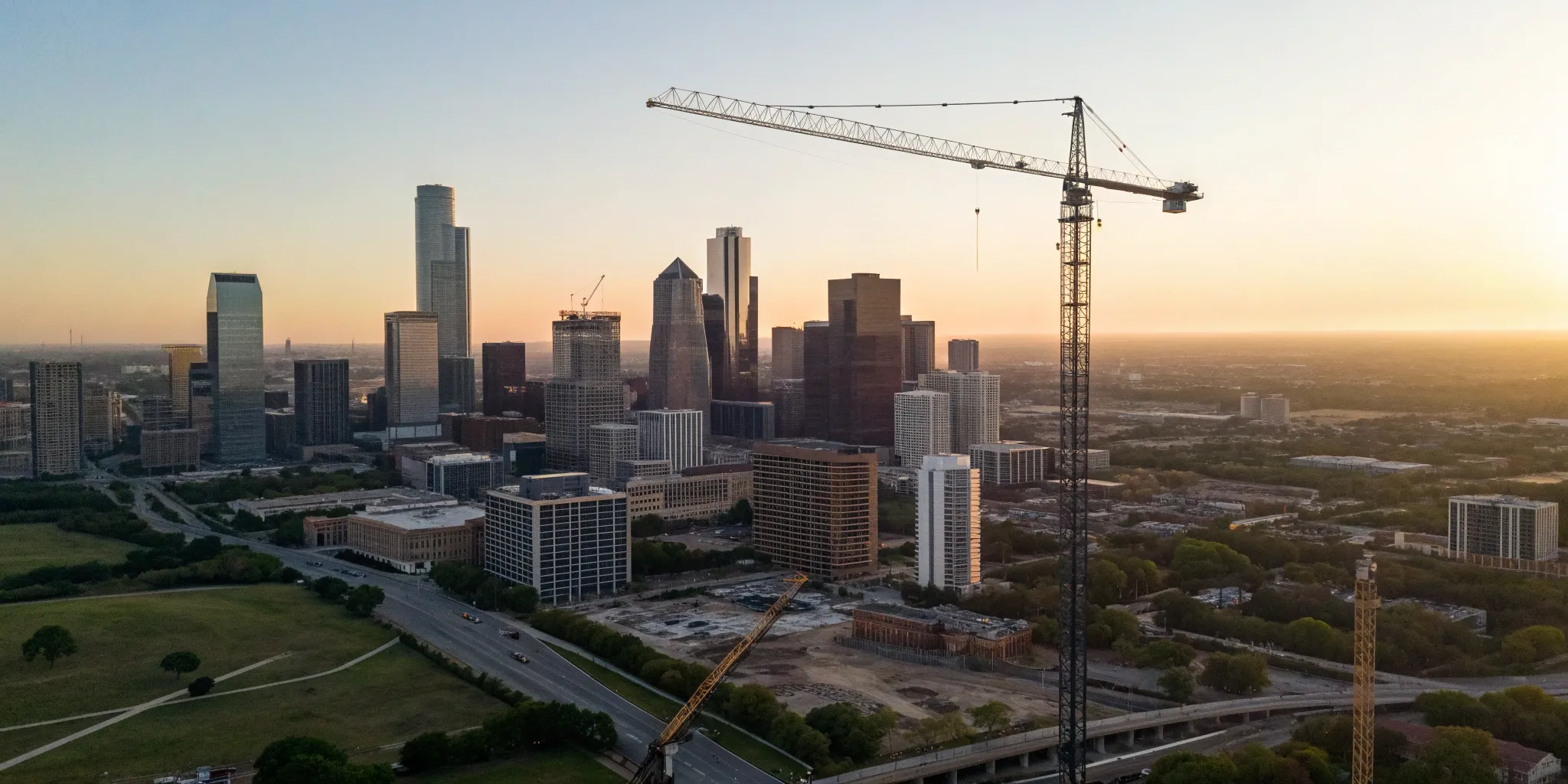

Did you know that at any given time, only a tiny fraction of commercial properties are publicly listed for sale or development? The vast majority of opportunities are happening off-market, behind the scenes. This creates a massive hidden market of potential work for those who know where to look. While your competitors are fighting over the same 1% of publicly advertised jobs, you can be sourcing deals from the other 99%. It’s a strategic shift from being a bidder to being a hunter. This article will equip you with the tools and networking tactics you need to uncover these unlisted commercial projects in Texas and build a pipeline that nobody else can see.
Key Takeaways
- Get ahead of the competition by targeting off-market deals: The best projects are often unlisted, meaning less competition and better margins. Stop waiting for public bids and start proactively hunting for opportunities before they become common knowledge.
- Pair digital intelligence with on-the-ground relationships: Use tools to catch early project signals like zoning changes and permit applications. At the same time, build a strong network of real estate professionals and local business owners who can provide insider tips and leads.
- An unlisted lead is not a qualified project until you vet it: Finding an opportunity is just the start. Protect your business by performing thorough due diligence—investigate the project's financials, confirm zoning laws, and understand the owner's history before committing your time and resources.
What is an Unlisted Commercial Project?
Think of an unlisted commercial project as an opportunity that isn’t broadcast to the public. These are construction or development plans that aren't posted on major listing services or widely advertised. Instead of competing with dozens of other firms who saw the same public listing, you’re tapping into a project before it becomes common knowledge. Finding these opportunities means you can get in early, build relationships directly with the owners, and shape the project's direction. It’s about moving from reacting to public bids to proactively creating your own pipeline of work.
Off-Market vs. Listed Properties
When a property is "listed" or "on-market," it’s publicly advertised for sale or lease, inviting offers from anyone and everyone. You see these on commercial real estate websites and in marketing brochures. In contrast, an unlisted or "off-market" property isn't publicly for sale. The owner might be quietly considering a sale, a redevelopment, or a major renovation. It’s a staggering difference in scale; while there are over 50 million commercial properties in the U.S., even the largest listing sites only show about 1% at any given time. This means the vast majority of potential projects are happening behind the scenes, creating a massive hidden market for those who know how to find them.
Why Some Projects Stay Off-Market
Property owners keep projects off-market for several strategic reasons. Some prefer privacy and want to avoid the flood of inquiries that comes with a public listing. Others may want to test the market quietly or negotiate with a select group of trusted partners without tipping off competitors. For many, it’s about control—they want to handpick the developers, contractors, or tenants they work with. This creates a unique advantage for you. By uncovering these projects, you step into a less crowded arena where you can build direct relationships and secure work based on trust and expertise, not just the lowest bid. These hidden opportunities often lead to better partnerships and more favorable terms.
Why Go After Unlisted Commercial Projects?
Chasing publicly listed projects can feel like you're always one step behind, competing against a dozen other firms for the same job. But what if you could find opportunities before they ever hit the market? Unlisted commercial projects are the hidden gems of the construction industry. Pursuing them isn't just about finding more work—it's about finding better work, on your terms. It’s a strategic shift from reacting to the market to getting ahead of it, giving you more control over your pipeline and your profits.
Less Competition, Better Margins
The biggest advantage of unlisted projects is simple: fewer people know about them. When a project isn't on a public listing service, you're not fighting a crowd of competitors. This lack of a bidding war gives you more negotiating power and can lead to healthier profit margins. Publicly listed properties can sometimes cost significantly more than their off-market counterparts, and that difference directly impacts your bottom line. By getting in the door first, you can present your value without being immediately undercut on price, setting a better tone for the entire project.
Get Access to Exclusive Opportunities
Unlisted projects are your ticket to opportunities that your competitors will completely miss. These are the developments happening behind the scenes—the ones that aren't announced until the key players are already in place. Finding these projects gives you a powerful first-mover advantage. You get the chance to learn about the project's needs and goals early on, positioning your team as the ideal partner before the project is widely known. It’s a proactive strategy that puts you in control, and many of our customers have found their most profitable projects this way.
Build Direct Relationships with Owners
When you uncover an unlisted project, you often get to connect directly with the property owner or developer. This is a huge advantage. Instead of going through a formal, multi-layered bidding process, you can have a real conversation, build rapport, and truly understand their vision for the project. This direct line of communication allows you to build trust and demonstrate your expertise from day one. It transforms the dynamic from a simple transaction to a collaborative partnership, which is the foundation for repeat business and strong industry relationships.
How to Build a Network That Uncovers Projects
While technology can give you a serious edge in finding projects, the best opportunities often come from a conversation, not a public listing. Building a strong, diverse network is your single greatest asset for uncovering unlisted commercial projects. It’s about putting yourself in the right rooms and conversations so you hear about deals before they ever hit the market. When you become a trusted, go-to resource in your community, people bring opportunities to you. The key is to be strategic and consistent. Here are four practical ways to build a network that acts as your eyes and ears on the ground, surfacing projects you’d otherwise miss.
Join Local Real Estate Groups
Real estate investors, agents, and developers are on the front lines of property transactions. They know which properties are about to be sold, which owners are planning a redevelopment, and which land deals are happening quietly. Joining local real estate groups puts you directly in their path. Look for investor meetups or associations in your target Texas city. When you attend, your goal isn’t to sell but to listen and build rapport. Position yourself as the go-to construction expert who can help them vet a potential project or partner with them on a build. These local real estate connections can become a powerful source of hidden deals.
Attend Industry and Construction Meetups
Networking with your peers is just as important as connecting with real estate professionals. Architects, engineers, and even other contractors can be incredible sources of information. They often hear about projects during the earliest planning and design phases, long before a GC is chosen. Make it a point to attend events hosted by industry organizations like the Associated General Contractors (AGC) or local chapters of the Urban Land Institute (ULI). This approach broadens your network and increases your chances of discovering projects that aren’t on anyone else’s radar. The more people you meet in the industry, the more likely you are to be top-of-mind when an opportunity arises.
Connect with Local Business Owners
Some of the best intel comes from outside the real estate and construction bubble. Local business owners—from the person running the corner coffee shop to the head of the local bank—have deep roots in the community. They often have insights into upcoming developments and know who’s looking to sell or expand. Building these relationships is a long-term play that pays dividends. Make an effort to support local businesses in the areas you want to work. Become a familiar face and a trusted community member. These connections can provide invaluable word-of-mouth leads on off-market opportunities you won’t find anywhere else.
Use Social Media to Find Leads
Your network-building shouldn't stop offline. Platforms like LinkedIn are powerful tools for connecting with decision-makers across Texas. Start by following the developers, architects, commercial brokers, and city planners in your target markets like Austin, Houston, or DFW. But don’t just be a passive observer. Engage with their posts by leaving thoughtful comments and sharing relevant insights. This builds your credibility and gets your name out there. You can also join local commercial real estate groups to see what people are talking about. A strategic social networking approach allows you to reach far beyond your immediate circle and build relationships with key players across the state.
Tools to Track Down Unlisted Texas Projects
While networking is essential, the right digital tools can give you a serious advantage. They process massive amounts of data to flag early signs of development, giving you a head start long before a project is publicly known. Think of these platforms as your digital scouts, constantly scanning the Texas landscape for your next big opportunity. Integrating one or more of these into your business development process can help you consistently find and qualify unlisted projects.
Mercator.ai for Finding Projects Early
If you want to be the first to know about a project, Mercator.ai is the tool for you. It uses artificial intelligence to analyze real-time data like title transfers, rezoning applications, and early permit activity. This means you get alerts on private construction projects months before the market even knows they exist. Instead of waiting for public listings, you can identify opportunities when the land is still being acquired. This upstream visibility allows you to start building relationships with owners and developers early, positioning your company as a trusted partner from day one.
Building Radar for In-Depth Project Reports
Once you have a potential project on your radar, Building Radar helps you dig into the specifics. This platform is great for gathering detailed intelligence on projects that are in the early planning stages but not yet widely advertised. It provides in-depth reports that can include project scope, estimated timelines, and even key contacts involved. This information is crucial for qualifying an opportunity and understanding if it’s the right fit for your business. It helps you prepare a tailored approach before you ever reach out to the project owner or developer.
TxDOT Open Data Portal for Infrastructure Projects
Don’t overlook the public sector. While many unlisted opportunities are private, major infrastructure projects offer significant work for contractors and suppliers. The TxDOT Open Data Portal is a fantastic resource for tracking public works across Texas. The data is updated weekly and feeds into the state’s Project Tracker application, making it a reliable source for upcoming and ongoing projects. You can find everything from highway expansions to bridge constructions, giving you a direct line of sight into publicly funded work that might not be on typical construction lead platforms.
Reonomy for Property and Owner Data
Sometimes the best way to find a project is to find the right property. Reonomy gives you access to a massive database of commercial real estate information, including property details and owner contact information. This is incredibly useful for identifying off-market properties that are ripe for development. You can analyze properties, find comparable sales, and identify owners who may be looking to build or redevelop. For general contractors looking to build direct relationships, this tool allows you to proactively find opportunities and connect with decision-makers before they even consider listing their project.
Digital Strategies for Finding Hidden Opportunities
Once you've identified a potential project or property owner, it's time to make your move. Digital tools have made direct outreach more effective than ever, allowing you to connect with decision-makers before your competitors even know a project exists. These strategies are all about being proactive and using technology to start conversations and build relationships from the ground up.
Reach Out Directly to Property Owners
The most straightforward way to get in on an unlisted project is to talk to the person who owns the property. Finding their contact information is the first hurdle, but early intelligence on title transfers or rezoning applications can give you the name you need. A simple, direct approach can open doors that would otherwise remain closed. Finding off-market properties in Texas often comes down to making the right connection at the right time. Your goal isn't a hard sell; it's to introduce yourself as a helpful, expert resource and learn more about their plans for the property.
Launch a Targeted Email Campaign
Email is a powerful tool when used correctly. Forget mass blasts—the key is personalization. Use the information you've gathered to craft a message that shows you've done your homework. Mention the specific property and why you're reaching out. A targeted email allows you to directly connect with property owners in a professional format, giving them space to respond on their own time. Keep your message brief and focused. Introduce your company, explain the value you could bring to their potential project, and suggest a quick call to discuss their needs.
Try a Direct Mail Strategy
In an era of overflowing inboxes, a physical piece of mail can really stand out. A well-crafted letter or postcard cuts through the digital noise and lands directly in the hands of a property owner. This strategy is especially effective for reaching owners who may not be as active online. Think of it as another way to meet as many people as you can, even if it's just through their mailbox. Your mailer should be professional, concise, and visually clean. Clearly state who you are, what you do, and how you can help them with their future construction needs.
Monitor Key Online Platforms
Even unlisted projects leave digital footprints if you know where to look. Keep an eye on municipal websites for zoning change requests, planning commission meeting agendas, and permit applications. These public records are often the earliest official signs of a new project. Manually tracking all this can be a full-time job, which is why automating the process is key. Using a tool like Mercator's Free Permits App gives you a significant advantage by delivering real-time alerts on new permits, so you can act on opportunities the moment they appear.
How to Partner with Real Estate Pros
Think of real estate professionals as your eyes and ears on the ground. They’re often the first to know about a property owner’s plans to sell, redevelop, or expand—long before a project ever hits the market. Building strategic partnerships with these insiders is one of the most reliable ways to get a steady stream of unlisted project leads. This isn't about a one-time transaction; it's about creating a mutually beneficial relationship where you both bring value to the table.
When you become a trusted resource for a broker or agent, they’ll think of you first when they need a contractor’s opinion on a potential site or when they hear a client is planning a major renovation. You provide valuable construction insight, and in return, you get early access to opportunities that your competitors don't even know exist. It’s a classic win-win that can transform your business development efforts from reactive to proactive. Instead of waiting for projects to be publicly announced, you're part of the conversation from the very beginning, giving you a significant head start.
Build Relationships with Local Brokers
Local real estate brokers are deeply embedded in the community and often have insider knowledge about properties that aren't publicly listed. The key is to build genuine relationships, not just ask for leads. Start by identifying active brokers in your target areas of Austin, DFW, Houston, or San Antonio. Offer to be a resource for them—perhaps by providing quick budget estimates or feasibility feedback on a property they’re evaluating for a client. Taking the time to build this rapport can open doors to deals that are completely off the radar. A broker who trusts you is more likely to share valuable information about an owner’s future plans.
Connect with Commercial Agents
While general brokers are valuable, commercial real estate agents are specialists who live and breathe commercial properties. They understand the unique needs of businesses and investors and are constantly working to match clients with the right opportunities. Make an effort to connect with agents who specialize in your project niche, whether it's industrial, retail, or office space. Attend events hosted by organizations like the CCIM Central Texas Chapter to meet these professionals. When you connect, focus on what you can offer. A reliable contractor who can help an agent’s client assess a potential renovation is an invaluable asset, making you a go-to partner for future projects.
Work with Property Management Companies
Property management companies are on the front lines of commercial real estate. They have direct relationships with property owners and are the first to know about maintenance needs, planned capital improvements, and tenant changeovers that could signal a future project. A property manager knows which buildings have aging HVAC systems or which owners are considering an expansion to attract new tenants. By collaborating with local property management firms, you gain insight into properties that may soon require significant construction work. This gives you a major competitive edge, allowing you to start conversations with owners months before they even think about hiring a general contractor.
How to Vet an Unlisted Commercial Project
Finding an unlisted project feels like striking gold, but the real work begins after the discovery. Before you invest time and resources into a proposal, you need to properly vet the opportunity to make sure it’s as good as it looks. This process is all about asking the right questions and digging deep to uncover the full story. A project might seem perfect on the surface, but hidden issues with its finances, zoning, or ownership can turn a promising lead into a major headache. These off-market properties haven't been through the public wringer, so it's up to you to perform that critical analysis.
Think of vetting as your quality control process. It protects your business from risky ventures and ensures you’re focusing your energy on projects that are financially sound and ready to move forward. By taking a systematic approach, you can confidently decide whether to pursue the project or walk away, saving yourself from potential losses and protecting your company’s reputation. It’s about working smarter, not just harder, to land the best opportunities. This critical step separates the seasoned pros from the hopefuls, ensuring your pipeline is filled with genuinely viable projects, not just interesting rumors.
Nail Your Due Diligence
Due diligence is your fact-finding mission. It’s the process of thoroughly investigating a project to verify all the details and uncover any potential red flags. For unlisted commercial projects, this step is non-negotiable. You’re looking at an opportunity that hasn’t been publicly marketed, which means you need to create your own complete picture of its viability. Start by confirming who the actual property owner is and checking for any existing liens or legal disputes tied to the property. A solid due diligence checklist will help you stay organized and ensure you don’t miss any critical details during your investigation.
Analyze the Financials and Market
Next, it’s time to look at the numbers. A project’s financial health is one of the clearest indicators of its potential for success. Start by researching the owner’s financial history and track record with previous projects. You can also look at public records like permits and preliminary notices to gauge the project's momentum and financial stability. Beyond the project itself, analyze the surrounding market. Is there demand for this type of development in this specific Texas location? Understanding the local market conditions and the project’s financial backing will help you assess the level of risk involved before you commit to a bid.
Check Legal and Zoning Rules
Don’t let a zoning issue derail a great project. Every city and county in Texas has its own set of complex zoning regulations and building codes that can significantly impact a project’s timeline and budget. Before you get too far, verify that the project’s plans align with local land-use restrictions. You can often find zoning maps and ordinances on city government websites. If the details are unclear, connecting with local real estate attorneys or brokers who are experts in that specific market can provide clarity and help you understand the regional regulatory landscape. This step ensures the project is legally viable and won’t get tangled in red tape.
Texas Market Trends You Should Know
To find projects before they hit the market, you need to think like a developer. That means understanding the economic and social currents that shape their decisions. In Texas, a booming population and a strong job market are creating huge demand for specific types of properties. By staying on top of these trends, you can predict what kind of projects will be breaking ground next and position your business to win the work.
Developers are constantly searching for the next big opportunity, and they often move quietly to secure land and initial funding before their plans become public knowledge. They’re looking at demographic shifts, consumer behavior, and supply chain needs to decide where to invest. If you know what they’re looking for, you can start to see the early signals of development, like title transfers or rezoning applications, for what they really are: the start of a major project. Keeping a pulse on the Texas economic forecast gives you a high-level view, but drilling down into specific construction trends is where you’ll find your next unlisted opportunity. It’s about connecting the dots between a market need and a piece of land, long before a sign goes up.
The Growth of Mixed-Use Developments
Texas cities are growing denser, and with that comes a rising demand for walkable communities where people can live, work, and shop without getting in a car. This has fueled a significant rise in mixed-use developments, which blend residential apartments or condos with ground-floor retail, office space, and restaurants. These projects are complex but packed with opportunities for general contractors and subcontractors alike. One day you’re pouring a foundation for the residential tower, and the next you’re framing out a new boutique or cafe. Because these projects reshape entire city blocks, developers often work for months behind the scenes to acquire the necessary parcels and get zoning approval, making early intelligence key.
High Demand for Industrial and E-Commerce Space
The explosion of online shopping has created an insatiable appetite for industrial and e-commerce facilities. From massive fulfillment centers for global retailers to smaller last-mile delivery hubs, the need for logistics space is reshaping the Texas landscape, especially along major transportation corridors like I-35. According to some real estate groups, this increasing demand is one of the most powerful forces in the market. These projects are often fast-tracked, and developers are looking for contractors who can handle large-scale builds efficiently. Finding these opportunities early means monitoring sales of large land tracts outside of major metro areas and keeping an eye on the expansion plans of major logistics and retail companies.
The Impact of Rising Construction Costs
It’s no secret that construction costs are a major concern across Texas. Volatile material prices and ongoing labor shortages are putting pressure on project budgets and timelines. While this presents a challenge, it also creates an opportunity for you to stand out. Developers and project owners are actively seeking partners who can provide cost certainty and innovative solutions. When you get involved in a project before it’s widely known, you have a chance to build a relationship based on trust and demonstrate your value. You can contribute to value engineering, suggest alternative materials, and help the project owner manage their budget effectively, making you an indispensable part of the team from the very beginning.
How to Handle Common Challenges with Unlisted Projects
Chasing unlisted projects is exciting, but it comes with a unique set of hurdles. Unlike publicly listed jobs, you’re often working with less information and fewer established processes. This isn't your typical bid-and-win scenario; it's a different game that requires a different strategy. But don’t let that stop you. The key is to anticipate these challenges and have a plan ready. With the right approach, you can turn these potential roadblocks into opportunities to build stronger relationships and secure more profitable work. From digging up project details to negotiating directly with owners, each step is a chance to prove your value before the competition even knows the project exists. The most successful contractors thrive in this environment because they see these challenges not as barriers, but as filters that weed out less prepared competitors. They understand that getting in early means they have more influence over the project's direction and can establish themselves as an indispensable partner from day one. Let’s walk through the most common issues you’ll face—and how to handle them like a pro.
Working with Limited Information
The biggest challenge with unlisted projects is the lack of public data. These opportunities aren't advertised, so you can't just browse a listing site to get the details. Instead, you have to rely on private data and the relationships you've built to find them. This means your success depends on your ability to gather information through your network and specialized tools. Early indicators like zoning changes, title transfers, and permit applications become your best friends. They’re the breadcrumbs that lead you to a project before anyone else knows it exists, giving you the time you need to do your homework and prepare a thoughtful approach.
Tackling Complex Negotiations
When you find an unlisted project, you’ll often be negotiating directly with the property owner. This can be a huge advantage because you get to cut out the middleman and build a direct relationship. However, it also means you need sharp negotiation skills. The conversation is less about submitting a formal bid and more about understanding the owner’s vision and pain points. Building trust is everything. Focus on creating a genuine connection and showing how you can solve their problems. When you establish that rapport, you’re not just another contractor; you’re a trusted partner, which makes for much smoother and more successful negotiations.
Securing Project Financing
Financing an unlisted project can sometimes be more complicated for the owner, which can impact your contract and payment schedules. Lenders are often more cautious without the validation of a public listing. This is where having a strong professional network pays off. Encourage owners to engage with experienced real estate brokers, legal advisors, and lenders who are familiar with the Texas market. These experts can provide invaluable insights and help work through regional regulations. When the owner has a solid team to help them secure financing, it creates a more stable foundation for the entire project, ensuring everything runs smoothly from groundbreaking to completion.
Related Articles
- 8 Top Commercial Construction Companies in Texas (2025)
- Commercial Construction Texas: The Ultimate Guide
- How to Use the Texas Building Permits Database
Frequently Asked Questions
What’s the biggest mindset shift when moving from public bids to unlisted projects? The most significant change is moving from a reactive to a proactive approach. With public bids, you're responding to an opportunity that everyone else can see. When you pursue unlisted projects, you are creating the opportunity yourself. Your focus shifts from simply being the lowest bidder to becoming a trusted advisor who helps a property owner solve a problem, often before they’ve even defined the full scope of their project.
I’m a specialty subcontractor, not a GC. How can I apply these strategies? These strategies are just as effective for you. Your networking focus will be slightly different—you’ll want to build strong relationships with the general contractors, architects, and developers who hire for your trade. Position yourself as the go-to expert in your field. When a GC you have a relationship with uncovers an unlisted project, they’ll be more likely to bring you in early. You can also use tools to spot permits that are specific to your line of work, giving you a direct signal of a new opportunity.
How do I balance my time between networking and using digital tools? Think of them as two parts of the same process that work together. Use digital tools like Mercator.ai to efficiently identify the who and the what—the specific property owner and the early signs of a project. This intelligence makes your networking much more effective. You can then use that information to build a genuine human connection and understand the why behind the project. The technology finds the lead, but your relationship-building is what turns it into a real opportunity.
What’s the very first thing I should do when a tool flags a potential project? Before you pick up the phone or send an email, do your homework. The initial alert is your starting point, not your finish line. Use the information to research the property owner, look into their past projects, and understand the property's history and zoning. A thoughtful, informed outreach that shows you’ve done your research is far more effective than a generic cold call. Your goal is to immediately establish credibility and show you can provide specific value.
Is it really okay to contact a property owner directly? It feels a bit intrusive. It’s natural to feel that way, but you can reframe it. You aren't making a cold sales call; you are making a professional introduction. The key is to approach it with a mindset of offering help, not asking for a job. A brief, respectful, and well-researched email or letter that introduces you as an expert resource can be incredibly valuable to an owner who is just beginning to consider a project. You might be the exact solution they were about to start looking for.


AI-powered business development for the construction industry
Schedule a time to discuss your use case and walk through a custom demo of the platform.