
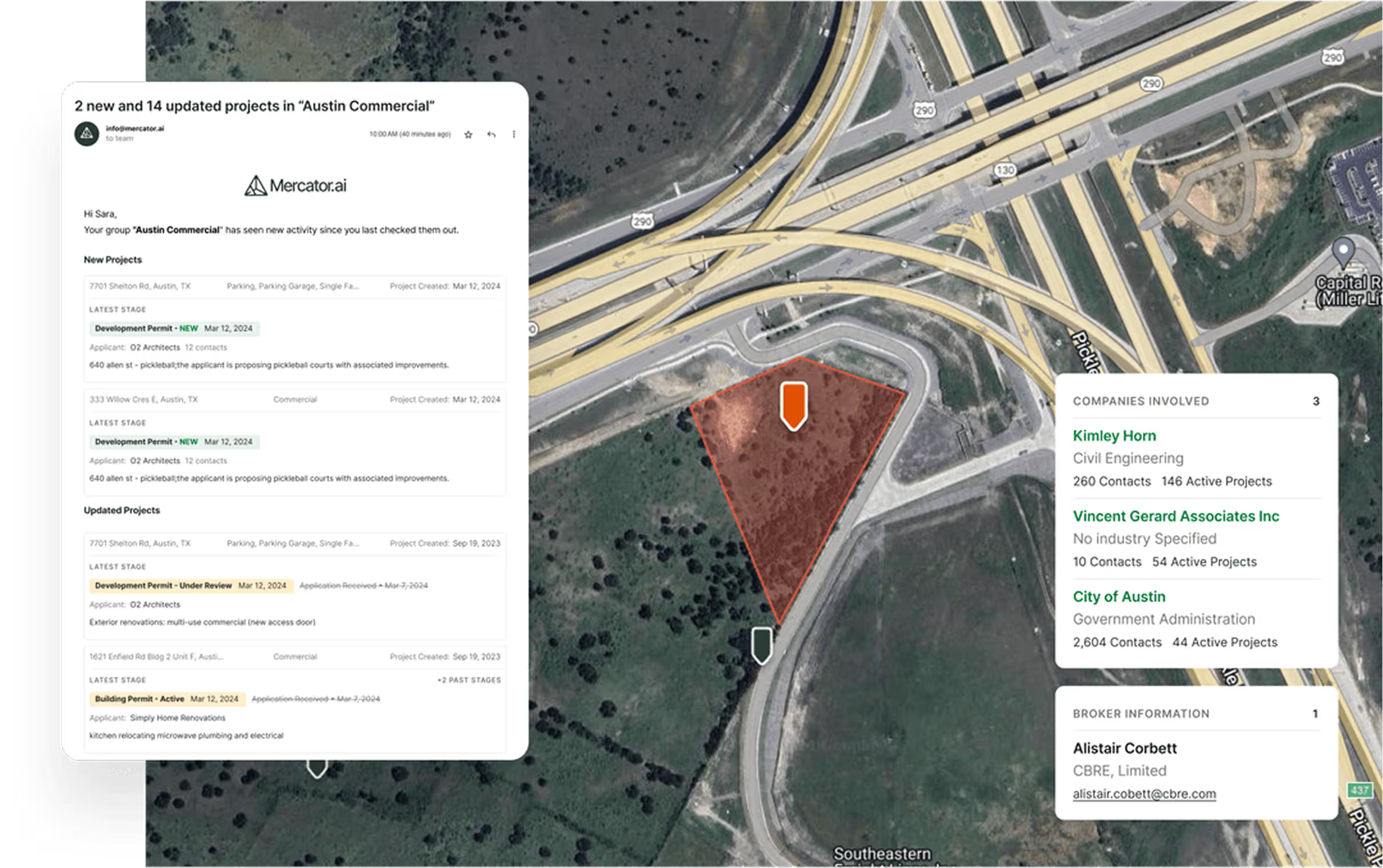

The way top general contractors find their next project is changing. While referrals and networking will always be important, technology now offers a powerful competitive edge. Instead of waiting for opportunities to become public knowledge, you can use data to spot private projects in their earliest stages—sometimes right after a piece of land is sold. This upstream visibility transforms your business development process from reactive to proactive. This article explores the modern tools and strategies you can use to find exclusive construction leads for general contractors, giving you the head start you need to build relationships and secure your project pipeline.
Key Takeaways
- Find projects before they become public bids. The most valuable leads are the ones your competitors don't know about yet. Prioritize tools and strategies that give you early-stage intelligence so you can build trust with owners, not just submit a low bid.
- Combine technology with traditional networking. The best approach blends modern tools that find hidden opportunities with the timeless practice of building industry connections. This creates a resilient system that doesn't depend on just one source for new work.
- Turn leads into clients with a consistent process. Finding a lead is only the first step. Win the project by responding quickly, building credibility from the first conversation, and having a persistent follow-up plan that keeps you top-of-mind.
What Are Construction Leads (and Why You Need Them)
Let's start with the basics. A construction lead is simply a piece of information that points to a potential project or client. Think of it as the very first sign that an opportunity is on the horizon. This could be a tip from an architect you know, a public permit filing, or an alert from a project intelligence platform. It’s the starting point for every job you eventually win. Without a consistent flow of these leads, you're stuck in a reactive cycle, waiting for the phone to ring or scrambling for public bids.
A steady stream of opportunities is the lifeblood of your business. It allows you to be selective, plan your pipeline, and strategically grow your company. It’s what separates thriving contractors from those just trying to survive month to month. But here’s the catch: not all leads are created equal. Many traditional lead generation services sell the same information to dozens of your competitors, leading to crowded bid lists and razor-thin margins. The real value lies in finding high-quality, early-stage opportunities before everyone else knows about them.
This is where you can get ahead of the competition instead of just joining the race. Ultimately, the best leads give you a chance to do what this industry does best: build relationships. When you learn about a project early, you have time to connect with the key players—the owner, the developer, the architect—and establish trust. In an industry where reputation and relationships are everything, getting in the door first is your most powerful advantage. A lead isn't just a project; it's a chance to connect with a potential long-term client.
How Do Lead Generation Services Work?
At their core, lead generation services act as matchmakers. They find property owners or developers who need construction work and then sell that contact information—the "lead"—to contractors. It’s a straightforward model where you essentially pay a premium for an introduction. While this can seem like a quick way to fill your project pipeline, it’s crucial to understand the mechanics before you invest. Many contractors find that simply throwing money at ads or lead services doesn't always translate into a steady stream of profitable projects.
The biggest challenge with this model is often lead quality and competition. A common practice for these services is to sell the same lead to several contractors. The moment you receive a notification, you're already in a race against your competitors to be the first to call, which can quickly turn into a bidding war that drives down your margins. The quality of these leads can also be inconsistent, leaving your team to sift through contacts who aren't a good fit or aren't truly ready to build.
This approach is purely transactional. You pay a fee for a name and a number, but it does little to help you get ahead of the curve or establish the connections that lead to long-term success. A healthy project pipeline often depends on your ability to build and maintain strong professional relationships, not just on buying contact lists. For companies working with tight budgets, paying for low-quality, high-competition leads can become a frustrating cycle. The real advantage comes from identifying opportunities early, before they hit the open market and the competition gets fierce.
Where to Find Quality Construction Leads
Finding a steady stream of high-quality construction leads is the lifeblood of any successful contracting business. Relying solely on word-of-mouth leaves your growth to chance, and in a competitive market, you need a proactive strategy. The good news is there are more tools and platforms available than ever before to help you find your next big project. The key is knowing where to look and which approach fits your business goals.
Some methods give you a heads-up on projects months before they hit the market, while others connect you with jobs that are ready to bid. From AI-powered platforms that uncover hidden opportunities to traditional bid boards and industry marketplaces, each source offers a different advantage. We’ll walk through the most effective places to find leads, so you can build a robust pipeline and keep your team busy year-round.
Find Projects Early with Mercator.ai
The biggest competitive advantage you can have is time. Instead of waiting for projects to be publicly announced, you can get ahead by identifying opportunities in their earliest stages. This is where a tool like Mercator.ai comes in. By analyzing exclusive datasets for things like title transfers, rezoning applications, and early permit activity, it flags private construction projects long before they become common knowledge. This upstream visibility allows you to connect with decision-makers, build relationships, and position your company as the ideal partner. Getting in early means you can influence project specifications and avoid the crowded, low-margin world of public bidding.
Compare Traditional Lead Generation Platforms
For decades, contractors have used traditional lead generation services and bid boards to find work. Platforms like ConstructConnect offer extensive databases of commercial construction projects that are actively seeking bids. These services are great for finding a large volume of opportunities in one place and can help you fill gaps in your project schedule. However, by the time a project appears on these platforms, the competition is already stiff, and key decisions have often been made. While they are a valuable resource for finding projects to bid on now, they don't typically provide the early-stage intelligence needed to build strategic relationships with project owners.
Explore Industry-Specific Marketplaces
Online marketplaces have become a popular way for general contractors and subcontractors to connect. Platforms like BuildingConnected function as a network where you can create a profile and get invited to bid on projects by developers and other GCs in your area. This can be a great way to get your name out there and receive inbound bid invitations without actively searching. The main benefit is visibility; having a strong profile can put you on the radar of major players looking for qualified partners. The downside is that this approach is more reactive. You’re waiting to be chosen rather than proactively pursuing the exact projects you want to win.
Use Online Ads and Social Media
Your online presence is your digital storefront. For many clients, their first impression of your business will come from your website or your Google Business Profile. Investing in a solid digital marketing strategy helps you attract inbound leads directly. This includes optimizing your website for search engines (SEO), running targeted online ads, and maintaining an active presence on professional networks like LinkedIn. While this is more of a long-term play, building a strong online brand establishes your credibility and ensures that when potential clients are looking for a contractor, they find you first. It’s about making your business discoverable so the right leads come to you.
What to Look for in a Lead Generation Tool
Choosing a lead generation tool can feel overwhelming, but it’s one of the most important decisions you’ll make for your business development strategy. The right platform won’t just send you a list of projects; it will become a core part of how you find and win work. Think of it as a partner that helps you cut through the noise and focus on the opportunities that truly fit your business.
The goal isn't just to find more leads—it's to find the right leads, earlier than anyone else. A great tool gives you the data and insights you need to stop chasing cold prospects and start building genuine relationships with future clients. It should fit into your daily routine, making your process more efficient, not more complicated. As you evaluate your options, focus on platforms that provide verified, early-stage opportunities and give you the flexibility to zero in on the exact types of projects you want to build.
Check for Lead Quality and Verification
Let's be honest: a long list of bad leads is worse than a short list of great ones. Many lead generation services sell the same outdated or irrelevant leads to multiple contractors, leaving you to sift through the junk. This wastes valuable time and resources that you could be spending on promising opportunities.
When you’re looking at a tool, ask how they source and verify their information. High-quality leads are backed by real-world data, like permit applications, title transfers, and rezoning activity. This ensures you’re pursuing actual projects, not just rumors. A platform that provides this level of verified detail helps you build a reliable pipeline you can trust, so you can focus your energy on building relationships and preparing winning bids.
Prioritize Early Project Detection
By the time a project hits a public bidding site, you’re already late to the party. The most successful general contractors get in on the ground floor, long before the project is common knowledge. The key is to find a tool that gives you upstream visibility into the development cycle. You want to know about a project when it’s still just an idea—a piece of land that just sold or a zoning application that was just filed.
This early insight is your biggest competitive advantage. It gives you time to connect with owners, developers, and architects before they’ve made any final decisions. You can introduce your company, understand their vision, and position yourself as the perfect partner for the job. This proactive approach transforms you from just another bidder into a trusted advisor, which our customers find is the best way to win work.
Find the Right Filtering and Targeting Options
A firehose of unfiltered project data is just noise. To be effective, you need a tool that lets you be incredibly specific about the leads you see. The best platforms offer robust filtering options that allow you to target opportunities by location, project type, construction value, square footage, and even the specific stakeholders involved. This precision is what turns a massive database into a manageable list of ideal prospects.
Think about your ideal project. Is it a multifamily development in Austin? An industrial warehouse in Houston? Your lead generation tool should make it easy to find exactly that. The ability to save searches and get real-time alerts for matching projects ensures you never miss an opportunity that fits your niche, allowing you to focus your networking efforts where they’ll have the greatest impact.
Ensure It Integrates with Your Workflow
A new tool should make your life easier, not add another complicated step to your day. Before committing to a platform, consider how it will fit into your existing business development process. Does it integrate with the CRM you already use? Can you easily export data or share opportunities with your team? The goal is to create a seamless flow of information from lead discovery to outreach and follow-up.
A tool that works well with your other systems prevents data from getting siloed and saves you from tedious manual entry. This efficiency is critical for staying organized and ensuring that promising leads don't fall through the cracks. Look for a platform that complements your current workflow and helps you automate routine tasks, freeing you up to focus on what you do best: building relationships and winning projects.
How to Budget for Construction Leads
Figuring out how much to spend on construction leads can feel like a guessing game. You know you need a steady stream of projects, but you don’t want to throw money away on leads that go nowhere. The key isn’t just setting a budget; it’s about creating a smart spending plan that directly connects your investment to real, profitable work. A well-planned budget ensures you’re not just buying a list of contacts but are actively investing in your company’s growth. It means shifting your mindset from seeing lead generation as a simple expense to viewing it as a strategic part of your business development engine. When you can confidently tie your spending to tangible results, you can scale your efforts, predict your pipeline more accurately, and stop wasting resources on opportunities that don't pan out. Let’s break down how to think about your budget so you can invest with confidence and get the best possible return on every dollar you spend.
What Are the Common Pricing Models?
When you start looking at lead generation services, you'll see a few different ways they charge. Some platforms use a pay-per-lead model, while others offer a monthly or annual subscription. The most important thing to remember is that not all leads are created equal. The price of a lead should reflect how much money it could potentially bring your business. A qualified lead for a large-scale commercial build is naturally worth more than a lead for a small residential job. A good rule of thumb is to connect the cost of a lead to your average project value and your conversion rate. This helps you justify the expense and ensures you're paying a fair price for the potential opportunity you're pursuing.
How to Calculate Your Lead Generation ROI
Once you're paying for leads, you need to know if that money is actually working for you. Calculating your return on investment (ROI) doesn't have to be complicated. Start by looking at your numbers. For example, if your average project value is $100,000 and you know that 10% of the leads you pursue turn into paying customers, you can work backward to figure out what a single lead is worth to your business. Tracking this helps you understand if your lead generation efforts are financially sound and allows you to compare different lead sources to see which ones perform best. Understanding a platform's pricing structure is the first step to calculating your potential return and making an informed decision.
Watch Out for Hidden Costs
Your budget isn't just about the sticker price of a lead service. There are hidden costs that can drain your resources. Many general contractors work with limited marketing budgets, making every dollar count. The biggest hidden cost is often poor lead quality. Some services sell the same leads to several contractors, forcing you to compete on price before you've even had a chance to showcase your value. This wastes your time and money. Think about the hours your team spends chasing dead-end leads—that's a real cost to your business. Hearing from other GCs in customer stories can highlight how finding exclusive, early-stage projects avoids this frustrating and costly race to the bottom.
How to Generate Your Own Construction Leads
While lead generation services are a great way to fill your pipeline, creating your own inbound leads gives you more control and often results in higher-quality opportunities. When you generate leads yourself, you’re not just buying a contact; you’re building a reputation that attracts the right clients. This approach focuses on long-term growth by establishing your company as a trusted authority in your market. It’s about playing the long game, where your marketing and networking efforts compound over time. By investing in your own lead generation channels, you create a sustainable system for business development that isn’t dependent on a single outside source. Let’s walk through four effective strategies you can start using today.
Develop a Digital Marketing and SEO Strategy
Think of your website as your digital storefront. Search Engine Optimization (SEO) is how you ensure potential clients can find it. The key is to focus on local SEO. You’re not trying to compete with national brands; you’re trying to win projects in Austin, DFW, or Houston. As one marketing expert puts it, you need to "write content like a local, not a national brand guessing off Google Maps." Create pages on your website dedicated to the specific neighborhoods you serve and the types of projects you specialize in, like "commercial renovations in the Houston Heights" or "custom home builds in Westlake." A strong local SEO strategy helps you show up when developers or property owners search for contractors right in your backyard.
Use Social Media and Content Marketing
Social media, especially a professional platform like LinkedIn, is an excellent tool for showcasing your work and expertise. It’s not about posting random updates; it’s about strategic content marketing. Share high-quality photos and videos of your completed projects, post testimonials from happy clients, and write articles that answer common questions your potential customers have. This positions you as a knowledgeable and reliable partner. Generating leads as a general contractor requires a mix of approaches, including "solid networking, leveraging referrals, and aligning with real estate." Your content can support all these efforts by giving your network something valuable to see and share, keeping your firm top-of-mind.
Build Your Professional Network
Construction is, and always will be, a relationship-driven industry. As the Construction Owners Association of America notes, "networking isn't just a business development strategy—it's a cornerstone of sustainable success." You can’t just wait for the phone to ring. Actively build connections with architects, engineers, developers, and real estate agents who can bring you opportunities. Attend local industry events, join associations like the Associated General Contractors of Texas, and use LinkedIn to connect with key players in your city. The goal is to build a web of trusted partners who think of you first when a new project comes across their desk.
Create a Referral Program
Your best source of new business is often your past and current clients. A formal referral program encourages them to spread the word. It doesn’t have to be complicated—a simple thank-you gift, a discount on future services, or a finder's fee for a successful project can go a long way. The key is to make it official and let your clients and partners know about it. By "leveraging both traditional and digital relationship-building tools, construction professionals can build a network that generates opportunities." A referral program formalizes this process, turning your happy customers into an active, motivated sales force and giving you a predictable stream of high-quality, warm leads.
How to Turn Construction Leads into Clients
Finding a promising lead is just the first step. The real work starts when you need to turn that initial interest into a signed contract. Getting this part right is what separates busy contractors from profitable ones. It’s a process that requires a mix of speed, trust-building, and persistence. You need a solid plan to nurture that lead from the first point of contact all the way to project kickoff.
Think of it this way: an early lead is an opportunity to build a relationship before your competitors even know the project exists. When you use a tool that provides real-time project alerts, you get a head start. But that head start is only valuable if you know how to use it. Let’s break down the key strategies for converting those high-potential leads into your next big project.
Respond Quickly to Make a Great First Impression
In construction, the early bird truly gets the worm. When a potential client reaches out or a new project lead hits your inbox, your response time sets the tone for the entire relationship. A quick, professional reply shows that you’re organized, attentive, and serious about their project. Getting leads is one thing, but the real challenge is turning them into booked appointments. A speedy response is your first, and best, chance to make that happen. Set up instant notifications for new leads and have a personalized email template ready to go. This simple step can put you miles ahead of slower competitors.
Build Trust and Credibility from the Start
Construction is built on relationships and reputation. A potential client needs to trust that you can deliver on your promises before they’ll even consider signing a contract. From your very first interaction, focus on building that credibility. Be prepared to share a portfolio of your best work and have testimonials from previous clients ready. You can see how other firms have successfully built their reputation in our collection of customer stories. Be transparent about your process, listen carefully to their needs, and offer genuine advice. This isn't just about selling your services; it's about proving you’re a reliable partner they can count on for a successful project.
Create an Effective Follow-Up Strategy
Many great leads go cold simply due to a lack of follow-up. While it’s easy to focus on finding new leads, nurturing the ones you already have is often more fruitful. Relying solely on ads or a single point of contact can lead to missed opportunities. Instead, create a simple but consistent follow-up plan. This could be a sequence of emails and phone calls spaced out over a few weeks. In each message, aim to provide value—share a helpful article, offer an insight about their project, or connect them with a useful resource like the Future of Construction Podcast. A thoughtful follow-up strategy shows you’re persistent and genuinely interested in their project, keeping you top of mind when they’re ready to make a decision.
Common Lead Generation Mistakes to Avoid
Finding a steady stream of leads is one thing, but making sure your efforts actually turn into profitable projects is another. It's easy to fall into common traps that waste time and money, especially when you're focused on growth. Steering clear of these pitfalls is just as important as finding the right lead generation tactics. Here are a few key mistakes to watch out for as you build your strategy.
Chasing Quantity Over Quality
It’s tempting to think that a bigger list of leads will automatically lead to more business, but that’s rarely the case. Many traditional lead services sell the same leads to several contractors, which means you’re often competing on price for low-quality opportunities. Instead of spinning your wheels chasing dozens of cold leads, focus on identifying high-intent projects where you can get in early and build a real relationship. The goal isn't to have the most leads; it's to have the right ones. Focusing on quality from the start saves you time, protects your margins, and helps you build a portfolio of successful projects, as some of our customers have found.
Neglecting Lead Nurturing and Follow-Up
Getting a lead is just the first step. The real work begins with what you do next. Even a perfect, high-quality lead can go cold if you don’t have a solid follow-up process in place. Consistent, valuable communication is what turns a name on a list into a signed contract. This is where building strong relationships becomes your competitive advantage. By identifying projects months before your competitors, you give yourself a crucial head start to nurture that connection, understand the owner’s needs, and establish trust long before the project goes to bid. Don’t let great opportunities slip away due to a lack of follow-up.
Relying on a Single Lead Source
Putting all your eggs in one basket is risky in any part of business, and lead generation is no exception. Many contractors think throwing money at ads is the quickest way to get leads, but what happens when ad costs rise or that platform’s effectiveness declines? A resilient business development strategy pulls from multiple channels. By diversifying your approach—combining networking, referrals, a strong online presence, and an early project detection tool—you create a more stable and predictable pipeline. If one source slows down, you have others to keep your business moving forward without interruption.
Forgetting to Track and Analyze Your Data
If you’re not tracking your lead generation efforts, you’re flying blind. You need to know which channels are bringing in the most valuable leads, what your cost per lead is, and which strategies deliver the highest return on investment. Successful construction professionals track the impact of their efforts through several key metrics. This data is what allows you to make informed decisions instead of guessing. By analyzing what works and what doesn’t, you can continuously refine your approach, allocate your budget more effectively, and focus your energy where it will generate the best results for your company.
How to Use Technology for a Competitive Edge
Technology isn't just about fancy gadgets on the job site; it's a powerful tool for your business development strategy. The right tech stack can help you find better leads, manage relationships more effectively, and make smarter decisions based on real data. Instead of waiting for opportunities to come to you, you can proactively find them and get a head start on the competition. It’s about shifting from a reactive to a proactive approach, giving you more control over your project pipeline. Let's look at a few ways you can put technology to work for your firm.
Spot Projects Months Before Your Competitors
By the time a project is listed on a public bidding platform, you’re already late to the party. The real advantage comes from identifying opportunities before they become common knowledge. This is where early-stage project intelligence comes in. Tools that track signals like land title transfers, rezoning applications, and early permit activity give you a window into projects months before ground is broken. This upstream visibility allows you to connect with developers and owners when they are still making key decisions. Building these relationships early on can make all the difference, as some of our customers have found. You move from being just another bidder to a trusted partner.
Automate Your Process with a CRM
Finding a great lead is only the first step. Managing your pipeline and nurturing relationships is where deals are won or lost. A Customer Relationship Management (CRM) tool designed for the construction industry can be a game-changer. It acts as a central hub for all your client interactions, proposals, and follow-ups. Instead of relying on spreadsheets and sticky notes, a CRM automates reminders and tracks communication, ensuring no opportunity slips through the cracks. This frees you and your team up to focus on what you do best: building relationships and winning projects. Think of it as your digital assistant, keeping your business development efforts organized and on track.
Use Data Analytics to Target Better Leads
Not all leads are created equal. Chasing every potential project is a recipe for burnout and wasted resources. Data analytics helps you focus your efforts on the opportunities that are the best fit for your company. By analyzing market data, you can identify trends, pinpoint high-value project types, and understand which clients are most likely to need your services. Platforms that offer advanced filtering let you zero in on projects based on size, scope, and location, so you’re not sifting through irrelevant listings. This data-driven approach ensures you’re investing your time and energy where you’ll see the highest return, helping you build a more profitable and sustainable project pipeline.
How to Choose the Right Lead Generation Strategy
Picking the right lead generation strategy isn't about finding a single magic bullet; it's about building a system that consistently brings in the right kind of projects for your business. Relying only on word-of-mouth is a common approach, but it essentially leaves your growth up to chance. A proactive and diversified strategy gives you control over your pipeline and sets you up for sustainable growth. The best approach for your company will depend on your goals, your team's strengths, and your target market. By combining different methods and focusing on what truly works, you can create a powerful engine for finding and winning new business.
Define Your Ideal Project and Client
Before you invest time or money into finding leads, you need a crystal-clear picture of what you’re looking for. What does an ideal project look like for your company? Get specific about the project size, sector (like commercial, industrial, or multifamily), and geographic areas you serve best. Just as important, who is your ideal client? Understanding their needs and priorities will help you tailor your outreach. Creating this detailed profile acts as a filter, allowing you to quickly sift through potential opportunities and focus your energy only on the ones that are a perfect fit.
Combine Networking with Technology
The most powerful lead generation strategies blend timeless relationship-building with modern technology. Networking is a cornerstone of success in construction, and that’s not changing. But technology can make your networking smarter and more effective. Instead of waiting for a referral, you can use a platform like Mercator.ai to spot private projects months before they’re publicly known. This gives you a massive head start to connect with key players like developers, architects, and owners, allowing you to build relationships long before your competitors are even in the picture.
Prioritize Quality Over Quantity
It’s tempting to chase a high volume of leads, but the truth is, more doesn't always mean better. A flood of unqualified leads can drain your team's time and resources, pulling focus from the opportunities that really matter. As industry experts often say, "more isn't better if they are not qualified leads." One high-quality, early-stage project that aligns perfectly with your expertise is far more valuable than a dozen long shots. Shifting your focus from quantity to quality is a game-changer for efficient and profitable growth.
Track Your Results and Adapt
You can’t improve what you don’t measure. No matter which strategies you implement, it’s essential to track their performance to understand what’s actually working. Successful construction professionals track the impact of their efforts through clear metrics like cost per lead, lead-to-proposal ratio, and your overall win rate for each channel. Is your investment in a lead service paying off? Are your networking events generating valuable connections? Analyzing this data helps you make informed decisions, allowing you to invest more in what works and refine the tactics that don’t.
Related Articles
- Houston Construction Leads: A Complete Guide
- San Antonio Commercial Leads: A Complete Guide
- 15 Construction Project Lead Generation Strategies
Frequently Asked Questions
What's the real difference between a traditional lead service and an early-stage project intelligence tool? Think of it as the difference between joining a race already in progress and getting a map to the finish line before the race even starts. Traditional lead services give you a list of projects that are already out to bid, meaning you and your competitors are all showing up at the same time. An early-stage intelligence tool, on the other hand, flags projects when they are just ideas—a piece of land being sold or a rezoning request being filed. This gives you the invaluable advantage of time to build a relationship with the owner or developer long before they start taking bids.
I'm a smaller contractor with a limited budget. Is it better to pay for leads or focus on generating my own? This is a great question, and the answer is usually a mix of both. You should absolutely focus on generating your own leads through networking and building a strong local online presence, as these are long-term assets. However, a good lead generation tool shouldn't be seen as just an expense, but as a strategic investment. The right platform can save you countless hours by filtering out the noise and pointing you directly to the handful of projects that are a perfect fit, which is a huge advantage when your resources are tight.
You talk about getting in 'early.' How early is early, and why does it matter so much? "Early" means learning about a project when it's still in the planning phase, often months or even years before construction begins. This could be when a developer buys a parcel of land, applies for a zoning change, or files for an initial site work permit. It matters because this is when key decisions are made and relationships are formed. Getting in at this stage allows you to become a trusted advisor rather than just another number on a bid list, which dramatically increases your chances of winning the project on your terms.
My team is already swamped. How can we add lead generation without getting overwhelmed? The key is to focus on efficiency, not just activity. A high-quality lead generation tool should actually save you time. Instead of your team spending hours scouring public records or chasing down rumors, the platform does the heavy lifting for you. With precise filtering and real-time alerts, you only spend time on opportunities that perfectly match your ideal project profile. This allows you to integrate business development into your workflow without adding a ton of extra work.
I get plenty of leads, but my win rate is low. What am I doing wrong? This is a common frustration, and it often comes down to what happens after you get the lead. Two of the biggest culprits are slow response times and a weak follow-up strategy. When you get a lead, you need to act on it immediately to make a strong first impression. From there, you need a simple, consistent plan to stay in touch. A thoughtful follow-up that provides value—like sharing a relevant article or insight—shows you're a serious partner and keeps you top of mind when it's time to make a decision.



AI-powered business development for the construction industry
Schedule a time to discuss your use case and walk through a custom demo of the platform.