
Case Studies


You can see the evidence of Arlington’s growth everywhere—cranes dot the skyline and new infrastructure is breaking ground. But every one of those visible sites started as an invisible signal: a quiet land transaction, a rezoning application, or an item buried in a city budget. This is the pre-construction landscape, and it’s where the most strategic opportunities are found. For general contractors and suppliers who know where to look, these early indicators are a roadmap to future work. This guide will pull back the curtain, showing you how to track these upstream activities and anticipate the next wave of Arlington construction projects.
Arlington is a city in motion, with a steady stream of development that creates a dynamic landscape for construction professionals. From major public works designed to improve community life to significant commercial and residential builds, the opportunities are diverse. Understanding the key projects currently underway is the first step to figuring out where your business fits in. Let's take a look at the major projects that are currently defining the city's growth and creating opportunities for general contractors, subcontractors, and suppliers.
The City of Arlington is actively investing in its infrastructure, and it’s transparent about its progress. The city maintains a public Project Tracker that details everything from general street repairs to large-scale bond projects. This gives you a direct line of sight into publicly funded work. Current investments are focused on enhancing public safety and services, with projects including a new Fire Station #8, a future Fire Station #18, the Northside Police Substation, and a Public Safety Storefront at Choctaw Stadium. These projects signal consistent opportunities for firms specializing in municipal and public-sector construction.
While public projects provide a steady foundation, the private sector is where you'll find some of Arlington's most significant builds. Although the pace of commercial construction has shifted recently, major investments continue to break ground. A standout project is the $144 million expansion of Medical City Arlington. The development pipeline also includes a mix of educational, community, and residential projects, such as the Arlington High School Fine Arts & Dual Language Academy, the $55.5 million Arlington Active Adult Center, and new apartment complexes like One Rangers Way and Matlock Flats. This variety opens doors for contractors and suppliers across different specializations.
Arlington is in the middle of a major transformation, and if you’re in the construction industry, you’ve likely seen the signs. From towering cranes reshaping the skyline to new infrastructure projects breaking ground, the city is buzzing with activity. This isn't just a temporary boom; it's a sustained period of strategic development that presents a massive pipeline of opportunities for general contractors, subcontractors, and suppliers. But with great opportunity comes intense competition. Everyone wants a piece of the action, and the firms that succeed are the ones who look beyond the immediate bid and understand the larger forces driving this growth.
To truly capitalize on what’s happening in Arlington, you need to get a handle on the scope of the development and the key players involved. It’s about seeing the market not just as a list of projects, but as an interconnected ecosystem of public investment, private development, and community planning. By understanding this landscape, you can position your company to get in on the right projects early, build strategic relationships, and create a sustainable business development pipeline in one of Texas's most dynamic markets.
So, what’s fueling all this activity? It’s a healthy mix of public investment and private sector confidence. The City of Arlington is actively laying the groundwork for growth through significant public works. They’re also remarkably transparent about it, offering a public Project Tracker that details everything from street repairs to major bond-funded initiatives. This level of transparency provides a clear roadmap of public sector work, allowing you to plan ahead.
Beyond essential infrastructure, there’s a strong focus on community-focused projects that enhance quality of life. New parks, public spaces, and amenities aren't just nice-to-haves; they are leading indicators of a healthy, expanding community. For savvy contractors, these public projects often signal where private residential and commercial development will follow, creating a ripple effect of opportunity.
For your business, Arlington's growth translates directly into a deep pipeline of potential contracts. The outlook is strong, with construction activity expected to remain robust heading into 2026, especially in high-demand sectors like data centers, manufacturing, and infrastructure. The scale of these projects is significant. For example, the $144 million Medical City Arlington project was one of the highest-valued commercial permits issued recently, highlighting the major capital flowing into the area.
This isn't just about a few massive jobs. The sheer pace of work is relentless, with an estimated one million construction man-hours expected to be worked annually. This incredible volume creates a constant demand for skilled labor, reliable suppliers, and experienced contractors. In such a busy market, the biggest challenge is cutting through the noise to find the right projects before they’re common knowledge. The opportunities are there, but they belong to the teams who can spot them first.
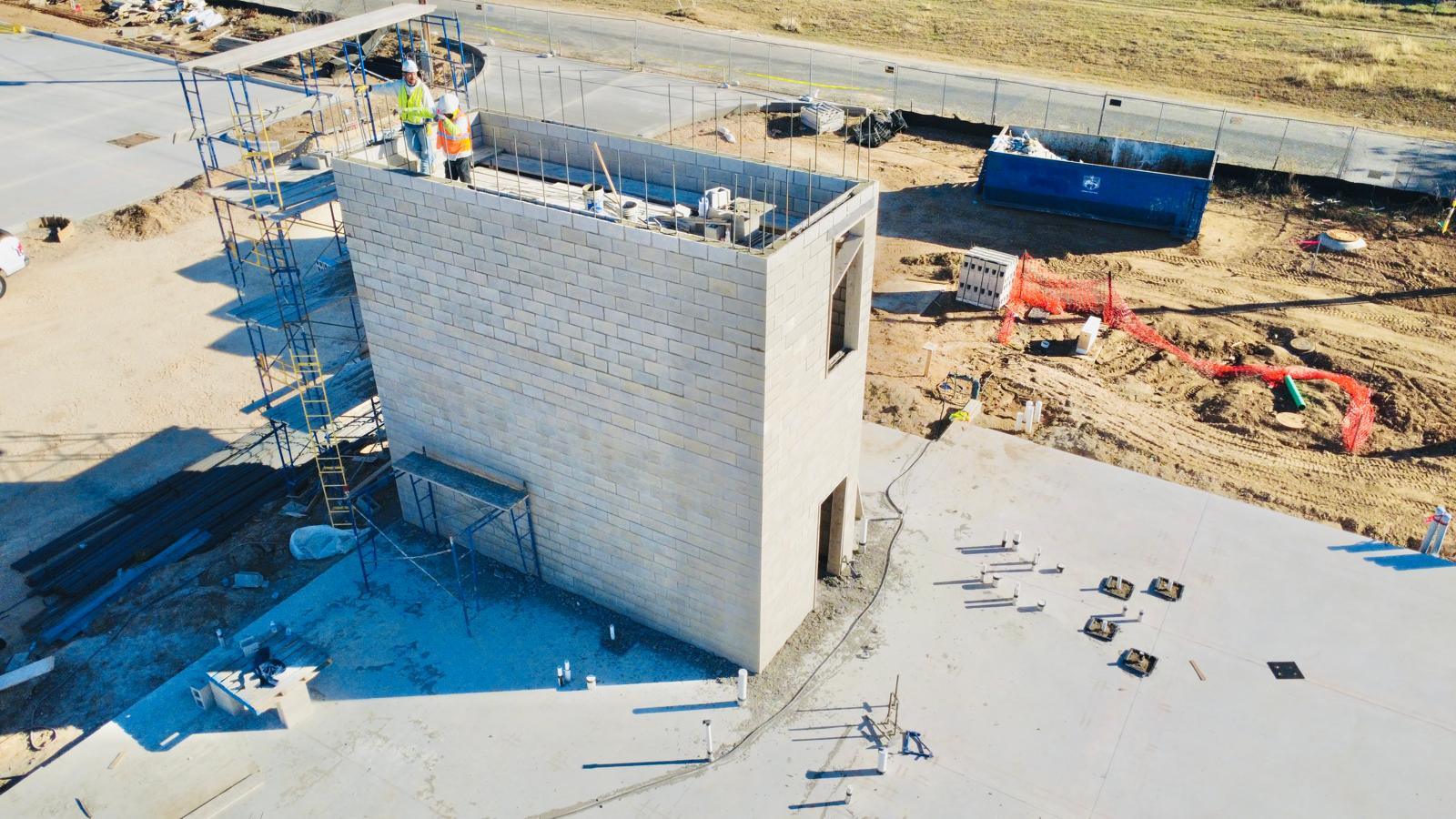
Once a project breaks ground, your strategy shifts from discovery to monitoring. Keeping tabs on active construction sites helps you understand timelines, identify potential partners, and spot opportunities for subcontracting or supplying materials. While many projects are already awarded at this stage, tracking them provides valuable market intelligence and helps you see which developers, architects, and general contractors are most active in the area. Think of it as field research that informs your future business development efforts.
The good news is that the City of Arlington provides several public resources to help you see what’s happening. While these tools are often designed for residents, a savvy contractor can use them to gain a competitive edge and keep a pulse on the local market. Here’s how you can use these public-facing resources to your advantage.
Your first stop for a high-level overview should be the city’s official channels. The City of Arlington maintains a Project Tracker that details everything from street maintenance to large-scale, voter-approved bond projects. You can use this tool to see where public funds are being allocated and which initiatives are moving forward. While it won’t show you every private development, it’s an excellent resource for understanding municipal priorities and identifying potential public-sector or subcontracting opportunities. It helps you see the bigger picture of the city’s growth and where your services might fit in.
Information moves fast, and staying informed requires a direct line to the source. Subscribing to the city’s official newsletter, MyArlingtonTX News, is a simple way to get updates sent straight to your inbox twice a week. This is more than just general news; it often includes announcements about project milestones, public meetings, and upcoming infrastructure work. Reading these updates helps you stay current on project timelines and community discussions. It’s a low-effort way to monitor the rhythm of the city’s development and catch announcements you might otherwise miss.
Beyond static maps and newsletters, the city offers digital tools that can provide more immediate, ground-level intelligence. For example, the city publishes a list of current street closures related to construction. For a contractor or supplier, this isn’t just a traffic update—it’s a real-time signal of where work is beginning or progressing. Monitoring these closures can alert you to a project moving into a new phase, which might signal a need for specific trades or materials. It’s a practical way to see exactly where and when things are happening on the ground.
Once you’ve identified a promising project, the next step is to understand its timeline. Every construction project moves through distinct phases, from planning and design to groundbreaking and completion. Knowing where a project is in its lifecycle helps you determine the right time to connect with key players and present your services. Arlington’s development landscape is a mix of projects on the fast track and others that are years in the making. This variety is great for business, as it allows you to build a pipeline that includes both immediate work and long-term, relationship-based contracts. By mapping out these timelines, you can align your business development efforts with the project’s schedule, ensuring you show up at the perfect moment.
Short-term opportunities are projects that are either breaking ground soon or are already underway. These are your bread-and-butter jobs that keep crews busy and revenue flowing. For example, projects like the South Eads Street improvements, which began in August 2024, or the Transitway Extension, with construction starting in spring 2025, are prime targets. With an expected completion in mid-2026, there are still plenty of chances for subcontractors and suppliers to get involved. When you see projects with an estimated "1 million construction man-hours," you know there's a significant need for labor and materials. The key is to act fast, as the primary teams are already in place. Using a tool like Mercator's Free Permits App can help you spot newly issued permits, signaling that work is about to begin.
While immediate jobs are essential, long-term projects are where you can build lasting partnerships and secure future growth. These are the developments on the horizon, giving you time to strategically position your company. Think of projects like One Rosslyn, with construction anticipated to begin in 2026. These opportunities are perfect for getting your products specified or for building relationships with the general contractor long before the first shovel hits the dirt. Tracking early-stage indicators like rezoning applications and land sales is the best way to find these projects. Getting in at this stage allows you to become a trusted partner rather than just another bidder. Successful firms often build their strategy around a mix of short-term wins and these larger, multi-year contracts.
Finding a project early is only the first step. The real advantage comes from turning that early signal into a strong relationship. In construction, deals are won by people who have built trust and credibility long before a bid is ever submitted. It’s about getting to know the key players, understanding their needs, and positioning yourself as the go-to partner for projects in Arlington. This means moving beyond just watching a project tracker and actively engaging with the community and the teams shaping the city’s future. Here’s how you can start building those essential connections.
Before you can build a relationship, you need to know who to talk to. For any given project, your goal is to identify the owner, architect, engineer, and other key consultants. Start by reviewing public documents associated with projects you’re tracking. The City of Arlington’s Project Tracker often lists project managers and city contacts. For private developments, look at permit applications, which typically name the architect and owner. Once you have names, you can use professional networks like LinkedIn to learn more about their roles and past projects. Mapping out this project team early allows you to make strategic introductions and understand the power dynamics from the outset.
Showing up is half the battle. Pre-bid meetings are invaluable, not just for clarifying project scope but for seeing who else is in the room. It’s your chance to meet potential partners, size up the competition, and ask intelligent questions that get you noticed by the project owners. Beyond specific project meetings, make it a point to attend local industry events. Organizations like TEXO and other regional construction associations host forums and networking events that bring together Arlington’s most active developers, contractors, and suppliers. Consistent attendance at these functions builds familiarity and establishes you as a committed member of the local construction community.
Building a direct line of communication with city staff can give you a deeper understanding of Arlington’s development pipeline. Your goal isn’t to lobby, but to learn. Attend Planning and Zoning Commission meetings to hear about projects before they’re even formally announced. These meetings provide insight into the city’s long-term vision and the types of projects that get approved. You can also reach out to the Planning and Development Services department to understand zoning regulations and future land use plans. By engaging respectfully and professionally, you position yourself as a helpful resource and a potential partner for the city’s growth, not just another contractor looking for a job.
Getting ahead in Arlington means more than just finding the project; it means understanding the potential roadblocks before they appear. Every project comes with its own set of challenges, but in a rapidly growing area like Arlington, you can count on a few common hurdles. By preparing for these issues—from navigating city hall to managing a crowded job site—you can build smarter, create more accurate bids, and protect your bottom line. A little foresight goes a long way in turning potential problems into manageable tasks.
Every city has its own rhythm for permitting and regulations, and Arlington is no exception. While the long-term construction outlook remains strong for sectors like data centers and manufacturing, it’s crucial to stay on top of the local regulatory climate. For instance, new commercial construction valuations in Arlington saw a significant drop recently, which can influence project viability and the scrutiny of permit applications. Keeping a close eye on these shifting trends helps you set realistic timelines and budgets, ensuring you’re not caught off guard by unexpected fees or delays.
Arlington is buzzing with activity, which is great for business but can be a headache for logistics. Major infrastructure projects, like the ongoing Transitway Extension, can impact traffic patterns and site access for months or even years. When you’re bidding on a project, factor in potential delays from nearby roadwork. With an estimated one million construction man-hours expected to be worked on some of the area's largest road projects, planning for workforce movement, material deliveries, and equipment staging is absolutely essential. A well-thought-out logistics plan is your best defense against costly downtime.
Knowing who you’re up against is just as important as knowing the project details. Arlington’s development is heavily influenced by community-focused initiatives and major planning corridors that concentrate new investment. Areas like the Rosslyn-Ballston Metro Corridor are hubs of activity, drawing in significant competition. Understanding where these major planning corridors are and what types of community projects are being prioritized allows you to position your company more effectively. You can tailor your bids, highlight relevant experience, and focus your networking efforts where they’ll have the most impact.
Getting ahead of the competition in Arlington isn’t about having a crystal ball; it’s about knowing where to look for the earliest signals of a new project. While your competitors are waiting for projects to hit public bid sites, you can get a head start by tracking the upstream activities that happen months or even years before a shovel ever hits the ground. By focusing on pre-construction indicators, you can identify opportunities, build relationships with key players, and position your business as the go-to partner long before the project is common knowledge. This proactive approach is what separates the industry leaders from the followers. It’s about turning data into conversations and early insights into signed contracts.
Permit data is one of the most reliable early indicators of a construction project. Before any significant work can begin, plans must be submitted and approved by the city. By keeping a close eye on these filings, you can see exactly what’s being planned, who’s involved, and where it’s happening. Analyzing trends in permit valuations can also give you a pulse on the market, showing you whether commercial or residential projects are on the rise. You can manually search the city’s public records, but sifting through hundreds of applications is time-consuming. Using a tool that automatically tracks and alerts you to relevant permits, like Mercator's Free Permits App, lets you focus on the opportunities instead of the search.
Even before a permit is filed, a project begins with the land itself. Rezoning applications and land development proposals are some of the earliest signs of a developer’s intent. When a developer seeks to change a property’s zoning from residential to commercial, for example, it’s a clear signal that a new project is on the horizon. You can stay informed by following the agendas for Arlington’s Planning and Zoning Commission meetings. These discussions often reveal details about large-scale projects long before they are formally announced, giving you a critical window to connect with the owners and developers involved and understand their vision for the property.
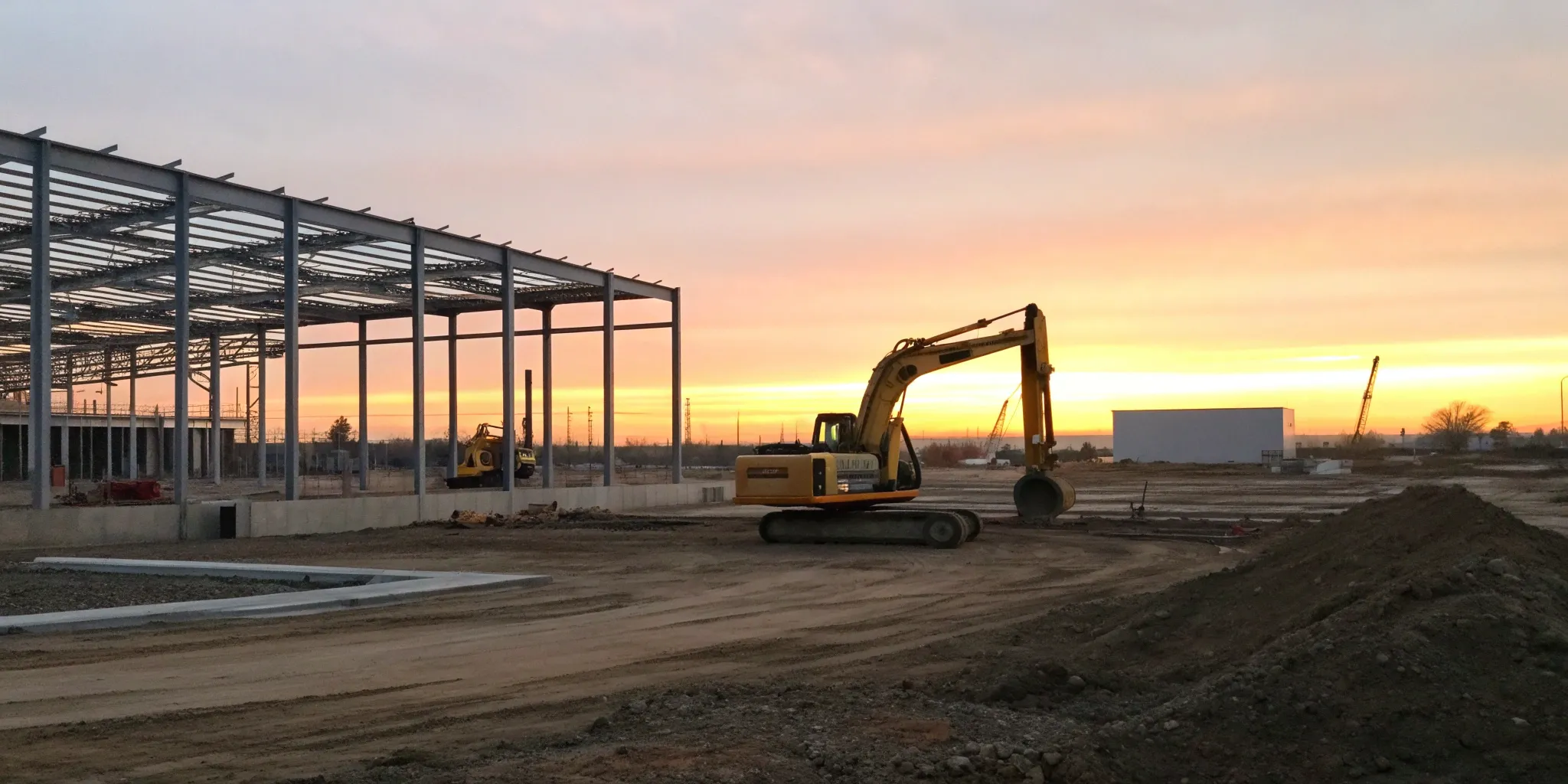
Some of the most valuable project signals aren’t found in documents but on the ground. Pay attention to early-stage site work and public infrastructure upgrades. When you see crews performing geotechnical surveys, soil testing, or clearing a vacant lot, it’s a strong sign that development is imminent. Similarly, city-led projects like new sewer lines, road widening, or streetscape improvements are often precursors to private development. The city invests in infrastructure to support future growth, so tracking these public works projects can help you predict where the next wave of private construction will occur. By connecting the dots between public investment and private opportunity, you can anticipate development patterns and get in front of the right people.
Arlington’s construction landscape is diverse, offering a wide range of project types for general contractors and suppliers. Whether you specialize in large-scale commercial builds or detailed public works, there’s a place for your business. The key is to understand where the opportunities are concentrated so you can focus your business development efforts effectively. By breaking down the city’s project pipeline into distinct categories, you can identify your ideal niche and start tracking the right leads long before they hit the open market. Let's look at the three main areas of development shaping the city.
Arlington consistently invests in its public infrastructure, creating a steady stream of opportunities in roadwork and civil construction. These projects range from general street repairs and maintenance to major voter-approved bond initiatives that reshape entire corridors. The city is transparent about many of these efforts, even providing a public Project Tracker to keep residents informed. For contractors, this means a predictable pipeline of work. Getting ahead involves more than just watching public dashboards; it requires tracking the early planning and funding discussions that signal which multi-year contracts are on the horizon. This is where you can build relationships and position your team as the go-to expert for municipal projects.
While public projects offer stability, the private sector is where you'll find some of Arlington's most dynamic growth. In recent years, the city has seen over half a billion dollars in new construction annually. Even as market trends shift, major commercial developments continue to break ground, like the $144 million Medical City Arlington project. This sector includes everything from multifamily housing complexes and single-family subdivisions to retail centers and office buildings. Success in this space depends on early intelligence. By tracking title transfers, rezoning applications, and early permit activity, you can identify private projects months before your competitors even know they exist, giving you a critical window to connect with developers and owners.
Beyond roads and buildings, Arlington is dedicated to enhancing its residents' quality of life through community-focused projects. This category covers a broad scope of work, including the development of new parks, multi-use trails, and public plazas. It also includes essential utility upgrades and beautification efforts like improved street lighting, landscaping, and the installation of local artwork. These projects are perfect for specialized subcontractors and GCs who excel at community-centric work. Building a reputation in this niche can lead to consistent contracts, as these improvements are often part of the city’s long-term capital improvement plans and are highly valued by local stakeholders.
Finding out about a project when the RFP is released means you’re already behind. The real advantage comes from spotting opportunities months or even years in advance, giving you time to build relationships and position your company as the perfect partner. Getting ahead of the competition in Arlington requires looking at the upstream signals—the early-stage planning, budgeting, and zoning activities that precede any groundbreaking.
By tapping into municipal resources, you can create your own pipeline of future projects. This proactive approach allows you to connect with developers, architects, and owners while they are still shaping the project's scope and making key decisions. Instead of reacting to the market, you’ll be anticipating its next move. We’ll walk through three key strategies you can use to monitor the city’s plans and identify where the next wave of development will occur.
The earliest public discussions about new developments happen at Planning and Zoning Commission meetings. These sessions are where developers present initial concepts, request land use changes, and seek approval for their plans. By regularly reviewing the agendas for the Arlington Planning and Zoning Commission, you can learn about major projects long before they are widely publicized. Pay attention to proposals for new subdivisions, large-scale commercial sites, and mixed-use developments. The meeting minutes can provide valuable context on the project's scope, key stakeholders, and potential timeline, giving you a significant head start.
If you want to know where Arlington is investing for the future, look at its budget. The city’s Capital Improvement Program (CIP) outlines planned spending on public infrastructure—like roads, water systems, and public facilities—over the next several years. These documents are a roadmap for growth, as new infrastructure often supports and encourages private development. The City of Arlington releases development profile reports that detail ongoing and upcoming projects. Analyzing these reports helps you anticipate which areas are primed for new construction and where your services will be needed most.
A zoning change is one of the strongest pre-construction signals you can find. When a parcel of land is rezoned—say, from agricultural to commercial or from single-family to multi-family residential—it’s a clear indicator that a new type of development is on the horizon. You can track these applications and approvals through the City of Arlington’s zoning department. Monitoring these shifts allows you to identify the specific properties being targeted for development and the owners behind them. This early intelligence is crucial for initiating conversations with the right people at the very beginning of the project lifecycle.
Where’s the best place to start looking for Arlington projects? The best place to start depends on your timeline. If you need to fill your schedule now, your best bet is to monitor the city’s public project trackers and newly issued building permits for work that is about to begin. If you’re focused on building a strong pipeline for the next year or two, you should shift your attention to earlier signals like Planning and Zoning Commission agendas and Capital Improvement Plans. These resources show you what’s on the horizon long before the work goes out to bid.
How can I find projects before they're publicly announced? Finding projects before they become common knowledge is all about tracking pre-construction activity. The earliest signs of a new development are often rezoning applications and land sales. When a developer moves to change a property’s land use, it’s a clear signal of their intent. By following these early administrative steps, you can identify the project owner and location months, or even years, before a formal announcement is made, giving you a huge head start on building a relationship.
I'm a subcontractor. How can I use this information to win more work? For subcontractors and suppliers, getting in early is even more critical. Instead of just bidding to a GC who has already won the job, tracking projects from the beginning allows you to connect with the architects and owners during the design phase. This is your opportunity to get your services or products specified into the project plans. It also helps you identify which general contractors are most active in Arlington so you can focus on building relationships with the teams that are consistently winning the types of projects you want to be on.
What's the biggest mistake companies make when trying to win work in Arlington? The most common mistake is being reactive. Many firms wait for a project to appear on a public bidding site before they take action. By that point, you’re already behind. The decision-makers have likely been talking with other contractors for months, and you’re left to compete almost entirely on price. The most successful companies are proactive; they track early signals, build relationships before an RFP is ever written, and establish themselves as trusted partners, not just another bidder.
Is it really worth my time to track city planning commission meetings? Absolutely. Think of these meetings as a free source of market intelligence. This is where you learn about a developer's vision, hear concerns from the community, and understand the city's priorities for a specific area. This context is invaluable. It helps you understand the "why" behind a project, which allows you to have much more meaningful conversations with the project team and tailor your proposal to address the project's true goals, not just the specs on a blueprint.


.png)