
Case Studies


In a market as fast-moving as Austin, the best opportunities are often won long before they become public knowledge. If you’re waiting for a project to hit the street, you’re already behind. The most successful firms get ahead by identifying promising projects at their earliest stages—when land is sold, rezoning applications are filed, or initial permits are pulled. This guide is your playbook for adopting that proactive approach. We’ll examine the most significant Austin commercial construction projects and, more importantly, show you how to get in front of them. It’s about shifting your strategy to win more work by being the first one in the door.
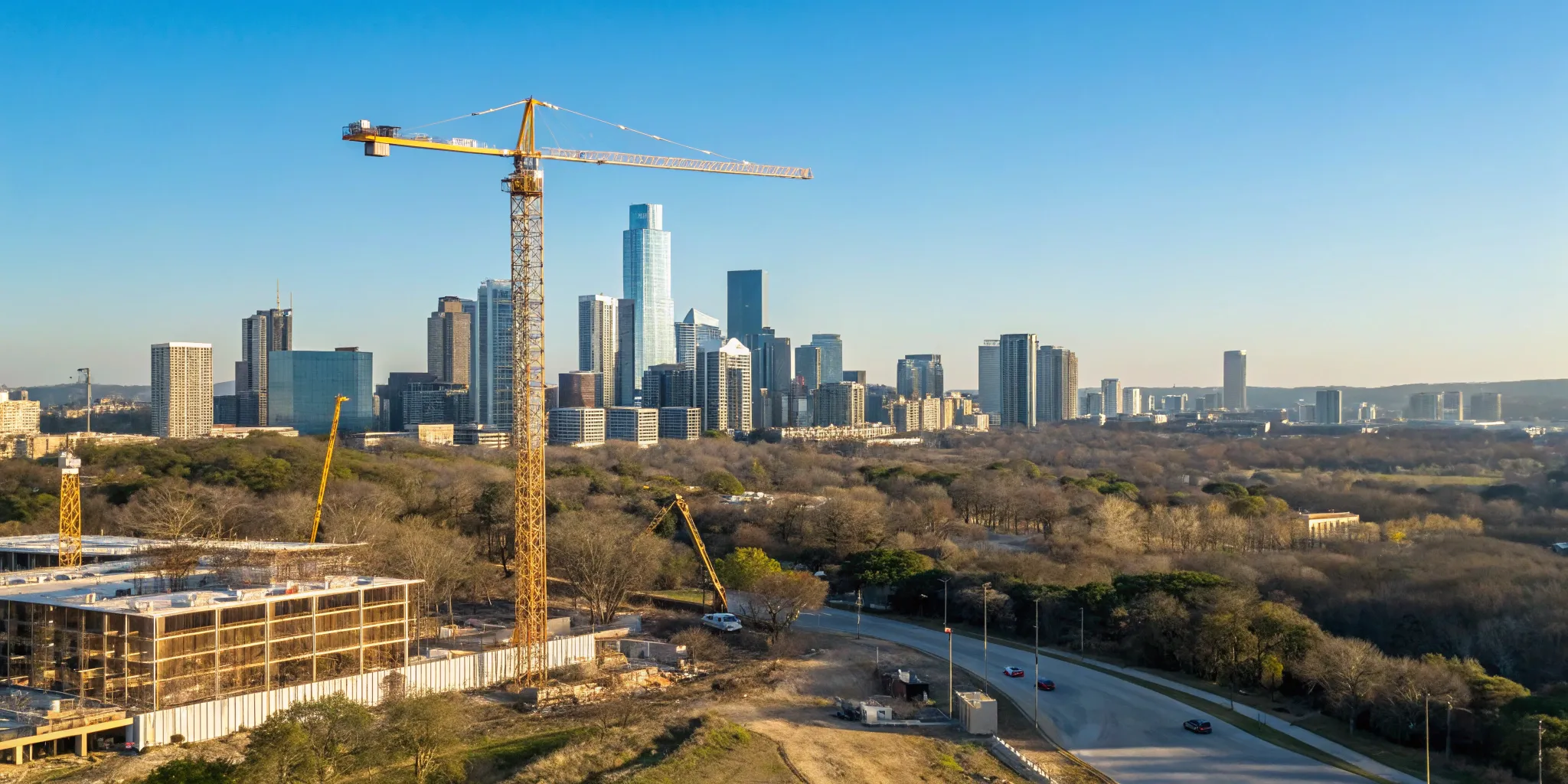
Austin's skyline is in a constant state of transformation, and for anyone in the construction industry, it’s a landscape ripe with opportunity. From towering mixed-use developments to critical infrastructure projects, the city is buzzing with activity. Understanding the key projects taking shape is the first step to getting your foot in the door. It’s not just about knowing a new tower is going up; it’s about seeing the patterns—the shift toward urban density, the investment in public venues, and the growing need for specialized facilities like healthcare and industrial spaces.
This growth isn't random. It's a direct response to Austin's booming population and its status as a major tech and cultural hub. As a result, developers are launching ambitious projects that redefine neighborhoods and create a complex ecosystem of opportunities for general contractors, subcontractors, and suppliers. Whether your specialty is in large-scale public works, high-end residential towers, or state-of-the-art medical facilities, there’s a place for you in Austin’s future. Let’s look at some of the most significant projects and sectors defining the city's commercial construction market right now.
Public-facing projects are making a huge mark on the city, with the Austin Convention Center Expansion Phase II leading the charge. This is a massive undertaking valued at an estimated $1.15 billion, set to add 515,000 square feet of new space. A project of this scale is more than just a new building; it’s a signal of the city’s commitment to being a top destination for major events and conferences. For contractors and suppliers, this means a long-term pipeline of work, from foundational and structural needs to the intricate interior finishing and technological integrations required for a modern venue.
Austin’s "live, work, play" ethos is being built directly into its urban core. The city is seeing a surge in transformative developments that blend residential, office, and retail space into single, towering structures. A prime example is the proposed 480-foot tower on South Congress, which aims to deliver nearly 500 apartments and 40,000 square feet of office space. These projects are all about creating density and walkability, and they demand a high level of coordination between trades specializing in everything from luxury residential amenities to Class A office interiors and ground-floor retail build-outs.
As Austin's population grows, so does the demand for essential services like healthcare and education. This has fueled a steady stream of construction projects for new hospitals, clinics, and medical office buildings. Major local players like Austin Commercial are deeply involved in this sector, building the facilities that support the community's well-being. These projects are often complex, requiring specialized knowledge in medical-grade materials, sensitive equipment installation, and adherence to strict regulatory standards, creating unique opportunities for specialized subcontractors and suppliers.
Beyond the downtown core, Austin’s industrial sector is expanding rapidly. The rise of e-commerce, logistics, and manufacturing has created a strong demand for modern warehouse and distribution centers. These projects are critical to the city's economic infrastructure, supporting the supply chain for countless other businesses. Austin is also a key hub for commercial real estate investments, with a focus on versatile "mixed-use" industrial parks that combine light manufacturing, office, and even retail components. This sector offers a different but equally valuable set of opportunities for contractors focused on large-scale, functional construction.
Austin's skyline is a testament to its explosive growth, but the real story is in the variety of projects taking shape on the ground. The city's commercial construction landscape is incredibly diverse, moving far beyond any single category. It’s a dynamic mix of high-tech headquarters, innovative retail spaces, and essential infrastructure, all designed to support a rapidly expanding population and a thriving economy. For general contractors, subcontractors, and suppliers, understanding these key project types is the first step to identifying where the most valuable opportunities lie. From sprawling tech campuses in the "Silicon Hills" to forward-thinking, sustainable developments, the projects defining Austin's future require a specific kind of expertise and a forward-looking approach. Let's break down the major categories that are shaping the city.
It’s no secret that Austin is a major tech hub. This reputation is being built, quite literally, through the construction of sleek office buildings and expansive corporate campuses. These projects are designed to attract and retain top talent, housing everything from nimble startups to established global companies. The demand isn't just for traditional high-rises; it's for innovative workspaces with collaborative environments, cutting-edge amenities, and the robust infrastructure needed to power the tech industry. For construction professionals, this means opportunities to work on sophisticated projects that often become landmarks in the city's business landscape.
After a brief slowdown, Austin is seeing a significant increase in new retail construction projects. This boom is fueled by the city's growing population of young, affluent professionals who are looking for unique places to shop, dine, and socialize. Developers are responding by creating "experiential retail" destinations and mixed-use developments that blend storefronts with offices and residential units. This trend moves away from traditional strip malls and toward vibrant, walkable community hubs. Hotels and other hospitality projects are also on the rise, catering to both business travelers and the constant influx of tourists drawn to Austin's culture.
The tech boom has a ripple effect, creating demand for critical supporting infrastructure. As more companies rely on cloud computing and data processing, the need for secure, powerful data centers has skyrocketed. These highly specialized facilities are complex projects that require expertise in mechanical, electrical, and plumbing systems. At the same time, the shift in work culture has fueled the growth of co-working spaces. These flexible offices cater to freelancers, startups, and remote teams, offering a modern alternative to the traditional corporate environment and creating another niche in the commercial construction market.
In Austin, sustainability isn't just a buzzword—it's a core part of the city's identity. Initiatives like Austin Energy Green Building (AEGB) are pushing developers to innovate and build with the environment in mind. This focus is evident across all project types, from energy-efficient office towers to mixed-use developments incorporating green roofs and recycled materials. For contractors and suppliers, having a strong understanding of green building standards and sustainable practices is no longer a bonus; it's often a requirement. Demonstrating expertise in this area can provide a significant competitive edge when bidding on projects in the city.
Austin's rapidly changing skyline is more than just a collection of new buildings; it's a powerful engine for the local economy. Each new development, from sprawling tech campuses to mixed-use high-rises, creates a ripple effect that extends far beyond the job site. These projects are not only shaping the physical landscape but are also generating significant economic opportunities, funding community services, and laying the groundwork for the city's future prosperity. For general contractors, subcontractors, and suppliers, understanding this economic impact is key to seeing the full scope of opportunity in the market.
At its core, commercial construction is a major job creator. Every active project site represents direct employment for tradespeople, engineers, project managers, and administrative staff. But the impact doesn't stop there. In 2024 alone, the City of Austin's Economic Development Department supported over 27,000 jobs through its various programs and services, many of which are tied to the development sector. This boom provides stable, well-paying careers that support local families. As the industry continues to grow, it creates a sustained demand for a skilled workforce, offering long-term career paths for thousands of Austinites.
Beyond direct employment, commercial construction stimulates a wide range of local businesses. Material suppliers, equipment rental companies, and professional service firms all benefit from the constant activity. This spending circulates money throughout the local economy, supporting everything from neighborhood coffee shops to accounting firms. Furthermore, completed projects add significant value to the city's tax base. The property and sales taxes generated from new office buildings, retail centers, and residential towers help fund essential public services like schools, parks, and emergency services, contributing to the overall growth and well-being of the community.
Modern construction projects are focused on more than just function; they're designed to build communities. Austin's development landscape is increasingly defined by innovative mixed-use projects that blend residential, commercial, and entertainment spaces into vibrant, walkable neighborhoods. These developments improve the quality of life for residents by providing new amenities and public spaces. The city is also placing a strong emphasis on sustainable construction, encouraging green building standards that reduce environmental impact and create healthier living and working environments. This focus on thoughtful development ensures that as Austin grows, it becomes a more connected and livable city.
Rapid growth places a significant strain on existing infrastructure, particularly transportation networks. However, this challenge also drives crucial investment. The development boom often acts as a catalyst for necessary upgrades to roads, public transit, and utilities, ensuring the city can support its expanding population. These large-scale projects also signal a healthy, long-term pipeline of opportunities for construction firms. For companies that can get in early on these developments, the benefits extend for years, creating a stable foundation for business growth and a lasting legacy in one of America's most dynamic cities.
To build in Austin, you have to work with the city’s established systems. Understanding this process is the first step to planning realistic timelines and getting ahead of potential roadblocks. The City of Austin’s Development Services Department is the central hub for most commercial projects, managing everything from initial plan reviews to final inspections. Their goal is to ensure all new construction is safe, compliant, and well-integrated into the community.
For general contractors and suppliers, knowing the key stages of the city’s approval process gives you a major advantage. It helps you anticipate your client’s needs, understand project milestones, and identify when your services will be required. While every project is unique, they all follow a similar path through the city’s review, permitting, and inspection phases. Getting familiar with this workflow will help you position your business for success in Austin’s competitive market.
Every commercial construction project in Austin begins with a detailed plan review. Before any ground is broken, the city’s Commercial Building Plan Review Division checks your project plans to make sure they follow all applicable regulations. This is a non-negotiable first step that confirms your project’s design meets the city’s structural, safety, and land-use requirements. Getting ahead of this process starts with tracking development activity early, which you can do with tools like the Mercator.ai Free Permits App. By monitoring permit applications, you can see which projects are entering the pipeline long before they become common knowledge, giving you more time to prepare.
Once your initial building plans get the green light, the focus shifts to the property itself. The city conducts a site plan review to confirm the land is properly zoned for your intended use and that the project will integrate smoothly with existing infrastructure. According to the city’s guide on understanding the development process, officials examine everything from property lines to planned utility connections. This step ensures that the project not only stands on its own but also functions as a responsible part of the larger community. It’s a critical phase where the project’s relationship with its surroundings is clearly defined and approved.
Securing a permit is just the beginning. Throughout the construction process, you’ll have regular inspections to ensure all work complies with local, state, and national building codes. The city’s Development Services Department is tasked with overseeing this, conducting on-site checks to verify that construction aligns with the approved plans. These inspections are designed to protect public safety and ensure the final structure is sound. For contractors, this means maintaining high standards of quality and documentation at every stage. Passing these inspections is essential for keeping the project on schedule and moving toward completion without costly delays.
Austin’s construction market is thriving, but it’s not without its challenges. Developers and contractors often face significant regulatory hurdles that can affect project timelines and budgets. The city’s review and approval processes are thorough, and working through them requires expertise and patience. While these systems are in place to ensure responsible growth, they add a layer of complexity to every project. For firms looking to get ahead, early identification of opportunities is key. Understanding a project’s needs before it’s even public knowledge gives you the time to build relationships and prepare for these challenges, a strategy that many successful construction professionals use to win more work.
Austin's construction scene is electric, but it's not just about the high-profile projects. To succeed here, you need to understand the undercurrents—the challenges and trends that shape every bid and timeline. While the skyline is constantly changing with new towers and developments, the real story for general contractors and subcontractors is happening on the ground. It's about handling complex city regulations, finding skilled labor in a competitive market, and meeting some of the country's most progressive sustainability standards. These aren't just obstacles; they're the defining features of this market.
Knowing about a project is one thing, but understanding the environment it's being built in is what separates the winning bids from the rest. Will labor shortages delay your schedule? Are there specific green building certifications you need to plan for? How long will permitting really take? Answering these questions early helps you build more accurate proposals and manage client expectations from day one. By staying on top of these dynamics, you can better anticipate project needs, manage risks, and position your company to win the right kind of work. It’s about turning potential headaches into a competitive edge. Let's look at the key factors you'll encounter in the Austin market and how you can prepare your business to thrive.
It's no secret that finding skilled labor is one of the biggest hurdles in Austin. This shortage can stretch project timelines and drive up costs, putting pressure on everyone from GCs to specialty subs. As the city grows, the demand for experienced tradespeople only intensifies. This makes workforce development a critical conversation in the local industry. Companies that focus on training, retention, and building a strong team culture are not just surviving; they're creating a competitive advantage that will pay off for years to come.
Austin's rapid growth comes with complex regulatory processes. Getting projects through the city's development services can be a lengthy journey, with site plan reviews and zoning compliance often creating bottlenecks. These approval timelines can significantly impact your project schedule and budget. Understanding these hurdles early is crucial. It allows you to set realistic expectations with clients and proactively manage the pre-construction phase. This foresight gives you a much-needed head start before ground is even broken and shows clients you're prepared for the local landscape.
After a brief slowdown, retail construction is making a major comeback in Austin. This isn't just about traditional strip malls; we're seeing a surge in mixed-use developments that blend retail, residential, and office space. This trend creates a fresh pipeline of opportunities for firms specializing in everything from site development to interior finishing. For general contractors and suppliers, this resurgence of retail means it's time to reconnect with developers in this space and get your services in front of them as they plan their next big project.
Green building isn't just a buzzword in Austin—it's a core requirement. The city is a leader in sustainable construction, pushing for high standards in energy efficiency, water conservation, and responsible material sourcing. For contractors, this means staying current with programs like Austin Energy Green Building (AEGB) and understanding the latest in sustainable practices. While these standards add a layer of complexity, they also offer a chance to stand out. Firms that build expertise in green construction are well-positioned to win high-value projects and attract clients who prioritize sustainability.
Winning work in a competitive market like Austin means shifting from a reactive to a proactive strategy. Instead of waiting for projects to hit the street, the most successful firms get in front of opportunities long before they become public knowledge. This involves identifying promising projects early, building the right relationships, understanding market trends, and using technology to connect the dots. Here’s how you can get ahead and secure your next big project in Austin.
In a fast-moving market, timing is everything. By the time a project is publicly announced, you’re already behind. The key is to spot opportunities at their earliest stages—when land is sold, rezoning applications are filed, or initial permits are pulled. For example, in Austin, areas near Project Connect, Velocity, and East Village are ripe with opportunities for new construction. Getting visibility into these deals requires moving upstream. Instead of relying on bid boards, you can track early-stage indicators like title transfers and permit activity to identify potential projects months, or even years, before your competitors know they exist. This head start gives you the time to prepare a thoughtful proposal and build relationships before anyone else.
Construction is a relationship-driven business. Knowing the right people—the developers, architects, and engineers behind a project—is just as important as knowing about the project itself. Austin's commercial construction landscape is incredibly diverse, featuring everything from tech offices to mixed-use developments. This means a wide network of decision-makers is shaping the city. By identifying projects early, you also identify the key players involved. This gives you a critical window to connect with them, understand their needs, and position your company as the ideal partner before the project goes to bid. Building these strategic relationships early is your best bet for getting specified and winning the work.
To build a sustainable pipeline of work, you need to see the bigger picture. Understanding the key projects and trends shaping downtown is the first step to getting involved and building the future of Austin. Major developments don’t just represent single opportunities; they signal long-term trends and create a ripple effect of related projects. Following these large-scale projects reveals a pipeline of opportunities for firms specializing in everything from high-rise construction to site development. By analyzing development patterns, you can anticipate where the next wave of growth will occur and strategically position your business to meet that future demand. It’s about playing chess, not checkers.
Manually tracking every lead and relationship is impossible in a market as active as Austin. This is where technology becomes your unfair advantage. Modern platforms can help you monitor thousands of data points in real-time, from permit applications to zoning changes. For instance, as the city places a strong emphasis on sustainable construction, you can use technology to identify projects with green building requirements. An AI-powered platform can connect these data points, map out your existing network, and show you the hidden path to your next opportunity. Leveraging these tools helps you work smarter, not harder, and gives you the competitive edge needed to thrive.
How can I find out about these projects before they're common knowledge? The key is to shift your focus from bid boards to early-stage signals. Instead of waiting for a project to be publicly announced, start tracking indicators like land title transfers, rezoning applications, and preliminary permit filings. These actions happen months or even years before construction begins and give you a significant head start. Following these early clues allows you to identify the opportunity and the key players involved long before your competitors are even aware of the project.
With all the city regulations, how can I avoid getting bogged down in the permitting process? You can't skip the city's process, but you can certainly prepare for it. The biggest challenge with Austin's regulatory hurdles is being caught off guard by the timelines. When you identify a project in its infancy, you have a much longer runway to understand its specific zoning and permitting requirements. This foresight allows you to build more accurate schedules, set realistic expectations with clients, and prepare your team for what's ahead, turning a potential roadblock into a manageable part of the plan.
Is it better to focus on one type of project, like retail or tech, or should I diversify? There isn't a single right answer, as it depends on your company's expertise. However, the smartest strategy is to follow the trends. Right now, Austin is seeing a huge push toward mixed-use developments that blend retail, office, and residential spaces. This means that even if you specialize in one area, like office interiors, you can find work within these larger, more diverse projects. Pay attention to the patterns of development to see where your specific skills can add the most value.
You mentioned building relationships is key. Where do I start if my network is small? Starting small is perfectly fine; the goal is to be strategic. Use early project information as your reason to connect. When you identify a potential development before it's widely known, you also identify the architects, engineers, and developers involved. This gives you a perfect, timely reason to introduce yourself and your company's work. A targeted introduction based on a real, upcoming project is far more effective than a generic cold call.
How important are green building standards for actually winning a bid in Austin? They are incredibly important and often non-negotiable. In Austin, sustainability isn't just a preference; it's a core part of the city's development identity, driven by programs like Austin Energy Green Building (AEGB). Demonstrating your expertise in sustainable practices and materials is no longer a bonus feature—it's a baseline expectation. Treating it as a competitive advantage and highlighting your green building experience can be the factor that sets your proposal apart.


.png)