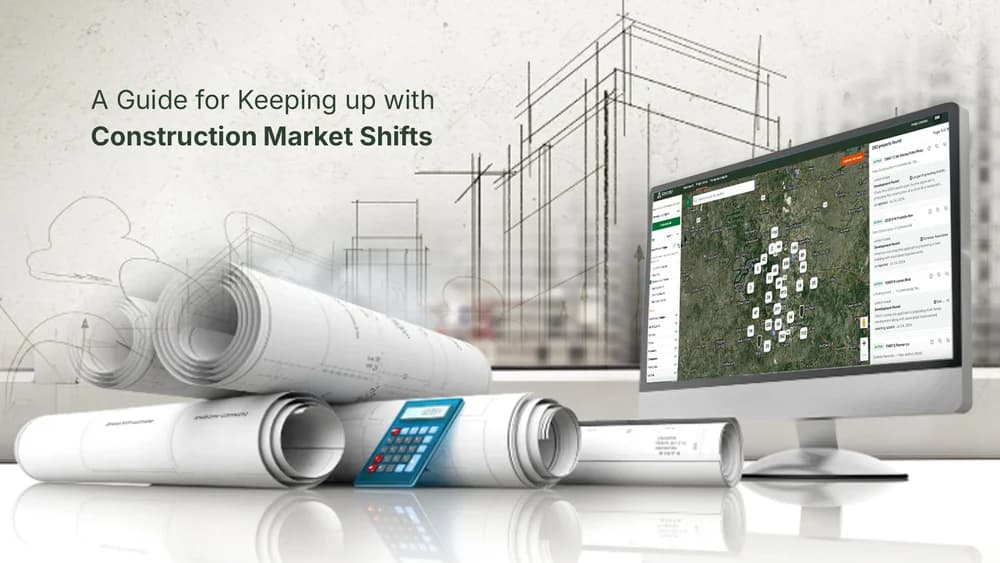

The most successful contractors don't wait for opportunities to come to them; they go out and find them. One of the most underutilized sources for finding new projects is public permit data. Every time a developer plans a new commercial build, an addition, or a major renovation, they have to file for approval. This means that tracking building permits in Indiana for commercial work gives you a direct line of sight into upcoming jobs, often months before the project goes to bid. This article will walk you through the entire Indiana permit process, from application to inspection, so you can stay compliant while using this data to get a critical head start.
Book a Live DemoKey Takeaways
- Get organized before you apply: Most permit delays stem from incomplete paperwork or overlooking local zoning rules. Double-check that you have all required documents and that your project meets city and county regulations before submitting to avoid having your application sent to the back of the line.
- Actively manage the process after submission: The permit process doesn't end when you hit submit. Stay prepared to address feedback from plan reviewers, schedule inspections at key construction milestones, and remember that work cannot begin until the official permit is posted on site.
- Use permit data to find your next job: Building permits are public signals for upcoming construction projects. Tracking this data helps you identify active developers and opportunities in your area, giving you a head start on building relationships before your competition is even aware of the project.
What Is a Commercial Building Permit in Indiana?
Think of a commercial building permit as the official green light from a local government agency to begin construction or renovation work in Indiana. It’s a legal document confirming that your project plans meet all the necessary local building codes, zoning laws, and safety regulations. Before you can break ground, you’ll need this approval in hand. For general contractors, subcontractors, and suppliers, a filed permit is more than just paperwork; it’s often the first public signal that a project is officially moving forward, creating a prime opportunity to connect and offer your services.
Getting a permit involves submitting a detailed application, providing all the required documents like architectural plans and site maps, and paying the associated fees. The goal is to ensure every aspect of the construction is planned safely and responsibly. The Indiana Department of Homeland Security oversees the state's building safety standards, and your project will need to align with their rules as well as local ordinances. Understanding the state's plan review process is a critical first step for any commercial project in Indiana.
Why Permits Are More Than Just Red Tape
Let's be honest, the permit process can sometimes feel like you're just navigating a maze of bureaucratic red tape. But these requirements serve a vital purpose that goes far beyond simple paperwork. At their core, permits are all about safety and compliance. They ensure that every new building, addition, or major renovation is constructed to a standard that protects public health and welfare. This oversight helps maintain the quality and integrity of our built environment.
Think of the plan review as a second set of expert eyes on your project. Local officials review your plans to catch potential code violations or safety issues before they become costly, time-consuming problems on site. Even after your plans are approved, inspectors will visit during construction to verify the work is being done correctly. As the city of South Bend outlines, you need a permit for a wide range of projects, from new structures to changes in how a building is used, ensuring every stage is properly regulated. This framework ultimately saves you from major headaches and liabilities down the road.
Does Your Indiana Commercial Project Need a Permit?
When it comes to commercial construction in Indiana, it’s safer to assume your project needs a permit than to hope it doesn’t. The scope of work requiring official approval is broad, covering far more than just ground-up new builds. Local building departments issue permits to ensure every project meets critical safety, zoning, and construction standards designed to protect workers, occupants, and the public. Getting this step right from the start prevents costly delays, fines, and stop-work orders down the line.
Think of the permit as the official green light for your project. Before you can break ground, knock down a wall, or rewire a system, you need to show the governing authority that your plans are sound and compliant. This process applies whether you're building a skyscraper in Indianapolis or remodeling a small retail space in South Bend. To help you figure out what applies to your work, let's walk through the most common project types that require a commercial building permit in Indiana.
New Construction
This one is the most straightforward: any and all new commercial construction in Indiana requires a building permit. Before your team can even think about site prep or laying a foundation, you must have an approved permit in hand. According to the City of South Bend, this involves submitting a complete application package with all necessary documents and fees to the local building department. For general contractors, this means factoring the application and review timeline into your pre-construction schedule. There’s no gray area here; if you’re building it from scratch, you need a permit first.
Additions and Interior Remodels
Permits aren't just for new structures. Any project that alters an existing building’s footprint or interior layout, like an addition or remodel, will also require one. This includes significant interior demolition to prepare a space for a new tenant, reconfiguring office walls, or adding a new wing to a commercial facility. Essentially, if you are changing the structure or layout, you need approval. Tracking these types of permits can be a great way to find new opportunities, as they often signal a tenant improvement or building upgrade. You can use Mercator's Free Permits App to monitor this activity in your area and get ahead of the competition.
Full Building Demolition
It might seem strange to need permission to tear a building down, but full building demolition absolutely requires a permit. This process is crucial for ensuring public safety and proper environmental protocols. The local authorities need to verify that the demolition will be handled safely, that utility lines are properly disconnected, and that debris will be disposed of correctly. Failing to secure a demolition permit before starting work can lead to immediate stop-work orders and significant penalties. It’s a non-negotiable step that protects your crew, the community, and your company from liability.
Change of Use or Occupancy
If a project involves changing how a commercial building is used, you’ll need a permit, even if no construction is planned. This is known as a "change of use" or "change of occupancy." For example, converting a former warehouse into a brewery or turning a retail storefront into a restaurant requires a permit. The reason is that different uses have different code requirements for things like fire suppression, emergency egress, accessibility, and parking. The permit process ensures the building is safe and suitable for its new purpose, protecting the business owner and their future customers.
Mechanical, Electrical, and Plumbing (MEP) Work
Subcontractors, take note: significant mechanical, electrical, and plumbing (MEP) work often requires a separate permit. This isn't just for new builds; it also applies to major upgrades in existing buildings. Installing a new commercial HVAC system, setting up solar panels, adding electric vehicle chargers, or overhauling a building's plumbing all fall into this category. These permits ensure that the work is performed to code by qualified, licensed professionals. For GCs, it’s important to confirm your MEP subs have secured the necessary permits before they begin their portion of the project. Many of our customers are specialty contractors who use permit data to find exactly these kinds of jobs.
What You'll Need for Your Indiana Permit Application
Getting your permit application right the first time saves you from frustrating delays and potential re-submission fees. Think of it like prepping a job site: the more organized you are upfront, the smoother the entire project runs. Before you even think about submitting your application, it’s essential to have all your ducks in a row. This means gathering the right documents, understanding the costs involved, and making sure your plans align with state and local codes. Let’s walk through exactly what you need to prepare.
Gathering Your Documents
The single biggest cause of permit delays is an incomplete application. Many local offices will simply cancel your submission if a document is missing, forcing you to start the process all over again. To avoid this, create a checklist of everything required. While specifics vary by jurisdiction, you’ll almost always need a completed application form, detailed site plans, architectural drawings, and plans for your mechanical, electrical, and plumbing (MEP) systems. For more complex projects, you may also need structural calculations and energy code compliance forms. The City of Westfield, for example, requires all documents to be ready for upload before you can even begin the application, which is a great practice to follow everywhere.
Understanding Permit Fees
Permit fees are an unavoidable cost, so it’s best to factor them into your project budget from the start. These fees can vary widely depending on the project's size, valuation, and location. Most building departments calculate fees based on a sliding scale tied to the total cost of construction. You can typically find a detailed fee schedule on your local municipality’s website, which will also list accepted payment methods. For instance, the City of South Bend accepts major credit cards and clearly outlines its fee structure online. Always check for the most current fee information, as cities occasionally update their rates.
Meeting Zoning and Code Requirements
Your project must comply with both local zoning ordinances and state building codes. Indiana follows the 2020 Indiana Residential Code, which is based on the 2018 International Code, but your local jurisdiction may have additional amendments. It’s your responsibility to ensure your plans meet all these requirements. One critical thing to remember is that an approved plan doesn't give you a free pass. An inspector can still identify issues on-site during construction that need to be corrected. Staying current on the latest Indiana building codes and double-checking local zoning rules will help you prevent costly surprises down the line.
State vs. Local: Who Governs Your Indiana Permit?
When you’re working on a commercial project in Indiana, you’re dealing with a two-tiered system of oversight. Think of it this way: the state sets the foundational safety rules for everyone, while your local city or county adds its own specific requirements to the mix. Understanding who is in charge of what is the first step to a smooth permitting process. Getting this right from the start helps you avoid backtracking and keeps your project timeline from getting derailed by unexpected regulatory hurdles.
The State's Role: IDHS Standards
At the state level, the Indiana Department of Homeland Security (IDHS) is the main authority. The IDHS establishes the statewide building codes and safety standards that every commercial project must meet, no matter where it’s located. Their goal is to ensure consistency and safety across Indiana. The good news is that the IDHS provides a central resource for state-level requirements. You can find a comprehensive list of the necessary applications, forms, and permits directly on their website. This is your starting point for understanding the baseline codes your project’s design and construction must follow, from fire safety to structural integrity.
How City and County Rules Vary
This is where things get more specific. While the state sets the big-picture rules, your local city or county building department handles the actual application and approval process. And this is where you’ll find the most variation. For example, the documents and fees required in South Bend might be different from what’s needed in Indianapolis. Before you begin any work, you’ll need to submit a complete application package to the local building department. As the City of South Bend notes, this process can differ quite a bit between jurisdictions, so it’s essential to check their specific guidelines for building permits early on.
Local Rules: Zoning, Signage, and Land Use
Beyond the building codes, local governments have the final say on regulations that shape how a project fits into the community. This includes critical details like zoning ordinances, land use restrictions, and signage rules. These local requirements dictate what you can build, where you can build it, and what the final property can look like. For instance, the City of Westfield requires that all commercial permits be submitted through its dedicated online portal and provides guides to help applicants through the process. Always connect with the local planning or zoning department to confirm your project aligns with their master plan before you get too far down the road.
Your Step-by-Step Guide to Applying for a Permit
Step 1: Find the Right Permitting Office
First things first, you need to know who you're submitting your application to. Your project's location determines the correct permitting office. A great place to start is the Indiana Department of Homeland Security (IDHS), which serves as a central hub. The IDHS website can help you find the specific applications, forms, and permits you need and point you toward the right local authority, whether it's a city or county office. Pinpointing the correct jurisdiction from the get-go saves you from submitting paperwork to the wrong place and starting the process all over again. It’s a simple check that prevents major headaches down the line.
Step 2: Get Your Documents in Order
Nothing slows down a permit application like missing paperwork. Before you even think about submitting, get all your documents organized. While requirements vary slightly by municipality, you can generally expect to need a detailed site plan, stamped improvement drawings, building elevations, and specification sheets for any manufactured products. The City of Westfield provides a good checklist of what a commercial permit application often requires, giving you a solid template to work from. Having a complete package ready shows the plan reviewer you’re prepared and professional, which can help streamline the entire process and build a good rapport with the office.
Step 3: Submit Your Application
With your documents compiled, it’s time to submit your application. Many local governments in Indiana have modernized this process, allowing you to handle it without a trip to city hall. For example, cities like South Bend let you email your application packet directly to the building department. Before you send it off, double-check the municipality’s website. They often have specific online portals or updated instructions for submitting building permits that can make the process even smoother. Always confirm you're following the most current submission guidelines to avoid having your application bounce back for a simple procedural error.
Step 4: Handle Plan Review Feedback
Submitting your application kicks off the plan review phase. A reviewer will comb through your documents to check for compliance with state and local codes. It’s common to receive feedback or a list of corrections, so don't be discouraged if your plans aren't approved on the first pass. Address these comments promptly and thoroughly. It's also important to understand that an approved plan doesn't mean you're completely in the clear. An inspector might spot something on-site that wasn't apparent in the drawings, and you'll be responsible for fixing it. Think of the plan review as a collaborative step, not a final exam.
Step 5: Receive Your Permit
The final hurdle is receiving the official permit. You cannot break ground or begin any work until you have this document in hand. To get it, you’ll need to have addressed all plan review feedback, submitted any final revised documents, and paid all associated fees to the building department. Once you have that permit, make sure it's posted visibly at the job site as required by law. This piece of paper is your green light, confirming you’ve met the legal requirements to start building your project and move forward with confidence.
The Waiting Game: What Happens After You Apply?
You’ve done the hard work of preparing and submitting your application. Now comes the part that can feel the most challenging: waiting. After your application is in, it enters the plan review stage. This is where city or county officials examine your documents to ensure everything aligns with state and local codes. Understanding this phase is key to managing your project timeline and setting realistic expectations for your team and clients. It’s not just a passive waiting period; it’s a critical step where communication and readiness are essential.
How Long Does a Plan Review Take?
The timeline for a plan review can vary widely, from a couple of weeks for a simple project to several months for a complex new build. The speed depends on the jurisdiction's current workload and the intricacy of your plans. Reviewers may also send back comments or requests for revisions, which will require your response and add to the overall time. It’s a good idea to track permit activity in your area to get a feel for typical timelines.
Even once you get the initial go-ahead, remember that plan approval doesn't guarantee a smooth ride. As officials in Westfield, IN, note, "Approval of plans doesn't mean everything is fully compliant with all codes. More issues might be found during construction or inspection, and you'll need to fix them."
What an Approved Plan Really Means
Receiving notice that your plans are "approved" is a major milestone, but it is not a green light to break ground. An approved plan simply means your design documents meet the necessary code requirements on paper. You still need the actual permit in hand before any work can begin.
To get from plan approval to an issued permit, you typically need to pay all outstanding fees. As the city of South Bend explains, you must submit all documents and pay required fees before starting work. Once you have the physical permit, it must be posted visibly on the job site. This is the official signal that construction can start, and it’s when your project management skills truly come into play, coordinating with the subcontractors and suppliers you’ve lined up.
Getting Through Inspections: What to Expect in Indiana
Once your permit is in hand, the next phase of your project begins: inspections. This isn't just about checking boxes; it's about ensuring the safety and quality of your build every step of the way. Think of inspections as planned checkpoints that confirm your work meets Indiana's building codes and standards. Passing them smoothly is key to keeping your project on schedule and avoiding costly delays.
From the initial groundwork to the final walkthrough, each inspection verifies a different aspect of your construction. Understanding this process helps you plan your project timeline more accurately and prepare your team for what’s ahead. Let’s walk through the key milestones, how to schedule your inspections, and what you need to do to get that all-important Certificate of Occupancy.
Key Inspection Milestones
After your permit application is approved, your project will move into the construction phase, which is punctuated by several required inspections. These milestones are designed to catch any issues early, before they become bigger, more expensive problems. You’ll typically need to schedule these evaluations through a local government portal, like Westfield's Citizens Portal, after your application is processed.
Each inspection corresponds to a specific stage of construction, such as foundation, framing, plumbing, electrical, and HVAC. It’s your responsibility to call for an inspection when the work is ready to be reviewed. Getting familiar with your local jurisdiction's required inspection points at the start of a project will help you build them directly into your schedule, ensuring a much smoother workflow for you and your subcontractors.
How to Schedule Your Inspections
When it comes to scheduling, a little planning goes a long way. In many Indiana jurisdictions, inspections are conducted during standard business hours, often between 9 AM and 3 PM on weekdays. It's important to check the specific policies of your local building department, as some may offer more flexibility than others. For instance, while you might be able to request a specific time for a critical footing inspection, most other inspections will likely be scheduled for a general morning or afternoon window.
This means your site supervisor and relevant trade partners need to be prepared for the inspector to arrive at any point within that timeframe. Make sure the site is accessible and that someone is available to walk the inspector through the work. Building a good rapport with local inspectors can also be beneficial, as clear communication helps prevent misunderstandings and keeps the project moving forward.
Preparing Your Site (and Avoiding Re-inspection Fees)
A failed inspection is more than just a mark against your project; it’s a direct hit to your timeline and budget. Most jurisdictions charge a re-inspection fee, and the resulting delays can have a ripple effect on your entire construction schedule. The best way to avoid this is to ensure your site is fully prepared before the inspector arrives. This means the work being inspected must be 100% complete and the area must be clean, safe, and easily accessible.
Make sure ladders or scaffolding are in place if needed and that the approved plans are available on-site for reference. An inspector who can’t safely or effectively do their job is likely to fail the inspection, forcing you to reschedule and pay the fee. Taking an extra hour to prepare the site is a small investment that pays off by preventing unnecessary setbacks.
The Final Inspection and Your Certificate of Occupancy
The final inspection is the last major hurdle before your project is officially complete. This comprehensive review confirms that the entire building complies with all applicable codes, from fire marshal requirements to final site grading and cleanliness. Passing this inspection is your ticket to receiving the Certificate of Occupancy (CO), the legal document that allows the building to be occupied and used for its intended purpose. Without a CO, the doors can't open for business.
Before scheduling your final inspection, do a thorough walkthrough yourself. Use the commercial permit packet provided by your local building department as a checklist. It contains critical information about what inspectors will be looking for. Ensuring every item is addressed will help you secure your Certificate of Occupancy without last-minute surprises, allowing you to hand the keys over to the owner with confidence.
Avoid These Common Mistakes That Delay Your Permit
The permit process can feel like its own project, but a few common slip-ups are responsible for most delays. Getting your permit approved smoothly is all about preparation and paying attention to the details. Even the most experienced contractors can get tripped up by a simple oversight, leading to frustrating delays and budget adjustments. By knowing what to watch for, you can keep your project moving forward without getting stuck in administrative limbo. Let’s walk through the most frequent mistakes and how you can steer clear of them.
Missing or Incomplete Paperwork
This is the number one reason for permit application delays. Before you submit your application, make sure you have every single required document ready to go. Local permitting offices are strict; if your application is missing anything, it will get pushed to the back of the line or canceled altogether, forcing you to start over. Create a checklist based on the requirements from your specific permitting office. As the City of Westfield notes, you need all necessary documents ready for upload. Double-check that plans are correctly formatted, engineering reports are signed, and all forms are filled out completely. It’s a simple step that saves you weeks of waiting.
Forgetting to Check Local Zoning
Don't let a zoning issue derail your project before it even begins. Every city and county has specific zoning ordinances that dictate how land can be used. Your project must comply with these local rules, which cover everything from building height and setbacks to land use and parking requirements. Always check the local zoning regulations for your property before you invest significant time and money into the design phase. Getting ahead of this step ensures your project is viable from the start and helps you avoid costly redesigns or a flat-out denial from the planning department. This is where early intelligence on rezoning activity can give you a real competitive advantage.
Miscalculating Fees and Timelines
Permit fees and review timelines are moving targets. Fees can be updated annually, and a miscalculation could lead to your application being put on hold. For example, a city might adjust its fee schedule, so it's wise to confirm the current fees directly with the permitting office before you submit payment. Similarly, the timeline you’re given for a plan review is just an estimate. The complexity of your project and the department’s current workload can extend that waiting period. It’s smart to build a buffer into your project schedule to account for potential review delays instead of assuming a best-case scenario.
Starting Work Too Soon
It can be tempting to get a head start on site prep or demolition while you wait for the final approval, but starting work before you have the permit in hand is a costly mistake. As officials in South Bend make clear, you must have the approved permit before any work begins. If an inspector discovers unauthorized work, they will issue a stop-work order, which immediately halts all activity on site. This can lead to significant fines and may even require you to undo the work that was completed. You can use a tool like Mercator’s Free Permits App to track when permits are officially issued, so you know the exact moment you have the green light to begin.
Factoring Permit Timelines into Your Project Schedule
A project schedule without a realistic permit timeline is just a wish list. Getting that permit isn't a single step; it's a multi-stage process with its own set of potential hold-ups. Treating it as a simple waiting game can throw your entire project off track, so it's better to build buffer time in from the start.
Your timeline begins long before you submit the application. The initial phase involves gathering all necessary documents, from architectural plans to engineering reports. A single missing document can get your application kicked to the back of the line or even canceled, forcing you to start over. This is where you can lose weeks before the review even begins. Similarly, make sure you understand the fee structure and payment methods to avoid simple administrative delays.
Once submitted, the plan review period can vary widely depending on the jurisdiction's workload and the complexity of your project. It’s helpful to monitor local permit activity to get a feel for current processing times. You can use tools like the Mercator AI Free Permits App to track recently issued permits in your area and gauge realistic timelines. Even after your plans are approved, remember that this doesn't guarantee a smooth ride. Inspectors can find new issues on-site that require changes, so it's wise to account for potential fixes during the construction phase. Finally, factor in the logistics of scheduling inspections, which often happen within broad time windows and can impact your team's daily workflow.
Use Indiana Permit Data to Find Your Next Project
Think of building permits as more than just paperwork. They are a public roadmap to your next job. When a developer or owner files a permit for a new commercial project, they are essentially announcing their plans to build. For a savvy contractor, this data is a goldmine for spotting opportunities before they hit the open market and long before the ground is broken. By tracking permits, you can see exactly where the money is flowing, what types of projects are trending, and which developers are most active in your area.
Many Indiana municipalities make this information accessible online. The City of Westfield, for example, uses a public portal for its commercial building permits, which you can use to see what’s in the pipeline. Likewise, the City of South Bend offers online access to its list of building permit applications, giving you a direct look at the kinds of projects getting approved. Analyzing this data helps you identify potential clients and projects that are a perfect fit for your services, allowing you to reach out and start building a relationship early.
The only challenge is that manually digging through dozens of different city and county websites is a huge time sink. You could spend hours every week just trying to piece together a clear picture of the market. A more efficient approach is to use a tool that gathers this critical information for you. For instance, Mercator's Free Permits App consolidates permit data from across jurisdictions, giving you a single source to find and track new construction projects so you can focus on building relationships instead of doing research.
Related Articles
- What Is Permitting Activity? A Contractor's Guide
- Commercial Construction Permits: A Complete Guide
- Are Building Permits Public Record? A Texas Guide
Frequently Asked Questions
Why is my permit taking so long to get approved? The most common reasons for a slow approval are an incomplete application or a backed-up permitting office. If you submitted paperwork with missing documents or incorrect information, your application was likely put on hold until you provide the corrections. Another factor is simply the reviewer's workload. A complex new build will naturally take longer than a simple interior remodel, and if you apply during a busy construction season, you’ll be in a longer queue.
I submitted my application. Can I start clearing the site while I wait? No, you should not start any work, including demolition or site prep, until you have the official, approved permit posted at the job site. Starting work prematurely is a significant risk. If an inspector discovers unauthorized activity, they will issue a stop-work order, which halts everything immediately. This can result in hefty fines and may even require you to undo the work you’ve already completed, causing major delays and budget overruns.
What are the real consequences of a failed inspection? A failed inspection creates a ripple effect that goes beyond just paying a re-inspection fee. First, it brings that specific part of your project to a halt, which can delay the next trade in line and throw your entire schedule off track. Second, it costs you time and labor to fix the issue and prepare for the second inspection. Finally, repeated failures can damage your reputation with the local building department, potentially leading to more scrutiny on your future projects.
Do I really need a permit for a small interior remodel or just some MEP upgrades? It’s safer to assume you do. While cosmetic updates like painting or new flooring typically don't require a permit, any work that alters a building's structure, layout, or major systems almost always does. This includes moving walls, changing the use of a room, or performing significant electrical, plumbing, or mechanical work. These permits ensure that the work is done safely and to code, which protects you, the building owner, and future occupants from potential hazards.
Is there an easier way to track new permits besides checking every city's website? Yes, there is. Manually searching through dozens of different city and county websites is incredibly time-consuming and inefficient. A much better approach is to use a service that aggregates this data for you. Tools designed for the construction industry can consolidate permit information from across multiple jurisdictions into a single, searchable platform. This gives you a clear view of upcoming projects in your area so you can spend your time building relationships, not hunting for data.
.png&w=3840&q=75)