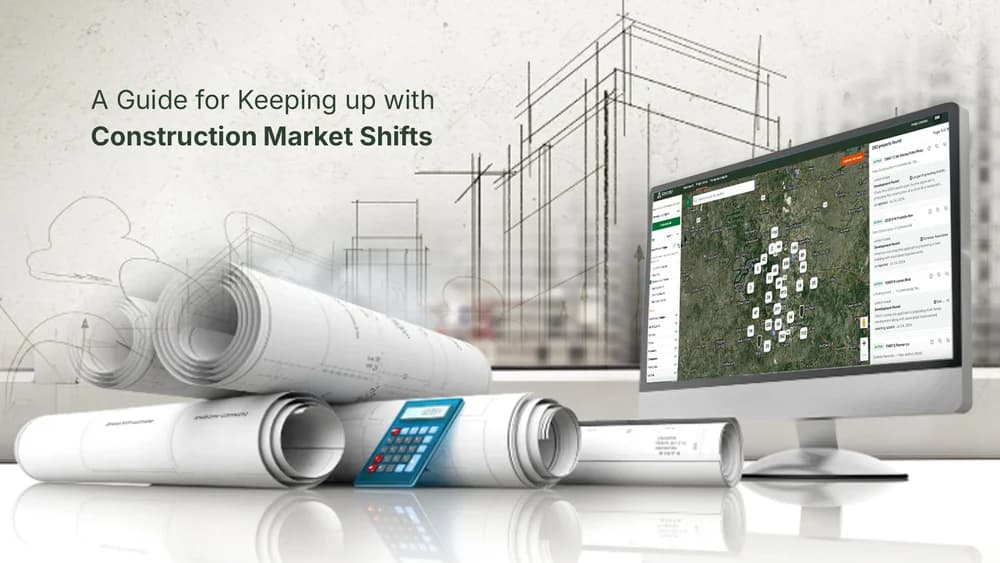

Construction has always been a relationship-driven industry. The best projects are often won not by the lowest bidder, but by the most trusted partner. When a developer or general contractor knows and respects your work, you move to the front of the line. But how do you build those critical relationships before the bidding process even starts? The key is getting upstream visibility into projects while they are still in the planning stages. This guide will show you how to find opportunities early, giving you the chance to connect with key decision-makers and build trust. It’s a strategy that transforms how you find construction bid leads in Indiana.
Book a Live DemoKey Takeaways
- Find projects before they become public bids: Get a competitive advantage by tracking early project signals like permit applications, rezoning activity, and property sales. This allows you to connect with decision-makers long before your competition knows a project exists.
- Build relationships to create your own opportunities: Construction is a relationship-driven industry, so invest time in networking with local associations and key players. A strong reputation can turn you into a preferred partner, leading to direct bid invitations and negotiated contracts.
- Submit a professional and precise proposal: A winning bid is more than just a low price; it shows you are a reliable partner. Ensure your bid is successful by verifying all local licensing requirements, calculating costs accurately, and tailoring your proposal to the client's specific needs.
Where to Find Construction Bid Leads in Indiana
Finding the right projects to bid on is half the battle. In Indiana, you have a mix of public portals and private platforms to source leads. The key is knowing where to look and which tool best fits your business goals, whether you're chasing large public works or trying to get in early on private developments. Using a dedicated platform not only saves time but also gives you access to project details that can give you a competitive edge. Here are some of the top places to find construction bid leads across the state, from traditional bid boards to AI-powered intelligence platforms.
Mercator.ai
If you want to find projects before they ever become public bids, Mercator.ai is the platform for you. Instead of just listing projects that are already out for bid, we use AI to analyze exclusive datasets, including real-time permit data, title transfers, and rezoning activity. This allows you to spot private construction projects months before the competition. Our platform helps you understand the relationships between developers, architects, and owners, so you can start building connections early. For general contractors and suppliers looking to get specified on projects, this upstream visibility is a game-changer.
PlanHub
PlanHub is a popular platform, especially for subcontractors and suppliers looking to connect with general contractors in Indiana. You can search for both public and private construction projects and submit your bids directly through the platform. It’s designed to help you find active GCs and build relationships for future work. The platform’s search functionality allows you to filter by project type and location, making it easier to find construction jobs that match your specific services and trade.
ConstructConnect
For contractors focused on the commercial sector, ConstructConnect is a valuable resource. It provides comprehensive access to project details, including plans, specifications, and lists of other bidders. This level of detail helps you prepare a more accurate and competitive bid. The platform’s robust filtering options let you narrow down opportunities by building type, construction division, and project stage. This makes it an efficient tool for finding relevant commercial construction projects in Indiana that align with your company’s expertise.
Dodge Data & Analytics
Dodge Data & Analytics is a long-standing name in the industry, offering a comprehensive database of projects that are ready for bidding. The platform allows you to search for opportunities in your specific local area, providing a complete list of projects and potential business leads. Dodge is known for its detailed project information and analytics, which can help you make more informed decisions about which projects to pursue. It’s a reliable source for finding a steady stream of construction projects for bid across Indiana.
Indiana Government Bid Portals
For public sector work, your first stop should always be the official government channels. The state’s Indiana Procurement portal serves as a centralized hub for contractors to find projects from state agencies and some local governments. These portals list a wide range of opportunities, from road and bridge work to new public buildings. While the interface may be less modern than private platforms, they are the definitive source for publicly funded projects and are essential for any contractor looking to work in the public sphere.
What Kinds of Construction Projects Can You Bid On in Indiana?
Indiana’s construction market is buzzing with activity, offering a diverse range of projects that cater to nearly every type of contractor. Thanks to a strong economy and steady population growth, the demand for new construction and renovations spans commercial, residential, public, and industrial sectors. This variety is great news for your business because it means you can find opportunities that perfectly match your team’s expertise and equipment. Whether you specialize in large-scale industrial facilities or custom residential builds, there’s a slice of the market for you.
Understanding this landscape is the first step to finding your niche and building a strong project pipeline in the Hoosier State. Instead of casting a wide, generic net, you can focus your bidding strategy on the types of jobs where you have the highest chance of success. This focused approach not only saves you time and resources but also helps you build a reputation as the go-to expert in a specific area. From bustling city centers to growing suburban communities, the opportunities are widespread. Knowing where to look and what to expect in each sector will give you a significant advantage over competitors who are just chasing any available lead. Let's break down the major project categories where you can find your next winning bid.
Commercial Construction Projects
The commercial sector in Indiana is a hotbed of opportunity, with projects ranging from sleek new office buildings and retail centers to hotels and medical facilities. As communities grow, so does the need for the businesses that support them. For general contractors and subcontractors, this means a steady stream of bids for everything from ground-up construction to tenant fit-outs. Platforms like ConstructConnect are excellent resources for finding these opportunities, often providing detailed project plans, specs, and even lists of other bidders. Having this information helps you craft a more competitive proposal by understanding exactly what the client needs and who you’re bidding against.
Residential Developments
With a growing population comes a high demand for housing, making residential construction a reliable source of work in Indiana. The opportunities aren't just in single-family homes; they also include multi-family apartment complexes, condominiums, and large-scale subdivision developments. According to industry data from platforms like PlanHub, this demand is expected to remain strong, ensuring a consistent pipeline of projects for residential builders, subcontractors, and suppliers. If your business specializes in framing, plumbing, electrical, or finishing work, the residential market offers a fantastic chance to secure consistent and profitable contracts across the state.
Public Works and Infrastructure
Government-funded projects provide another stable and significant source of construction work in Indiana. These public works initiatives include everything from critical infrastructure like roads and bridges to community-focused buildings such as schools, hospitals, and government offices. While these projects often come with specific compliance and bidding requirements, they also offer the security of government contracts. You can typically find these bids on the official Indiana government procurement portal, though many bid platforms also aggregate these listings for easier access. Getting familiar with the public bidding process can open up a whole new revenue stream for your company.
Industrial Projects
Indiana's identity as the "Crossroads of America" makes it a powerhouse for logistics and manufacturing, fueling a constant need for industrial construction. This sector includes massive projects like warehouses, distribution centers, and advanced manufacturing plants. These are often large, complex builds that require specialized skills and can be incredibly lucrative. Finding these opportunities early is key to getting your services specified. Using advanced search filters on bid platforms can help you zero in on industrial projects, allowing you to track opportunities that align with your company’s strengths in heavy construction and specialized systems.
What to Know About Indiana's Contractor Licensing
Before you can start bidding on projects in Indiana, you need to make sure your paperwork is in order. Licensing in the Hoosier State can feel a bit complex because requirements vary at both the state and local levels. Getting this right from the start is non-negotiable; it ensures you can legally operate and shows potential clients that you’re a credible, professional business. Think of it as the foundation for every project you hope to win. It’s not just about compliance, it’s about building trust and a solid reputation in a new market. Let’s break down exactly what you need to keep on your radar.
State-Level Licensing
In Indiana, the state government has a say in who gets to work on certain projects. The Indiana Professional Licensing Agency (IPLA) is the main organization that oversees licensing for many trades, including plumbers and electricians. While Indiana doesn't have a statewide license for general contractors, specific trades do require state-level certification. Each specialty has its own set of rules, exams, and educational prerequisites. It’s your responsibility to know which licenses apply to your specific scope of work. Laws can change, so staying current on the IPLA’s requirements is key to keeping your business compliant and ready to bid on any project that comes your way.
Local Licensing and Registration
This is where things get more specific. On top of any state rules, most cities and counties in Indiana have their own licensing and registration requirements. For example, if you’re planning to work in Indianapolis, you’ll need to register with the local authorities there. These local bodies often have additional rules about permits, inspections, and project standards that you must follow. Before you even think about placing a bid, your first step should be to contact the city or county clerk’s office where the project is located. This proactive check will save you from major headaches and potential disqualifications down the line.
Bonding and Insurance Requirements
Protecting your business, your team, and your clients is a top priority. Indiana law requires contractors to carry certain types of insurance and bonding to operate. General liability insurance is a standard requirement across the board, covering things like property damage or on-site injuries. For larger projects, you may also need to secure a performance bond, which guarantees you will complete the project as specified in the contract. Having the right coverage isn’t just about following the law; it’s a powerful way to show clients that you’re a reliable partner who stands behind their work, giving you a competitive edge.
Safety Regulations and Compliance
A safe job site is a successful job site. In Indiana, all contractors must follow the safety regulations established by the federal Occupational Safety and Health Administration (OSHA) as well as state-specific guidelines from Indiana’s own IOSHA. This isn't just a box to check; it's fundamental to your company's reputation and the well-being of your crew. Regularly training your employees, keeping safety equipment up to code, and maintaining a culture of safety awareness are essential. Clients notice this commitment. A strong safety record can be a deciding factor for clients choosing between bids, as it demonstrates professionalism and reduces their potential liability.
What to Look For in a Bid Lead Platform
Choosing a bid lead platform is a major step for your business development strategy. With so many options available, it’s easy to feel overwhelmed. The key is to find a platform that does more than just list public tenders. The right tool should act as a true partner, helping you find the right projects, get in front of decision-makers early, and manage your pipeline efficiently. A platform that simply scrapes data from public sites will only show you projects that everyone else can already see.
To gain a real competitive advantage, you need a solution that offers deeper insights and more powerful features. Look for a platform that aligns with your specific goals, whether you’re a general contractor looking for large commercial projects or a subcontractor specializing in a specific trade. The best platforms provide the tools to not only find opportunities but also to understand the context behind them. Below are four essential features to look for when evaluating your options.
Advanced Search and Filtering
Your time is valuable, and you can’t afford to spend it sifting through hundreds of irrelevant project listings. A platform with robust search and filtering capabilities is non-negotiable. You should be able to instantly narrow down opportunities by the criteria that matter most to your business. This includes essential filters like project location, construction type (commercial, residential, industrial), and specific trade.
Look for the ability to use keywords to pinpoint projects with unique requirements that match your expertise. The goal is to create a focused list of high-potential leads, so you can dedicate your resources to crafting winning proposals instead of searching for them. This level of precision ensures you’re only pursuing bids that are a perfect fit for your company.
Real-Time Project Alerts
In the construction industry, timing is everything. By the time a project is listed on a public bid board, you’re already competing with dozens of other firms. The best platforms give you a head start with real-time alerts that notify you the moment a new project matching your criteria appears. This could be a new building permit, a rezoning application, or a newly announced private development.
These instant notifications allow you to act quickly, research the opportunity, and begin outreach before your competitors even know the project exists. For subcontractors and suppliers, this early awareness is crucial for getting your services or products specified. You can monitor activity in your area with tools like Mercator’s Free Permits App to see how real-time data can provide a competitive edge.
Bid Management and Estimating Tools
Finding a lead is just the first step. The process of preparing and submitting a bid can be complex and time-consuming. Some platforms offer integrated tools that streamline this entire workflow. Instead of juggling multiple software programs for takeoffs, cost estimating, and proposal generation, you can manage everything from a single, centralized location.
While not every contractor needs this, having these features built-in can significantly improve your team’s efficiency and accuracy. It helps maintain consistency across your bids and reduces the risk of manual errors. When evaluating platforms, consider whether an all-in-one solution for bid management could simplify your process and free up your team to focus on winning more work.
Network Mapping and Relationship Tracking
Construction has always been a relationship-driven industry. Knowing the right people can often make the difference between winning and losing a bid. Modern bid platforms are moving beyond simple project lists to provide valuable insights into the key players behind each opportunity. They help you see the network of developers, architects, engineers, and general contractors involved in projects across your market.
This feature allows you to identify and build strategic relationships with active decision-makers. You can see who works with whom, discover hidden connections, and find new entry points for your business. As our customer stories show, understanding the project network helps you get in front of the right people long before a bid is ever announced.
How to Find Private Projects Before They Hit the Market
Getting a jump on private construction projects before they appear on public bid boards gives you a massive competitive advantage. Instead of reacting to widely circulated RFPs, you can proactively build relationships with decision-makers and influence project specifications from the start. This upstream approach means you’re not just another name on a long list of bidders; you’re a trusted partner. The key is knowing where to look for the earliest signs of development.
Track Land Development Activity
The earliest whisper of a new project often starts with land. Keep a close eye on rezoning applications, land sales, and variance requests filed with local planning departments. These documents are public record and can signal a developer's intent months or even years before ground is broken. Tracking this activity helps you identify potential projects and the key players involved long before your competitors do. While you can manually check municipal websites, the information is often scattered. A more streamlined approach is to use a service that aggregates this data, allowing you to spot opportunities across different counties without spending hours on research. This early intelligence is your ticket to getting in on the ground floor.
Monitor Permit Activity and Title Transfers
When a piece of commercial property changes hands, development is often on the horizon. Monitoring title transfers can give you a direct line to the new owner, creating an opportunity to introduce your services early. Similarly, building permits are concrete proof that a project is moving forward. Don't just wait for the main building permit to be issued. Early-stage permits for demolition, soil testing, or site grading are strong indicators that a project is active. By tracking these permits, you can identify the project scope and the owner before it becomes common knowledge. You can even start with a free permits app to get a feel for the activity in your area and see what projects are taking shape.
Use AI-Powered Platforms for Early Visibility
Manually tracking land records and permit data for every municipality in your service area is a full-time job. This is where AI-powered construction intelligence platforms come in. These tools automatically scan millions of data points, including title transfers, zoning changes, and permit applications, to deliver real-time alerts on new private projects. More than just a data dump, these platforms connect the dots for you. They identify the developers, architects, and engineers involved and can even map your network to find hidden connections to key decision-makers. This gives you the context needed to build relationships and position your company as the ideal partner, long before the project is ever put out to bid. Many general contractors are already using this approach to get ahead.
How to Win More Construction Bids in Indiana
Finding promising construction leads in Indiana is the first step, but turning those leads into signed contracts is what really matters. A winning bid strategy is about more than just numbers; it’s about showing the client you’re the right partner for their project. It requires a thoughtful approach that combines precision, persuasion, and professionalism. By focusing on a few key areas, you can significantly improve your win rate and build a stronger reputation in the Indiana construction market. Let’s walk through the essential steps to make your proposals stand out and secure more projects.
Tailor Every Proposal to the Client
Think of your proposal as a direct conversation with the project owner. A generic, copy-pasted bid won’t cut it. Instead, take the time to thoroughly understand the project's specific needs and the client's priorities. Read every line of the bid documents and address each requirement directly. Show them you’ve done your homework by referencing specific project details and explaining how your approach solves their unique challenges. This level of personalization demonstrates that you are genuinely invested in their project's success, not just in winning another job. This is a key part of turning a lead from a service like PlanHub into a successful bid.
Highlight Relevant Experience and Credentials
Your proposal is your chance to build trust before you even meet the client. Don't just say you're qualified; prove it. Showcase a portfolio of your most relevant past projects, especially those similar in scope, size, or complexity to the one you're bidding on. Include high-quality photos, project details, and, if possible, testimonials from those clients. Highlighting your team's certifications and credentials also adds a layer of credibility. By presenting a clear picture of your proven track record, you give the client the confidence they need to choose you. This is how you start to build strong business relationships that lead to repeat work.
Price Competitively and Justify Your Costs
Pricing is always a critical factor, but winning a bid isn't always about being the lowest number. Smart clients look for value, not just a bargain. Use accurate estimating tools to ensure your bid is both competitive and profitable. Instead of just submitting a final number, provide a clear, itemized breakdown that justifies your costs. This transparency helps the client understand exactly what they are paying for, from materials and labor to project management. When you can clearly connect your costs to high-quality work and a reliable process, your price becomes a reflection of value, not just an expense.
Follow Up After Submitting a Bid
Your work isn't over once you hit "send" on your proposal. A simple, professional follow-up can make a big difference. A few days after the submission deadline, send a brief email to confirm they received your bid and to thank them for the opportunity. This small gesture keeps your company top-of-mind and reinforces your interest in the project. It shows you're proactive and committed, qualities every client wants in a contractor. This follow-up isn't about being pushy; it's about continuing the professional conversation and demonstrating that you are ready and eager to move forward with the project.
Common Bidding Mistakes to Avoid in Indiana
Finding a promising project lead is just the first step. The real work begins when you prepare your bid, and this is where many contractors run into trouble. A rushed or poorly researched proposal can take you out of the running before you even have a chance to compete. Winning bids consistently means avoiding the common pitfalls that trip up your competition. It’s about submitting a proposal that is not only competitive but also realistic and professional.
The most successful contractors are the ones who treat every bid with diligence. They understand that a single oversight can be the difference between winning a profitable project and losing out. By focusing on a few key areas, you can significantly improve your win rate and build a reputation for reliability. Let's walk through some of the most frequent bidding mistakes we see in the Indiana market, from miscalculating costs to ignoring local rules. Learning to sidestep these errors will help you craft stronger proposals and secure more work. Many of our customers have found that having better project intelligence from the start is the best way to avoid these issues altogether.
Underestimating Costs and Timelines
One of the fastest ways to make a project unprofitable is to underestimate your costs from the get-go. In a competitive market, it’s tempting to trim your numbers to submit the lowest bid, but this strategy often backfires. A bid that’s too low can signal to the project owner that you’ve either missed something or don’t fully understand the scope, damaging your credibility. If you do win, you’re stuck with razor-thin margins or, even worse, a loss.
A successful bid is built on a foundation of accurate construction estimating. Take the time to perform detailed takeoffs, and be realistic about labor rates, material costs, and project timelines. Factor in overhead, potential contingencies, and a healthy profit margin. Using modern software can help ensure your numbers are precise and defendable.
Ignoring Project Specifications
The project plans and specifications are your rulebook. Ignoring them is like trying to build something without instructions. Every detail, from the type of materials required to specific installation methods, is there for a reason. Overlooking a single requirement can lead to an inaccurate bid that gets immediately disqualified. Even if your bid is accepted, you could face costly change orders or disputes down the line when the oversight is discovered.
Before you even start calculating costs, read every page of the bid documents. Use the specifications to inform your estimate and to ask clarifying questions. A thoughtful question shows the project owner that you are thorough and engaged. Platforms that provide easy access to all project documents, including plans and addenda, are essential for ensuring you have the complete picture before you submit your proposal.
Neglecting Competitor Research
You wouldn’t enter a race without knowing who you’re running against, and the same logic applies to construction bidding. Failing to research your competition means you’re bidding in a vacuum. Understanding who else is likely to bid on a project gives you critical context. Are they larger firms that compete on volume, or are they specialists known for high-end work? Knowing this helps you position your own proposal more effectively.
This research allows you to highlight your unique advantages. Maybe you can’t beat a competitor on price, but you can win on your reputation for quality, your safety record, or your experience with similar projects. Understanding the existing relationships between owners, architects, and other contractors can also reveal opportunities. Platforms like Mercator.ai help you map these project networks, giving you the intelligence to bid more strategically.
Overlooking Licensing and Regulatory Requirements
This is a simple mistake that can have major consequences. Submitting a bid without the proper licensing is an automatic disqualification. In Indiana, the requirements can vary, so you can’t assume the rules for one project apply to another. While the state requires a license for plumbing contractors, most other general and specialty contractors are licensed at the local level by individual cities or counties.
Before every bid, make it a priority to verify the specific requirements for that jurisdiction. Check the city or county government’s website or call the local building department to confirm what licenses, registrations, and bonds are needed. The Indiana Professional Licensing Agency is a good starting point for state-level information. Staying on top of compliance ensures your bid is taken seriously and keeps your business in good standing.
Why Building Relationships Helps You Win Bids
In the construction world, a low number on a bid sheet isn’t always enough to secure the job. The most successful contractors, subcontractors, and suppliers know that strong relationships are often the deciding factor. When a general contractor or developer trusts you, they see you as a partner, not just a line item. This trust is built over time through consistent, reliable work and genuine connection. It can lead to inside information on upcoming projects, more favorable consideration during the bidding process, and even direct invitations to bid on exclusive opportunities.
Think of it this way: a project owner wants to work with people they know can solve problems, not create them. A solid reputation and a network of advocates can make you the go-to choice before your proposal even lands on their desk. By investing in relationships, you’re not just chasing individual bids; you’re building a sustainable pipeline of future work. This long-term approach transforms your business development from a reactive bidding scramble into a proactive strategy where opportunities come to you. Many successful firms have found that a strong network is their most valuable asset, leading directly to consistent project wins.
Network Through Local Industry Associations
Joining local industry associations is one of the most effective ways to build your network and increase your visibility in the Indiana market. Groups like the Associated General Contractors of Indiana or the Indiana Subcontractors Association are filled with the exact people you want to meet: active general contractors, developers, and fellow tradespeople. Attending meetings and events puts you in the room with decision-makers, allowing you to move beyond a name on a bid list. These platforms help you establish credibility and build the kind of personal connections that lead to direct bid invitations and valuable partnerships. It’s your chance to show who you are and what your company stands for outside of a formal proposal.
Get Upstream Visibility to Build Early Relationships
Getting "upstream visibility" simply means learning about projects before they hit the public bid market. When you can identify a project in its earliest stages, like during rezoning or initial permitting, you gain a massive advantage. This head start gives you time to connect with the key players, such as the owner, developer, and architect, long before your competitors even know the project exists. You can use this time to understand their vision, offer insights, and position yourself as an indispensable part of the team. This early engagement helps you build foundational relationships that can influence project specifications and turn a competitive bid into a negotiated contract.
Use Technology to Strengthen Collaboration
Building relationships isn't just about shaking hands; it's also about working together seamlessly. The right technology can make collaboration and communication much smoother, strengthening your professional connections. Modern platforms allow you to manage your contacts, track project developments, and share information with partners efficiently. For example, using a tool that provides real-time alerts on permit activity helps you reach out to a GC with relevant information at the perfect time. By leveraging technology like Mercator.ai's Free Permits App, you can stay organized and proactive, proving to your network that you are a reliable and forward-thinking partner to work with.
How to Stay Ahead of Indiana's Market Trends
Keeping a pulse on the Indiana construction market is about more than just watching bid boards. It’s about understanding where the state is headed and positioning your company to meet future demand. A proactive approach means you’re not just reacting to project announcements; you’re anticipating them. By combining traditional networking with modern data analysis, you can get a clearer picture of the opportunities on the horizon and make smarter decisions for your business development pipeline. This forward-thinking strategy helps you focus your efforts where they’ll have the most impact, ensuring you’re always a step ahead of the competition. The key is to know where to look for reliable information and how to interpret it.
Use Industry Associations and Resources
Your local network is one of your most valuable assets. Getting involved with Indiana-specific industry associations, like the Associated General Contractors of Indiana, connects you with peers, potential partners, and key decision-makers. These groups often share insights into market conditions and upcoming projects long before they become public knowledge.
Beyond networking, platforms like PlanHub are useful for identifying public or government construction projects across the state. While these resources are great for finding projects that are already out to bid, think of them as one part of a larger strategy. They provide a solid baseline of opportunities, especially for public works, but they represent projects that are already well into the development cycle.
Track Market Growth and Emerging Opportunities
Indiana has seen a consistent need for both residential and commercial contractors, a trend that signals a healthy and growing market. To capitalize on this, you need to look beyond individual project listings and analyze the underlying economic drivers. Pay attention to which counties are seeing population growth, where new businesses are setting up shop, and what areas are being rezoned for development. This is where you’ll find tomorrow’s projects.
Following reports from sources like the Indiana Economic Development Corporation can give you a high-level view of where major investments are flowing. When you see a major corporation announcing a new headquarters or a town investing in new infrastructure, you can start positioning your services early. This macro-level awareness helps you anticipate demand and focus your business development efforts on emerging hotspots.
Balance Public and Private Project Pipelines
A healthy project pipeline has a mix of both public and private work. Public projects offer a degree of stability and predictability, but they often come with more competition and tighter margins. Private commercial projects, on the other hand, can be more profitable and relationship-driven, but they are notoriously difficult to find before they hit the open market. Relying too heavily on one or the other can leave you vulnerable to market shifts.
The challenge is getting early visibility into private developments. This is where technology can give you a significant edge. Instead of waiting for a developer to release a bid package, you can use AI-powered platforms to track early-stage signals like title transfers, zoning changes, and permit applications. This allows you to identify private projects months in advance and start building relationships before your competitors even know the project exists.
Related Articles
- 8 Best Construction Lead Websites to Win Projects
- 15+ Ways to Get Commercial Construction Leads
- How to Find Commercial Construction Leads
Frequently Asked Questions
What’s the real difference between a public bid board and an intelligence platform? Think of it as the difference between reacting and being proactive. Public bid boards and government portals list projects that are already officially out for bid, meaning you and all your competitors are seeing them at the same time. An intelligence platform, like Mercator.ai, helps you find private projects months earlier by tracking early signals like permit applications, rezoning activity, and property sales. This gives you a critical head start to build relationships before a competitive bidding situation even begins.
I'm a subcontractor. How does finding a project early actually help me win work? Finding a project early is a game-changer for subcontractors and suppliers. When you identify a project before the plans are finalized, you have an opportunity to connect with the general contractor and architect. This allows you to introduce your services or products and potentially get them specified directly into the project plans. By the time the project goes out for broader bids, the work you specialize in may already be earmarked for you, effectively taking you out of the competitive bidding process.
Indiana's licensing seems complex with all the local rules. What's the first step I should take for a new project? You're right, it can be a lot to track. The single most important first step is to directly contact the city or county clerk's office where the project is located. While state-level licenses exist for certain trades like plumbing, most general contractor licensing and registration happens at the local level. A quick call or visit to the local municipal office will give you the definitive checklist of what's required for that specific jurisdiction, saving you from costly assumptions and potential disqualification.
Besides having the lowest price, what's the best way to make my bid stand out? The best way to stand out is to prove you've done your homework. A generic proposal gets lost in the pile, but a bid that speaks directly to the client's specific needs and project challenges shows you're a serious partner. Highlight your past projects that are similar in scope and complexity, and clearly explain how your approach will solve their problems. This shifts the conversation from price to value and demonstrates that you are invested in the project's success.
Why should I pay for a platform when I can find public bids for free on government websites? Free government portals are a good source for public works, but they only show you a small piece of the puzzle. A paid platform saves you countless hours by consolidating information and providing advanced search filters and real-time alerts. More importantly, specialized platforms give you access to intelligence on private construction projects that you would never find on a public site. They connect the dots between properties, permits, and people, giving you the context needed to find and win work before it ever becomes common knowledge.
.png&w=3840&q=75)