

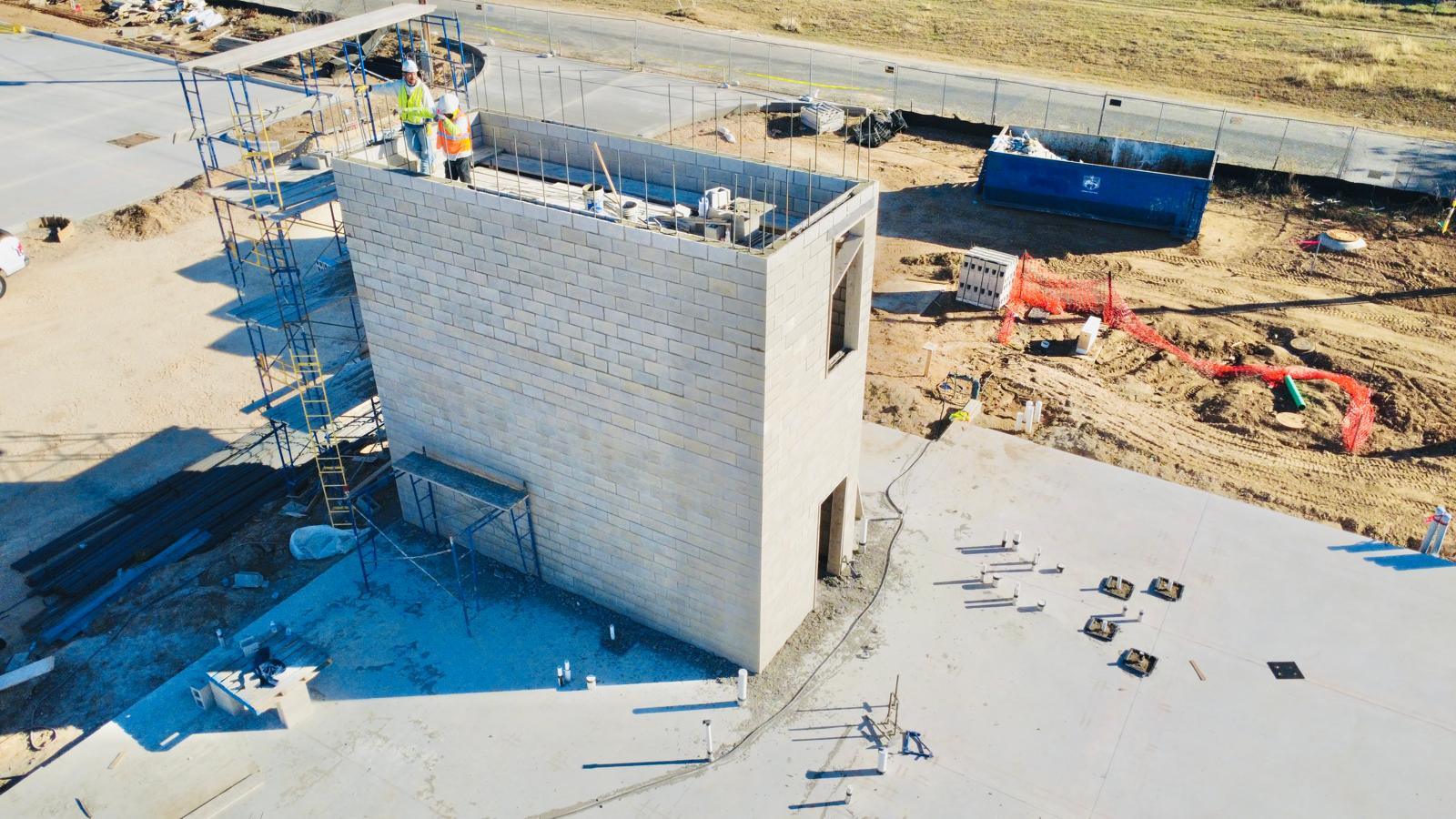
Case Studies


If you’re finding out about a new project on a public bidding website, you’re already behind. By that point, the competition is fierce, key decisions have been made, and your ability to influence the outcome is limited. The real competitive advantage lies in knowing about a project months before it becomes common knowledge. This means tracking the earliest signals of development, like land title transfers, rezoning applications, and initial permit filings. This guide will walk you through a more effective way to source construction leads in Texas, focusing on upstream intelligence that allows you to connect with decision-makers and get specified long before the bidding frenzy begins.
Simply put, construction leads are potential projects you can pursue to win new business. These opportunities can come from anywhere—a public notice, a tip from a colleague, an online platform, or a networking event. In a market as active and competitive as Texas, having a steady stream of high-quality leads is the lifeblood of any growing construction firm. It’s the difference between chasing every rumor and strategically choosing the projects that are the right fit for your business. A strong lead generation strategy ensures your pipeline stays full, allowing you to be selective and focus your bidding efforts where they’ll have the most impact.
The construction market in Texas isn’t just growing; it’s booming. The Dallas-Fort Worth area, for instance, is leading the nation in construction job growth, having added an impressive 12,300 building sector jobs in a single year. This surge highlights the incredible demand for construction services across the region. But it's not just a DFW phenomenon. Across the state, a 2023 industry forecast pointed to increased funding and innovative practices fueling a busy year for construction. With so much activity, the challenge isn't just finding work—it's finding the right work before your competitors do.
A quality lead isn't just a random tip; it's an opportunity that fits your business and has a real chance of turning into a signed contract. This is where getting in early makes all the difference. When you can identify the early signals of an upcoming project, you can connect with key stakeholders long before the project goes to public bid. This proactive approach, powered by new AI tools, does more than just fill your pipeline; it accelerates your deal flow and reduces the time you waste on unqualified leads. Focusing on targeted lead generation websites helps you grow steadily by connecting you with clients who are actively looking for your services.
Texas is a massive market with a diverse range of construction opportunities. From gleaming downtown high-rises to sprawling suburban developments, there’s a project for every type of contractor. The key is knowing where to look and what type of work best fits your business. Understanding the major project categories can help you focus your lead generation efforts and target the opportunities that will have the biggest impact on your bottom line. Whether you specialize in commercial, residential, industrial, or institutional projects, there are specific strategies to find and win work in each sector.
Commercial projects are the backbone of Texas's booming economy, covering everything from office buildings and retail centers to hotels and restaurants. This sector is highly competitive, so getting ahead of the curve is essential. Instead of waiting for projects to appear on public bidding sites, the real advantage comes from spotting them in the early planning stages. Finding these opportunities allows you to build relationships with decision-makers and influence the project scope before plans are finalized. Using tools that track early signals like title transfers and zoning applications can give you the inside track, turning a cold lead into a warm introduction months before your competitors even know the project exists.
With people moving to Texas in record numbers, the demand for housing is relentless. This creates a steady stream of residential development opportunities, including single-family homes, multi-family apartment complexes, and large-scale master-planned communities. For general contractors and subcontractors, the challenge is identifying these projects before ground is broken. The most successful firms don't just watch for building permits; they monitor upstream activity like land sales and rezoning requests. This early intelligence helps you connect with developers when they are still assembling their project teams, giving you a prime opportunity to get your services specified and secure your spot on the project.
Texas is a national leader in industrial development, with a constant need for warehouses, manufacturing plants, data centers, and energy facilities. These large-scale projects are often complex and have long timelines, making early engagement critical. In major hubs like Houston, the industrial market is particularly active, driven by logistics and global trade. An AI-powered business development platform can help you cut through the noise by analyzing development patterns and network connections to flag high-value industrial projects sooner. This approach helps you focus your resources on opportunities that align with your capabilities and build relationships with the key players behind Texas’s largest projects.
Institutional projects include schools, universities, hospitals, and government buildings. These contracts are often stable, well-funded, and can lead to long-term work, but they require a strategic approach. Decision-making for institutional projects can be complex, involving boards, committees, and public stakeholders. Because of this, building trust and establishing your firm’s reputation is paramount. The most effective way to attract these new clients is to identify projects and connect with key contacts during the earliest planning phases. Understanding who is involved long before an RFP is issued allows you to position your company as a trusted partner, not just another bidder.
Finding a steady stream of high-quality construction leads is the foundation of a successful business. In a competitive market like Texas, you can’t afford to wait for opportunities to come to you. A proactive approach that combines modern technology with tried-and-true relationship-building is your best bet for keeping your project pipeline full. By diversifying your methods, you can connect with potential clients at different stages of their journey, from initial planning to the final bidding process. Here are four effective strategies to generate more construction leads across Texas.
In a world where every search starts online, your digital presence is your new storefront. Having a professional, easy-to-use website is non-negotiable. But a great website is only effective if potential clients can find it. This is where search engine optimization (SEO) comes in. By optimizing your site for terms like “commercial general contractor in Dallas” or “San Antonio custom home builder,” you show up when clients are actively looking for your services. A strong digital marketing strategy makes you visible to warm leads, helping you attract more qualified clients and grow your business without cold calling.
While a digital presence is crucial, construction is still a relationship-driven industry. Joining and actively participating in local trade associations is one of the best ways to build your network. Groups like the Associated General Contractors (AGC) or Associated Builders and Contractors (ABC) have chapters across Texas where you can connect with developers, architects, and other contractors. Show up to events, contribute to conversations, and focus on building genuine connections. These relationships often lead to the most valuable, high-trust referrals and partnership opportunities that you won’t find anywhere else.
Imagine knowing about a major project months before it ever goes to bid. That’s the advantage AI-powered platforms give you. Instead of relying on public bid sites, you can use tools that analyze datasets for early signals like title transfers, rezoning applications, and permit activity. This upstream visibility allows you to identify private construction projects long before the market knows about them. With this head start, you can build relationships with decision-makers and influence the project scope before plans are even finalized, giving you a significant competitive edge.
Some of your best leads will come from people who already know, like, and trust your work. Referrals and word-of-mouth are powerful because they come with built-in credibility. But you don’t have to leave them to chance. Formalize the process by creating a simple referral program. Offer a finder’s fee, a gift card, or a discount on future services to past clients, architects, engineers, and suppliers who send a new project your way. A structured referral program encourages your network to actively look for opportunities for you, turning your happy customers into a dedicated sales force.
Finding the right projects in a market as busy as Texas means knowing where to look. The platform you use can be the difference between discovering a project months ahead of the competition and bidding on a job that’s already saturated with competitors. Let's walk through the top platforms available to Texas contractors, each offering a different approach to filling your project pipeline.
If you want to get ahead of the market, you need to spot opportunities before they become public knowledge. That’s where Mercator.ai comes in. Instead of providing stale leads that everyone else has, this AI-powered platform gives you early project intelligence. It analyzes real-time data on things like permit applications, zoning changes, and land title transfers to flag private commercial projects long before ground is ever broken. This upstream visibility allows you to identify key players and build relationships early. Texas general contractors have already used this approach to source over $12.3 billion in contract opportunities, proving that the earliest bird truly gets the worm.
You’re likely familiar with traditional lead services that provide lists of projects currently out for bid. These platforms can be useful for filling immediate gaps in your schedule, but they often come with a catch: the leads aren't exclusive. When you get a lead from one of these services, chances are dozens of your competitors have it, too. This drives down margins and makes it harder to stand out. While they can supplement your pipeline, it’s important to remember that the best leads often come from your own network. These platforms should be one tool in your toolbox, not your entire strategy for business development.
For contractors focused on the public sector, government bidding platforms are essential. These portals are the official source for projects like schools, municipal buildings, and infrastructure upgrades. Websites like the Texas Marketplace and federal portals list public tenders and requests for proposals (RFPs). Securing these contracts requires a specific skill set, including navigating bureaucracy and detailed proposal writing. While these platforms provide direct access to public works, winning the bid still requires a combination of strategic networking, a solid reputation, and exceptional service to build relationships with public entities.
Texas is a massive state, and the construction landscape can look completely different from one metro area to the next. Knowing where to focus your efforts can make all the difference in finding the right projects for your business. From tech-fueled growth in Austin to industrial projects in Houston, each major city offers unique opportunities. Let's look at what makes each of these markets tick and where you can find your next big contract.
Austin’s construction market is booming, largely thanks to its thriving tech scene. This growth fuels a constant demand for new office spaces, mixed-use developments, and residential projects. For general contractors, the key is getting ahead of the curve. AI-driven platforms are changing how firms source opportunities by providing real-time indicators like permit issuances and zoning changes. In fact, Texas general contractors have already sourced over $12.3 billion in contracts using these insights. By tracking these early signals, you can identify significant projects long before they become common knowledge, giving you a critical head start on building relationships and preparing your bids.
The Dallas-Fort Worth area is a powerhouse of economic development, and its construction industry is feeling the effects. The region has become a leader in construction job growth, adding 12,300 building sector jobs in a single year. This incredible expansion means there’s a high demand for construction services across commercial, residential, and industrial sectors. For subcontractors and suppliers, the sheer volume of projects creates a steady stream of opportunities. For general contractors, the challenge isn't finding work—it's finding the right work. Pinpointing projects that align with your expertise early is essential to capitalizing on the Metroplex's rapid growth.
Houston has long been the heart of the industrial and energy sectors, and this continues to drive major construction opportunities. From manufacturing plants to logistics centers and energy infrastructure, large-scale projects are always on the horizon. The complexity of these jobs means that getting specified early is crucial. This is where AI-powered business development is making a huge impact, allowing local contractors to access project insights sooner than ever before. By monitoring land development and commercial transactions, you can spot these capital-intensive projects in their infancy and position your company as the go-to expert from day one.
San Antonio is seeing a significant rise in mixed-use developments that blend retail, residential, and commercial spaces. These projects are transforming the city's landscape and creating a unique set of opportunities for construction firms. While traditional networking at industry events is a great way to generate leads in this market, you can make those connections even more powerful. By leveraging early project intelligence, you can walk into a conversation already knowing about a developer's upcoming plans. This proactive approach allows you to build stronger relationships and demonstrate your value long before a formal bidding process begins, helping you generate high-quality leads.
Once the leads start rolling in, the real work begins. Chasing every opportunity that comes your way is a fast track to burnout and wasted resources. The key is to quickly and effectively qualify your leads, so you can focus your bidding efforts on the projects you’re most likely to win and that will be most profitable for your business. A solid qualification process helps you separate the high-potential projects from the duds. This involves scoring your leads based on your ideal project profile, making sure the timeline and budget are realistic, and confirming that the project is a good fit for your team’s location and expertise. By being selective, you can dedicate your time and energy to writing winning proposals for the jobs that truly matter.
The first step in qualifying a lead is to score it against a set of predefined criteria. This isn’t about a gut feeling; it’s about creating a simple, repeatable system to assess each opportunity objectively. Start by defining what an ideal project looks like for your company. Consider factors like the project’s size, potential profit margin, the type of client, and how well it aligns with your core services. Assign a point value to each of these factors to create a simple scoring model. This high-level view helps you quickly determine which leads are worth a deeper look. For example, a project that scores high on profitability and aligns perfectly with your expertise should get your immediate attention. You can see how companies like Harvey | Harvey-Cleary use early intelligence to identify and pursue the right projects from the start.
A lead isn’t truly qualified until you have a clear understanding of the client’s timeline and budget. A project might seem perfect on paper, but if the client has an unrealistic schedule or an insufficient budget, it’s a recipe for disaster. Do your homework to find out the expected start and completion dates. Does this timeline fit with your current and projected workload? Can you secure the necessary labor and materials within that timeframe? Similarly, you need to get a sense of the project’s budget early on. While clients may not always share a hard number, you can often find clues in the project scope and their expectations. Using data to identify the right San Antonio commercial leads, for instance, often involves assessing property values and development trends to gauge financial viability. If a project seems underfunded, it’s better to walk away early than to get caught in a race to the bottom on pricing.
Finally, consider how the lead fits within your operational sweet spot. Where is the project located? Taking on a job far outside your primary service area can introduce logistical headaches and eat into your profit margins with travel costs and supply chain challenges. Focus your efforts on leads within a geographic range where you can operate efficiently and cost-effectively. This is where your local network and reputation can give you a significant advantage. Beyond location, think about market fit. Does the project align with your company’s expertise? If you specialize in commercial office buildings, a residential development might not be the best use of your team’s skills. Sticking to your niche allows you to leverage your experience, build a stronger portfolio, and operate more efficiently. Staying informed on market trends through resources like the Future of Construction Podcast can help you identify where your services fit best.
Finding a steady stream of quality construction leads in Texas is one thing, but dealing with the challenges that come with it is another. A competitive market, ongoing labor shortages, and the sheer volume of low-quality leads can make the process feel like an uphill battle. But with the right strategy, you can get ahead of these common hurdles and focus your energy on the projects that will actually grow your business. Let’s break down the biggest challenges and how you can tackle them head-on.
The Texas construction market is booming, which means competition is fierce. When everyone is chasing the same public tenders and well-known projects, it’s tough to stand out. Securing new commercial construction clients requires a smart combination of marketing, networking, and excellent service. It’s easy for sales teams to get frustrated with leads that take too long to become qualified prospects.
Instead of joining the crowd, the key is to get in the door before your competitors even know a project exists. By identifying opportunities in the early planning stages—like when land is sold or rezoned—you can start building relationships with key decision-makers months before the project goes to bid. This proactive approach helps you bypass the most intense competition and position yourself as a trusted partner from the start.
It’s no secret that finding skilled labor is a major challenge. In Texas, issues like changing immigration policies are shrinking the available workforce, which can slow down project timelines. This makes your lead generation strategy even more critical. Chasing every potential project is a waste of resources if you don’t have the team to deliver quality work on schedule.
This is where lead qualification becomes your best friend. Be selective about the projects you pursue. Focus on opportunities that align perfectly with your team’s current capacity and expertise. By prioritizing high-quality, right-fit projects, you can ensure you have the resources to execute flawlessly, protecting your reputation and your bottom line.
How much time have you wasted sifting through leads that go nowhere? Many traditional lead generation services sell the same lists to multiple contractors, leaving you with stale, low-quality opportunities. You end up spending more time vetting leads than you do actually bidding on them. This is a costly mistake that keeps your team from focusing on what they do best.
The solution is to shift from quantity to quality. Platforms like Mercator.ai are specifically designed to give Texas contractors a competitive edge by providing early, verified project intelligence. Instead of buying recycled lists, you get real-time alerts on private construction projects before they hit the open market. This allows you to find hidden opportunities and turn early information into your next signed contract, saving you time and frustration.
Finding a promising lead is a great start, but the real work is turning that opportunity into a signed contract. This is where your strategy and communication come into play. It’s about more than submitting the lowest bid; it’s about demonstrating value, building trust, and proving you’re the right partner for the job. By focusing on a few key areas, you can improve your win rate and build a pipeline of successful projects. Let's break down how to craft winning proposals, nurture client relationships, and perfect your follow-up game to close more deals.
A winning proposal is clear, professional, and tailored to the client’s specific needs. It should showcase your understanding of the project scope and highlight why your firm is uniquely qualified to deliver. Instead of just listing costs, tell a story about the value you bring. But accuracy is just as important as presentation. This is where data can be your best friend. Modern AI tools can analyze your past project performance, material costs, and labor hours to help you create more precise and profitable bids. By grounding your proposals in solid data, you can bid with confidence, protect your margins, and show clients you’ve done your homework.
In construction, relationships are everything. A strong connection with a client can be the deciding factor between you and a competitor, and it often leads to repeat business. The key is to build this trust long before the bidding process even starts. When you identify projects early, you have more time to connect with stakeholders, understand their vision, and position yourself as a helpful advisor. Using a dedicated lead service can streamline your sourcing process, giving you back valuable time to focus on what truly matters: nurturing those critical relationships and delivering exceptional service from day one.
A lead can go cold quickly without consistent communication. A strategic follow-up process keeps you top-of-mind and demonstrates your professionalism and enthusiasm for the project. The key is to be persistent without being pushy. Set clear timelines for yourself and use a system to track every interaction. This is another area where technology can give you an edge. Many AI-driven tools can help you manage this process by automating reminders and scheduling meetings. This frees you up to focus on having meaningful conversations, answering questions, and moving the project forward, ensuring no opportunity slips through the cracks.
Once you have a steady stream of leads, you need an efficient way to manage them. Juggling contacts, project details, and follow-up schedules on spreadsheets or sticky notes just won’t cut it as you grow. The right technology not only keeps you organized but also gives you a competitive edge, helping you track opportunities from first contact to signed contract.
Let's be honest—many promising leads go cold simply because they fall through the cracks. A Customer Relationship Management (CRM) tool is your central hub for all prospect and client information. It helps you track every interaction, schedule follow-ups, and see exactly where each lead is in your sales pipeline. Many contractor sales teams grow impatient with new business leads that don’t quickly turn into qualified prospects. A good construction CRM provides clear lead source tracking, so you can see which channels are bringing in the most valuable opportunities and focus your efforts there. It’s about working smarter, not just harder.
While CRMs help you manage the leads you have, AI-powered platforms help you find new ones before anyone else. These tools go beyond traditional lead lists by analyzing data like title transfers, rezoning applications, and permit activity to flag projects in their earliest stages. For instance, Mercator.ai is designed to help you spot early-stage construction projects, build relationships with decision-makers sooner, and influence scope before plans are finalized. AI-driven tools also facilitate continuous engagement by automating follow-ups and scheduling meetings, ensuring you stay top-of-mind with key players without adding more to your plate. This early intelligence is your ticket to getting specified on projects months ahead of the competition.
Your team isn’t chained to a desk, and your technology shouldn’t be either. Mobile apps that connect your field and office teams are essential for keeping everyone on the same page. Whether it’s a project management app or a lead-sourcing tool, it needs to be accessible on a phone or tablet. An AI tool that doesn’t integrate with your current software will only create frustrating data silos and force your team into tedious, manual data entry. Look for solutions that offer mobile access, like Mercator's Free Permits App, which allows your team to spot and share opportunities directly from the field. This keeps information flowing and empowers everyone to contribute to business development.
Finding a steady stream of quality leads is one of the biggest challenges in the construction industry. But often, the problem isn’t a lack of opportunities—it’s the approach. Many firms fall into the same habits that leave them scrambling for projects or entering the bidding process too late. By sidestepping a few common mistakes, you can build a more predictable and profitable project pipeline.
Getting ahead in a competitive market like Texas means working smarter, not just harder. It starts with diversifying your sources, paying attention to the earliest project signals, and being persistent with your follow-up. Let’s break down these common missteps and how you can correct them to win more work.
It’s easy to get comfortable with a single lead source, whether it’s a familiar bidding platform, word-of-mouth referrals, or traditional ads. But putting all your eggs in one basket is risky. If that one channel dries up, your pipeline dries up with it. Many contractors stick with what they know because they aren’t tracking where their best leads actually come from. The key is to diversify your strategy and measure what works.
A healthy lead generation plan includes a mix of networking, digital marketing, and project intelligence. By using multiple channels, you create a more resilient business development engine. Tools like a CRM can help you track lead sources effectively, so you know exactly where to invest your time and money for the best return.
If you’re waiting for a project to appear on a public bidding site, you’re already behind. By that point, the competition is stiff, and the key decisions have likely been made. The real advantage comes from identifying projects months before they become common knowledge. This means tracking early-stage signals like land title transfers, rezoning applications, and initial permit filings. These are the first signs that a new development is on the horizon.
Getting in at this stage allows you to build relationships with owners, developers, and architects while they are still shaping the project's scope. Mercator.ai’s ability to identify these early-stage signals enables general contractors to connect with key stakeholders well before competitors, giving you a powerful head start and a better chance to get your services specified.
You’ve identified a promising lead—now what? In the fast-paced world of construction, a lead can go from hot to cold in a matter of days. Failing to follow up promptly and persistently is one of the most common and costly mistakes. You might have the perfect qualifications for a project, but if a competitor is more responsive, they’ll likely win the business. A single phone call or email is rarely enough.
Consistent, timely follow-up keeps you top-of-mind and demonstrates your professionalism and commitment. This is where technology can be a game-changer. AI-driven tools and CRMs can automate reminders, schedule meetings, and help you manage communications so no opportunity slips through the cracks. Seeing how other firms have successfully turned early leads into contracts can provide a great blueprint, as shown in these customer stories.
Why is finding a project early so much better than using a traditional bid site? When a project hits a public bid site, you're already late to the game. You’re competing against dozens of other firms on price alone, which is a tough way to win profitable work. Finding a project in its early stages—when land is being sold or rezoned—lets you connect with the decision-makers before the competition even knows the project exists. This gives you the chance to build a real relationship, understand their goals, and position your company as a partner, not just another number on a bid sheet.
I'm a subcontractor. How can finding early-stage projects help my business? For subcontractors and suppliers, getting in early is all about getting specified. When you can identify a project and connect with the architect or general contractor during the design and planning phase, you have a prime opportunity to have your specific products or systems written directly into the project plans. This essentially secures your place on the job long before it goes out for bids, helping you avoid the last-minute scramble and price wars.
What's the first step I should take to qualify a new lead? Before you invest significant time, the first step is to quickly score the lead against your ideal project profile. This is a simple, objective check to see if the opportunity is even worth pursuing. Ask yourself: Is this project the right size for our company? Is it in a location we can service efficiently? Does it align with our core expertise? This initial filter helps you weed out poor-fit projects immediately so you can focus your energy on the leads with the highest potential.
My team is already stretched thin. How can we manage lead generation without getting overwhelmed? The key is to lean on technology to work more efficiently. Instead of spending hours manually searching for opportunities, use a platform that automatically flags early-stage projects for you. This brings qualified leads directly to your inbox. Pairing this with a simple CRM to track your communications ensures no follow-ups get missed. This approach frees your team from the time-consuming busywork of finding leads so they can focus on what they do best: building relationships and closing deals.
Besides using a platform, what's the most effective "old-school" way to find good leads? Never underestimate the power of genuine networking within your local trade associations. Groups like the Associated General Contractors (AGC) or Associated Builders and Contractors (ABC) are full of developers, architects, and other industry players. Showing up consistently and building real relationships is still one of the most effective ways to generate high-trust referrals. A warm introduction from a respected colleague is often the most valuable lead you can get.


.png)