

Case Studies


Book a live demo to see how early project intelligence can improve your next Texas bid.
Material volatility rarely begins when a bid package lands. By then, a project's location, scope, schedule, and likely demand may already be shaping procurement risk. General contractors that see projects during earlier development stages can start supplier conversations, assess alternatives, and protect lead time before pricing pressure reaches the estimate.
Managing construction material cost Texas projects requires more than reviewing yesterday's bid data. Early intelligence helps GCs anticipate demand and potential price movement, then align purchasing and estimating decisions with the project's emerging reality.
That approach starts with a clear view of the cost environment itself, including the factors that make one Texas market, project, or delivery timeline materially different from another.
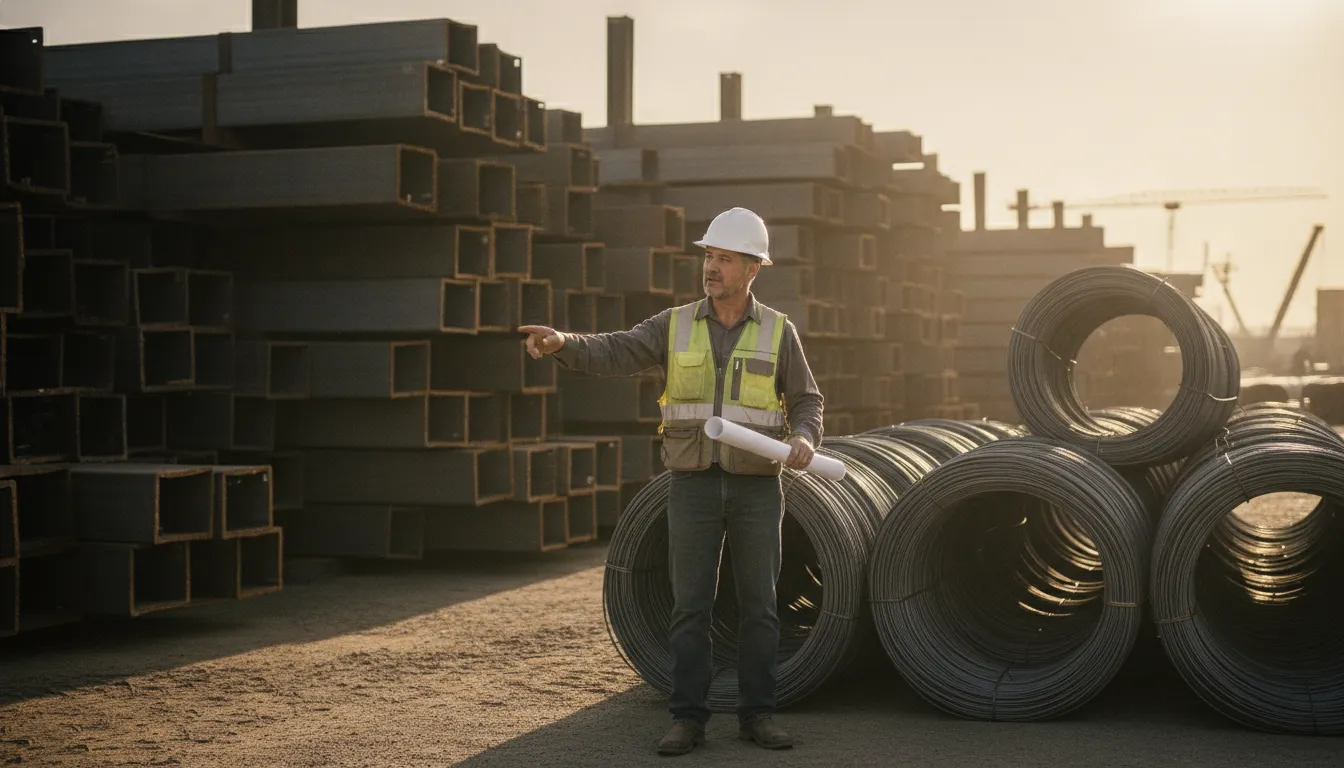
There is no single statewide price for construction material cost in Texas. A realistic budget depends on project type, location, scale, specifications, procurement timing, and market conditions. For commercial work in 2025-2026, published benchmarks generally place construction at $190-$340 per square foot. While the broader Texas market spans roughly $120-$500+ per square foot across project types. These are planning ranges, not bid guarantees.
| Project type or region. | Indicative cost. | Planning context. |
|---|---|---|
| Industrial warehouse. | $160-$250 per square foot. | Lower end of commercial range. |
| Commercial projects, statewide. | $190-$340 per square foot. | Broad 2025-2026 benchmark. |
| Hospitality and healthcare. | $280-$450 per square foot. | Higher specifications and complexity. |
| Standard homes, statewide. | $140-$220 per square foot. | Residential planning range. |
| Texas projects, broad range. | $120-$500+ per square foot. | Varies substantially by scope. |
Region can move the estimate materially. Austin is reported at roughly 10-15% above the state average, while San Antonio is often the most competitive major Texas market. Annual escalation is running about 3-6% statewide, influenced by skilled labor wages, code requirements, and material lead times. That means an estimate prepared months before procurement may need a documented escalation assumption.
TxDOT's guidance reinforces why a single average is not enough: unit prices are affected by project location, quantity, complexity, time factors, and macroeconomic conditions. Estimators can use recent contracts with similar scope and location to establish a baseline, then adjust it to fit the project. For GCs, that baseline should be paired with current market signals and supplier conversations rather than treated as a final material quote. See the construction intelligence platform approach to organizing those signals earlier in preconstruction.
The practical takeaway is to separate the benchmark from the exposure. Track which materials have long lead times, where regional premiums apply, and how much schedule remains before purchase commitments. Early visibility gives procurement teams more options before a price change reaches the bid data.
In short: Construction material cost in Texas currently sits within a wide range, with commercial benchmarks around $190-$340 per square foot and broader project ranges from $120-$500+ per square foot. Austin typically carries a premium, San Antonio is more competitive, and 3-6% annual escalation should be considered in forward-looking budgets.
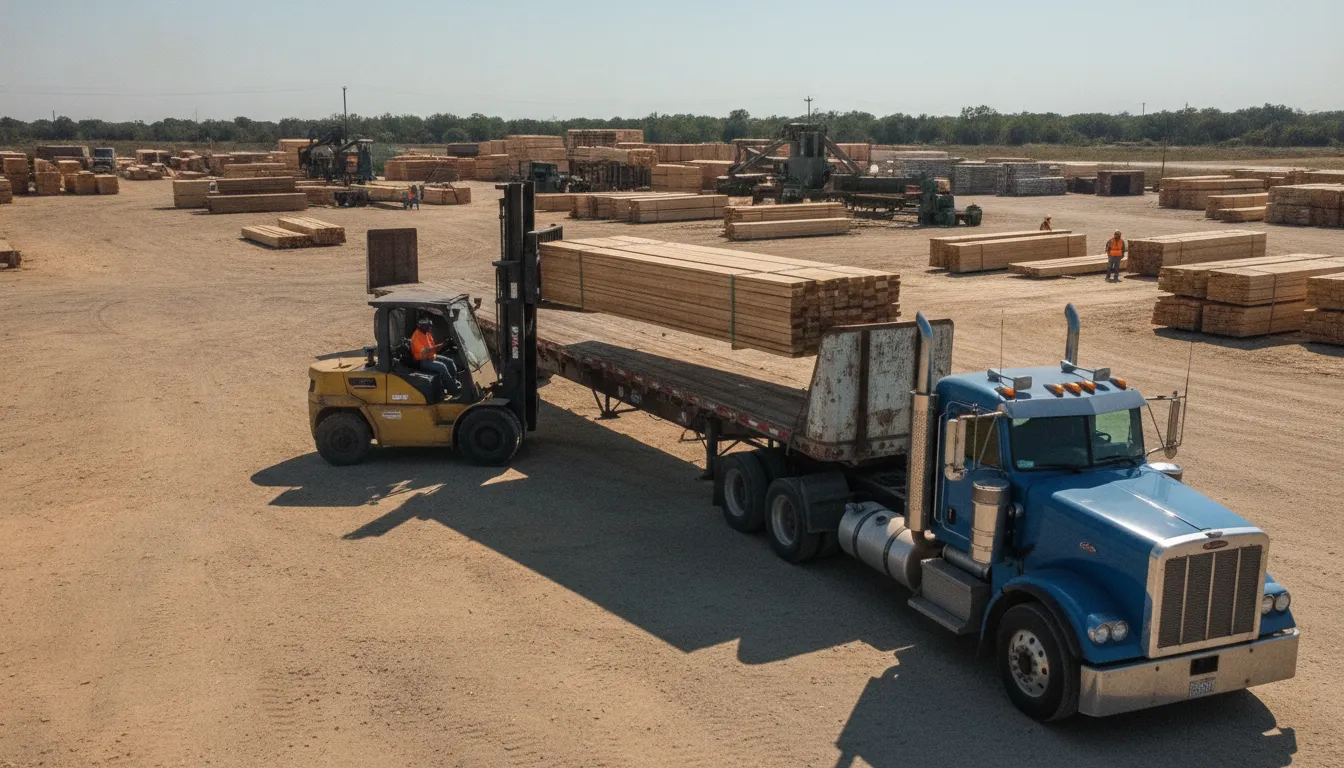
Supply chain disruptions raise material prices because they compress the time and options available to contractors. A delayed shipment, regional shortage, or sudden demand surge can force a project team to pay expedited freight or accept a less favorable supplier. They may also compete for the same inventory as several other builders. In Texas, rapid urban growth can intensify that pressure, because development activity often moves faster than material availability can be predicted.
The effect is not limited to the invoice price of lumber, steel, or cement. Freight costs rise when materials must travel farther or move on short notice. Weather can close routes, interrupt production, or delay deliveries long enough to disrupt an installation sequence. Tariffs and other trade changes can alter the landed cost of imported inputs. Inflation and interest rates also work indirectly by increasing financing, operating, and supplier costs, which can flow through to bids.
Local bottlenecks make the problem more severe. A shortage at a regional yard, a congested freight corridor, or limited availability of specialized labor can delay installation and extend equipment and supervision costs. Fluctuations in local Texas labor rates therefore affect total installation cost, even when the material itself has not changed in price. When multiple projects reach procurement at the same time, everyone bids on the same tight delivery window, turning a manageable constraint into a margin problem.
One current Texas cost analysis places materials roughly 5% above the national average and reports labor rates of $38 to $55 per hour, up 3.8% year over year. Treat those figures as directional benchmarks, not a project-specific estimate. Material averages vary by specification, location, quantity, taxes, and delivery terms. A useful tracker separately monitors categories such as lumber, metal, and cement, while noting that its averages exclude taxes and other applicable costs. See the construction materials price tracker for category-level context.
That is why historical averages alone can lag the market. Early intelligence can flag likely demand, local bottlenecks, and procurement timing before a price change appears in bid data. With more lead time, a GC can discuss substitutions with the design team and qualify alternate suppliers. Purchasing during a more stable window beats reacting after the spike.
The bottom line: Supply chain disruptions spike material prices in Texas by increasing freight, scarcity, labor, and schedule costs at the same time. Regional growth and tight procurement windows magnify those effects, so early visibility gives GCs more options to protect estimates and margins.
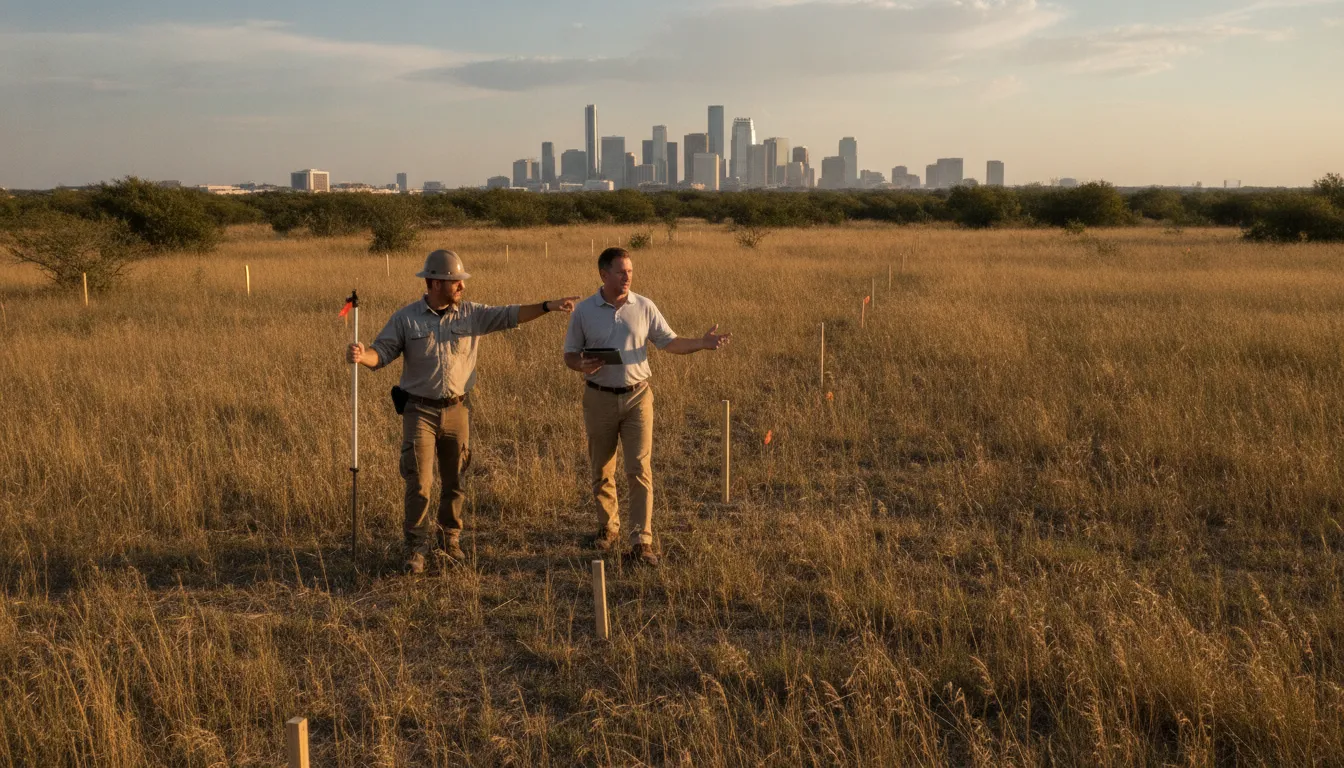
Procurement leverage starts before a project reaches the bid calendar. When a GC knows a private commercial project exists during the concept stage. The team can assess likely material needs while design decisions and supplier commitments are still developing. That creates options that disappear once every bidder is chasing the same specifications and delivery windows.
Mercator.ai detects private commercial projects in Texas 3-6 months early by analyzing signals such as title transfers, rezoning activity, and permit activity. That earlier visibility gives estimating and procurement leaders time to map the project and identify probable scopes. It also starts conversations with subcontractors and suppliers before a formal request for pricing arrives.
This is especially valuable when materials have long lead times or when local supply is constrained. The team can investigate alternate sources, compare availability, and flag items that may require early action. Rather than reacting to a price spike after the bid is assembled, the GC can build a procurement plan around the project's likely schedule and risk profile. Early intelligence therefore supports proactive management of material cost volatility, not simply faster lead discovery. See private Texas construction projects that can enter the pipeline before traditional discovery methods surface them.
Historical bid data remains useful, but it is a baseline rather than a forecast. Early intelligence gives procurement teams a predictive edge by revealing potential demand before price fluctuations appear in historical records. That distinction matters in Texas, where project location, quantity, complexity, timing, and broader market conditions can all affect unit prices, as documented by the Texas Department of Transportation.
With a longer planning window, a GC can evaluate whether to secure quantities during a stability window, negotiate terms earlier, or preserve flexibility while the design matures. Predictive early intelligence enhances strategic material purchasing because decisions are made before urgency removes negotiating power. Real-time cost tracking then helps the team monitor those assumptions as the project advances, update budgets, and identify emerging exposure before it reaches the margin.
In short: Early project intelligence gives GCs 3-6 additional months to understand a project's probable material demand, evaluate suppliers, and act before procurement pressure peaks. It combines forward-looking project signals with historical benchmarks and real-time cost tracking, helping teams lock in options and manage construction material cost Texas volatility with greater confidence.
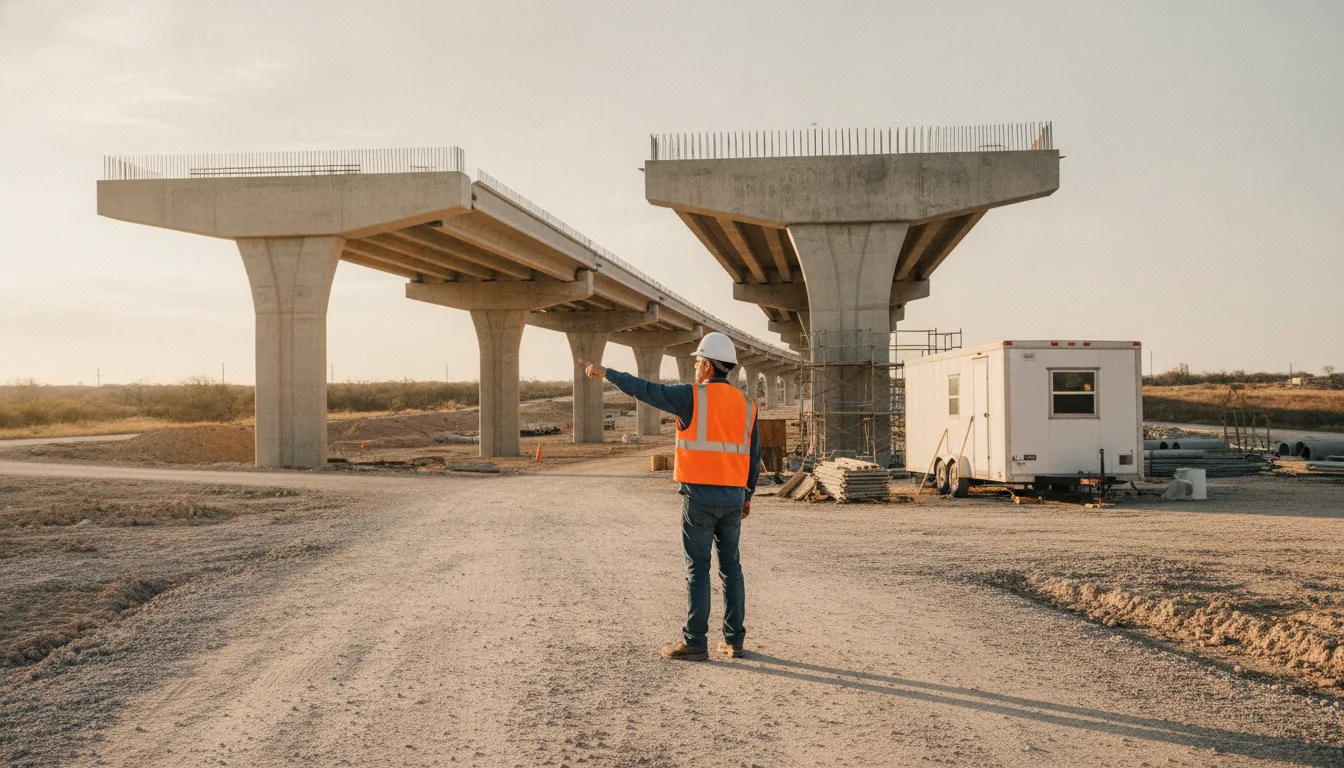
A resilient procurement process starts before a bid becomes urgent. General contractors can use early project intelligence, supplier relationships, and live pricing signals to turn uncertainty into specific decisions about timing, sourcing, and contingency.
The bottom line: Competitive procurement in Texas depends on acting before volatility becomes a crisis. Track early signals, maintain an active supplier loop, purchase strategically, price risk explicitly, and re-forecast from current intelligence so decisions protect both margin and schedule.
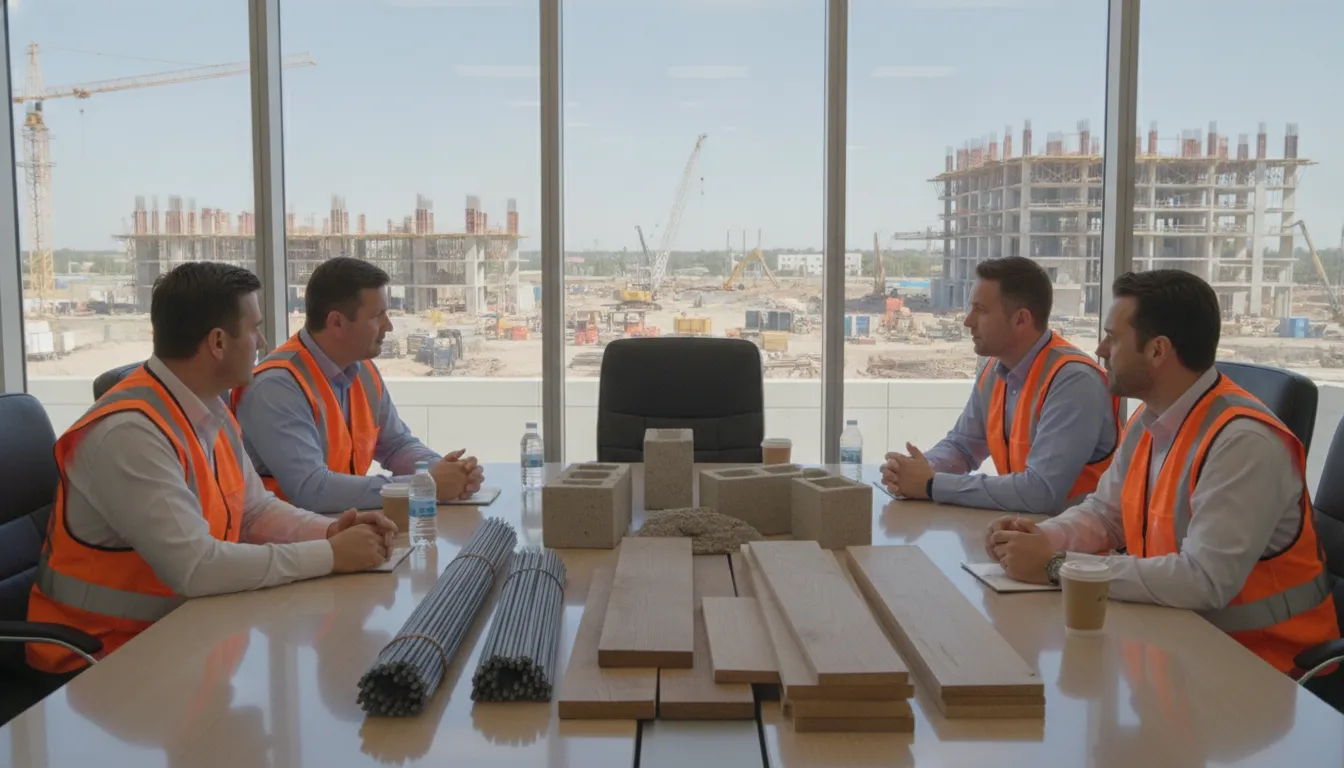
Smarter cost intelligence means treating early project visibility as a cost-management tool, not just a business development advantage. Before a bid reaches your estimating team, early signals can help you understand the likely scope, location, and schedule. They also surface material exposure and the supplier conversations that will shape the number you ultimately submit.
TxDOT offers a useful model for disciplined estimating. The agency determines unit prices using historical bids and then develops an engineer's project appraisal. Its guidance also explains that estimators can use recent contracts with similar scope and location to derive unit prices through bid tabulation data. TxDOT research notes that unit prices are affected by location, quantity, complexity, timing, and macroeconomic conditions, while TxDOT estimating guidance says average low bids should be adjusted to fit a project's specific characteristics.
That is the difference between a historical baseline and a forward-looking bid. Past prices provide evidence, but they cannot fully account for what is changing around a project today. Localized Texas cost drivers are crucial for accurate bidding, especially when rapid development, labor conditions, and regional logistics affect installed cost. Accurate estimation is vital to making the best use of the available budget, and predictive models improve confidence when regional variations are part of the decision.
Early intelligence gives estimators a better reason to start conversations before the bid clock is running. Collaborating with subcontractors and suppliers at this stage can surface lead-time risks, viable substitutions, and realistic availability, producing more accurate estimates than isolated spreadsheet updates. It also preserves the relationship-centric work that wins projects, because the data supports better conversations rather than replacing them.
When teams can anticipate price movement and procurement pressure early, they can assess risk, compare sourcing options, and purchase strategically during periods of relative price stability. That protects margin before and during the bid. GCs using predictive analytics are better positioned to win competitive infrastructure bids because they can price with greater discipline instead of choosing between an inflated number and an exposed one. Teams evaluating the right level of intelligence investment can review Mercator.ai pricing alongside the cost of missed lead time and avoidable volatility.
In short: Smarter cost intelligence combines historical bid evidence with current, localized Texas signals, supplier input, and predictive analysis. It helps GCs build more accurate estimates, protect budget and margin, and compete for infrastructure work with greater confidence.

There is no single statewide material rate because project location, quantity, complexity, timing, and broader economic conditions all affect unit prices. For budgeting, separate material assumptions from total construction cost, then validate them against recent bids for a similar scope and location. TxDOT recommends using comparable bid data when developing estimates: TxDOT pricing guidance.
They may continue to move upward or fluctuate rather than follow a predictable straight line. Labor, materials, code requirements, inflation, interest rates, and supply chain conditions can all change the cost outlook. The practical response is to monitor project signals early, update assumptions as conditions change, and avoid treating historical bid data as a complete forecast.
Unexpected price changes can compress a GC's margin, force scope or sourcing decisions late in pre-construction, and make an otherwise competitive bid less reliable. Early visibility gives procurement teams time to compare suppliers, discuss alternates with project stakeholders, and plan purchases during more stable pricing windows. That turns cost control into a pre-construction process instead of a reaction after prices have already moved.
The main drivers include local project conditions, order volume, material availability, transportation, supplier capacity, labor conditions, and macroeconomic pressure. Location matters because the same material can carry different delivery and availability costs across Texas. Track those variables alongside early project intelligence so estimates reflect the actual market a project will enter, not only what similar work cost previously.
Earlier visibility can give your procurement team more time to evaluate materials, coordinate suppliers, and plan around changing prices. Book a live demo to see how Mercator AI surfaces private Texas construction projects early and explore how that intelligence can support your next bid.


.png)