
Case Studies


In the construction industry, timing is everything. By the time a project appears on a public bid site, you’re already competing with dozens of other firms. The most successful contractors in Jacksonville aren’t just waiting for opportunities to come to them; they’re actively seeking them out before anyone else. This proactive approach means tracking the earliest signals of development, like title transfers, rezoning applications, and new permit filings. It’s about gaining upstream visibility into private commercial work that never gets publicly listed. If you’re tired of being late to the party, this guide will show you how to set up a system for construction project alerts Jacksonville developers and owners trigger, giving you a critical head start.
Jacksonville is experiencing a significant wave of development, with major investments pouring into its urban core, public venues, and transportation networks. For general contractors, subcontractors, and suppliers, this means a steady stream of opportunities across various sectors. The city is focused on large-scale projects designed to modernize infrastructure and create new commercial and recreational hubs. From high-rise hotels and office buildings to massive highway interchanges and stadium renovations, the scope of work is impressive. Understanding where this activity is concentrated is the first step to getting involved. These projects aren't just changing the city's skyline; they are creating a pipeline of work for years to come. By tracking these developments, you can position your business to bid on contracts and supply materials for some of the region's most prominent builds. Staying ahead of these opportunities requires early information, which is why many firms now use AI-powered systems to spot projects long before they become common knowledge.
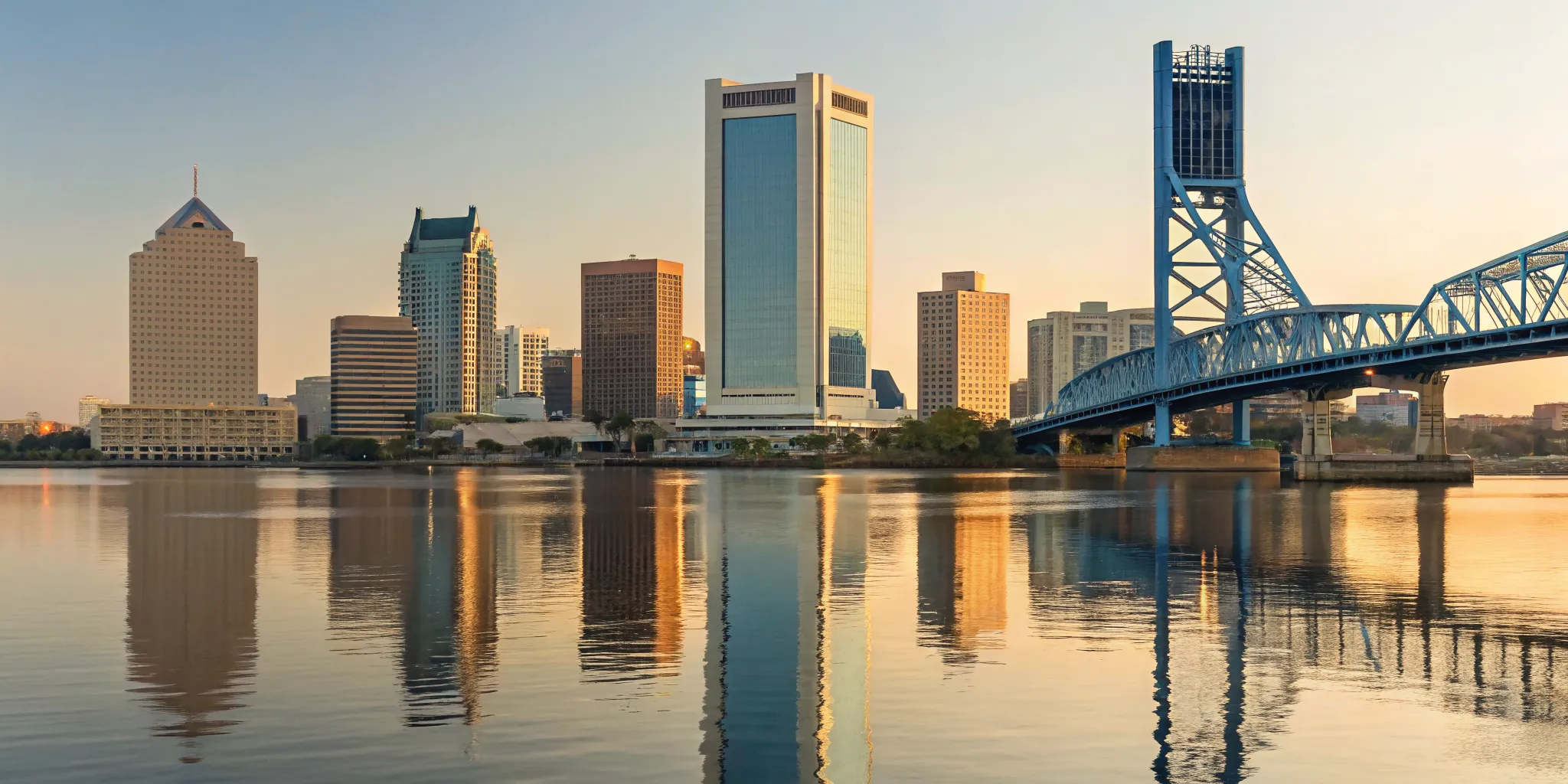
Downtown Jacksonville is the epicenter of the city's transformation. A series of high-profile projects are set to completely reshape the riverfront and surrounding areas. Key developments include a new Four Seasons Hotel, which will add a touch of luxury to the skyline, and One Shipyard Place, a mixed-use project featuring an office building and a marina. The city is also creating a new Riverfront Plaza, designed to be a central public gathering space. These projects signal a concerted effort to make downtown a more vibrant place to live, work, and visit. For construction professionals, this revitalization means a diverse range of opportunities, from foundational work and structural steel to high-end interior finishing and landscaping. You can find more details on the downtown construction timeline.
To support its growth, Jacksonville is making substantial upgrades to its transportation infrastructure. The most significant of these is the ongoing work on the I-95 and I-295 interchange. This massive, multi-year project is designed to ease traffic congestion and improve connectivity throughout the region. Such large-scale civil projects are complex and require a wide array of specialized skills and materials, creating long-term opportunities for contractors and suppliers focused on roadwork, bridge construction, and materials supply. The interchange project is a critical piece of the city's plan to ensure its infrastructure can handle future demand, making it a key area to watch for contracts and supply needs.
Public venues are also receiving major attention, led by the ambitious renovation of EverBank Stadium. Dubbed the "Stadium of the Future," this $1.4 billion project is a public-private partnership aimed at creating a world-class facility. The renovation is a massive undertaking that will require expertise in everything from demolition and structural engineering to advanced technology integration and spectator amenities. This single project represents a huge source of potential work for subcontractors across dozens of trades. It’s a clear indicator of the city's commitment to investing in its public assets, presenting a prime opportunity for firms looking to be part of a landmark build that will define Jacksonville for a new generation.
Staying ahead of new construction opportunities in Jacksonville means knowing where to look for information. Getting timely alerts can be the difference between bidding on a project and hearing about it after the fact. Instead of waiting for projects to be publicly announced, you can use a few key strategies to get real-time updates and find opportunities before your competitors do. Here’s how you can stay in the loop on both public and private projects.
A great starting point for public works is the City of Jacksonville’s official website. The city maintains a Capital Improvement Projects Dashboard that offers a transparent look at major city-funded projects. While valuable for government contracts, this tool is reactive. You’ll only see projects that are already underway, so you won’t get the upstream visibility needed to find private opportunities or influence early-stage planning.
For a more proactive approach, use a service that automatically flags early project signals. Instead of manually checking dashboards, you get alerts sent directly to you. Mercator.ai surfaces private construction opportunities by tracking indicators like title transfers, rezoning applications, and permit activity. This allows you to identify projects and connect with owners and consultants months before a project is awarded, giving you a significant head start on private commercial work.
Social media can be an effective source for real-time construction news. Key organizations often post updates before they hit traditional news outlets. Follow the accounts of the Jacksonville Planning and Development Department, local news like the Jacksonville Business Journal, and major developers active in the area. This strategy helps you keep a pulse on the market, but it’s best used with other methods, as social media often reports on activity after initial permits have been filed.
For projects involving highways and major roadwork, the Florida Department of Transportation (FDOT) is your go-to source. The FDOT manages its own project portals with details you won’t find on the city’s dashboard. For example, the I-10 widening project has a dedicated page on the North Florida Roads website with timelines and lane closure information. If your work involves infrastructure, bookmark the FDOT’s regional site to stay informed.
Staying on top of every potential project in a city as active as Jacksonville can feel like a full-time job. Between public infrastructure upgrades and private developments, opportunities are everywhere, but they’re easy to miss if you’re not looking in the right places. The key is to build a system that brings these opportunities to you. Relying on word-of-mouth or waiting for projects to hit public bid sites means you’re already behind the curve, competing with everyone else who found the project the same way. The real advantage comes from seeing what’s next, long before it becomes common knowledge.
Fortunately, a combination of public resources and modern technology can give you the visibility you need to stay ahead. By pairing the city’s own tracking tools with specialized alert services, you can create a comprehensive view of Jacksonville’s construction landscape. This approach allows you to monitor publicly funded projects while also uncovering private developments long before your competitors even know they exist. Let’s walk through the best tools available for tracking project progress so you can spend less time searching and more time building the relationships that win you work.
A great place to start your search is with the city’s own resources. The City of Jacksonville provides a Capital Improvement Projects Dashboard, an online tool designed to offer transparency on major public works. Here, you can find official information on the type of work being done and the current status of various projects across the city. Think of it as your direct line to the city’s plans. It’s an essential tool for understanding publicly funded initiatives and keeping a pulse on municipal development priorities.
While municipal dashboards are great for tracking public projects, they won’t show you private developments until they’re well underway. To get ahead, you need a tool that spots the earliest signals of new construction. AI-powered platforms like Mercator.ai are designed for this exact purpose. By analyzing data on private title transfers, rezoning applications, and permit activity, these systems identify opportunities months before they are publicly announced. This gives you a critical head start, allowing you to connect with project owners and stakeholders while they are still making key decisions.
Going back to the city’s dashboard, one of its most helpful features is its use of interactive maps. Instead of just reading a list of projects, you can see exactly where they are located. The map allows you to visualize projects as simple dots or view their complete footprint by activating the "Project Polygons" layer. This visual context is incredibly useful for understanding a project's scope and its potential impact on the surrounding area. It helps you grasp the bigger picture of development in specific neighborhoods and plan your strategy accordingly.
For a proactive approach, consider signing up for a third-party alert service. Instead of you having to check dashboards and databases, these services push real-time updates directly to you. For instance, platforms like Mercator.ai provide commercial contractors with immediate insights into early-stage project activity in Florida's booming market. Getting an alert the moment a new permit is filed or a property is rezoned ensures you’re one of the first to know about a potential opportunity, giving you a significant competitive edge.
While new development signals a growing city, it also brings temporary growing pains for the people who live and work there. Major construction projects can reshape daily routines, especially when it comes to getting around. Understanding the common impacts, from traffic changes to road closures, can help you prepare and adjust your plans with less stress. Here’s a look at what Jacksonville residents can expect during these periods of growth and how to stay informed.
Large-scale projects, especially on major highways, inevitably lead to traffic shifts and detours. For example, the ongoing work on the I-95 and I-295 interchange has introduced lane changes, nighttime detours, and other adjustments that require extra attention from drivers. While these changes can be frustrating, they are a necessary part of modernizing our infrastructure. Project managers often schedule the most disruptive work during off-peak hours to minimize the impact on your commute. Staying aware of the latest traffic pattern changes is the best way to prepare for your drive.
Temporary lane closures are another common feature of road construction. You’ll see them on highways, main roads, and even neighborhood streets. To keep traffic flowing, crews work hard to limit these closures to nights and weekends whenever possible. According to the North Florida TPO, project teams coordinate these closures carefully to keep delays to a minimum. While it might add a few minutes to your trip, these controlled closures allow workers to complete essential tasks safely and efficiently, bringing the project one step closer to completion. Always be on the lookout for signage and be prepared to merge or slow down.
It’s helpful to remember that today’s inconveniences are paving the way for long-term improvements. The goal of these projects is to make driving safer and more efficient for everyone. Once completed, the new I-95 and I-295 interchange, for instance, will feature more lanes and require fewer lane changes, which will reduce congestion and improve safety. These upgrades are designed to support Jacksonville’s growth for years to come. Thinking about the future benefits, like a smoother commute and safer roads, can make the temporary disruptions feel more manageable.
You can take control of your commute by planning ahead. The city offers tools to help you see where construction is happening. The Jacksonville Capital Improvement Projects Dashboard includes an interactive map with a special layer for Florida Department of Transportation (FDOT) projects. You can turn this layer on to see active work zones and plan an alternate route if needed. Using GPS apps with real-time traffic data can also help you find the quickest path and avoid unexpected delays caused by construction activity. A few minutes of planning before you leave can save you a lot of time on the road.
Keeping an eye on current projects is essential, but looking ahead to what’s next is what truly sets successful firms apart. Jacksonville is a city on the move, with a clear vision for its future that involves major infrastructure upgrades, downtown revitalization, and long-term strategic growth. For general contractors, subcontractors, and suppliers, understanding this forward-looking pipeline is key to positioning your business for success. It’s about more than just bidding on the next job; it’s about anticipating market needs, building relationships early, and aligning your strategy with the city’s long-term development goals.
The construction landscape is always shifting, and staying ahead requires a proactive mindset. This means looking beyond the immediate bid list and digging into the city's master plans, zoning changes, and economic development initiatives. By understanding where Jacksonville is headed in the next five to ten years, you can make smarter decisions about specializing your services, investing in new equipment, or expanding your team. It’s a strategic approach that transforms your business from being reactive to market demands to proactively shaping your own future. Getting this early insight allows you to identify the key players and decision-makers long before ground is broken, giving you the time to build the trust and rapport that lead to winning partnerships. By staying informed about upcoming plans, you can get ahead of the curve and secure your place in shaping the future of Jacksonville.
Jacksonville is making significant investments to improve its transportation infrastructure for a growing population. A key example is the I-10 widening project, which will expand the highway between I-295 and I-95. Once completed, this section of I-10 will feature up to ten lanes, a change designed to dramatically improve traffic flow and accessibility throughout the city. Projects of this scale create a ripple effect, generating numerous opportunities for contractors and suppliers specializing in roadwork, materials, and logistics. Keeping track of these large-scale infrastructure plans allows you to anticipate the resources and expertise that will be in high demand as the city continues to expand and modernize its core transportation arteries.
In a competitive market, the best opportunities are often the ones you discover before anyone else. Instead of waiting for projects to be publicly announced, you can gain a significant advantage by identifying them in their earliest stages. Mercator.ai helps you do just that by proactively surfacing private title transfers, rezonings, and permits as they emerge. This approach gives you a direct line of sight to property owners and consultants months before a project is ever awarded. With this early intelligence, you can start building relationships and positioning your services long before the competition even knows an opportunity exists, giving you a crucial head start.
Large-scale construction projects are complex, and their timelines can often change. The I-95 and I-295 interchange provides a clear example of this reality. Originally slated for completion in summer 2020, the project is now expected to finish in spring 2026. This six-year shift underscores why understanding and planning for long-term timelines is so critical in construction. For contractors and suppliers, this means building flexibility into your own planning, maintaining open communication with project leads, and using reliable data to stay updated on any adjustments. Acknowledging the potential for delays helps you manage resources effectively and set realistic expectations for your team and your clients.
To truly understand the future of construction in Jacksonville, it helps to look at the city’s overarching vision. Downtown Jacksonville is currently the focus of a major revitalization effort, with several large projects aimed at transforming the area and its riverfront. The city’s goal is to create a more vibrant and attractive destination for both residents and visitors. When you understand these high-level objectives, you can better anticipate where public and private investment will flow next. Following the city’s strategic plans allows you to align your business development efforts with Jacksonville’s growth, ensuring you’re ready for the opportunities that these ambitious, city-shaping projects will bring.
How can I find private construction projects in Jacksonville, not just the big public ones? While city dashboards are great for tracking public works like highway interchanges, they won't give you insight into private commercial developments. To find those, you need to track early indicators like property sales, rezoning applications, and permit filings. This is where a specialized service comes in, as it analyzes these data points to alert you to private projects long before they are publicly announced, giving you a chance to connect with owners and developers first.
What's the real advantage of finding a project early? Finding a project early gives you time to build relationships with the key decision-makers before your competitors are even aware of the opportunity. When you get in on the ground floor, you can understand the project's needs, offer valuable input, and position your company as a trusted partner rather than just another bidder. This proactive approach often leads to better partnerships and more profitable work.
Are the city's free dashboards enough to find new business? The city's public dashboards are valuable for monitoring the progress of government-funded projects that are already underway. However, they are reactive tools, meaning you only see information after a project has been planned and approved. For a competitive edge, especially in the private sector, you need a proactive system that identifies opportunities at the earliest possible stage, well before they appear on any public site.
Besides downtown and highways, what other types of construction are happening? The major projects in the downtown core and along the interstates get most of the headlines, but significant development is happening across the city in various sectors. This includes new multi-family housing, commercial retail spaces, healthcare facilities, and industrial warehouses. Using a tool that tracks all commercial permit activity can help you uncover these less-publicized opportunities and find work that aligns perfectly with your specialty.
With projects like the I-95 interchange taking so long, how can I stay updated on timeline changes? Long-term projects often face adjustments and delays, which can make planning difficult. While the FDOT provides updates for its own projects, staying informed across the board requires a reliable source of information. A dedicated project intelligence platform can help you monitor progress and receive real-time alerts on key milestones or changes. This allows you to manage your resources more effectively and adjust your own schedule based on the most current information available.


.png)