
Case Studies


Book a live demo to see how early project intelligence surfaces construction RFPs indianapolis work before the crowd.
Winning more work in Indianapolis starts before the bid notice appears. Public procurement RFPs create visible opportunities, but they also compress every contractor's timeline into the same deadline-driven competition. The firms that build a healthier pipeline combine disciplined bid tracking with earlier visibility into the projects, owners, and relationships shaping demand.
To find and win construction RFPs indianapolis opportunities, monitor state and local procurement portals, confirm each event's qualification and submission rules. Then track private projects during planning through signals such as permits, land sales, and rezonings. That earlier intelligence gives your team more time to qualify, build relationships, and prepare a relevant response before the formal solicitation becomes a race to the bottom.
Mercator's construction intelligence approach is designed around that proactive window, helping teams identify potential projects three to six months earlier than traditional discovery methods. The first step is knowing exactly where Indianapolis public opportunities are published and how to monitor them without missing a viable event.
Indianapolis contractors should monitor three distinct public procurement channels rather than treat every opportunity as an INDOT bid. City and county facility work, statewide agency purchases, and transportation infrastructure are published through different offices, with separate scopes, contacts, and submission requirements.
Start with the City of Indianapolis and Marion County bid opportunities portal, managed through the Office of Finance and Management's Purchasing Division. The listings cover local capital improvements and ongoing maintenance needs. Examples include the Old City Hall properties solicitation and a homeowner repairs contractor pool. Those examples matter because city capital projects are bid separately from state transportation work. A firm that only watches transportation notices can miss facility, property, and repair work in its own market.
For state agency work, use the Indiana Department of Administration's current business opportunities page. IDOA maintains a central list of opportunities currently open for bid, and the Event Name column links directly to the relevant bid documents. That makes the page useful for both discovery and document retrieval. Read each event's instructions closely, because the submission process is specific to the individual solicitation.
Transportation and major infrastructure opportunities appear on INDOT's Request for Proposals page. INDOT uses RFPs to engage contractors, consultants, and transportation and construction experts on solutions for state transportation needs. The page may include notices of intent, amendments, technical and scope proposal materials, and final solicitations. It is therefore more than a static list of road projects. Review it for the procurement stage and the documents that govern the response.
For broader discovery across the state, see our guide to Indiana commercial bid opportunities. Use it alongside the official portals, not instead of them, and maintain a review cadence so amendments and closing dates do not get missed.
The bottom line: Monitor Indy.gov for city and Marion County capital work, IDOA for statewide open bids, and INDOT for transportation RFPs. These channels serve different public buyers, so Indianapolis construction firms should track all three.

Qualification starts before a contractor downloads the solicitation. For INDOT work, prime contractors must be prequalified, and subcontractors must also qualify when their total INDOT work exceeds $300,000. Review the current requirements through INDOT contractor prequalification before building a pursuit list. Keep registrations, project experience, safety information, financial records, and required classifications current so an otherwise strong team is not ruled out at the compliance stage.
City of Indianapolis and Marion County opportunities generally follow different purchasing paths based on estimated value. A Request for Bid is used for purchases above $150,000. Sealed written quotes cover purchases from $50,000 through $149,999, while purchases under $50,000 may use an informal quote process. The exact solicitation controls, so confirm the agency, contract scope, required forms, insurance provisions, and submission method rather than assuming every public job uses the same checklist.
Indiana's procurement guidance states that the submission process is specific to each event. Read the complete bid documents, including amendments, attachments, questions, and delivery instructions. A proposal that is complete but submitted through the wrong channel can still fail the initial review. Set an internal deadline early enough to resolve portal, signature, bonding, or file-format issues. Late proposals are not considered for award, so treat the posted due date and time as a hard stop, not a target.
Also check whether the solicitation invokes the State of Indiana's Risk and Authorization Management Program, or RAMP, policy. The final RAMP policy took effect October 14, 2025, and may create additional requirements for certain contracts. Build a compliance review into the pursuit decision before assigning estimating and proposal resources.
The bottom line: To qualify for public construction RFPs in Indianapolis, maintain the right INDOT prequalification status. Identify the applicable local purchasing threshold, follow that event's instructions, and submit every required document before the deadline. IDOA's current opportunities guidance is the starting point for event-specific requirements.

Private-sector opportunities in the Indianapolis capital region rarely arrive through a single public bid board. Commercial property owners, developers, facility managers, architects, and construction consultants may invite a short list of firms to respond to an RFP or RFQ. Assemble a design-build team, or participate in a Construction Manager/General Contractor (CMGC) process. By the time a formal solicitation reaches a broader audience, the project direction, delivery model, and trusted-team conversations may already be established.
For commercial general contractors, specialty subcontractors, and suppliers, capture starts with relationships. Stay visible with facility managers who plan renovations, owners evaluating capital improvements, architects shaping early scopes, and consultants advising on delivery strategy. The objective is not to pressure contacts for confidential information. It is to understand where your capabilities fit, contribute useful expertise early, and become a credible option when the owner defines the team.
That approach is consistent with the broader procurement principle that proactive engagement with contractors, consultants, and construction experts can help shape solutions before a formal request is issued. INDOT explicitly recognizes the value of this early engagement, and the same relationship-led discipline applies to private commercial work. Indiana procurement guidance provides a useful example of why early participation matters, even though private owners follow their own processes.
Map your relationships by asset type, geography, and role. A facility manager may know the operational need, an architect may influence the scope, and a construction consultant may recommend the delivery method or shortlist. Your business-development team can then prioritize conversations that align with backlog capacity, trade expertise, and realistic geographic reach.
For a broader view of owners, developers, and commercial project pathways, review this guide to commercial bid opportunities in Indianapolis. It complements an RFP-focused process by connecting relationship development with active opportunity qualification.
In short: Private-sector RFPs in Indianapolis often surface through owner, facility, design, and consulting relationships before they appear publicly. Build those relationships early, monitor project signals, and earn a place on the qualified-team list before the formal solicitation.
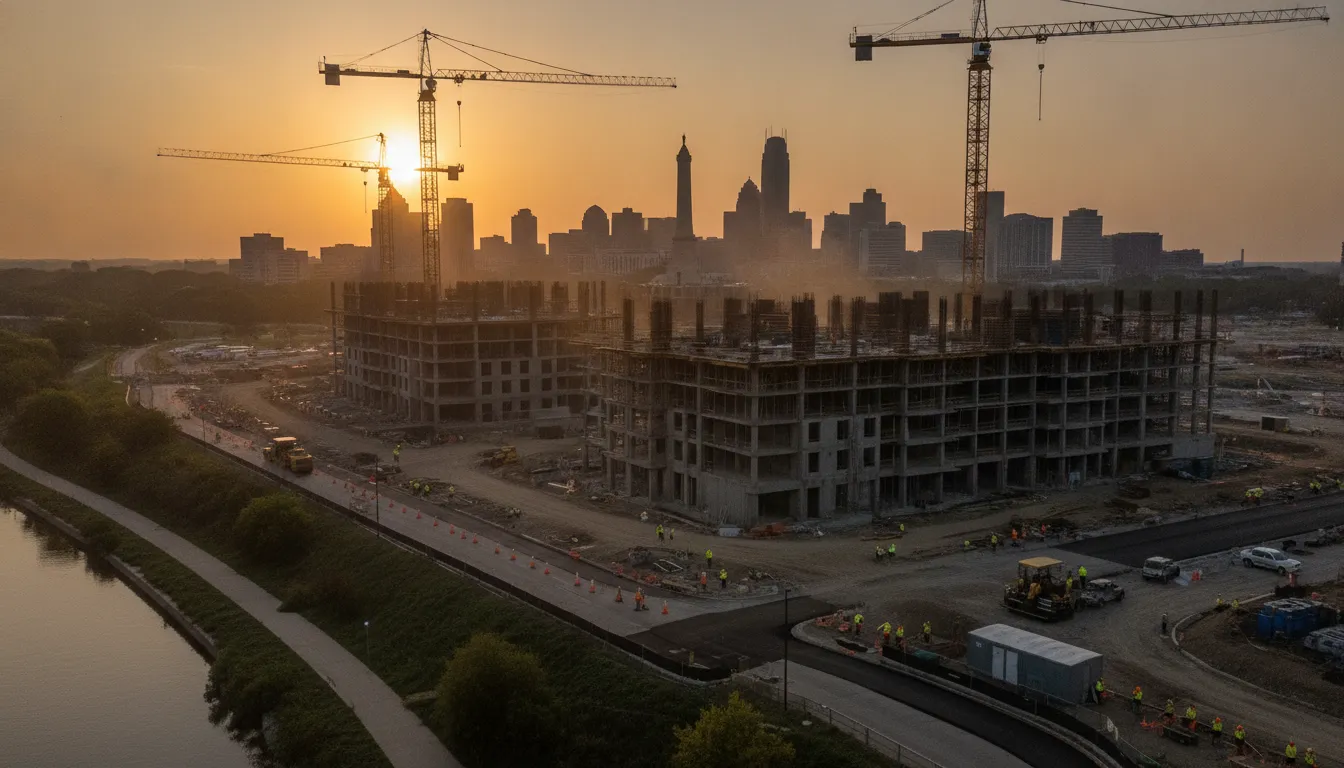
An RFP is a final solicitation, not the beginning of a procurement process. Indiana's own transportation guidance makes that distinction explicit: an RFP does not constitute the commencement of another procurement process for a project. By the time the opportunity appears on a public bid board, competitors may already understand the owner, scope, schedule, and likely delivery team.
That makes the months before release strategically important. Indianapolis contractors can watch for signals that a project is becoming real, including private land sales. Rezonings, commercial permit filings, public hearings, and early conversations with owners, architects, engineers, and construction consultants. These signals do not guarantee an award, but they create time to qualify the opportunity, identify partners. Understand the likely scope, and build a credible relationship before the response deadline compresses every competitor's timeline.
Public hearings can reveal infrastructure direction before a formal solicitation is issued. Permit and zoning activity can indicate where private development is moving. Pre-bid engagement with contractors, consultants, and transportation experts can also shape how agencies evaluate solutions. INDOT describes proactive engagement as part of considering the best way to meet transportation needs, which reinforces the value of being informed before the final request is published.
For a practical framework, use this construction bid intelligence guide to organize signals by project, owner, geography, and likely next step. Indianapolis teams can also pair relationship-building with an Indianapolis commercial permits database to monitor development activity that may eventually create a bid package.
Mercator.ai is AI-powered construction intelligence designed to map project networks and surface private project signals months before public bid boards. The platform can identify opportunities three to six months early and tracks more than 65,000 active projects in real time. That visibility helps business development teams prioritize the projects that fit their capabilities instead of treating every newly posted RFP as an equal prospect.
The bottom line: Firms pursuing construction RFPs Indianapolis opportunities gain leverage by researching the project before the solicitation, developing the right relationships, and preparing around verified early signals. Early intelligence improves readiness and focus, but it does not replace a strong proposal or guarantee a win.

Winning public work starts with treating the RFP as a compliance exercise and a business case. Indianapolis construction firms must show that they understand the owner's requirements, can execute the work, and offer a credible path to value. A polished response that misses one required attachment or deadline can lose before the evaluator considers its strengths.
Read every bid document, amendment, exhibit, and submission instruction before assigning writing or estimating work. The Indiana procurement portal states that the submission process is specific to each event. So do not reuse a prior response without reconciling its format, forms, file names, page limits, and delivery method. Create a compliance matrix that maps every requirement to an owner, a completed file, and a final reviewer.
For complex infrastructure procurements, plan for both a technical proposal and a scope-of-work proposal. INDOT's published materials show these as distinct proposal components. Use the technical volume to explain approach, staffing, sequencing, safety, quality controls, and risk management. Use the scope volume to define what your team will deliver, the assumptions behind it, and how the work aligns with the owner's objectives. Keep the two volumes consistent, especially around schedule, exclusions, and responsibilities.
Indiana procurement rules are unforgiving: proposals received after the stated due date and time will not be considered for award. Set an internal deadline at least one business day early, then schedule a second check for portal confirmation, signatures, file integrity, and amendments. Budget time for pre-bid walkthroughs and questions, and submit clarifications through the designated channel rather than relying on informal interpretations.
Pre-qualify before the opportunity arrives. Maintain current licenses, safety records, insurance, references, financial materials, certifications, and key-personnel resumes in a response library. When a project exceeds your capabilities or capacity, consider a joint venture that combines complementary technical and operational strengths. Define roles, risk allocation, pricing responsibility, and decision rights before the proposal deadline.
The bottom line: A winning RFP response in Indianapolis is complete, criteria-led, internally consistent, and submitted early enough to survive a final compliance check. Preparation turns proposal effort into a repeatable investment instead of a last-minute gamble.
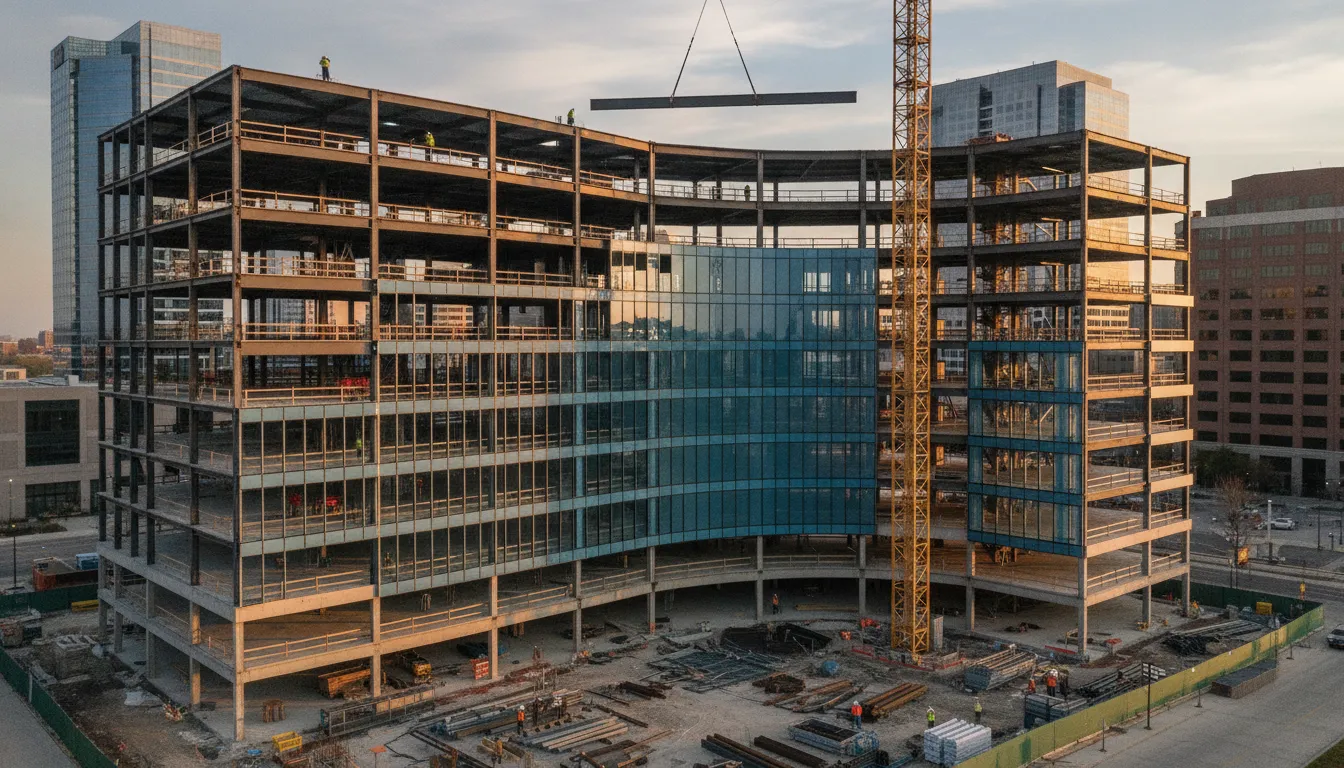
Traditional design-bid-build is not the only route into Indiana public construction. The delivery method determines when contractors can influence design, constructability, risk allocation, and cost. That means firms watching construction RFPs indianapolis should evaluate the procurement model before deciding whether an opportunity fits their strengths.
Progressive Design-Build, or PDB, moves qualified construction expertise closer to the front of project development. Instead of waiting until every design decision is complete, the owner can engage a contractor during design refinement, constructability review, and cost development. This gives the team a better opportunity to identify phasing constraints, supply risks, and practical alternatives before the project reaches final pricing.
INDOT announced its first Progressive Design-Build project with E&B Paving, LLC for improvements on SR 32. The example matters because it shows Indiana public agencies using a model that rewards earlier contractor involvement rather than relying solely on a hard-bid finish. Firms pursuing PDB work should be prepared to demonstrate technical judgment and estimating capability, not just production capacity. INDOT's RFP materials document the project and its delivery approach.
| Delivery Method. | When It Works. | Contractor Role. |
|---|---|---|
| Design-Bid-Build | Well-defined scope and competitive price. | Hard-bid on complete drawings. |
| Progressive Design-Build | Early design, constructability, and cost input. | Engaged during design refinement. |
| CMGC | Complex scope and evolving requirements. | Constructability and estimating support. |
| P3 / Design-Build | Large-scale, long-term infrastructure. | Coordinated delivery and risk management. |
Construction Manager/General Contractor, or CMGC, also creates a role for the builder before the full construction package is finalized. Because CMGC uses a specialized contracting agreement rather than a standard design-bid-build RFP. Firms need the staff and systems to contribute constructability input, manage evolving scope, and support reliable cost estimates.
Public-Private Partnership and Design-Build arrangements can be appropriate for complex, large-scale transportation work where financing, design, construction, and long-term performance must align. INDOT's SR 2/Larrison Boulevard Interchange Final RFP is an example of this broader delivery landscape. These pursuits often demand coordinated teams, disciplined risk analysis, and the ability to explain how technical choices support the owner's objectives.
The bottom line: The best delivery method is the one that matches the project's risk, complexity, and required early input. Track project intelligence before the formal solicitation so your team can decide whether it can add meaningful design, technical, and cost-estimating value, then assemble around that opportunity early.
Book a Live Demo to see how Mercator AI maps construction RFPs indianapolis and the private projects behind them before the bid boards light up.
Start with the City of Indianapolis and Marion County bid-opportunity portal, then monitor Indiana's central procurement list and INDOT's RFP page. Download the event documents, note amendments, and assign an owner to each deadline. The state procurement portal says submission instructions are specific to each event, so the solicitation itself is the controlling checklist. See the City of Indianapolis bid opportunities portal and the Indiana Department of Administration opportunities list.
Use the City of Indianapolis and Marion County "Find Bid Opportunities" workflow for local capital, facility, maintenance, and contractor-pool solicitations. Review the department, scope, eligibility requirements, submission method, and closing time for every event. Local government opportunities are distinct from state transportation work, so firms targeting both markets should track the municipal portal alongside IDOA and INDOT resources.
The process depends on the specific solicitation. Read the complete bid package, confirm whether the opportunity is an RFP, invitation, quote, or contractor-pool request, and follow its registration, question, bond, insurance, and submission requirements. Build in time for addenda and final compliance review. Do not assume a standard workflow applies across events. Because Indiana procurement guidance states that the submission process is specific to each event and late proposals will not be considered for award. Source: Indiana Department of Administration.
Yes. In addition to open bid portals, monitor INDOT notices, public hearings, preliminary project announcements, land activity, permits, and rezoning decisions. An RFP is often a final solicitation rather than the beginning of a project. So earlier signals can give a contractor time to research the owner, form partners, and prepare a relevant response. INDOT describes proactive engagement with contractors and transportation experts as important when evaluating infrastructure solutions. Source: INDOT RFP resources.
Book a live demo today to see how early project intelligence surfaces private construction work across Indianapolis before the public bid boards. Connect with decision-makers months early, choose the right delivery method, and build a response pipeline that wins more work.
Book a Live Demo to see construction RFPs indianapolis and the projects behind them mapped in real time.


.png)