
Case Studies


Every major construction project begins long before the first truck arrives on site. It starts as a series of data points: a title transfer, a rezoning application, a preliminary site plan. For those who know how to read them, these signals are a roadmap to future work. They offer a glimpse into a developer's plans before they are ever publicly announced, giving you a critical head start on the competition. This article will not only showcase the most important Dallas commercial construction projects currently underway but will also teach you how to identify these early indicators, so you can build a robust project pipeline and secure your place on the most valuable deals.
Dallas is a hotbed of construction activity, with new projects breaking ground across the city and its suburbs. From towering office buildings to sprawling industrial parks, the opportunities for general contractors, subcontractors, and suppliers are immense. Understanding the key trends and major projects underway is the first step to getting your foot in the door. Let's look at the specific sectors that are driving the most significant growth and shaping the future of the Dallas-Fort Worth metroplex.
The demand for integrated live-work-play environments is transforming Dallas neighborhoods. We're seeing a major push for large mixed-use developments that combine residential units, retail storefronts, office spaces, and green areas into single, cohesive communities. These projects are complex and require a wide range of trades, from excavation and concrete to high-end interior finishing. For contractors and suppliers, these developments represent long-term opportunities to build relationships and secure work across different phases of construction. As Dallas continues to densify, these community-focused projects are becoming the new standard for urban planning, creating vibrant hubs for residents and businesses alike.
Despite shifts in work culture, the demand for premium office space in Dallas remains strong. Major companies are either relocating to the area or expanding their existing footprint, fueling a need for modern corporate campuses and high-rise offices. For example, one prominent law firm recently announced an expansion of nearly 148,000 square feet, a clear indicator of the city's healthy corporate climate. These projects often come with high standards for technology, sustainability, and employee amenities, creating specialized opportunities for subcontractors. Keeping an eye on corporate relocations and expansions can help you anticipate where the next big office project will break ground.
The industrial sector is experiencing explosive growth, particularly with the construction of massive warehouses, distribution centers, and data centers. This boom is especially visible in Fort Worth and the surrounding suburbs, where land is more available. The surge is powered by the relentless growth of e-commerce and the increasing need for robust data infrastructure. This trend is a direct reflection of Texas's strong economic foundation in logistics, manufacturing, and global trade. For firms specializing in concrete, steel erection, and complex electrical systems, the industrial construction wave offers a steady stream of large-scale projects.
To support its rapid growth, Dallas is investing heavily in its infrastructure. Massive transportation projects are underway to improve connectivity and reduce congestion. A prime example is the $888 million I-30 Canyon project, which involves expanding lanes and upgrading rail crossings in the heart of the city. While these projects create significant opportunities for heavy civil contractors and material suppliers, they also reshape the commercial landscape around them. Upgrades like these not only improve traffic flow but also pave the way for future private developments along these improved corridors, creating a ripple effect of new opportunities.
Dallas isn't just growing; it's diversifying. The city's commercial real estate landscape is a vibrant mix of different property types, each telling a story about the region's economic health and future direction. For general contractors and suppliers, understanding these trends is key to positioning your business for success. It’s not just about knowing that construction is happening, but knowing what kind of construction is in high demand. From gleaming office towers shaping the skyline to sprawling industrial parks fueling the supply chain, the opportunities are as varied as the city itself.
The boom extends across several key sectors. Corporate relocations and expansions are driving a steady need for modern office space, while a growing population is fueling demand for new retail experiences, healthcare facilities, and housing. At the same time, Dallas-Fort Worth has solidified its role as a critical logistics hub, leading to an insatiable appetite for warehouses and distribution centers. By digging into which property types are gaining the most traction, you can better anticipate market needs, identify promising leads, and get your services specified on the most valuable projects long before the first shovel hits the ground.
If you look at the Dallas skyline, you’ll see clear evidence of a thriving business scene. Unlike many other major US cities, the Dallas office market is performing exceptionally well. This strength is fueled by a steady stream of corporate relocations and expansions from companies drawn to the city’s business-friendly environment and talented workforce. As a result, there's a consistent demand for new high-rise office buildings and corporate campuses designed to attract top talent. For contractors, this trend signals ongoing opportunities in core and shell construction, tenant improvements, and high-end interior finishing projects that cater to modern workplace expectations.
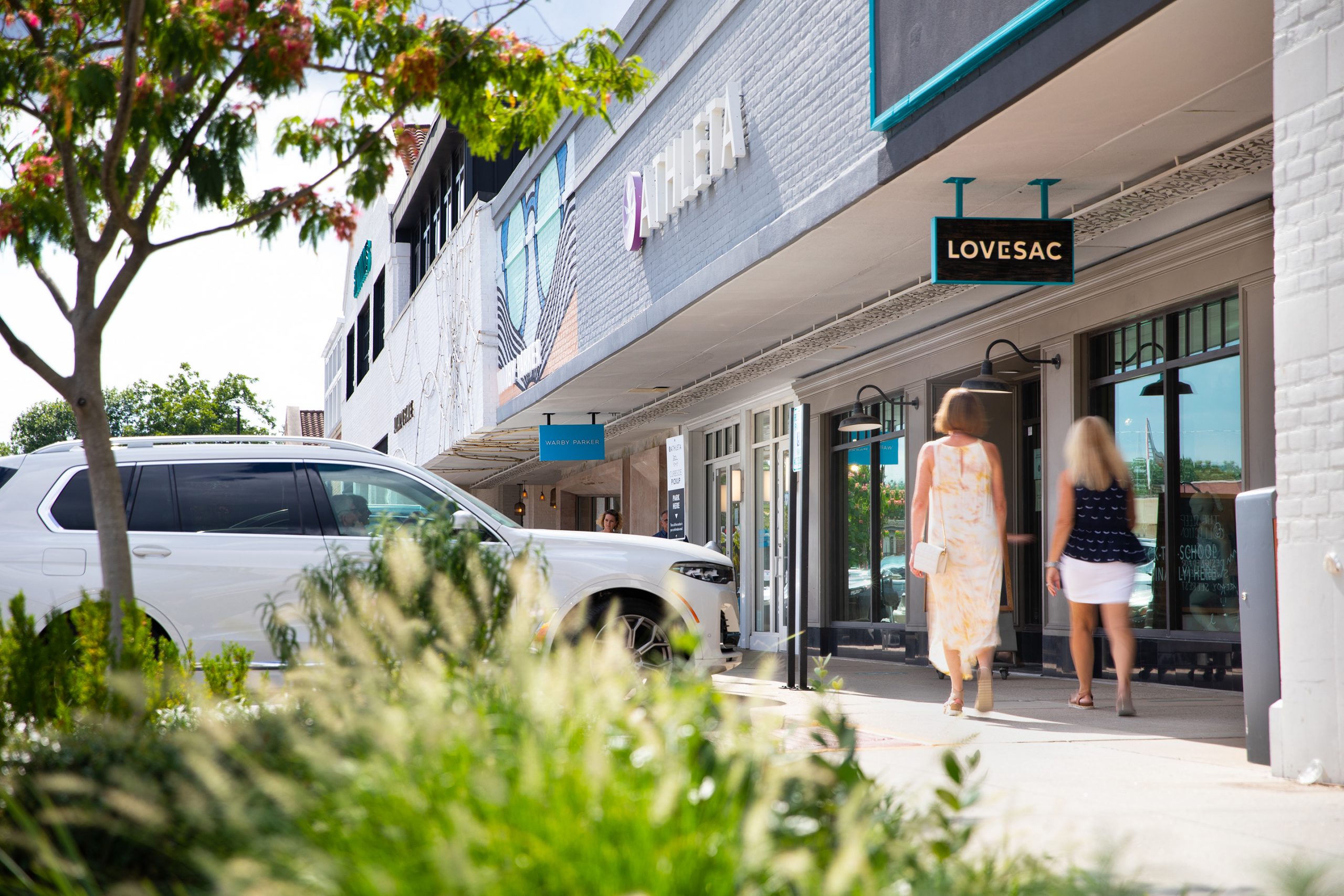
The way people shop and spend their leisure time is changing, and Dallas development is changing with it. The trend is moving away from traditional, standalone retail centers toward dynamic, mixed-use environments. These projects are designed as community hubs, blending retail stores and restaurants with residential units, office spaces, and entertainment venues all in one walkable area. This integrated approach creates a lively atmosphere that keeps people engaged and on-site longer. For construction firms, this means projects are more complex, often requiring expertise in building everything from storefronts and theaters to parks and pedestrian-friendly streetscapes.
Dallas-Fort Worth has become a powerhouse for logistics, and the demand for industrial space reflects that. The region consistently leads the nation in industrial construction, with a major push for new warehouses and distribution centers. This boom is driven by the area's explosive population growth, which increases consumer demand, and its central location, which makes it an ideal hub for e-commerce and supply chain operations. For contractors and suppliers specializing in concrete, steel, and large-scale commercial construction, the industrial sector offers a steady stream of large, impactful projects, particularly in Fort Worth and the surrounding areas.
As the Dallas population grows, so does the need for quality healthcare and specialized housing. This demographic shift is creating a significant demand for new medical facilities, clinics, and senior living communities. Developers are actively working to meet this need, with a noticeable increase in projects designed for an aging population. These facilities require a specialized approach to construction, focusing on accessibility, safety, and creating a comfortable environment for residents and patients. This sector presents a growing opportunity for firms with experience in building complex, highly regulated, and people-centric spaces.
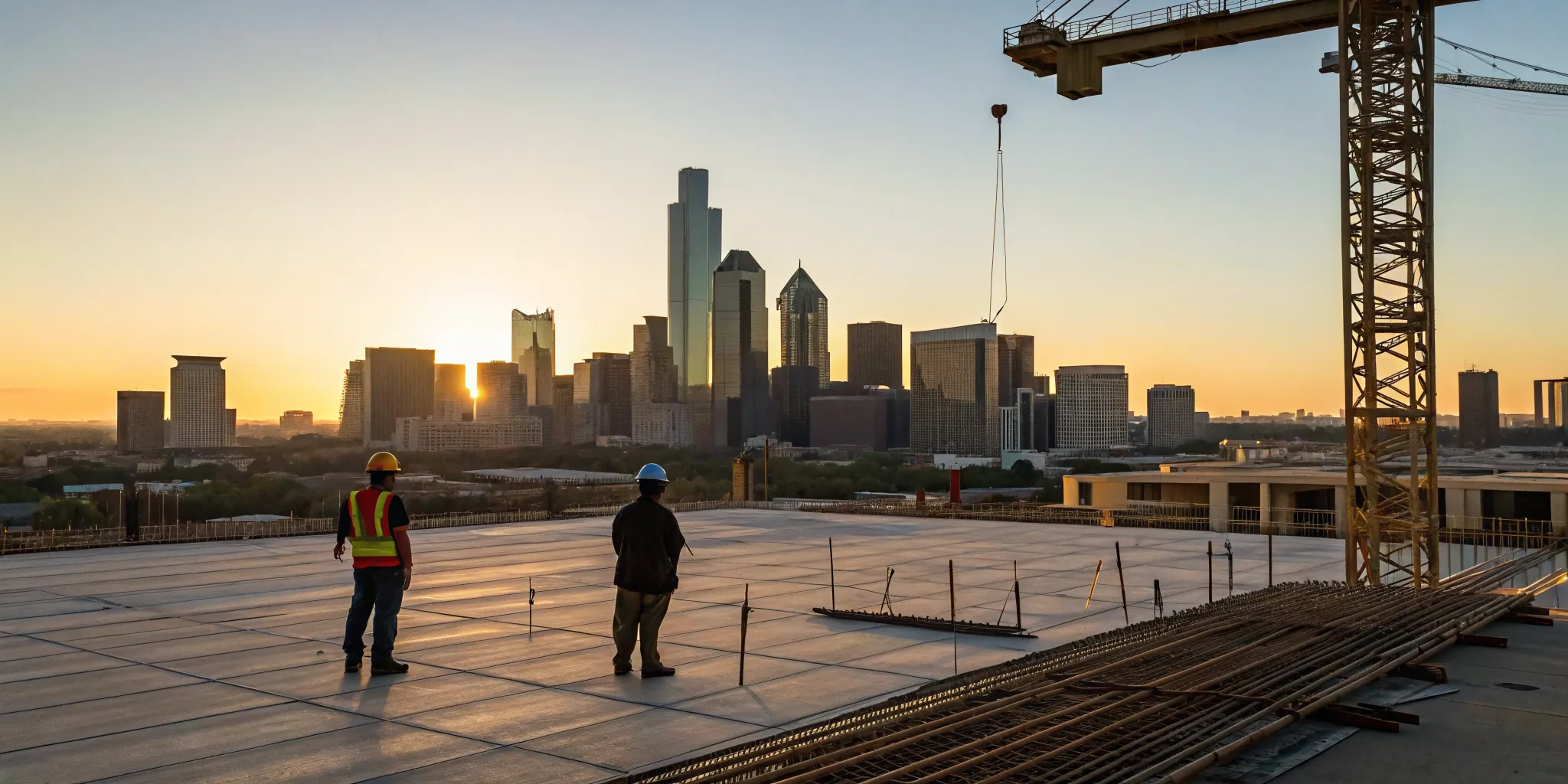
When you see cranes dotting the Dallas skyline, you’re looking at more than just new buildings going up. You’re seeing the engine of the local economy at work. Commercial construction is a powerful force that creates a ripple effect, touching nearly every aspect of the city’s financial health. From creating jobs to funding public services, these projects are fundamental to Dallas’s growth and prosperity. Understanding this impact helps you see the bigger picture and identify where the most significant opportunities lie.
It’s easy to see the direct jobs a construction project creates: carpenters, electricians, project managers, and engineers are all on site. But the impact goes much deeper. For every construction worker, there are numerous other jobs supported in related industries. Architects and designers draft the plans, manufacturers produce the steel and glass, and logistics companies transport materials. Once a building is complete, it needs facility managers, security staff, and maintenance crews. If it’s an office tower or retail center, it fills up with new corporate and service-sector employees, creating a diverse range of jobs that strengthen the entire community.
Modern, high-quality commercial spaces are a magnet for businesses. Companies looking to relocate or expand need state-of-the-art offices, efficient warehouses, and attractive retail locations. Dallas’s construction boom provides exactly that, making it a top destination for corporate headquarters and major operational hubs. This influx of companies brings new capital and talent to the region. As the population grows, it fuels even more demand across the commercial real estate market. This creates a positive cycle where new construction attracts more business, which in turn creates the need for more development projects.
Commercial construction has a direct and positive impact on the city’s finances. When a new office building or industrial park is developed, it immediately increases the value of that property and often lifts the value of surrounding real estate as well. This expanded tax base generates more revenue for local governments. These funds are essential for improving public services like schools, parks, transportation, and public safety. With Texas seeing billions in nonresidential construction, the contributions from these projects help build a more resilient and well-funded community for everyone, creating a better environment for both residents and businesses.
Commercial construction isn’t just about short-term gains; it’s about laying the groundwork for a prosperous future. Each new project adds to the city’s infrastructure and economic capacity. A new manufacturing plant or data center, for example, can anchor an entire supply chain and support innovation for decades to come. This ongoing development builds on the region’s existing strengths, particularly in industrial and tech sectors. By continually investing in its physical landscape, Dallas ensures it remains competitive and can support sustained economic growth. This forward-looking approach is why the construction you see today is a reliable indicator of the city’s long-term health.
Dallas is a city on the move, with cranes dotting the skyline and new projects breaking ground constantly. But this rapid growth doesn't come without its hurdles. For every exciting new development, there are complex challenges that general contractors, subcontractors, and suppliers have to work through. These aren't just minor speed bumps; they are significant issues that can impact a project's timeline, budget, and ultimate success.
From navigating the logistical puzzle of building in a bustling city to dealing with economic headwinds, the construction landscape in Dallas is as demanding as it is promising. Success requires more than just technical skill. It demands a deep understanding of the local environment, a proactive approach to problem-solving, and the ability to adapt to changing conditions. Understanding these challenges is the first step to preparing for them and finding the right opportunities that align with your company's strengths. Let's look at some of the biggest obstacles Dallas construction projects face today.
Anyone who has driven through Dallas knows that traffic is a constant battle. Now, add a major construction project to the mix. Large-scale developments, especially infrastructure upgrades, can create significant disruptions. While the long-term goal is to improve flow, the short-term reality involves detours, road closures, and logistical headaches for everyone.
This doesn't just affect commuters; it has a real impact on the community. According to one report on the I-30 Canyon project, businesses near the construction are worried that disruptions will make it difficult to stay open. For contractors, this means careful planning and clear communication are essential to minimize the negative impact and maintain good relationships with the surrounding community.
Dallas's explosive population and business growth are putting a massive strain on its existing infrastructure. Roads, bridges, and public transit systems built for a smaller city are now struggling to keep up with demand. This means many of the largest construction projects in the area are not just about adding new buildings but about fundamentally upgrading the city's core systems.
For example, the I-30 Canyon project is designed to add more lanes to the highway, increasing capacity from six main lanes to twelve. These projects are incredibly complex, involving coordination with multiple public agencies and working around active transportation corridors. For firms involved in this type of work, it presents a huge opportunity but also requires specialized expertise in large-scale civil engineering and public works.
Beyond the physical job site, construction firms in Dallas are also contending with a fluctuating economic climate. Broader market trends can have a direct impact on project viability, material costs, and labor availability. Factors like interest rates, inflation, and supply chain disruptions can turn a profitable project into a risky venture overnight.
According to a Dallas Fed report, Texas has seen a slowdown in job growth, and construction activity has slowed amid economic uncertainty. This environment makes it even more critical for construction businesses to be selective about the projects they pursue. Having early insight into new opportunities allows you to get ahead of the competition and secure work that aligns with your financial strategy, even when the market is unpredictable.
Today's construction projects are about more than just concrete and steel. There's a growing focus on building in a way that is sustainable, responsible, and in line with the community's vision for the future. This involves navigating a complex web of zoning laws, environmental regulations, and community expectations.
In an effort to modernize its approach, the city is undergoing a Dallas Zoning Reform process. The goal is to simplify the rules and enable more predictable development that fits within the city's long-term comprehensive plan. For developers and contractors, this means staying on top of changing regulations and engaging with community stakeholders to ensure projects not only get approved but are also welcomed by the neighborhoods they are built in.
The City of Dallas isn't just a backdrop for construction; it's an active partner in shaping its future. For general contractors, subcontractors, and suppliers, understanding the city's role is key to finding and winning projects. Dallas uses a combination of clear regulations, financial incentives, and major infrastructure investments to guide growth. This creates a predictable environment where developers are encouraged to build, meaning more opportunities for you. By getting familiar with the city's processes, you can better position your business to be part of Dallas's expansion.
Think of zoning as the city’s rulebook for development. It dictates what can be built where, from towering office buildings in Uptown to sprawling industrial parks in the south. Dallas uses zoning regulations to ensure that growth is orderly and that new projects fit the needs of the community. For your business, these codes provide a clear roadmap. When you know an area is zoned for commercial use, you can anticipate future projects and start building relationships with landowners and developers long before a permit is ever filed. It’s all about seeing the potential that the city has already laid out.
To encourage specific types of development, the City of Dallas offers various economic incentives. These programs can make a project more financially attractive for a developer, often providing the final push needed to get it off the ground. For example, the city is actively working on zoning reform to simplify rules and align them with the Forward Dallas plan, which makes the development process more predictable. When developers can save money or move through approvals faster, they are more likely to start new projects. For you, this translates directly into more bids, more work, and more opportunities to get your services specified early.
Every construction project has to go through the city's permitting and approval process. While it can seem like a lot of paperwork, it’s the system that ensures every building is safe, compliant, and built to last. A city with a clear and efficient permitting process is a city that wants to see projects succeed. You can track new projects by keeping an eye on submitted applications, which gives you a direct line of sight into upcoming work. Using a tool like Mercator's Free Permits App can help you monitor this activity and spot opportunities as soon as they become public record.
Nothing signals a city’s commitment to growth like major investments in its infrastructure. When Dallas pours money into new highways, public transit, and utilities, it’s laying the groundwork for future private development. A great example is the massive $888 million I-30 Canyon project, which is designed to improve traffic flow and connect different parts of the city. These large-scale public works not only create immediate jobs for contractors but also make the surrounding areas more attractive for new offices, retail centers, and residential buildings. Following these investments can point you to the next big growth corridors.
Dallas's growth isn't happening in just one place; it's a story being told across the entire metroplex. From the heart of downtown to the sprawling suburbs and industrial hubs, different neighborhoods are experiencing unique construction booms. For general contractors and suppliers, knowing where the action is happening is the first step to getting in on the ground floor. Understanding these key growth areas helps you position your business to meet the demand and find projects that align with your expertise. Let's look at the specific hotspots that are shaping the future of Dallas construction.
Downtown Dallas is experiencing a major comeback. The area is buzzing with new construction, particularly mixed-use developments that blend residential, retail, and office spaces into vibrant, walkable communities. This trend is transforming the urban core, creating a dynamic environment where people can live, work, and play. For construction professionals, this means a diverse range of opportunities, from high-rise residential towers to ground-floor retail fit-outs and modern office interiors. This revitalization is a direct response to the area's growing population, which is creating strong demand for new housing, jobs, and services. Keeping an eye on downtown development news can give you a heads-up on the next big project.
The northern suburbs, especially the Dallas-Plano-Irving corridor, have become a powerhouse for business and finance. As more companies relocate or expand here, the demand for new corporate campuses and office buildings is surging. This area is a magnet for talent, and the population boom is fueling job growth across every sector. This creates a ripple effect, leading to construction projects for not just offices, but also the retail, dining, and service businesses that support these corporate hubs. For contractors, this means opportunities to build long-term relationships with major corporations and developers shaping this thriving business corridor.
The suburbs are no longer just bedroom communities. Places like Frisco are at the center of an incredible expansion, with massive, multi-billion dollar projects in the pipeline. This growth is driven by a diverse mix of industries moving into the area, creating a robust local economy and a wide array of job opportunities. This isn't just about building new homes; it's about creating entire communities from the ground up. The demand extends to schools, healthcare facilities, retail centers, and entertainment venues. For construction firms, the suburban boom presents a chance to work on a variety of projects that form the backbone of these rapidly growing cities.
While corporate campuses rise in the north, South Dallas County is cementing its status as a critical industrial hub. Driven by Texas's strong energy, manufacturing, and export sectors, the region is seeing a massive wave of new industrial construction. This boom is focused on warehouses, distribution centers, and advanced manufacturing facilities designed to support the modern supply chain. For general contractors, subcontractors, and suppliers specializing in concrete, steel, and logistics infrastructure, South Dallas County is a land of opportunity. Staying informed on the state's industrial market trends is key to capturing work in this fast-moving sector.
Finding your next big project in a competitive market like Dallas means shifting from a reactive to a proactive mindset. Instead of waiting for projects to appear on public bid boards, the real advantage comes from spotting opportunities months, or even years, before the first shovel hits the ground. It’s about knowing where to look for early signals, using the right tools to interpret them, and building the relationships that turn a lead into a signed contract. Let’s break down a few strategies to get you ahead of the curve.
Public records are a goldmine of information if you know how to read them. Early indicators like title transfers, rezoning applications, and initial permit filings can signal a major project long before it’s publicly announced. For instance, a developer buying several adjacent plots of land is a strong hint that something big is planned. Similarly, understanding zoning laws and tracking applications for changes can reveal the intended use of a property. The challenge is that this data is scattered across various municipal departments and can be difficult to track consistently. Manually checking these sources is time-consuming, but it’s the first step to seeing what’s coming up on the horizon.
By the time a project lands on a public bid site, you’re already late to the party. Key decisions about materials and partners have often been made, and you’re left competing on price alone. To truly get ahead, you need to find opportunities before they become public knowledge. While platforms are useful for finding commercial construction projects that are ready for bidding, the goal is to engage with the project team during the planning stages. This is when you can build relationships, understand the project’s needs, and position your company as a valuable partner, not just another bidder. Getting in early changes the entire dynamic of the conversation.
Manually sifting through thousands of permits and property records is nearly impossible. This is where technology becomes your most valuable asset. Modern platforms can aggregate and analyze vast amounts of public data, flagging early-stage opportunities in real time. Imagine getting an alert the moment a commercial demolition permit is filed or when a developer known for large-scale projects acquires new land. Tools like Mercator's Free Permits App can help you monitor this activity effortlessly. Using technology allows you to connect the dots between disparate pieces of information, giving you a clear picture of a project’s trajectory before your competitors even know it exists.
Technology points you to the opportunity, but relationships help you win it. The Dallas construction scene is dynamic, with many new mixed-use developments constantly reshaping the city. Building a strong network of architects, engineers, developers, and property owners is essential. Attend local industry events, engage with leaders on LinkedIn, and make genuine connections. When you get an early lead from your data analysis, your network is who you call to validate the information and get an introduction. These relationships provide the context that data alone can’t, helping you understand the key players and their needs so you can tailor your approach effectively.
With so much happening, which type of commercial project offers the most opportunity right now? While high-profile office and mixed-use projects get a lot of attention, the industrial sector is showing incredible momentum. The demand for warehouses and distribution centers, especially in South Dallas County and Fort Worth, is consistently strong. This is driven by the region's growth as a logistics hub. That said, opportunities are abundant across the board, so the best fit really depends on your specialty.
I hear a lot about market uncertainty. Is now a good time to be pursuing new construction projects in Dallas? It's smart to be mindful of economic shifts, but the Dallas market has proven to be remarkably resilient. The steady flow of corporate relocations and strong population growth continue to fuel demand for new construction. The key is to be strategic. Instead of chasing every bid, focus on identifying high-quality projects with solid financial backing early in their lifecycle. This allows you to build relationships and secure your position before market fluctuations have a major impact.
How can I realistically track early-stage projects without spending all my time digging through city records? Manually tracking public records like permits, title transfers, and rezoning applications is incredibly time-consuming and often feels like searching for a needle in a haystack. The most effective approach is to use technology designed for this purpose. Platforms that aggregate and analyze this data for you can send real-time alerts about promising activity, allowing you to spot opportunities months before they become common knowledge and focus your energy on building relationships instead of doing research.
Should my business focus on projects in downtown Dallas or in the growing suburbs like Frisco? There isn't a single right answer; it depends on your business model. Downtown is seeing a surge in complex mixed-use and high-rise projects that require a specific type of expertise. In contrast, suburbs like Frisco offer a wider variety of developments, from corporate campuses to entire master-planned communities. Consider where your ideal projects are concentrated and where your existing network is strongest, but don't be afraid to explore new areas where demand is clearly heading.
Besides finding leads, what's the biggest advantage of getting involved in a project early? Getting in early fundamentally changes your position from a bidder to a partner. When you connect with the project team during the planning stages, you have the opportunity to influence decisions and get your services or materials specified from the start. This moves the conversation away from being solely about the lowest price and allows you to demonstrate your value and expertise, leading to more profitable and collaborative work.


.png)