
Case Studies


Book a Live Demo to see how Mercator.ai helps teams act on DFW industrial projects before a bid invitation makes the opportunity obvious. The earliest useful clues often appear in land, zoning, planning, permit, tenant, and ownership activity, not in a bid board.
For a general contractor, subcontractor, or supplier, early visibility is only valuable when it leads to a smart next action. The goal is not to collect every industrial filing across Dallas-Fort Worth. It is to connect the right signals, decide whether a project fits your business, and start a relevant relationship before the field of competitors is crowded.
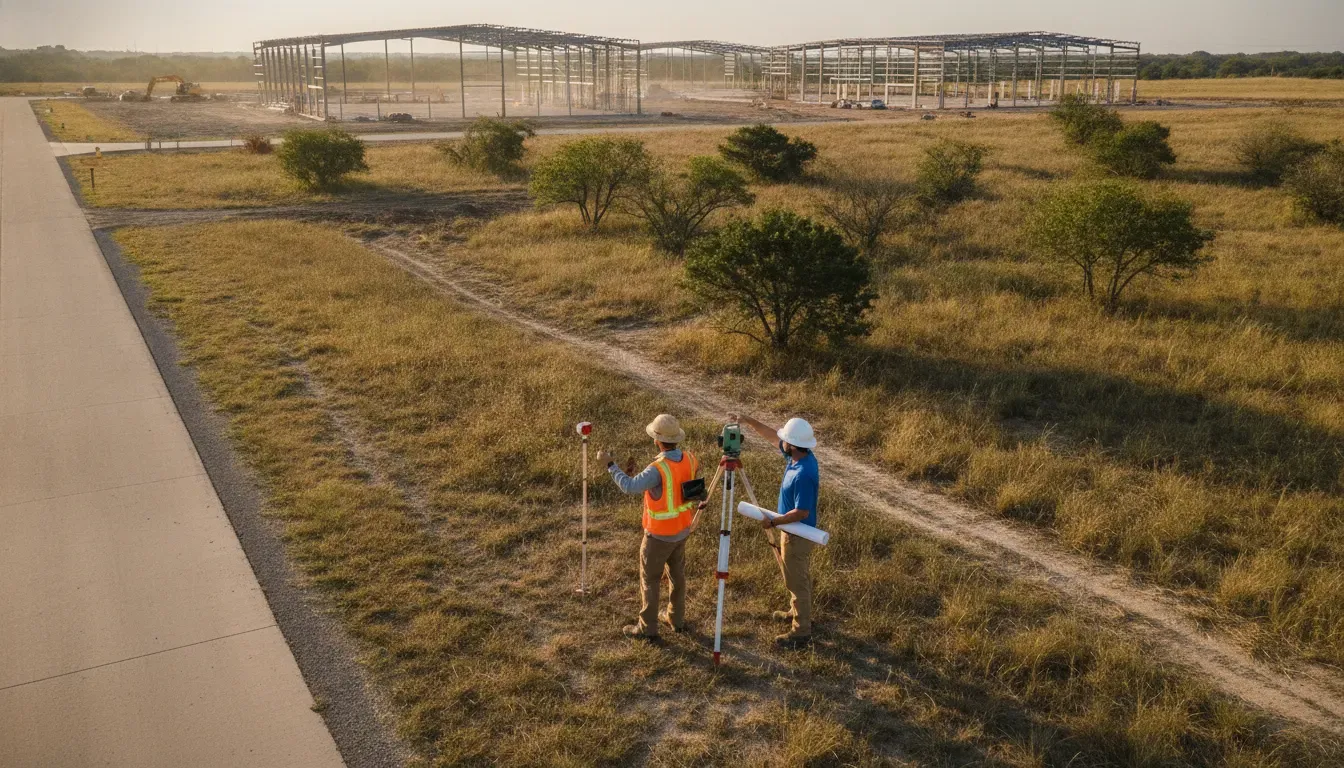
In short: The best DFW industrial opportunities are not simply the largest sites. They are projects with a credible development signal, a workable fit for your capabilities, a reachable stakeholder, and enough lead time to build a relationship. Prioritize opportunities where those four conditions reinforce one another.
Industrial development in DFW is distributed across many cities, counties, and special districts. A logistics park near the airport, a warehouse proposal in a fast-growing suburb, and a manufacturing expansion may follow different local review paths. That makes a single list of "the biggest projects" less useful than a repeatable way to evaluate what deserves attention.
Start with a clear pursuit profile:
This approach also keeps the article's focus broader than one sector. Data centers may be part of the DFW industrial landscape, but the same discovery process can apply to logistics, distribution, manufacturing, cold storage, flex space, and other private commercial development.
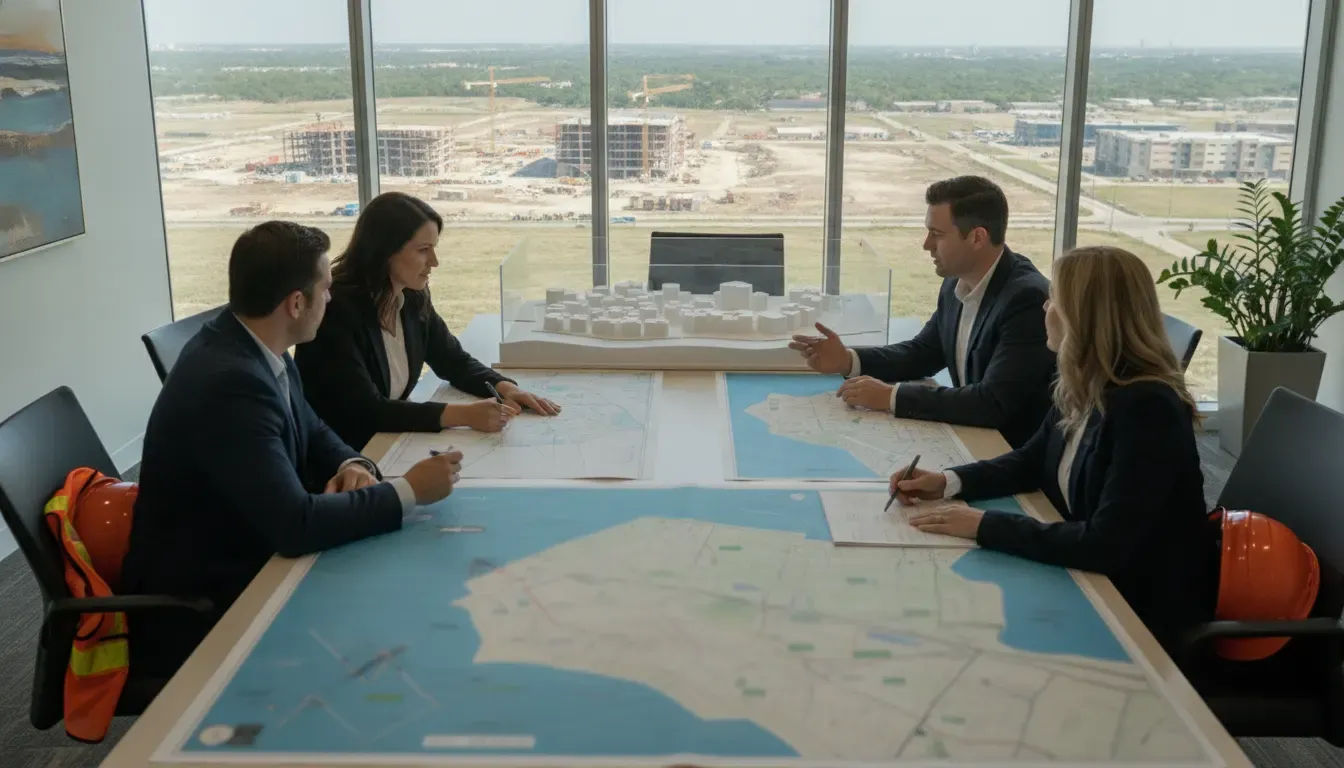
In short: Early DFW industrial project signals usually appear as a sequence: land or ownership movement, a planning or zoning action, site or plat activity, permit progress, and then a clearer developer, tenant, or construction-stage change. No single record proves a project is ready to pursue, but connected signals can reveal direction.
Organize discovery around the project lifecycle rather than around one source. The following signal groups help teams move from a raw record to a qualified opportunity:
For example, the City of Dallas zoning resources page links to maps, zoning tools, intake logs, and DallasNow planning submissions. The practical lesson is not to treat DallasNow as a universal DFW database. It is to learn how one important jurisdiction exposes early planning information, then repeat the same question across the municipalities that matter to your territory.
Mercator.ai is designed around this kind of multi-signal construction intelligence. Its platform analyzes early activity such as title transfers, rezoning, and permits so construction teams can investigate a possible opportunity before it becomes a conventional bid lead.
In short: Read a record for what it tells you, what it does not tell you, and what you need to verify next. A zoning action can indicate intended use without confirming a contractor. A permit review can indicate progress without identifying the final scope. Good research preserves those distinctions.
Use a simple evidence ladder when reviewing DFW industrial projects:
| Evidence level | What it can tell you | Next question |
|---|---|---|
| Early context | Land, ownership, or entitlement activity may be changing. | What use, site, or stakeholder appears to be emerging? |
| Planning direction | Zoning, plat, or site-plan activity gives the concept more shape. | Which jurisdiction and project contacts can confirm the direction? |
| Execution signal | Plan review, utility work, or permits suggest movement toward construction. | What scope and timing fit our team? |
| Pursuit signal | Stakeholder, tenant, or site activity makes outreach more relevant. | What useful insight can we bring to the conversation now? |
Local process matters. The City of Fort Worth Development Services describes planning, development coordination, building permits, inspections, platting, pre-development conferences, and related resources. A team working in Fort Worth should understand that workflow rather than assume a Dallas record type or timeline applies across the metroplex.
Also separate discovery from verification. Use a record to decide what deserves research. Then confirm the property, project type, likely stakeholders, current stage, and fit before putting it into an active pursuit queue. This keeps your team from overreacting to duplicate filings, administrative updates, or projects that never advance.
Explore the Free Permits App for a lower-commitment way to see how permit data can support construction opportunity research, then use a broader intelligence workflow when your team needs more context.
In short: Reach out when you can connect a verified signal to a useful, specific reason for a conversation. Early outreach should create familiarity and offer relevant help, not force a bid request before the project is ready. As the project advances, move from learning to qualification, coordination, and pursuit planning.
A practical outreach sequence looks like this:
For subcontractors and suppliers, the window may be even earlier than the formal bid stage. An early conversation can help clarify design intent, specification needs, lead times, or technical constraints. That does not ensure selection, but it can create a more useful position than waiting for a public invitation with no relationship history.

In short: Score each opportunity on fit, evidence, access, timing, and effort. A simple shared model is more valuable than an impressive but inconsistent project list. Prioritization should tell the BD team where to spend the next hour, who owns the action, and what evidence would change the decision.
Use a five-part score, such as low, medium, or high, rather than pretending to know a precise probability:
Then assign a next action to every qualified record. Examples include confirming a parcel, checking a planning update, identifying an existing relationship, sharing a relevant capability, or scheduling a follow-up after the next milestone. A record without an owner and next action is research, not pipeline.
Mercator.ai helps teams organize this work around project timelines, stakeholder information, alerts, and relationship context. The value is not a promise that every signal becomes a project. The value is a clearer way to decide which opportunities deserve attention before the market is saturated with bidders.
Book a Live Demo to See Projects and ask how Mercator.ai can help your DFW team connect early signals to a more focused business development process.
In short: Combine municipal planning and permitting resources with regional development context, site research, relationship knowledge, and a system for monitoring changes. Public sources provide important evidence, while a construction intelligence workflow helps teams connect records, people, stages, and actions.
Useful source categories include:
The DFW International Airport logistics and industrial resources show why source context matters. The airport publishes distinct logistics, industrial, and flex development districts with different locations and access patterns. That information can help a team understand the type of development environment it is researching, but it should not be mistaken for a complete metro-wide project list.
The same discipline applies when using Dallas construction leads content as a starting point. A broad lead-generation guide can help frame local business development, while this guide focuses on how to identify and qualify industrial opportunities across DFW before bid-stage visibility.
In short: Finding DFW industrial projects early is a process of combining signals, checking local context, qualifying fit, and building relationships before a bid is widely visible. The best workflow does not treat every record as a lead. It gives your team a consistent way to decide what deserves attention next.
Early signals can include land or ownership changes, zoning and planning activity, plats, site plans, permit filings, utility or infrastructure activity, tenant announcements, developer activity, and construction-stage changes. A single signal is a research prompt. Multiple connected signals provide stronger evidence that a project may be advancing.
No. DFW industrial development can include logistics, distribution, manufacturing, cold storage, flex space, warehouses, and other private commercial uses. Data centers are one category, but a broad industrial opportunity workflow should evaluate project type, stage, fit, and stakeholder access rather than assume one trend explains the whole market.
Subcontractors can use early intelligence to identify the owner, developer, design team, tenant, and likely project stage before bid invitations circulate. That context supports more relevant outreach, specification conversations, capacity planning, and relationship development. It does not replace scope confirmation or a formal procurement process.
Require a basic qualification checklist: confirm the site, identify the likely use, connect more than one signal, check project stage, assess fit, and assign a next action. Remove or downgrade records that are duplicates, stale, outside your geography, or unsupported by current evidence.
Mercator.ai provides construction intelligence for early project discovery, including signals such as title transfers, rezoning, permits, project timelines, stakeholder information, alerts, and relationship context. Book a Live Demo to discuss how that workflow may fit your DFW business development process.
Book a Live Demo to See Projects and build a more proactive approach to DFW industrial projects.


.png)