
Case Studies


Hotel deals rarely begin with a press release. Long before a developer names the brand or selects a general contractor, the public record can show the truth. A property transfer, a zoning request, or a building plan submission may move through review first.
Book a live demo to see which hotel construction projects indiana are being seeded before they reach the bid boards.
The clearest way to spot hotel construction projects indiana early is to connect those signals instead of treating each record as an isolated event. Title-transfer notices can point to a change in ownership. Plan commission activity can reveal a proposed hospitality use. Indiana's building-plan records can show when design and construction are becoming real. Together, they can give business development teams a 3-6 month lead over conventional project discovery.
That lead matters because early intelligence creates time for research, relationship building, and a better-informed pursuit strategy. The opportunity is not simply finding a permit. It is understanding how separate municipal actions combine to reveal a project while the market is still quiet.
Hotel construction projects in Indiana rarely begin with a press release. The earliest evidence usually appears in public records, where land activity, zoning decisions, and building-plan submissions reveal that a private hospitality deal is moving forward.
By the time a developer announces a new hotel, the project may already have passed several meaningful milestones. A property can change hands through a title transfer, a parcel can enter a rezoning process, or a design team can submit plans for review. Each event creates a trace that business development teams can monitor before the project reaches a public bid board or a ribbon-cutting campaign.
That timing matters for general contractors, specialty subcontractors, suppliers, and building product manufacturers. Early visibility creates room for relationship-based selling. A team can identify a likely hotel site while the ownership group, architect, or developer is still assembling the project. That same team can pursue the right introduction before the scope, schedule, and preferred vendors are locked in.
Private development is not invisible simply because the owner has not made an announcement. The transaction and approval process generates records across multiple public systems. County property records may show a purchase or transfer. Local planning materials may indicate a change in permitted use or a request to increase development intensity. Municipal permit portals can then expose applications tied to building, site, or infrastructure work.
These signals are more useful in combination than in isolation. A title transfer by itself may reflect an ordinary investment. A rezoning request by itself may never become a hotel. When both appear near a parcel and are followed by plan activity, however, the evidence becomes materially stronger. That sequence helps separate a plausible hospitality lead from general real estate movement.
The Indiana Department of Homeland Security publishes real-time building plan submissions and releases through its project activity records. The agency describes the information as including "Real-Time Plan Submissions and Releases," making it a useful state-level source for tracking construction activity before broader market coverage catches up. Teams can use this signal alongside local land and zoning records to investigate where a hotel project is advancing and what stage it may have reached. Review Indiana's real-time plan submissions and releases.
For teams building a repeatable hospitality pipeline, the practical goal is not to predict every project from one record. It is to connect multiple weak signals early, validate the opportunity, and assign the right next action. A focused source such as construction project alerts for Indiana can help turn scattered public activity into a monitored pipeline rather than a one-time search.
In short: Hotel projects often become visible through title transfers, rezoning activity, and plan submissions months before an announcement. Tracking those records gives Indiana construction sellers a chance to build relationships before the opportunity becomes crowded.

Most hotel projects become visible to the public only after the developer has made several commitments. By then, the general contractor, design team, and key suppliers may already be selected. The stronger opportunity is to watch the public records that appear earlier, often months before a formal announcement or bid-board posting.
Three signals are especially useful when tracking hotel construction projects in Indiana. Watch for a change in land ownership, a zoning or site-plan action, and a building plan submission or permit. Each signal is meaningful on its own. Together, they create a more reliable picture of a project moving from concept to execution.
A recorded title transfer or commercial land acquisition is often the first visible clue. A developer may purchase a parcel through a newly formed entity and assemble multiple adjacent properties. The deal may happen before the hotel brand or operating partner is disclosed. Indiana's Department of Revenue provides notice procedures for bulk transfers, creating a public record that can help reveal ownership changes tied to larger commercial transactions.
Ownership alone does not prove a hotel is coming. The stronger pattern is a recent acquisition in a location that supports hospitality demand, followed by zoning activity or references to lodging, conference space, or mixed-use development. Treat the transfer as an early-warning event that warrants monitoring, not as a confirmed opportunity.
Hotels frequently require land-use approvals before construction documents can advance. Rezoning requests, conditional-use applications, site-plan reviews, and plan commission agendas can expose the intended use, approximate room count, building scale, parking plan, and development team. These filings may appear well before the owner issues a press release.
Plan commission records are particularly valuable because they connect a parcel to a specific development proposal. An agenda item that changes a site's permitted use can move a lead toward qualification. So can a staff report describing lodging and associated amenities. Review the agenda, staff packet, and meeting outcome together so you can distinguish an initial request from an approved project.
Building-plan activity is the clearest indication that a concept is advancing toward physical work. The Indiana Department of Homeland Security publishes real-time plan submissions and releases, covering projects from new construction through major renovations. That breadth matters because a hotel lead can first appear as a renovation, addition, shell building, or a change to an existing property. It may not be labeled simply "hotel." See the Indiana construction permit alerts guide for a practical monitoring framework.
For Indianapolis and Marion County, commercial development permits can be filed and searched through the city's Accela Citizen Access portal. That makes permit activity a useful local confirmation layer after title and planning signals have surfaced. Search by address, applicant, and project description, then track revisions and related permits instead of treating the first filing as the complete scope.
In short: title transfers show where control of a potential site is changing. Rezoning and plan commission records show what the owner intends to build, and plan submissions or permits show the project entering technical review. Monitoring all three gives construction sales teams a defensible lead months before the project reaches the broader market.
| Signal | What it reveals | Where it appears first | Best next step |
|---|---|---|---|
| Title transfer or bulk purchase | Who now controls the site, and whether a developer is assembling land | County land records, Indiana Notice of Transfer filings | Create a project file and monitor the buying entity |
| Rezoning or plan commission filing | Intended use, approximate scale, room count, and development team | Plan commission agendas, staff reports, meeting minutes | Qualify the scope and map the decision makers |
| Plan submission or building permit | That the concept is entering technical review and construction planning | Indiana DHS plan activity, municipal Accela permit portals | Track filing numbers and revisions as the project advances |
Before a hotel appears on a planning agenda, a permit portal, or a developer's website, the land itself may reveal that something is changing. A hospitality group, development company, or newly formed ownership entity can acquire a parcel quietly. That purchase creates a public record before the project has a name, rendering, or announced construction team. For firms tracking hotel construction projects in Indiana, county land records are often the earliest practical footprint to investigate.
A title transfer becomes more useful when you study the acquiring entity alongside the property. Search the grantee name, registered business address, affiliated companies, and prior acquisitions. A single purchase may be an investment transaction. Several purchases near an employment center, university, convention venue, airport, or planned district can indicate site assembly for a larger commercial use. The record may not say "hotel," but the ownership pattern can point to a hospitality or mixed-use strategy.
Indiana's Notice of Transfer in Bulk requirements create another source of visibility around large property acquisitions. The Indiana Department of Revenue publishes instructions for these notices, which support regulatory transparency when business assets, including real estate held by hospitality companies, move between parties. The notice is not proof that a hotel will be built. It is a signal that deserves to be connected with zoning, site-plan, and permit activity. See the Indiana Notice of Transfer in Bulk instructions for the relevant regulatory context.
Once an acquisition looks commercially significant, create a project record and begin monitoring the surrounding evidence. Record the parcel identification number, transfer date, grantor, grantee, transaction type, acreage, adjacent parcels, and any stated business purpose. Then check whether the buyer or its affiliates appear in local planning documents, economic-development announcements, or building-plan submissions. This approach keeps title research grounded. It also prevents a sales team from treating a speculative purchase as a confirmed project.
Bloomington offers a useful example of how land and development signals can converge. The city announced a planned 170-room premium hotel as part of major private investment advancing its innovation district. That announcement shows why sites in emerging districts deserve attention even before a full construction timeline is public. Read the city's announcement about the planned Bloomington hotel for the named example.
Title research is most valuable when it creates lead time for the next investigation. Teams that want a broader process can use this framework to find private construction projects early, then validate the opportunity through rezoning requests and building-plan records.
In short: A hotel project may become visible in county land records before it reaches a public announcement. Track the acquiring entity, connect bulk-transfer notices to the surrounding parcels, and validate the signal with planning and permit data before treating it as an active opportunity.

A hotel project often becomes visible to the public through a planning agenda before a developer issues a formal announcement. A rezoning request, conditional-use application, or site-plan filing can identify the intended use, approximate scale, access plan, and surrounding improvements while the project is still moving through approvals. For business development teams tracking hotel construction projects in Indiana, these records are among the clearest early signals available.
Plan commission materials are especially useful because they connect a parcel to a proposed development. An agenda item may name the applicant, property owner, development team, requested zoning change, and meeting date. Staff reports or attached plans can add building height, room count, parking, loading, landscaping, and traffic details. That is enough to distinguish a serious hospitality opportunity from a broad land-acquisition rumor.
Rezoning is often the point at which a property's future use becomes specific. A parcel moving from a low-intensity commercial or industrial classification toward a district that permits lodging signals a defined concept, not a speculative holding. The request may also reveal whether the project includes retail, meeting space, restaurants, structured parking, or a broader mixed-use plan.
That context matters to contractors and suppliers. A hotel with conference facilities has a different procurement profile from a limited-service property. A project requiring new access roads, utility extensions, or public-realm improvements may create opportunities beyond the building itself. Reviewing the filing early lets a team map likely scopes and stakeholders before the project reaches a public bid board.
Bloomington's Trades District hotel illustrates the sequence. The plan commission approved the hotel after rezoning and site-development review, providing a public record of the project before construction activity became the only visible signal. The reported approval shows how a plan commission agenda can surface a major hospitality development while it is still working through local land-use decisions.
Planning and zoning decisions are documented through meeting agendas, staff reports, and minutes, although the exact records and terminology vary by jurisdiction. Combining those local records with state and municipal decision data creates a more reliable view than watching announcements alone. Indiana land-use and zoning decision records can help clarify where those documents fit in the approval process.
Once a filing identifies the project, the next move is to connect it to the owner, architect, engineer, developer, and likely construction partners. That is where commercial construction leads in Indiana become actionable. They are not a generic list. They form a time-sensitive account map tied to a real parcel and approval milestone.
In short: Rezoning requests and plan commission agendas often reveal a hotel's use, scale, and development team before a formal announcement. Tracking them gives construction teams time to qualify the opportunity, identify decision-makers, and build relationships before procurement becomes crowded.
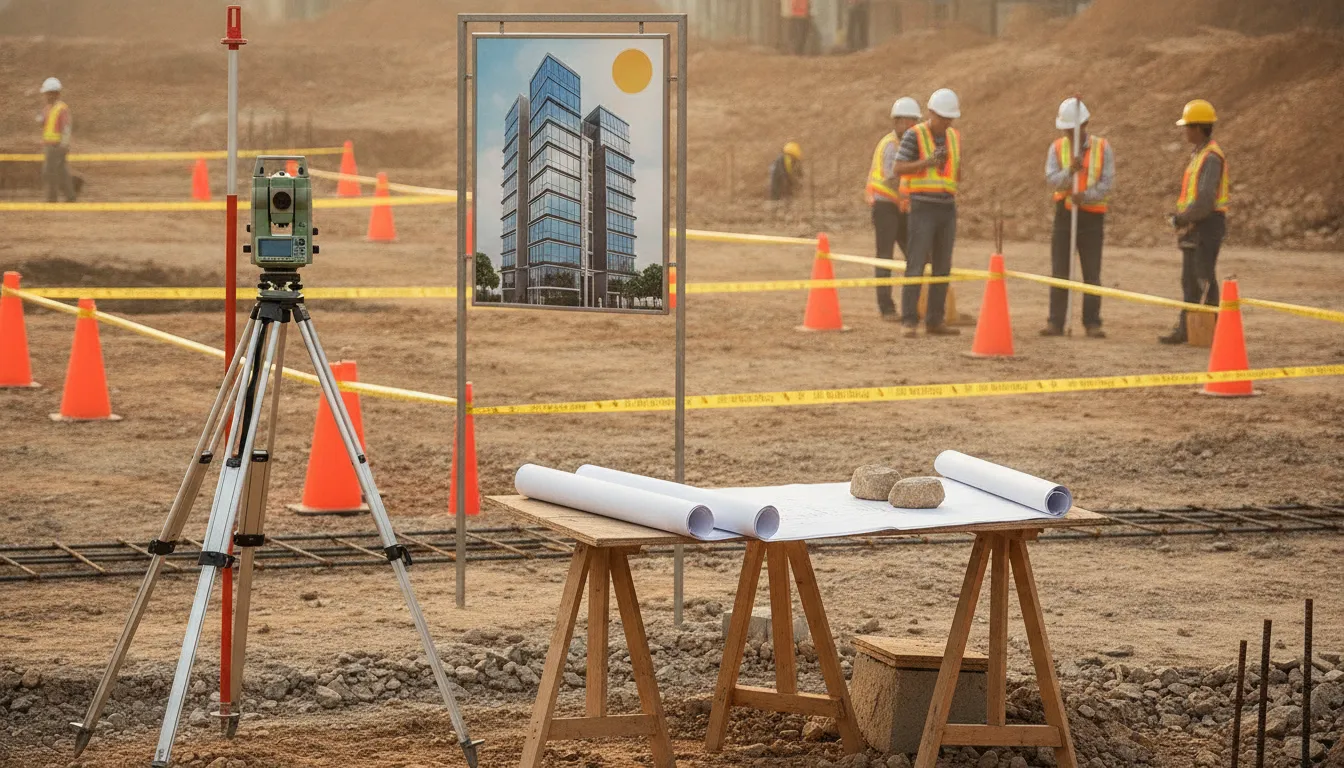
Permit activity is often the point where a hotel concept becomes a traceable construction project. Before mobilization or a public bid announcement, developers and their teams may already be submitting plans. They may be requesting review and opening records in the jurisdictions where the site is located. For teams tracking hotel construction projects in Indiana, the advantage comes from knowing which public systems to check and how to connect a filing to a specific property.
The Indiana Department of Homeland Security maintains real-time logs of building plan submissions and releases through its building plan review system. The state describes this activity as including real-time plan submissions and releases, making it a useful first stop for identifying new construction moving into formal review. Check the Indiana DHS project activity records for new applications, releases, and project details that may indicate a hospitality use.
The state's project activity records also include detailed plan application information. A filing number provides a stable identifier that can be matched against later releases, municipal records, and trade outreach.
State-level plan activity does not replace local research. In Indianapolis and Marion County, commercial development permits can be filed and searched through the city's Accela Citizen Access portal. The Indianapolis commercial development permit page explains the city's process and points users to the relevant records. Search the hotel address, parcel, applicant, and contractor fields, then record the permit number, filing date, status, and scope of work.
Outside Indianapolis, repeat the same process through the municipality's building department or the county department that administers permits. Portal names and search fields vary, so an address or parcel number is often more reliable than a project name. If a jurisdiction publishes separate planning, building, and site-development records, review each one. A hotel may appear first under a shell company, a mixed-use project name, or a site address rather than the eventual brand.
For a broader workflow, combine these records with an Indiana commercial permits database and an Indiana construction project database. The goal is not to collect isolated permit entries. It is to connect the state application, municipal filing, county record, and site identity into one project record that can be qualified and followed over time.
In short: Indiana hotel permits show up first in DHS plan review records, municipal Accela portals, and county building department systems. Track filing numbers, addresses, applicants, and status changes across all three layers to turn early permit activity into actionable project intelligence.
Indiana's hotel pipeline is responding to measurable demand, not just optimistic development forecasts. The state welcomed 83 million visitors in 2024, generating $16.9 billion in visitor spending and more than $3.2 billion in tax revenue, according to Visit Indiana. Visitor volume rose 1.9%, while spending increased 4.7% and returned to pre-pandemic levels. State tourism data also shows business travel increased 10%, strengthening demand for rooms, meeting space, and hospitality services beyond seasonal leisure travel.
That combination changes the development case for hotels across the state. Leisure visitors support rooms near attractions, universities, and downtown districts. Business travelers create recurring demand near employment centers, convention facilities, and innovation campuses. Tourism also supports more than 210,000 full- and part-time jobs statewide, reinforcing the economic-development role of hospitality construction. For contractors, suppliers, and building product manufacturers, the opportunity is broader than a single hotel. New lodging capacity can signal related work in conference facilities, parking, roads, utilities, restaurants, and mixed-use districts.
Indianapolis provides the clearest example of demand translating into major vertical construction. The Signia by Hilton Indianapolis is planned as Indiana's tallest hotel, with 38 stories and 800 rooms. Hilton reported that the project was 62% complete and scheduled to open in fall 2026. The project update illustrates how convention and business travel can support high-capacity urban development.
State and regional investment are also pushing hotel construction beyond Indianapolis. In Kokomo, Indiana's READI program and local partners supported a $32.8 million hotel and conference center. The project includes 55,033 square feet of meeting and event space, tying hospitality directly to tourism, industry, and regional economic development. IEDC's project announcement shows how public-private incentives can make hotel and conference projects viable in markets outside the state's largest city.
For teams tracking construction project alerts for Indiana, these demand signals help prioritize where to look. They do not replace title, zoning, or permit data, but they indicate which markets are most likely to produce the next round of hotel construction projects.
In short: Indiana's hotel construction is being driven by record visitor spending, a rebound in business travel, convention demand, and targeted regional investment. Those forces are creating opportunities in Indianapolis and growth markets such as Kokomo.
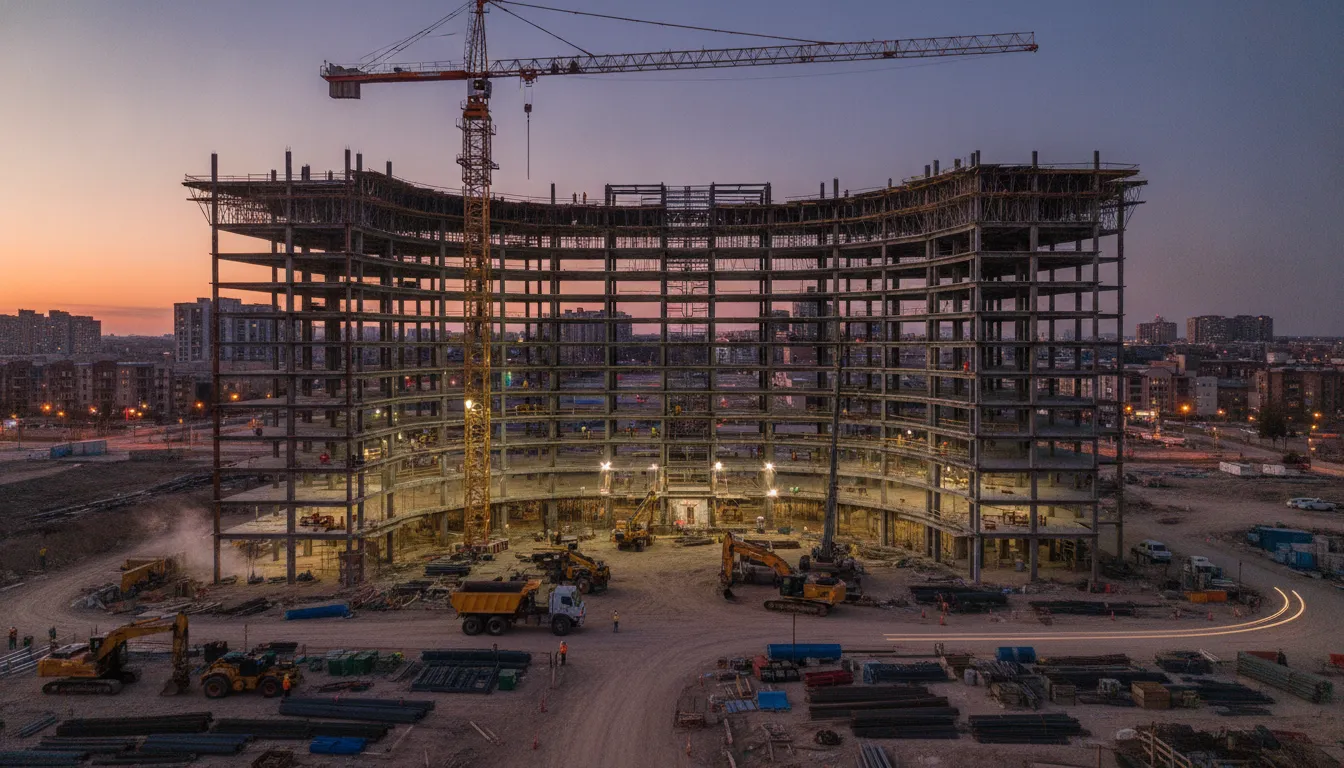
Finding a hotel opportunity early is only useful if your team turns the signal into a relationship and a qualified pursuit. The goal is not to flood developers with generic outreach. It is to understand what is taking shape, identify where your capabilities fit, and earn a relevant conversation before the design team and construction team are fully committed.
In short: turn title, rezoning, and permit signals into a qualified account plan, then use timely, useful conversations to establish a relationship before hotel project decisions are final.

Mercator.ai gives construction business development teams an earlier view of hotel construction projects in Indiana. It combines signals that appear well before a project reaches a public bid board. The platform monitors municipal title transfers, rezoning activity, and permit data, then connects those records into a project-level view. That matters because hotel opportunities are often won through relationships built during planning, entitlement, and design, not after a bid invitation is published.
A title transfer can reveal that a developer has secured a site. A rezoning request can show that the proposed use is changing, or that a larger hospitality development is being evaluated. Permit activity adds another layer of intent, especially when filings indicate site work, utilities, structural plans, or commercial building activity. Any one signal can be ambiguous. Together, they create a much stronger indication that a hotel project is moving forward.
Mercator.ai continuously collects these municipal indicators across Indiana and evaluates how they relate to one another. The methodology is designed to identify likely private commercial projects three to six months before they appear on traditional bid sources. A BD team no longer has to search county records, planning agendas, and permit portals one at a time. The platform organizes relevant activity so teams can decide which opportunities deserve attention first.
This approach supports a more disciplined outreach sequence. A contractor or supplier can research the owner, developer, design team, and likely project scope while plans are still forming. The goal is not to replace the relationships that drive construction sales. It is to give those relationships better timing and better context. Teams can use the intelligence to make a relevant introduction, identify the right decision makers, and engage before the project is crowded with competitors.
According to Mercator.ai's validated performance metrics, customers qualify leads 60% faster, discover three times more early projects, and operate BD pipelines that are 40% more efficient. The platform provides real-time tracking across more than 65,000 active private commercial construction projects, giving Indiana-focused teams a broader market view than manual research can provide.
For organizations expanding their Indiana coverage, the platform makes the process repeatable. Teams can review activity by market, follow projects as they advance, and focus human effort on the opportunities with the clearest evidence of momentum. See the available Indiana construction coverage or review the construction market intelligence guide for a deeper explanation of the methodology.
In short: Mercator.ai identifies hotel construction projects in Indiana by connecting title transfers, rezoning, and permit activity into early project intelligence. That often gives construction teams three to six months to build relationships before bid boards catch up.
See hotel projects before they hit bid boards - book a live demo to preview Indiana hospitality pipeline and identify the projects worth pursuing first.
Downtown Indianapolis has multiple hotel projects in different stages, so the most reliable answer depends on the date and project status you are tracking. For a confirmed pipeline view, check current plan submissions, releases, and local development records rather than relying only on announcements. The Signia by Hilton Indianapolis is one major example, planned as an 800-room, 38-story hotel scheduled to open in fall 2026, according to Hilton.
Combine three public-record signals: property or bulk-transfer notices, plan commission and rezoning agendas, and building-plan or permit activity. The Indiana Department of Homeland Security publishes real-time building plan submissions and releases, while the Indiana Department of Revenue provides guidance on bulk-transfer notices. This layered approach can reveal a project before a public bid notice appears. See the Indiana DHS plan activity records and Indiana DOR guidance.
Indiana is seeing continued hospitality investment around downtown districts, convention activity, and innovation hubs. Recent examples include a planned 170-room premium hotel in Bloomington's Innovation District and a $32.8 million Kokomo hotel and conference center supported through the state's READI program. These projects point to demand beyond Indianapolis, but local pipeline activity should be evaluated market by market.
There is no universal lead time because each municipality and development team follows a different sequence. In practice, a title transfer, rezoning request, or plan submission may appear months before a project reaches public bid boards. Monitoring those signals together gives construction business development teams time to identify stakeholders, research scope, and build relationships before procurement becomes competitive.
The public record rarely waits for an announcement. Title transfers, rezoning requests, and permit activity can reveal a hotel project months before it reaches a bid board. That lead time turns a crowded procurement into a relationship you helped shape.
Mercator.ai connects those signals into early project intelligence. Your business development team can identify the Indiana hospitality projects worth pursuing. You can research the decision makers and start the right conversation while the ownership team is still assembling. To see how the platform surfaces hotel construction projects in Indiana, book a live demo.
Book a live demo and see Indiana hotel projects before they hit bid boards.


.png)