.png)

Case Studies


Looking back on six months ago, we had just closed an impressive Seed round, we were starting to grow our team, and our board asks: What if we stopped selling and focused on product market fit?
If we consider that solution market fit means that you're asking the right question, product market fit means that you've created the right product to answer that question. At the time, we had validated and re-validated that we were asking the right question "", but our product fell short of being the best answer. What that looked like was slow time to value, and increasing tech debt that was preventing us from doing anything about it.
If we were going to make this investment of time, we were going to make sure we built the right thing.
So we started with WHO to build for. As a startup, our eyes are always larger than our stomachs. We knew every stakeholder in construction is asking this question, but to build for them all would mean building for none. So we narrowed based on who we had seen find the most value to date. And then we narrowed again to just those who had the mandates to innovate. Finally, we landed on an ideal customer profile: mid-sized General Contractors with a focus on operational efficiency in their business development teams. We also brought on some larger and some smaller GCs to evaluate the transferability of learnings.
The cost of the program was minimal, but ensured meaningful participation.
The goal of the program was to build a tool that was a seamless extension of their business process. We would prioritize their collective voices over our own, while spending significant time on learning their challenges and addressing the root cause, not the symptoms. The ideal outcome at the end of the 6-month program was to not have a product that we were ready to sell, but customers want to buy.
The meetings were deliberate, structured, but flexible enough in topic that we could target the sessions to what we (both the participants and Mercator) wanted to learn to make the product better.
The program sessions included:
As we conducted the program, we iterated on our product priorities, and learned the mental model of the industry. We refined the product and made it easier for new users to learn the platform; extracting value faster.
At a high level, we learned where the value lies, and where it does not.
Three buckets of improvements bubbled up to the surface. These are some examples of immediate improvements we made within each.
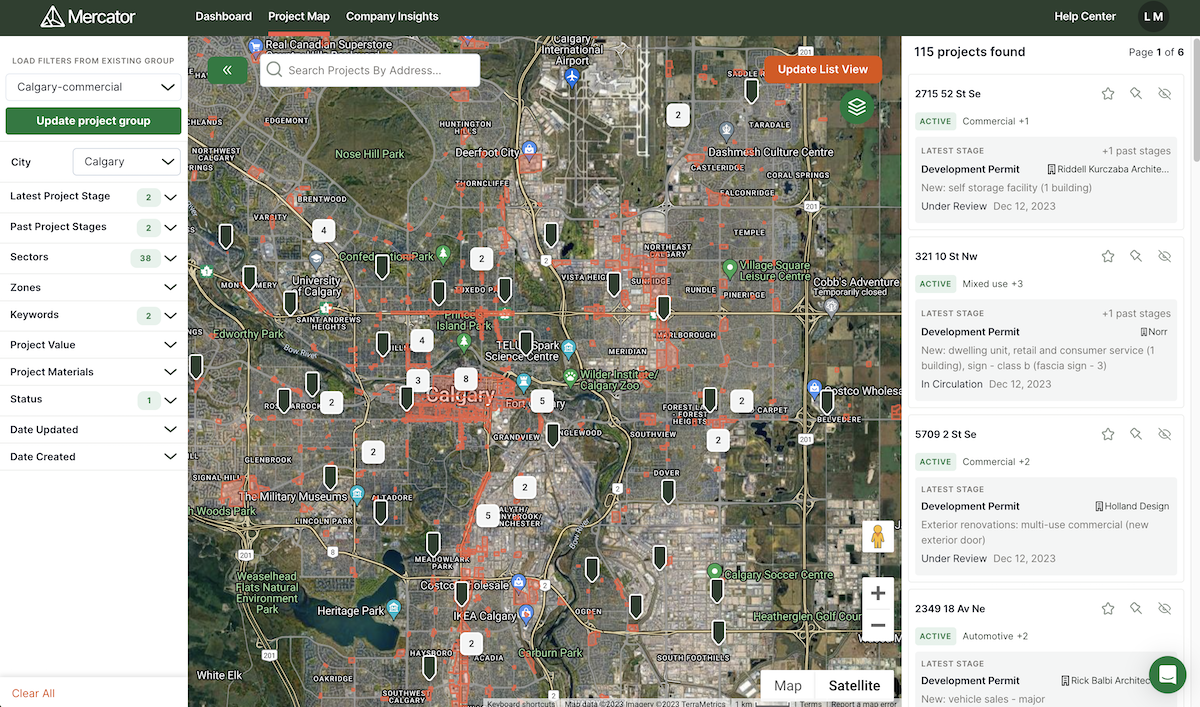
Ultimately both micro feedback (like usability improvements) and macro insights (like product direction) allowed us to refine the product to their immediate needs and helped us shape the company's future direction. At the end of the program, we presented again our 12-month roadmap, but revised, taking into consideration all of our learnings. The result? Sheer excitement.
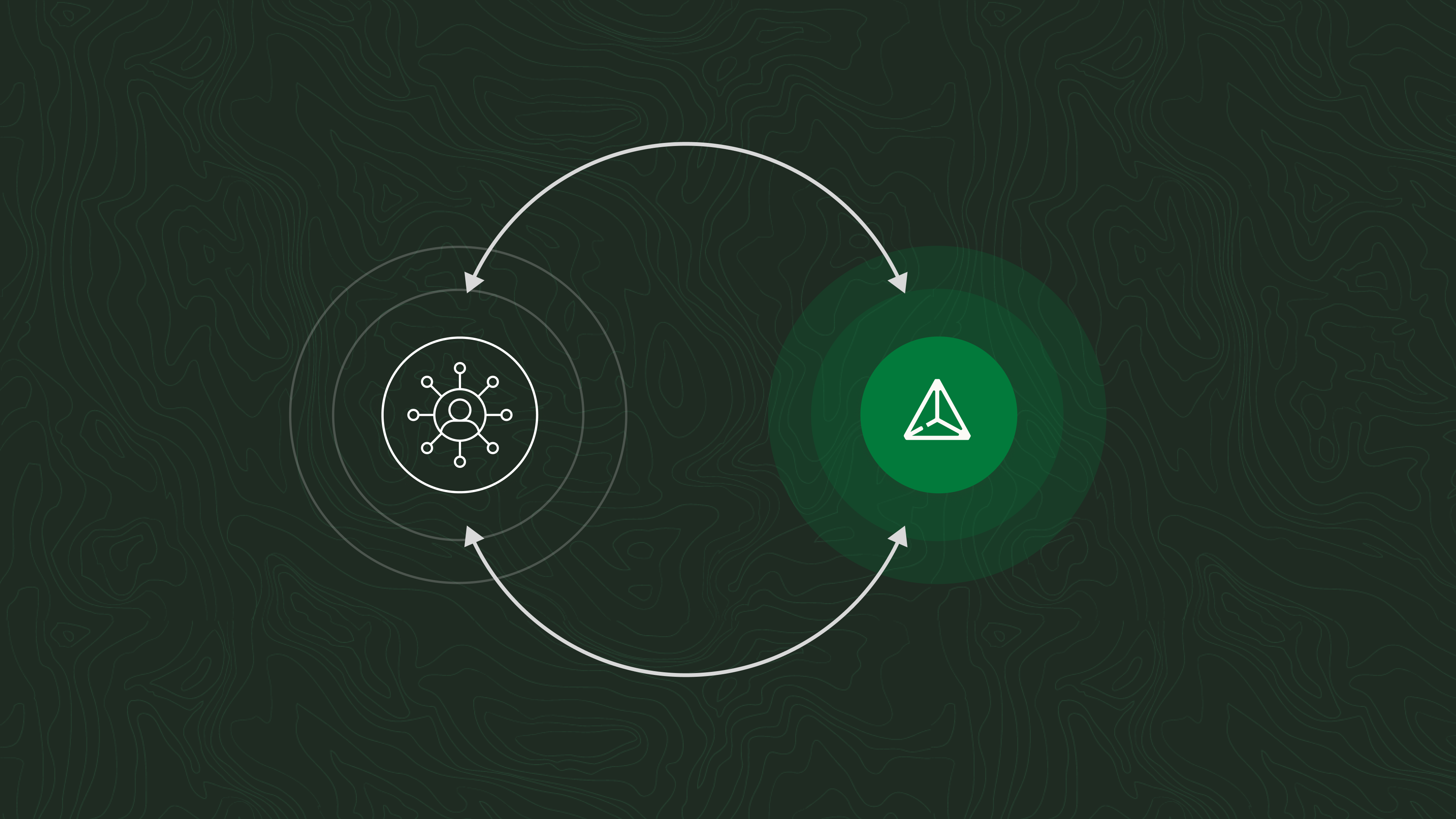
A lot of startups talk about being customer obsessed. Yet very few take the time to pause and deliberately build alongside their customers. This experience not only taught us to really listen and think critically about who we're building for, but it also shifted how our customers perceived us. We stopped being a vendor and became an innovation partner. We both had the chance to see what it really means to our customer's business to have real industry insights at their fingertips.
Why this worked: we set the right expectations up front. We weren't going to build everything and our beta customers knew that. This is what allowed them to show up as partners first, customers second. They didn't expect a finished product. They expected to work on a product together.
Want to be a part of building the next great market intelligence tool for the construction industry? Join our community of trial users!


.png)