
Case Studies


Book a Live Demo to see how construction intelligence can move your team beyond reactive bid-board checks and into earlier project conversations.
Indiana's industrial pipeline is often visible before a project is publicly bid. A rezoning request, property title transfer, commercial permit application, state plan review. Or economic-development commitment can reveal that a site is moving toward construction while key decisions are still being made.
For teams tracking industrial construction projects indiana, the advantage comes from connecting these municipal and state signals, then acting before general contractors are selected. Mercator.ai helps surface private project activity 3 to 6 months earlier than traditional bid-board discovery, giving business development leaders time to build relationships instead of chasing posted scopes.
Indiana's scale makes that timing meaningful: recent reporting identified $39.6 billion in industrial projects under construction. While the Indiana Economic Development Corporation announced a planned $1 billion Microsoft data center in Northwest Indiana. Understanding how those early records fit together is the first step toward finding the opportunities others miss.
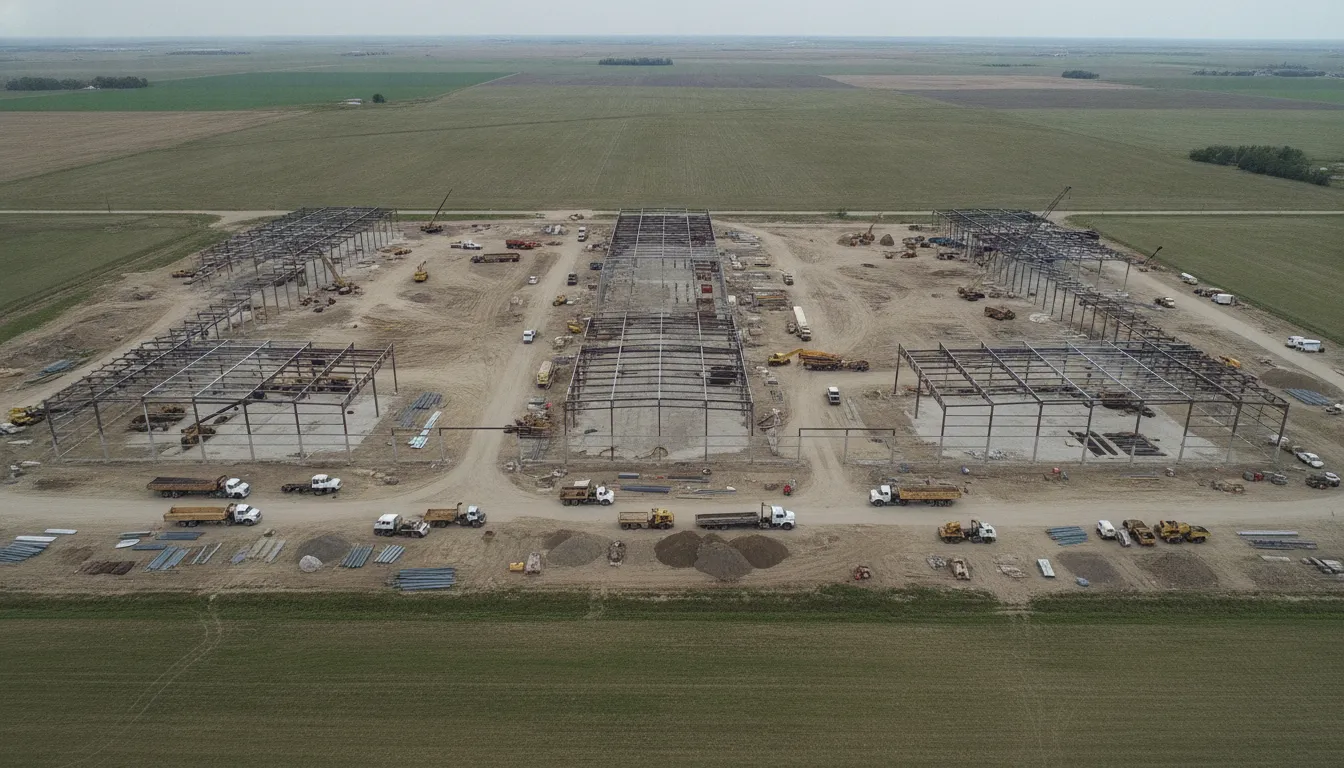
Public bid boards are often the end of the discovery cycle, not the beginning. By the time a project appears there, an owner may already have selected a site, completed early planning, and begun shaping its contractor strategy. The stronger opportunity is to identify the decisions that precede bidding.
For industrial construction projects Indiana owners and developers typically leave a trail across several public systems. A building permit or plan review can indicate that a facility is moving from concept toward execution. The Indiana Department of Homeland Security provides building plan review resources and maintains a process for industrialized building systems and mobile structures. Creating a state-level signal that complements local permitting activity. Indiana DHS building plan review and its industrialized building application process are useful reference points for understanding that signal.
Local land-use activity often appears even earlier. A developer may need approval to change a parcel's zoning before the intended manufacturing, logistics, warehouse, or data-center use can proceed. Those applications are handled locally, so monitoring must extend beyond one statewide feed. Tippecanoe County, for example, publishes its rezoning process for applicants and interested parties. A rezoning filing can reveal a proposed use, a location, and a likely development timeline before the project reaches a public procurement channel.
Ownership records add another layer. Title transfers, deeds, and related land-use filings can show that a developer, investment group, or operating company has secured control of a site. Municipal instructions for filing a rezoning ordinance, such as those published by Terre Haute, illustrate how these records connect property rights with formal land-use decisions. Terre Haute's rezoning ordinance instructions provide a concrete example of the public documentation involved.
The advantage comes from connecting signals rather than treating each filing as a standalone lead. A title transfer may establish the site. A rezoning request may clarify the intended use. A plan review or industrialized-building application may indicate that design and construction activity is advancing. Together, these events create a more useful picture of project maturity, likely stakeholders, and the right time to begin relationship-based outreach.
That is the difference between manually checking bid boards and building an early pipeline. Indiana construction project data can help business-development teams organize these signals, prioritize credible opportunities, and approach owners or project partners before the field is crowded.
In short: Permits, state building-plan reviews, rezoning applications, and title transfers can expose an industrial project in Indiana while it is still being defined. The earlier those records are connected, the more time a contractor, supplier, or subcontractor has to build the relationships that influence the eventual bid.

Municipal records often reveal an industrial project while the site is still moving through approvals. For business development teams tracking industrial construction projects Indiana, the advantage is timing. A recorded transaction, zoning case, or permit application can identify a site before the project appears on a bid board or in a public announcement.
These records are not equally specific, and one filing does not prove that construction will start. Taken together, however, they can show that land is being assembled, a permitted use is being pursued, and plans are advancing toward construction.
In short: Title transfers identify where an industrial project may be forming, rezoning cases reveal the intended land use. Permit applications show construction intent, and state plan review indicates advancing technical approvals. Monitoring the sequence across recorder, planning, building, and state agencies gives teams a clearer lead than relying on any single filing.
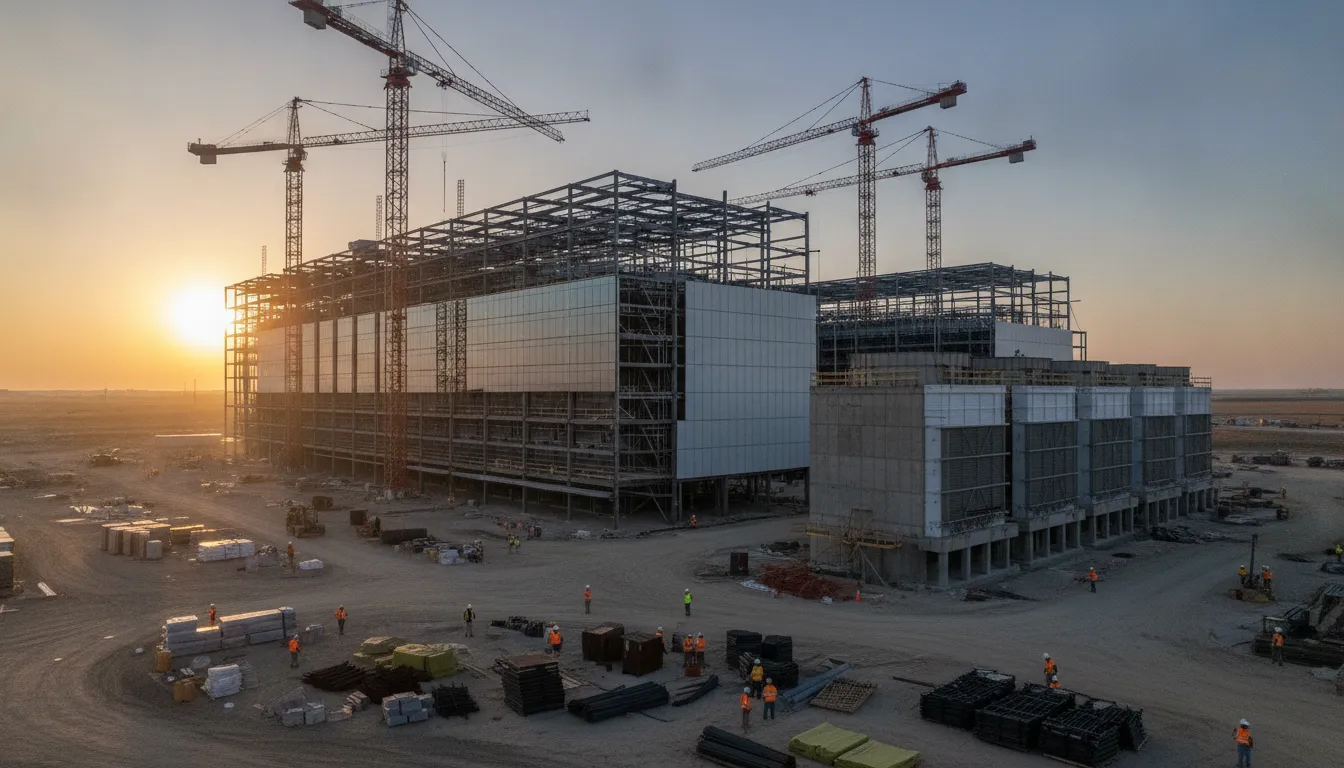
Indiana's appeal is not built on one headline project. It comes from the combination of manufacturing depth, logistics access, available sites, and an economic-development system that can support large capital commitments. That combination gives general contractors, subcontractors, and suppliers a broad market of private work to identify before it reaches a conventional bid board.
The scale is substantial. Indiana recently had $39.6 billion in industrial projects under construction, a useful indicator of how much active demand is moving through the state's manufacturing and industrial economy. For business development teams, the important point is not only the total investment. It is the number of separate site, design, equipment, and construction decisions that sit behind that total.
Indiana's industrial opportunity now extends well beyond traditional factories and distribution facilities. In June 2024, Gov. Eric Holcomb announced plans for a $1 billion Microsoft data center in Northwest Indiana. A separate $800 million data center project was reported for Michigan City, while the IEDC board approved incentives for four planned data center projects, according to the Indianapolis Business Journal.
State policy is reinforcing that momentum. The IEDC data-center sales tax exemption is one example of a public incentive that can accompany major private investment. Incentive activity does not guarantee a construction start, but it can reveal where serious development planning is underway and where future scopes may emerge.
Data centers are only one part of the picture. Indiana's manufacturing base continues to attract significant expansions, including Roche's $550 million expansion of its Indianapolis diagnostics manufacturing hub. Projects like this create opportunities across engineering, site work, process systems, building construction, electrical, mechanical, and specialized equipment. Indiana's logistics position adds another layer of demand around warehouses, distribution networks, and supporting infrastructure.
For teams pursuing Indiana construction project data, the strategic advantage is timing. Incentive announcements, site activity, and public approvals can indicate a private project before the full buying process becomes visible. Monitoring those signals helps a BD team prioritize relationship-building and qualification instead of waiting for a late-stage invitation to bid.
In short: Indiana attracts industrial construction because manufacturing, logistics, data-center investment, and state-backed incentives reinforce one another. The companies that monitor those commitments early can find commercial openings before competitors see a formal tender.
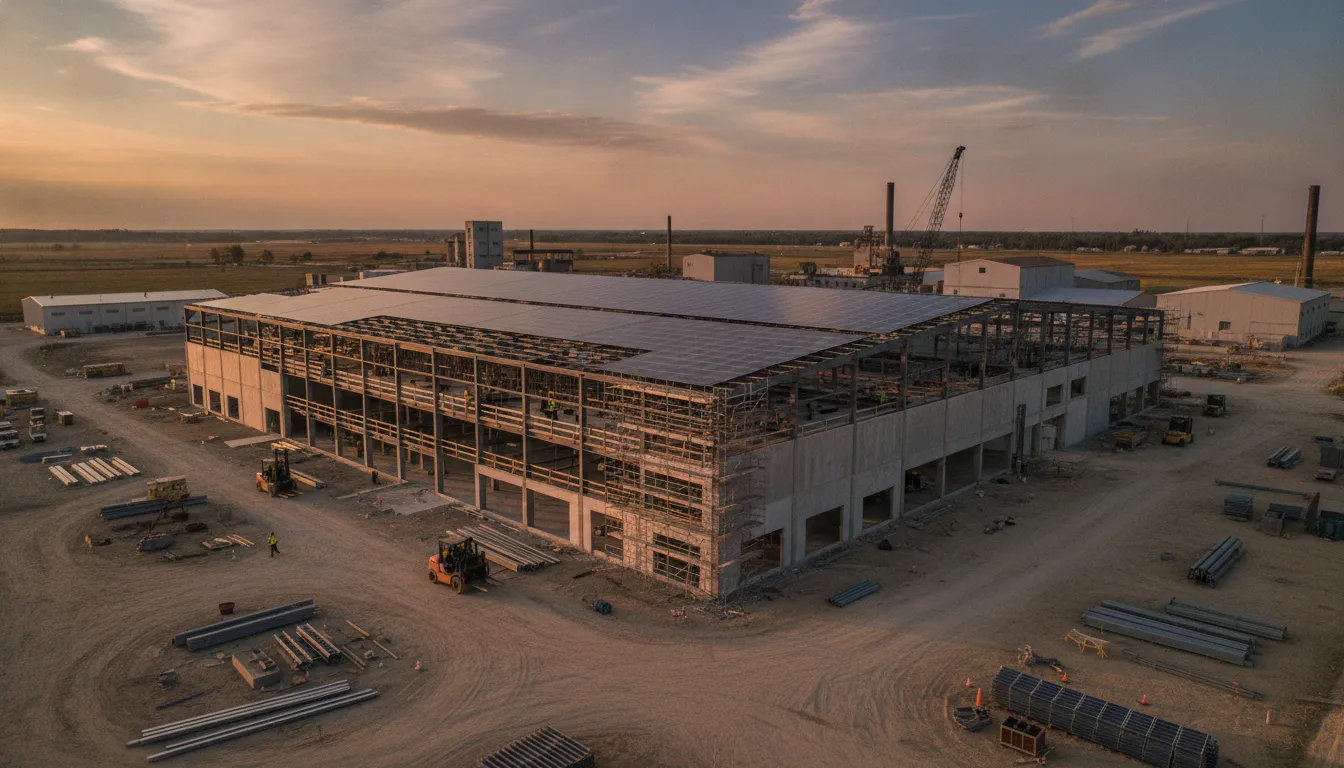
Public announcements show why tracking industrial construction projects in Indiana requires more than watching bid boards. The strongest opportunities often become visible through a sequence of commitments: a company identifies a site. Local officials process land-use or infrastructure decisions, and state or economic-development agencies publish the investment signal.
In Kokomo, Merrell Bros expanded its operations in what Area Development described as the manufacturer's first major U.S. investment. The project represents the kind of expansion that can create work for contractors, specialty trades, equipment providers, and suppliers before a broad public tender is easy to find.
Faith Technologies announced a much larger commitment in Pittsboro. The $67.5 million project was expected to create up to 200 jobs in Hendricks County. The same source reported Hanjung America's investment in Huntington, another example of how Indiana's industrial pipeline spans multiple communities rather than concentrating in one market.
The pipeline also includes projects outside conventional manufacturing. Indiana Economic Development Corporation announced plans for Microsoft's $1 billion data center in Northwest Indiana. In Indianapolis, Roche announced a $550 million expansion of its diagnostics manufacturing hub. These projects point to different scopes, delivery teams, and subcontractor profiles, but both create a public trail before every downstream package reaches the market.
IEDC's Industrial Development Grant Fund adds another useful signal. Public grant and infrastructure support can indicate that a project has moved beyond a preliminary site discussion toward a more formal development commitment. For a business development team, that signal is most valuable when connected to earlier municipal activity, including property changes, rezoning, and site preparation.
In short: Indiana's 2025 project pattern includes manufacturing expansions, advanced production, data centers, and life-science facilities. Monitoring the public decisions that precede these announcements can help teams identify the likely project network before the opportunity becomes widely visible.
Book a Live Demo to see how Mercator.ai can help your team spot these projects earlier and turn early signals into better-timed conversations.

The strongest signal is rarely a single filing. It is the pattern created when a property changes hands, its zoning moves toward an industrial use, and the project advances into permit or plan review. Each record answers a different question: Is the site being assembled? Can the proposed use proceed? Has the owner committed to design and construction?
For teams tracking industrial construction projects indiana, the practical advantage comes from connecting these records before a project appears on a bid board. Use the source agency as a starting point, then compare timing, parcel location, ownership, proposed use, and project scale.
| Signal type | What it reveals | Where to find it |
|---|---|---|
| Title transfers and deeds | Land assembly for a plant, distribution center, or other major facility. Multiple transfers near one another can indicate site control or consolidation. | County recorder and assessor offices. Local filing guidance, including rezoning documentation and related property records, is available through the City of Terre Haute. |
| Rezoning requests | A proposed change from agricultural or another lower-intensity classification to industrial use, or an expansion of an existing industrial entitlement. This can surface a project before construction permits are finalized. | County or city planning commissions. For an example of the local process, see Tippecanoe County's rezoning information. |
| Commercial or industrial building permits | Construction intent supported by detailed project information, such as the applicant, site, scope, and plan documentation. It is a stronger execution signal than a preliminary announcement. | Municipal or county building departments. Boone County publishes a commercial and industrial building permit application. |
| State building plan review | Progress toward code and safety review for qualifying building work. Indiana's Department of Homeland Security manages the state building plan review function and related industrialized-building applications. | Indiana DHS Building Plan Review. |
| Economic-development incentives | A public indication that an industrial development has moved beyond site exploration into a documented investment or commitment. Incentive records can also help validate location and project type. | The IEDC Industrial Development Grant Fund and related IEDC project announcements. |
In short: Title activity identifies likely site control, rezoning shows whether the intended use can advance. Permits and state review indicate design progress, and IEDC incentives help confirm a serious economic-development commitment. The best tender leads come from matching two or more signals to the same owner, parcel, or development area, then acting while relationships can still influence the project.
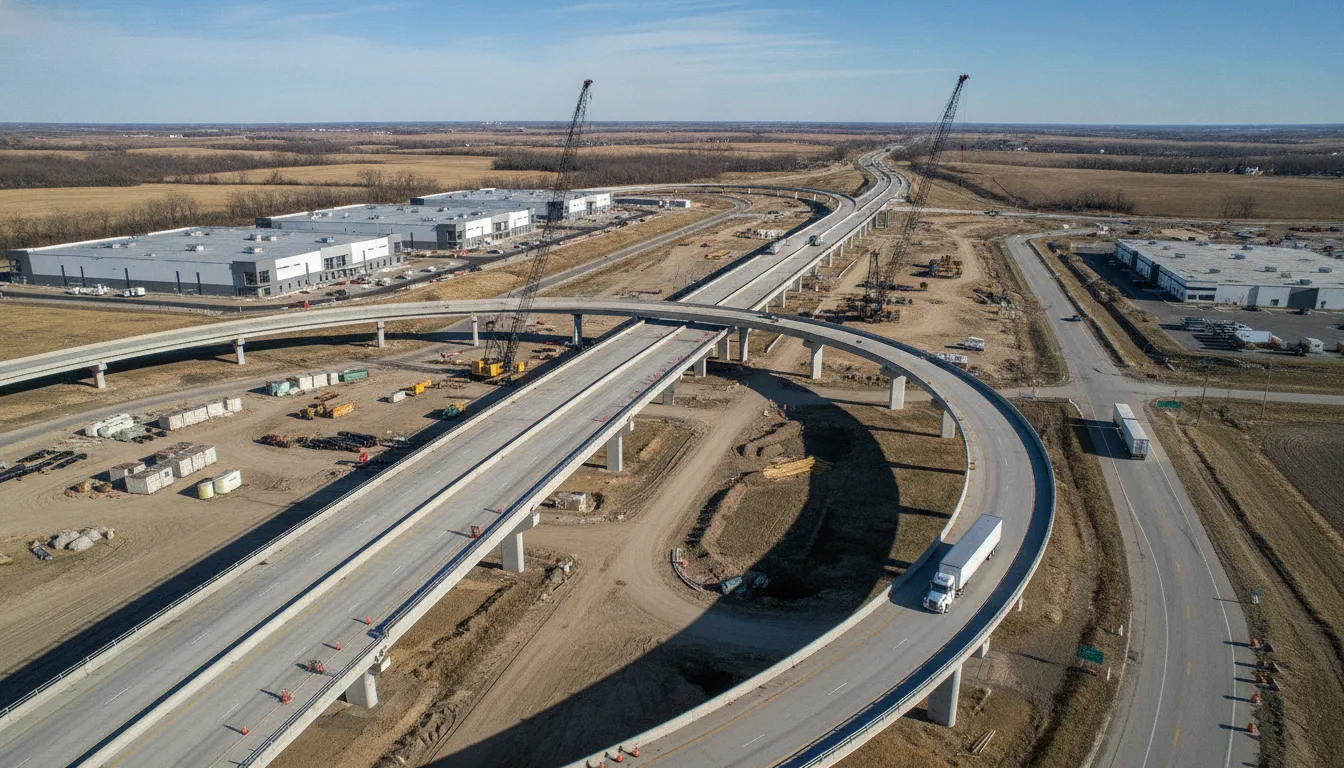
Tracking industrial construction projects in Indiana is more effective when you treat early evidence as a connected record, not a single announcement. A weekly routine can reveal site assembly, entitlement activity, permitting, public incentives, and infrastructure investment before a project appears on a bid board.
In short: Build a weekly signal stack from property records, planning calendars, permits, DHS plan review, IEDC announcements, and INDOT projects. The value comes from correlating the records by site and stakeholder. So your team can pursue relationships while a project is still forming instead of waiting for a public tender.
Book a Live Demo to see how Mercator.ai turns these public signals into a ranked pipeline of early-stage industrial work across Indiana.
Start with public records that appear before a bid package: rezoning applications, title transfers, commercial building permits, site-plan submissions, and utility or annexation requests. Track the relevant county recorder, assessor, planning commission, and building department, then connect related filings by parcel, owner, and project contact. Indiana's Department of Homeland Security also publishes building-plan review information for industrialized building systems at its application page.
A title transfer can indicate land assembly, while a rezoning request may reveal a proposed change from agricultural or lower-intensity use to industrial use. A commercial or industrial building permit adds evidence that design and construction planning have advanced. Review the filing date, parcel boundaries, applicant, proposed use, and nearby infrastructure together rather than treating any single record as a confirmed project. Rezoning procedures are handled locally, as shown by Tippecanoe County's process.
Municipal building departments and city or county planning commissions publish permits, site plans, and rezoning materials. County recorder and assessor offices are useful for deeds, ownership changes, and parcel research. For statewide and incentive signals, check the Indiana Economic Development Corporation, the Indiana Department of Homeland Security's building-plan review resources, and INDOT's major-project information. Availability and filing formats vary by jurisdiction, so establish a repeatable source list for each market.
Indiana combines a central logistics position with extensive interstate and rail access, an established manufacturing base, and state economic-development support. Data-center projects can also qualify for Indiana incentives, including the data-center sales-tax exemption. These conditions create a broad pipeline across manufacturing, logistics, life sciences, and data centers, making early local-record monitoring especially valuable.
Every day you wait, another competitor is already reviewing the municipal permits, title transfers, and rezoning filings that signal upcoming industrial work across Indiana. That data is public. The advantage is only for whoever sees it first.
Mercator.ai gives your business development team a 3-6 month early-detection head start on industrial construction projects in Indiana, before they ever reach public bid boards. Teams qualify leads up to 60% faster and uncover up to 3x more early project opportunities, so you pursue the right wins while they are still forming.
Book a live demo and see how early project signals flow straight into your pipeline.


.png)