
Case Studies


Let’s start with the numbers, because they tell a powerful story. Miami-Dade County is currently leading the entire country in the number of new apartments being built, with tens of thousands of units under construction. This incredible pace is a direct response to a city with a rock-bottom vacancy rate and a population that just keeps growing. For construction professionals, these aren't just abstract statistics; they are concrete indicators of a healthy, sustained demand for your services and materials. We’ll dig into what this data means for your business and how you can strategically position yourself to win the best multifamily construction projects in Miami.
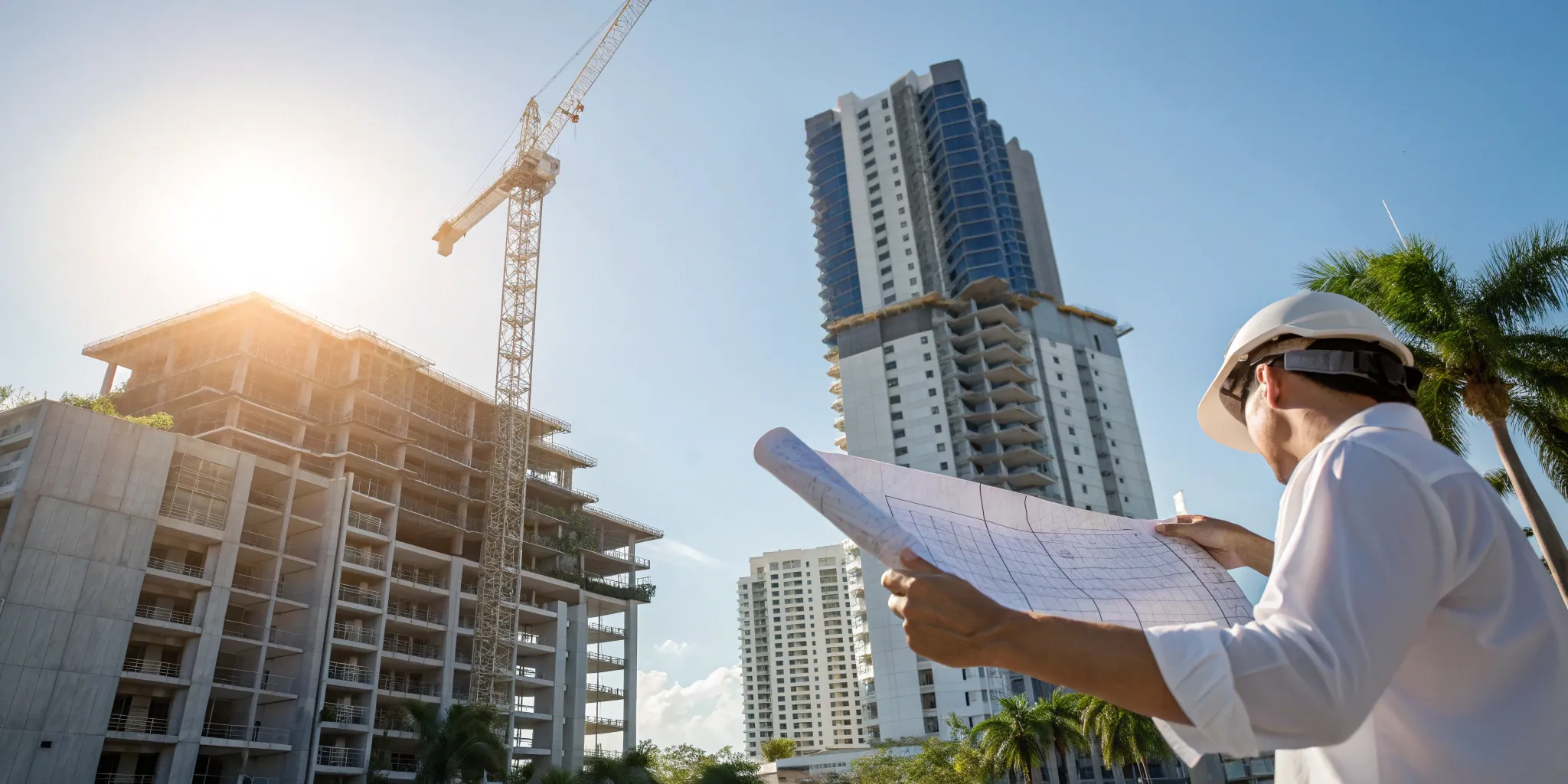
If you're in the construction industry, all eyes are on Miami right now. The city's skyline is constantly changing, and the multifamily sector is at the heart of this transformation. It's not just a handful of projects popping up here and there; we're talking about a full-blown construction boom that's creating a wealth of opportunities for general contractors, subcontractors, and suppliers. But to find your place in this busy market, you first need to understand the forces driving it. Let's break down what's happening on the ground.
To say Miami's multifamily market is active would be an understatement. Miami-Dade County is currently leading the entire country in the number of new apartments being built. According to a recent market report, there were nearly 46,000 units under construction as of late 2023, with almost 6,000 new units delivered in that year alone. This incredible pace is a direct response to the city's growing population. People are flocking to Miami for its unique lifestyle, sunny climate, and strong job market, creating a sustained demand for new housing. For construction professionals, these numbers signal a market ripe with potential projects.
All this new construction isn't happening in a vacuum. The demand for housing in Miami is incredibly strong, which is great news for the stability of the project pipeline. The metro area’s overall vacancy rate is sitting at a low 3.6%, well below both the Florida and national averages. This shows that as quickly as new units are built, they are being filled. In fact, recent analysis shows that of the nearly 10,000 units delivered over the past year, more than 7,600 were absorbed. This high absorption rate is fueled by a steady stream of new residents, from young professionals to retirees, often moving from higher-cost states.
To say Miami's multifamily market is active is an understatement. The city is in the middle of a construction surge, with cranes dotting the skyline and new projects breaking ground constantly. For general contractors, subcontractors, and suppliers, understanding the scale of this pipeline is the first step to finding your place in it. The sheer volume of units in development creates a massive demand for services and materials. Let's break down the numbers to see what's happening right now and what's coming up next.
Right now, Miami-Dade County has a staggering 23,340 multifamily units under construction. This isn't just a small uptick; it's an 18% expansion of the entire apartment inventory, placing Miami at the forefront of new development in the country. According to a recent MIAMI REALTORS® report, the pace is relentless, with thousands of units already delivered this year alone. This level of activity means immediate demand for skilled labor and materials across all trades, from foundation work to finishing touches. For anyone in the construction business, these numbers signal a market full of active, ongoing opportunities.
Looking ahead, the pipeline shows no signs of slowing down, especially in the high-end market. There are over 7,000 luxury multifamily projects currently in the planning or construction phase. We're seeing major developments like the Cipriani Residences in Brickell, an 80-story tower that will redefine luxury living when it's completed. This trend isn't just about adding more units; it's about creating smarter, more connected living spaces. Developers are focused on integrating advanced digital systems and resident-centric technology, creating specific opportunities for suppliers and subcontractors who specialize in modern building solutions.
Miami’s skyline is transforming, and it’s not by accident. A powerful combination of economic and demographic shifts is fueling an unprecedented demand for multifamily housing. For general contractors, subcontractors, and suppliers, understanding these core drivers is key to seeing where the market is headed and positioning your business for the opportunities that lie ahead. It’s a story of population growth, a booming job market, and a lifestyle that continues to attract people from across the country and the world. These forces are not just creating temporary demand; they are laying the foundation for sustained construction activity for years to come. The cranes you see aren't just building apartments; they're building for a new Miami. This boom is supported by real, measurable trends that indicate a healthy, long-term pipeline of work. By getting a handle on why this is happening, you can better anticipate the types of projects that will be in demand and the key players driving them forward. Let's break down the three main factors creating this surge in multifamily projects.
At its core, Miami's multifamily boom is a story about people. The city is experiencing a significant influx of new residents from both domestic migration and international immigration. This steady stream of people means one simple thing: a growing need for housing. Reports show that this trend is expected to keep Miami's population and workforce growing, which strengthens the local economy and creates a stable, long-term demand for rental units. This isn't just a short-term spike; it's a fundamental demographic shift that provides a solid base for new construction projects, from high-rise apartments to sprawling residential communities.
A growing population needs jobs, and Miami is delivering. The local economy is thriving, with significant growth in high-paying sectors like professional services, finance, and technology. This economic vitality is a magnet for young professionals and established workers alike, who are drawn to the city for its career opportunities as much as its sunny climate. This influx of talent creates a strong renter base, particularly for modern multifamily buildings with the amenities they expect. The city’s ability to attract and retain a skilled workforce is a critical ingredient in its recipe for a healthy and expanding rental market.
One of the most significant trends shaping Miami's housing market is the wave of new residents moving from other states, especially high-cost areas like New York and California. These individuals and families are seeking a better quality of life, a more favorable climate, and often, a lower cost of living without sacrificing urban amenities. This migration from high-cost states includes both professionals who can now work remotely and retirees looking to enjoy their next chapter. This demographic often has the financial means to afford luxury rentals, which directly fuels the development of the high-end apartment towers you see rising across the city.
Beyond the sheer numbers, the types of projects taking shape in Miami tell a story about where the market is headed. From ultra-luxe towers to community-focused mixed-use spaces, the opportunities for contractors and suppliers are as diverse as the city itself. Understanding these key project types can help you position your business to win the right bids. Whether you specialize in high-end finishes, complex commercial integrations, or large-scale residential builds, there’s a niche for you in Miami’s evolving landscape. Let’s look at the three main categories of projects that are currently defining the city’s multifamily construction scene.
If you’re in the business of high-end finishes or complex structural work, Miami's skyline is where you should be looking. The city is in the middle of an incredible boom in luxury multifamily projects, with thousands of high-end units currently in the pipeline. A prime example is the Cipriani Residences, a massive undertaking valued at an estimated $875 million. Projects of this magnitude demand top-tier subcontractors and suppliers for everything from curtain walls and advanced MEP systems to bespoke interior fittings. This trend is a clear signal that the appetite for premium materials and expert craftsmanship is stronger than ever, creating significant opportunities for specialized firms.
It’s not just about standalone apartment towers anymore. A major trend shaping Miami is the rise of mixed-use developments that create entire neighborhoods within a single footprint. These projects blend residential units with ground-floor retail, office spaces, and public green areas, catering to a modern lifestyle. For contractors, this means more complex and dynamic jobs with diverse requirements—from commercial-grade storefronts and HVAC systems to residential plumbing and high-end amenities. Companies that can handle these multifaceted construction projects are in high demand, as developers seek to build integrated communities where people can live, work, and play without ever needing to leave the block.
While luxury towers often grab the headlines, a quieter but equally important trend is the growing focus on workforce housing. As Miami’s population continues to expand, so does the critical need for more accessible and affordable living options. This segment of the market is driven by real demographic demand, creating a steady stream of projects for general contractors and suppliers. The focus here is less on opulent finishes and more on efficiency, durability, and scale. This is a foundational part of Miami’s growth, addressing the city's affordability pressures and offering long-term opportunities for firms that can deliver quality housing at volume.
To find your place in Miami's booming multifamily market, you need to know who's driving the growth. It's not just about tracking building permits; it's about understanding the ecosystem of companies shaping the city's future. The developers with the vision and the general contractors they trust to execute are at the center of it all. Building relationships with these key players is the most effective way to get your foot in the door on major projects, often long before they hit the open market.
These are the firms with the capital, the influence, and the project pipelines that define the entire region. By tracking their activity—from land acquisitions and zoning applications to their preferred partners—you can anticipate where the next big opportunities will emerge. This proactive approach allows you to move beyond bidding wars and position your business as a go-to partner for Miami's most influential builders. It's about playing the long game, understanding the networks, and seeing projects take shape months or even years before the first shovel hits the ground. This is how you secure work with the best partners on the most exciting projects. Let's look at some of the names you should have on your radar.
Miami's skyline is being dramatically reshaped, largely thanks to a handful of powerhouse developers. With a surge in luxury multifamily projects currently planned or underway, firms like Florida East Coast Realty, Property Markets Group (PMG), and Lionstone Development Group are leading the charge. These aren't just names on a list; they are the visionaries behind the high-rise apartment and condo buildings that are attracting new residents to the city. Keeping a close eye on their portfolios and upcoming land deals is a smart strategy for anyone looking to supply or build in South Florida.
A developer's vision is only as good as the team that builds it. In Miami, a group of highly skilled general contractors are the ones turning ambitious blueprints into reality. Firms like Moss & Associates, John Moriarty and Associates, and Neucor Construction are consistently tapped to manage these complex, high-profile multifamily builds. They are the boots on the ground ensuring quality and execution. Another key player is Zarco Stucco Construction, which has specialized in multi-family residential projects across South Florida for over 30 years. Knowing which GCs have strong relationships with top developers can give you a significant competitive advantage.
The new towers rising in Miami aren't just changing the skyline; they're redefining what it means to live in the city. Developers are moving beyond standard amenities to incorporate cutting-edge technology and sustainable designs that cater to the demands of modern residents. For contractors and suppliers, understanding these trends is key to aligning your offerings with the next wave of multifamily projects. These aren't just nice-to-haves anymore; they are core components of the new buildings taking shape across the city, influencing everything from initial specs to final material choices. Staying ahead of these shifts ensures your business is ready to meet the specific needs of the developers and general contractors leading these innovative projects.
Today’s renters expect a seamless, tech-integrated living experience. New multifamily developments are responding by embedding smart technology into the very fabric of the buildings. This includes everything from smart thermostats and keyless entry systems in individual units to building-wide automation for security and maintenance. These features aren't just flashy extras—they offer real value by improving operational efficiency for property managers and providing the convenience residents now demand. As developers compete for tenants, these advanced resident-focused technology solutions are quickly becoming the standard, not the exception. For subcontractors, this means a growing demand for expertise in low-voltage wiring, network infrastructure, and smart device installation.
With its unique coastal environment, Miami is at the forefront of sustainable construction. Green building is no longer a niche interest but a core principle guiding new development. Developers are increasingly focused on creating properties that are not only beautiful but also resilient and environmentally responsible. This translates into features like energy-efficient windows, advanced water management systems, and the use of sustainable building materials. This focus on sustainability is driven by both evolving resident preferences and a practical understanding that eco-friendly designs can lead to significant long-term savings on operational costs while future-proofing the building against environmental challenges.
While Miami’s multifamily market is undeniably hot, it’s not a completely smooth ride. Every project faces its own set of hurdles, and in South Florida, those challenges can be particularly complex. From the ground up, general contractors and developers are dealing with a trio of significant pressures: volatile costs, the urgent need for climate-resilient design, and a dense web of local regulations. These aren't minor speed bumps; they are defining characteristics of the market that shape project timelines, budgets, and even viability.
Despite these factors, the consensus is that the opportunities in Miami still outweigh the obstacles. As Fannie Mae notes, even with "elevated interest rates, higher construction costs, and sky-rocketing property values, multifamily investors are expected to stay focused on South Florida." The key isn't avoiding these challenges—it's anticipating them. The most successful firms are the ones that build strategies to manage these headwinds directly, turning potential setbacks into a competitive advantage through smart planning, innovative design, and deep local expertise.
Keeping a project on budget in Miami requires a sharp pencil and even sharper foresight. The cost of everything, from labor to land, is on the rise. On top of that, lingering supply chain disruptions continue to create uncertainty around the price and availability of essential materials. This volatility makes it incredibly difficult to lock in numbers and can put serious pressure on your margins. Proactive construction procurement strategies and strong, established relationships with suppliers are no longer just best practices; they are essential for survival. Being able to anticipate needs and secure materials early can make all the difference in protecting your project’s timeline and bottom line.
Building on the coast of South Florida means building with the climate in mind. The conversation has shifted from simple sustainability to active resilience. Developers and contractors are now tasked with creating structures that can withstand hurricanes, rising sea levels, and intense heat. This means incorporating features like impact-resistant windows, reinforced structures, and advanced water management systems right from the design phase. As noted by industry experts, "sustainability is becoming a cornerstone of the multifamily construction industry in Florida." This isn't just about meeting code; it's about future-proofing investments and creating safe, durable housing for the long term, which is increasingly becoming a major selling point for new properties.
Miami’s rapid growth has created a complex and often slow-moving regulatory environment. Getting through the maze of zoning laws, building codes, and permit approvals is a significant challenge that can add months to a project timeline. The city’s unique geography and climate also mean there are stringent requirements specific to wind load and flood protection. As one local builder puts it, the industry must thrive by handling the complexities of permits and regulations. This is where having a deep understanding of the local landscape pays off. Firms that can efficiently manage the permitting process have a clear edge, which is why tools that help you track permit activity are so valuable for spotting opportunities and understanding municipal priorities.
Understanding the rhythm of Miami's construction pipeline is key to positioning your business for success. Project timelines aren't just dates on a calendar; they're powerful indicators of market health, material demand, and labor needs. For general contractors, subcontractors, and suppliers, knowing the pace of current projects and the long-term forecast helps you anticipate opportunities and allocate resources effectively. When you can see the entire lifecycle of a project—from a simple title transfer to the final permit—you gain a significant competitive advantage.
The flow of projects from conception to completion creates a constant stream of opportunities. A development that’s breaking ground today will need finishing trades in a year, while a newly announced project is a chance to get your services specified early. By tracking these timelines, you can build relationships with developers and general contractors long before the bidding process even begins. This upstream visibility is what separates the firms that react to the market from the ones that lead it. Staying ahead of these schedules allows you to build a more predictable and profitable project pipeline for your own business.
The Miami multifamily market is buzzing with activity. With 45,673 units currently under construction and nearly 6,000 delivered this year, the pace shows a sector that is both busy and resilient. This high volume of ongoing work means there is a steady demand for trades and materials across all phases of construction. Even as the market adapts to new economic conditions, the sheer number of active job sites points to a healthy pipeline for the near future. This consistent activity, detailed in the latest Miami Multifamily Report, provides a clear picture of immediate opportunities for contractors and suppliers looking to secure work.
Looking beyond the current cranes in the sky, the long-term forecast for Miami’s multifamily market remains strong. The city's growth is fueled by powerful economic and demographic trends, including sustained domestic migration and immigration. This influx of new residents supports a strong local economy and workforce, which in turn maintains high demand in the multifamily sector. For forward-thinking firms, this signals a long runway of opportunity. The key is to identify these future projects early, often months or years before they appear on public bid sites, giving you the time to build the right relationships and get specified from the start.
With so much activity, the challenge isn't finding work in Miami—it's finding the right work. For general contractors, subcontractors, and suppliers, getting ahead means looking past the projects that are already common knowledge. You need to understand the underlying market forces to identify where the next wave of opportunities will come from. By tracking key indicators and understanding the potential for future growth, you can position your business to win the most profitable projects long before the competition even knows they exist. This is about moving from a reactive to a proactive business development strategy, ensuring you’re not just busy, but building a sustainable pipeline of high-value work.
Right now, Miami-Dade County is a hotbed for multifamily construction, leading the nation in the number of new apartment units being built. This isn't just speculative building; it's a direct response to incredible demand. The proof is in the city’s incredibly low vacancy rate, which sat at just 3.6% in late 2023. For contractors and suppliers, this is a clear signal of a healthy, confident market. A low vacancy rate tells developers that their projects will fill up quickly, encouraging them to keep breaking ground on new buildings. This sustained demand means a steady stream of opportunities for your business.
The current boom isn't a short-term trend. The demand in Miami's multifamily market is supported by a solid foundation of economic, demographic, and structural factors that point to long-term stability. As we look ahead, the entire multifamily construction industry in Florida is set for major growth, driven by a strong economy and demographic shifts as Gen Z and millennials enter their prime renting years. For your business, this means the opportunities you see today are just the beginning. By establishing your presence and building relationships now, you can secure a pipeline of projects that will carry you well into the future, maximizing your return on investment in this dynamic market.
Is Miami's construction boom sustainable, or are we in a bubble? All signs point to this being a stable, long-term trend. The current demand isn't based on speculation; it's driven by real demographic shifts. Miami is experiencing a steady influx of new residents from other states and countries, supported by a strong and growing job market. These fundamental factors create a consistent need for new housing, which provides a solid foundation for the construction pipeline for years to come.
What are the biggest on-the-ground challenges for contractors working in Miami right now? Working in Miami comes with a unique set of hurdles. The biggest pressures are managing volatile material costs and supply chain issues, navigating a complex and often slow permitting process, and designing buildings that are resilient enough to handle South Florida’s climate. Successful firms are the ones that plan for these challenges from the start, building strong supplier relationships and developing expertise in local regulations.
Besides luxury high-rises, what other types of multifamily projects are in demand? While luxury towers get a lot of attention, two other major project types are shaping the city. We're seeing a significant rise in mixed-use developments that blend apartments with retail and office space to create walkable communities. There is also a steady and growing demand for workforce housing to support the city's expanding population, creating opportunities for firms that specialize in building durable, efficient, and large-scale residential projects.
How are new buildings in Miami different from those built a decade ago? The standards for new multifamily buildings have changed significantly. Today's projects are defined by technology and sustainability. Developers are integrating smart home features, keyless entry, and building-wide connectivity to attract modern renters. At the same time, there's a huge emphasis on climate resilience, which means using energy-efficient materials, impact-resistant windows, and advanced designs that can withstand Florida's unique environmental conditions.
How can I find out about major projects before they go out to public bid? The key is to shift your focus upstream and track the activities of the key developers and general contractors who are most active in the market. By monitoring early-stage indicators like title transfers, rezoning applications, and initial permit filings, you can spot opportunities months or even years before your competitors. This gives you the time to build relationships with the decision-makers and position your business to win the work.


.png)