
Case Studies


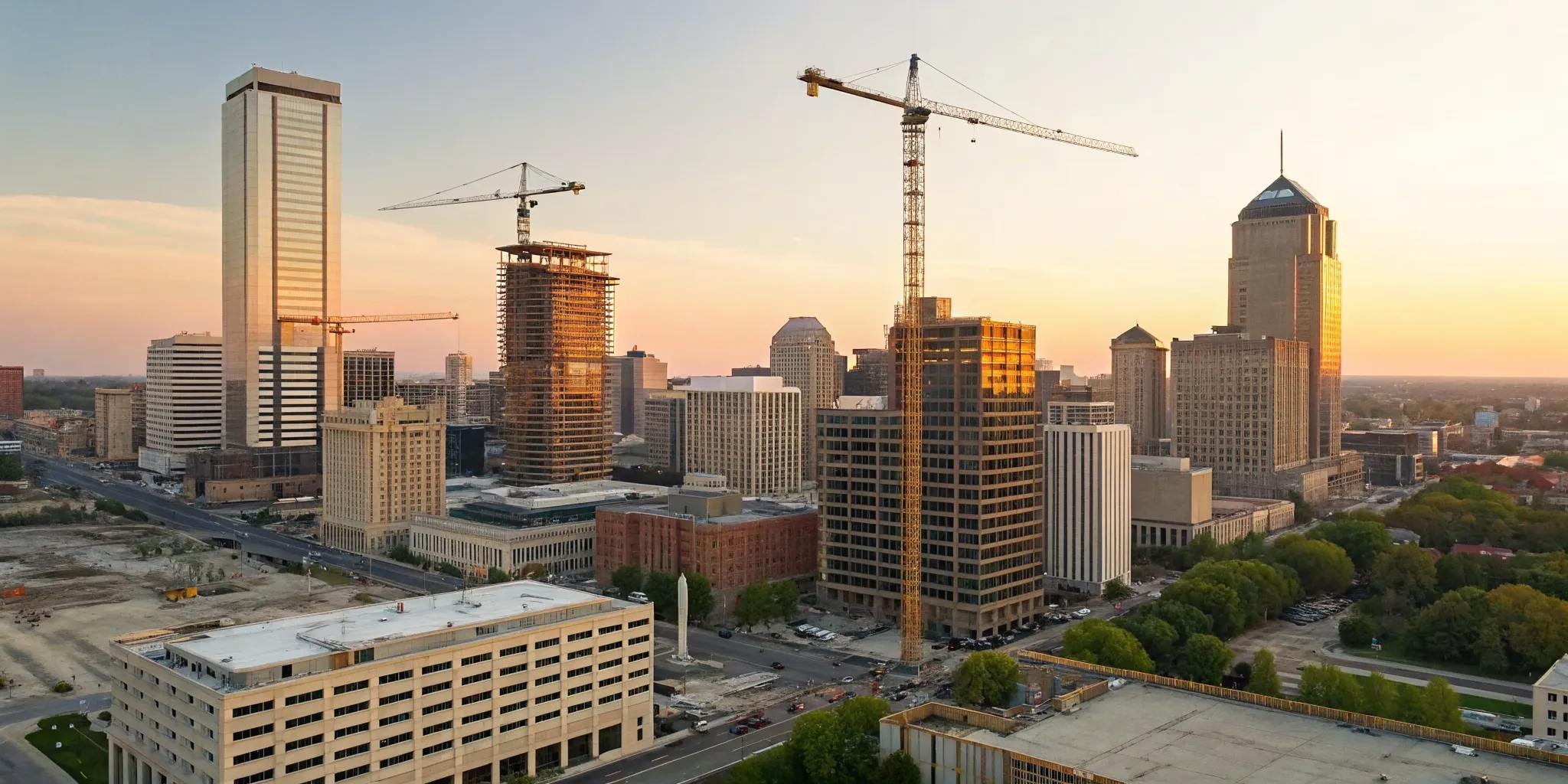
When you think of Indianapolis, the famous racetrack might be the first thing that comes to mind. But beyond the speedway, a multi-billion dollar transformation is quietly reshaping the city’s downtown core. This isn't just about adding a few new buildings; it's a comprehensive effort to create a more connected, vibrant, and modern urban experience. From towering new hotels with skybridge connections to the complete redevelopment of an old downtown mall, the scope of work is immense. For contractors and suppliers, this boom represents a deep well of opportunity. We’ll give you an insider’s look at the new commercial construction projects Indianapolis is banking its future on.
Indianapolis is in the middle of a transformation, backed by a staggering $3 billion investment in new construction. This isn't just a handful of scattered projects; it's a coordinated effort to reshape the city's downtown core, making it a premier destination for tourism and major events. For general contractors, subcontractors, and suppliers, this boom represents a massive wave of opportunity. The city is actively building the infrastructure to support future growth, which means a steady pipeline of high-value projects for years to come. This isn't just about putting up new buildings, it's about creating an integrated urban experience that will attract visitors and businesses alike.
From towering new hotels and expanded convention centers to reimagined public spaces and critical infrastructure upgrades, the scope of work is diverse. This level of investment signals a long-term commitment to development, creating a stable and predictable market for construction professionals. Whether your specialty is in hospitality, mixed-use development, or large-scale public works, there are significant projects breaking ground. Understanding the forces behind this growth and the specific projects in the pipeline is the first step to getting your team involved. The key is to get in front of these opportunities before they hit the open market, and that starts with knowing where to look long before the first shovel hits the dirt.
At the heart of this construction boom is a strategic $1.7 billion investment in new tourism-related infrastructure. Indianapolis is making a deliberate push to enhance its reputation as a top-tier host for major conventions and events. The city's leadership understands that attracting more visitors requires more than just a few new attractions; it demands a seamless and enjoyable downtown experience.
This vision is fueling projects designed to improve connectivity and convenience. The plan involves not only adding thousands of hotel rooms but also ensuring they are connected to key venues like the convention center. It also includes upgrading public transport to make getting around the city easier for everyone. By focusing on the entire visitor journey, from arrival at the airport to moving between downtown hotspots, Indianapolis is laying the groundwork for sustained economic activity.
The $3 billion investment is funding a wide array of project types, creating opportunities across multiple sectors. Hospitality is a major focus, with new high-rise hotels and expansions that will add thousands of rooms to the city’s inventory. These are often paired with large-scale convention center expansions designed to attract bigger national events.
Beyond hotels, the city is prioritizing ambitious mixed-use redevelopments. A great example is the plan to convert an old downtown mall into a vibrant, open-air district with retail, housing, and entertainment. These projects show a commitment to urban renewal, not just new builds. Finally, significant capital is flowing into infrastructure, including a new bus rapid transit line to connect the airport to downtown. These foundational projects support all other development, creating a ripple effect of opportunity for subcontractors and suppliers.
Indianapolis is buzzing with activity, and it’s not just on the racetrack. The city is in the middle of a construction boom, with billions of dollars being invested into projects that are reshaping its skyline and downtown core. These developments create a massive pipeline of opportunities for general contractors, subcontractors, and suppliers. Let's take a look at some of the most significant projects currently underway. These are the kinds of opportunities that, with the right tools, you can spot months before they hit the public bid stage.
A standout project is the massive Signia by Hilton hotel and convention center expansion. With a price tag of $710 million, this development is a huge investment in the city’s future as a top convention destination. The project includes a new 38-story hotel with 800 rooms and an enormous 50,000-square-foot ballroom. It will connect directly to the convention center via a skywalk, a feature that’s becoming a signature of downtown Indy. For contractors, a project of this scale means countless opportunities, from structural work and MEP systems to high-end interior finishes. Keeping an eye on these new developments is key to getting involved.
The former Circle Centre Mall is getting a complete makeover with the $600 million Traction Yards project. This isn't just a renovation; it's a ground-up redevelopment designed to create a vibrant, open-air neighborhood in the heart of downtown. The plan includes a mix of retail, restaurants, entertainment venues, offices, and new homes. With a phased opening starting in 2029, this long-term project will require a wide range of construction services over several years. It’s a prime example of the urban revitalization trend, turning outdated single-use properties into dynamic, mixed-use communities that attract both residents and visitors.
Indianapolis is also making significant investments in its sports culture. The new $78 million Indiana Fever Sports Performance Center is a state-of-the-art training facility dedicated to the city’s WNBA team. Connected to Gainbridge Fieldhouse, this project highlights a growing focus on providing world-class amenities for female athletes. For specialty contractors, projects like this offer a chance to work on high-performance buildings with unique specifications. Winning bids on these types of specialized projects often comes down to having the right relationships, which you can build by identifying key stakeholders early. Many of our customers have found success by doing just that.
Beyond the massive Signia hotel, the city's hospitality sector continues to grow with several other hotels in the works. A new 15-story Ritz-Carlton will add a touch of luxury with 176 rooms and high-end amenities. At the airport, a new Westin will provide 253 rooms for travelers, while a boutique Motto Hotel will bring 116 stylish rooms to a historic downtown building. This diverse pipeline shows there are opportunities for firms of all sizes, whether you specialize in luxury finishes, efficient airport construction, or historic renovations. Each project has its own set of needs, from GCs to material suppliers.
Foundational projects are also a major part of Indy’s growth. The $370 million IndyGo Blue Line is a new bus rapid transit line that will connect the airport to downtown, making the city more accessible. In parallel, the $175 million City Market East project will modernize the historic market area, improving walkability and creating a more functional public space. These infrastructure upgrades are not just projects in themselves; they are catalysts for future private development. Tracking public works and permit activity in these zones can give you a head start on identifying where the next wave of private construction will pop up.
Indianapolis isn’t just growing; it’s growing with a purpose. The city’s development strategy is clearly focused on a few key areas, creating a roadmap for general contractors, subcontractors, and suppliers looking for new opportunities. By understanding which project types are getting the green light, you can better position your business to be part of the city’s next chapter. The major investments fall into three main categories: attracting visitors, creating vibrant communities, and building a high-tech, healthy future.
Indianapolis is doubling down on its reputation as a premier event destination. To attract larger conventions and more tourists, the city is making huge investments in its hospitality sector. The centerpiece of this effort is the Signia by Hilton & Convention Center Expansion. This massive $710 million project will add a new 38-story, 800-room hotel downtown, directly connecting to an expanded Indiana Convention Center. As the city continues to draw major events, you can find more details on the new developments shaping its skyline and creating demand for construction services. This focus on hospitality signals a steady stream of opportunities for firms specializing in high-end finishes, complex MEP systems, and large-scale project management.
The concept of the shopping mall is being completely reimagined in Indianapolis. The city is moving toward modern, open-air neighborhoods that blend retail, residential, and recreation. The most ambitious example is Traction Yards, a $600 million project set to transform the old Circle Centre mall into a vibrant, walkable district with shops, restaurants, homes, and offices. Similarly, the City Market East Project is a $175 million initiative to revitalize the historic City Market area. It includes improved parking, pedestrian-friendly alleyways, and a new event space, all designed to create a more connected and engaging urban core. These projects show a clear commitment to building communities, not just buildings.
Indianapolis is also laying the groundwork for a future driven by technology and healthcare. The city is actively courting investments in digital infrastructure, with a proposed $2.2 billion data center on the east side currently under consideration for tax incentives. This move aligns with a broader strategy to become a key player in the tech world. On the life sciences front, the 16 Tech Innovation District is a sprawling campus designed to bring together over 300 startups, industry leaders, and academic partners in one collaborative ecosystem. This initiative, along with the development of the new IU Health academic health center, highlights a major push for development and redevelopment in the healthcare and innovation sectors, creating demand for specialized construction.
Indianapolis isn't just adding buildings; it's executing a strategic vision to create a more connected, vibrant, and attractive downtown core. For general contractors and suppliers, this means the projects coming down the pipeline are more than just standard builds. They are large-scale, highly integrated, and focused on the user experience, presenting unique challenges and opportunities for firms that can deliver high-quality, complex work. Understanding these defining features is key to positioning your company to win these bids.
The sheer scale of these projects is the first thing you'll notice. We're talking about massive investments, like the $710 million Signia by Hilton and convention center expansion. This 38-story, 800-room hotel isn't just another high-rise; it's a landmark project designed to attract major national events. For contractors, this translates to opportunities involving complex structural work, high-end interior finishes, and state-of-the-art amenities. These are the kinds of new developments that require experienced teams capable of managing large-scale logistics and delivering on a grand vision. Getting involved in projects of this magnitude can define a company's portfolio for years to come.
One of Indy's signature features is its network of climate-controlled skywalks, and this boom is doubling down on that concept. The new Signia hotel will bring the total number of skywalk-connected hotels to 13, creating a seamless path for visitors to the convention center. This focus on integration presents a unique construction challenge: tying new structures into an existing, active network. It requires precise coordination, sophisticated engineering, and a deep understanding of how to work within a dense urban environment without disrupting city life. Companies that have successfully tackled similar complex builds can showcase their expertise, as highlighted in various customer stories from the field.
Beyond the buildings themselves, Indianapolis is investing heavily in the spaces between them. The redevelopment of the Circle Centre Mall into an open-air neighborhood and the redesign of Georgia Street are perfect examples. These projects prioritize walkability, green spaces, and a mix of retail, residential, and entertainment venues. For construction firms, this signals a growing demand for work that goes beyond vertical construction, including extensive site work, hardscaping, landscaping, and creating inviting public plazas. You can track early signals for these types of projects by monitoring permit and rezoning applications, which often provide the first official sign that a major revitalization is underway.
A multi-billion dollar investment in a city’s core does more than just change the skyline. It creates a powerful ripple effect that touches nearly every aspect of the local economy. For general contractors, subcontractors, and suppliers, this boom is the immediate source of new business. But the long-term effects are what build a stable, thriving market for years to come. Understanding this broader impact helps you see where the city is heading and how your business can grow with it.
These massive projects are designed to be economic engines. They generate jobs, attract new revenue streams, and breathe life back into entire neighborhoods. The construction phase provides an immediate injection of capital and employment, but the real value comes from what happens after the ribbon-cutting. The new hotels, convention spaces, and mixed-use developments are set to draw more people and businesses to Indianapolis, creating a cycle of growth. For construction professionals, this means the opportunities won't dry up when these megaprojects are complete. Instead, they lay the groundwork for future developments, renovations, and infrastructure needs. Successful firms are the ones who see this bigger picture and use it to build lasting relationships, just as many of our customers have done in other expanding markets.
It’s no secret that large-scale construction creates jobs. These projects will require a massive workforce, opening up countless opportunities for local GCs, specialty subs, and suppliers throughout the building process. From groundwork and framing to electrical and finishing, the demand for skilled labor will be immense. This initial phase provides a direct and significant lift to the construction sector.
But the employment impact continues long after the final nail is driven. Once completed, these new hotels, retail stores, and corporate offices will need staff to operate them, creating thousands of permanent jobs in hospitality, sales, and management. This sustained employment strengthens the community and increases the local population's spending power, which in turn fuels demand for more housing, schools, and services, creating a fresh cycle of construction opportunities.
Indianapolis is already a top destination for major events, and the city is doubling down on that reputation. With a $3 billion investment in tourism-focused projects, Indy is solidifying its status as the ‘#1 Convention City in the U.S.’. The expansion of the convention center and the addition of several high-profile hotels are designed to attract larger conferences, more sporting events, and a steady stream of visitors.
This influx of people directly benefits the local economy. Tourists spend money on lodging, food, and entertainment, while new commercial properties expand the city’s tax base. This additional revenue is critical for funding public services like infrastructure maintenance, public safety, and community programs. For construction firms, a city that invests in itself is a city with a reliable future, promising a stable pipeline of both public and private projects for years to come.
These developments are about more than just standalone buildings; they are about transforming entire districts. Projects like the Traction Yards redevelopment are designed to turn underutilized areas into vibrant, walkable neighborhoods where people can live, work, and play. This kind of thoughtful urban planning is meant to reshape where people live and where businesses choose to set up shop.
By creating modern, attractive communities, these projects increase surrounding property values and improve the overall quality of life for residents. This revitalization effect creates a halo of opportunity for the construction industry. As a neighborhood becomes more desirable, it spurs a new wave of private investment in renovations, residential construction, and smaller commercial fit-outs. Getting in on the ground floor of a major anchor project can position your firm to capture this secondary wave of growth.
Knowing the long-term project pipeline is essential for strategic business development. It helps you decide when to start building relationships, positioning your services, and preparing your bids. Indianapolis has a clear roadmap of major projects stretching well into the next decade, offering plenty of opportunities for forward-thinking firms. Here’s a look at the key completion dates to add to your calendar.
The next few years are packed with high-profile hospitality and entertainment projects. The massive Signia by Hilton & Convention Center Expansion, a $710 million project, is set to open in late 2026, adding 800 hotel rooms and a huge ballroom. Around the same time, the luxury Kimpton Hotel will open in a historic downtown building. By December 2027, the new Westin Hotel will be connected directly to the airport terminal, and the IMS Museum will debut its new restoration and event center. These new developments signal a strong focus on growing the city’s capacity for tourism and large-scale events.
Looking further ahead, the momentum continues with several transformative projects. In 2028, a 15-story Ritz-Carlton Hotel will open with a skywalk connection to Gainbridge Fieldhouse, while the City Market East project will revitalize a historic area with better public spaces. The IndyGo Blue Line, a $370 million transit project, will also launch, connecting the airport to downtown. The most ambitious of all might be Traction Yards, a $600 million redevelopment of the old Circle Centre mall, with its first phase opening in 2029. For projects with such long timelines, getting ahead of the bid is critical, which is why many successful contractors use tools to track early project signals.
In a market as active as Indianapolis, waiting for projects to hit public bidding sites means you’re already late to the party. By the time an Invitation to Bid is issued, key decisions have been made, and you’re left competing on price alone. The real competitive edge comes from a proactive approach: identifying opportunities months, or even years, before they become common knowledge. Shifting your strategy from reactive to proactive allows you to build relationships, influence project specifications, and position your company as an indispensable partner from the very beginning. This section will walk you through how to find these early-stage projects and get ahead of the bid.
Getting involved in a project during its infancy is a game-changer. When you identify an opportunity at the pre-construction phase, you have a unique chance to connect directly with developers, owners, and architects. This isn't about making a sales pitch; it's about building a relationship and establishing trust. You can provide valuable input on constructability, offer value engineering ideas, and help the project team avoid potential roadblocks. As Indianapolis continues its impressive growth with new developments like hotels and public transit improvements, being a trusted advisor early on makes you the logical choice when it's time to build, turning a competitive bid into a negotiated contract.
The earliest signs of a new development aren't found on bidding platforms. They’re hidden in plain sight within public records. Key indicators to watch for include rezoning applications, land title transfers, and early-stage building permits for activities like demolition or site work. For example, many of the city's most significant projects are mixed-use developments that require zoning changes long before ground is ever broken. While this information is public, tracking it manually is a massive time sink. It involves constantly scouring municipal websites, county records, and local business journals, trying to piece together scattered clues to find a real opportunity.
Instead of spending hours manually digging for project leads, you can automate the entire process. Mercator.ai is designed to give you upstream visibility by analyzing thousands of datasets for those exact early signals. Our platform sends you real-time alerts on title transfers, rezoning activity, and permit applications, so you’re the first to know when a new project is taking shape. More importantly, we help you identify the key people behind the project, from the developer to the architect. You can even explore our Free Permits App to see how easily you can access this data. This intelligence gives you the head start you need to build relationships and win work before it ever goes out to bid.
Why is Indianapolis investing so much in construction right now? Indianapolis is making a strategic push to become the top destination in the country for major conventions and events. City leaders are funding projects that create a better visitor experience, from new hotels and expanded venues to improved public transit. This investment is not just about building new structures; it is about creating the infrastructure needed to support long-term economic growth and attract more people and businesses to the city.
What types of construction projects are most common in this boom? The opportunities are quite diverse. Hospitality is a major focus, with several large hotels and convention center expansions underway. You will also see a lot of ambitious mixed-use redevelopments, where outdated properties like old malls are being transformed into modern, walkable neighborhoods. Finally, there is significant investment in foundational projects like new bus lines and public space upgrades, which support all other growth.
Are these opportunities only for large general contractors? Not at all. While the headline projects are massive, they create a huge demand for specialty subcontractors and suppliers. A project like the Signia hotel requires experts in everything from complex electrical systems to high-end interior finishes. Additionally, the boom includes smaller-scale projects like boutique hotels and renovations, which are perfect for firms of all sizes. The key is to find the right fit for your company's expertise.
How long is this construction boom expected to last? This is not a short-term spike in activity. The city has a clear roadmap of major projects with completion dates stretching to 2029 and beyond. These large anchor projects are designed to be economic engines that will spur a secondary wave of private development, including new housing, retail, and renovations. This creates a stable and predictable market with a pipeline of work for many years to come.
The post mentions finding projects early. How can I do that without spending all my time searching public records? The best way to get ahead is by tracking early project signals like rezoning applications, land sales, and preliminary permits. Doing this manually is incredibly time-consuming. A platform like Mercator.ai automates this process for you. It analyzes public data and sends you real-time alerts when a new project is just beginning, along with information on the key people involved. This gives you the head start you need to build relationships long before the project goes to public bid.


.png)