
Case Studies


Office construction projects Orlando teams want to pursue can appear quiet long before they become a bid, permit, or public announcement. For business-development teams, that gap is where timing decisions get difficult: an early signal may show momentum, but not yet prove scope, procurement, or a reachable stakeholder.
Book a Live Demo to see how earlier project signals can support a more focused construction business development workflow.
To monitor office construction projects orlando effectively, combine local planning and permit records with project-stage verification, stakeholder research, and a consistent outreach-priority score. Treat each record as a lead to qualify, not proof that work is ready to pursue.
Orlando's process illustrates why a single source is rarely enough. The City uses ProjectDox to submit and manage planning and permitting plans, and planning cases generally require a pre-application meeting before access, with stated exceptions. Those steps can place useful signals upstream of a conventional bid search. The practical question is what makes those signals hard to find early, and how teams can separate hidden activity from actionable opportunity.
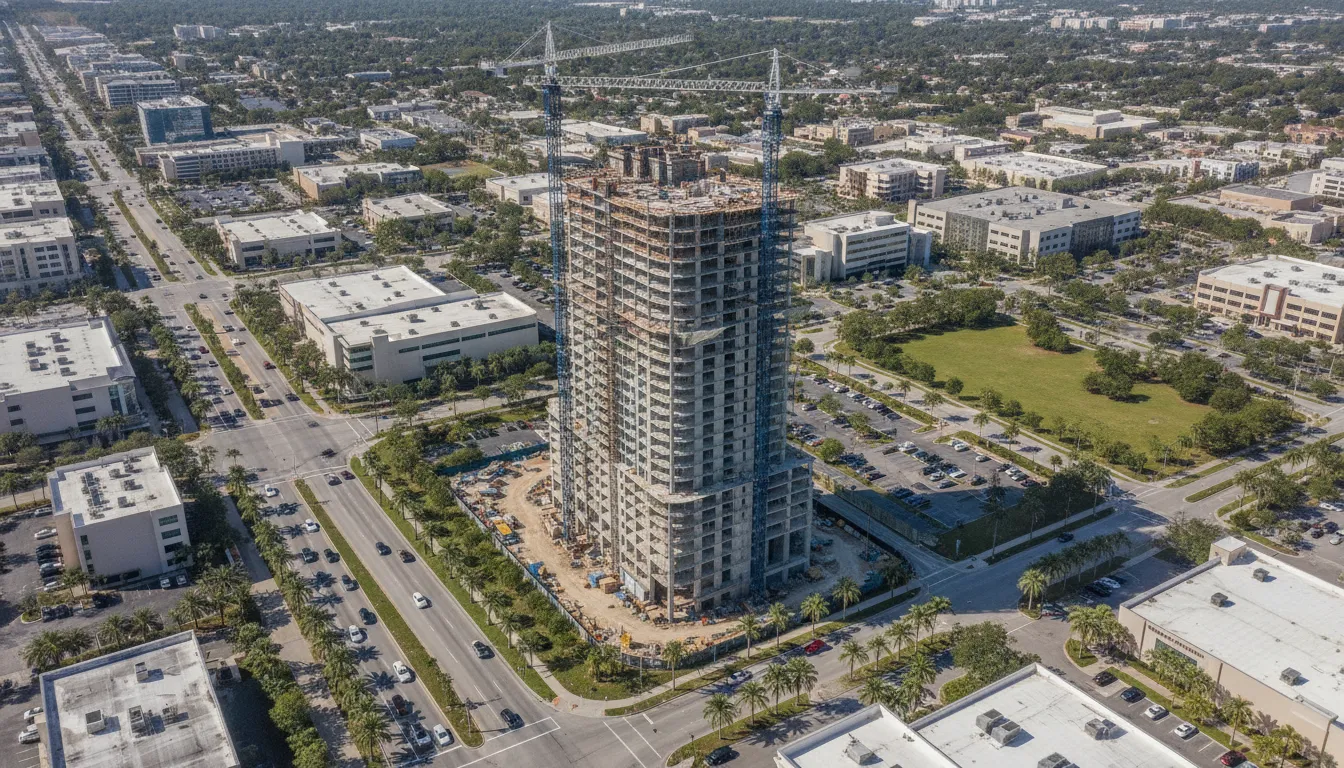
Office construction opportunities are often easiest to spot as planning and permitting signals, before they become public bid opportunities. The challenge is that an early record may show that a project is moving through a municipal process, but it does not guarantee that the owner has selected a delivery method, opened procurement, or invited contractors to compete.
That timing gap matters to general contractors, specialty contractors, suppliers, and developers. A team that waits for a bid notice may receive clearer scope information, but it may also be entering after key relationships and design decisions have formed. A planning or permit signal can create an earlier reason to investigate, identify stakeholders, and decide whether a relationship-led conversation is appropriate.
The City of Orlando uses ProjectDox to submit and manage planning and permitting project plans. For planning cases, applicants generally need a pre-application meeting with City Planning before they can access ProjectDox, although the city identifies exceptions. For permitting cases, the applicant receives a ProjectDox email invitation after the permit application is processed. These steps can help indicate that a proposal has entered a formal workflow, but they do not by themselves prove that construction will start soon.
Orlando's planning process also includes a completeness prescreen. A project planner reviews the submission, and if it passes, routes the case to other staff for review. That makes a planning record useful for discovery and timing research. It is still a signal rather than proof of award, financing, final scope, or bid release. Those questions require additional verification with available records and project stakeholders.
Use the city's ProjectDox guide to understand the workflow, then record each opportunity's source, stage, last update, and next verification step. This keeps early intelligence useful without treating an administrative milestone as a confirmed office construction project.

Use a repeatable source sequence: watch the city permit workflow, review ProjectDox signals. Check Orange County Fast Track when applicable, and verify the project before treating it as an opportunity. Public records can indicate process and timing, but they do not guarantee that a project will bid. That a specific contractor will be selected, or that an opportunity is still available.
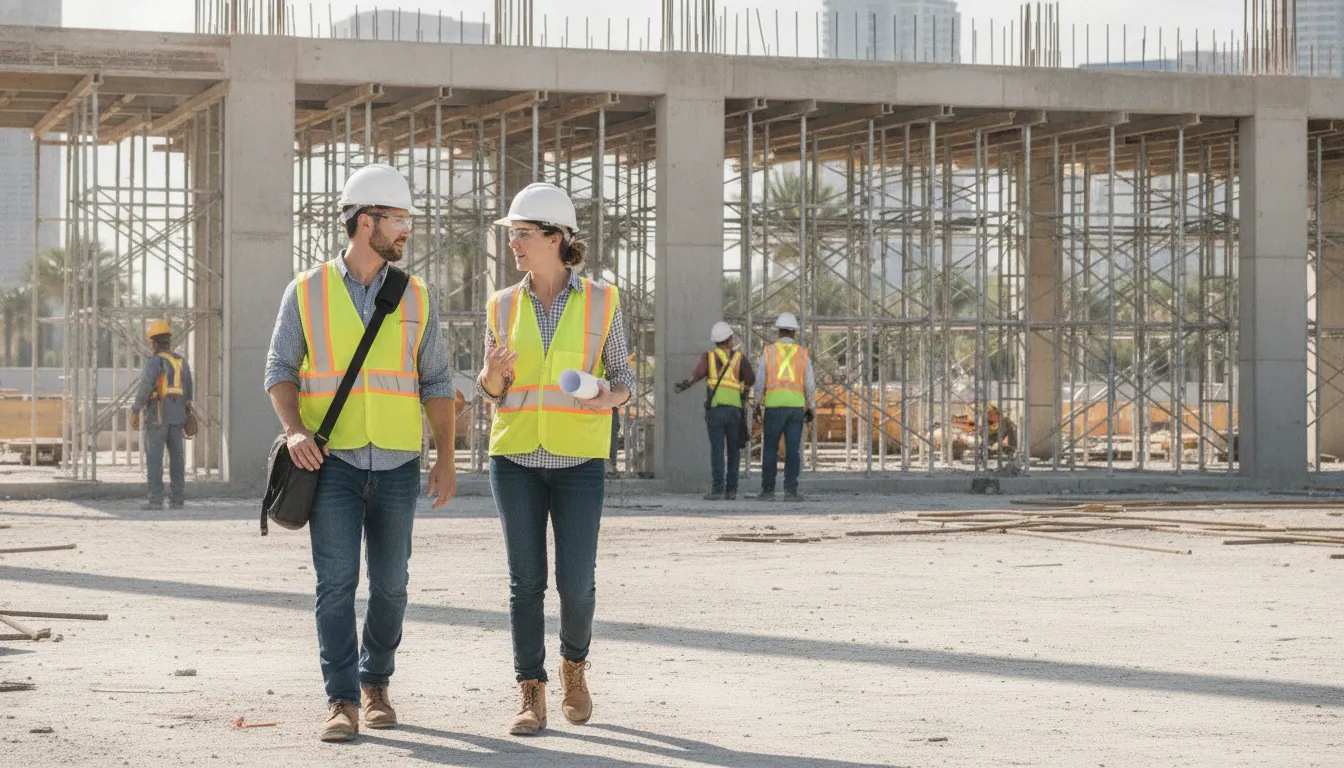
The most useful timing signal is a sequence, not a single record: ownership and zoning establish context, while planning, plan review, permits, reviewer comments, and pending tasks show how close a project may be to its next decision point.
Use each record to answer a different qualification question. Ownership records can identify the controlling entity or a recent transfer, but they rarely prove that construction is imminent. Zoning and planning records can clarify whether the proposed use is workable and whether a case has entered a formal review path. They are valuable early signals, not confirmed bid dates.
How to interpret Orlando project records| Record or signal | What it can show | How to use it |
|---|---|---|
| Ownership | Potential decision-maker or recent change | Confirm the property, entity, and likely contact before outreach |
| Zoning and planning | Use, entitlement, and case activity | Assess feasibility and stage, without treating it as a start date |
| Completeness prescreen | Whether City Planning can route the submission to other reviewers | Track movement beyond an initial filing |
| Plan review | Review has begun after compliant uploads; timing varies by project type and scope | Match follow-up timing to the project's apparent complexity |
| Reviewer comments | Open questions or requested changes, including Changemark reports | Look for friction that may shift the next milestone |
| Task list | Pending applicant actions that can delay processing | Separate an active case from one waiting on the applicant |
| Permit record | A formal permitting step and related application activity | Use it as stronger evidence than ownership alone, then verify scope |
For Orlando cases, the City's ProjectDox guide explains that planning staff first review a submission for completeness before routing it to other staff. That prescreen is a meaningful stage marker: a case that has passed it has progressed further than an unverified concept, although it still does not establish procurement timing.
Plan review provides another timing layer. The City says compliant uploads are routed for review, but review times vary by project type and scope. A reviewer comment can therefore be more actionable than a bare filing because it reveals what must happen next. The task list adds operational context. If an applicant has a pending action, the apparent review age may overstate project readiness.
Build a short record trail for every opportunity: source date, case or permit identifier, current stage, latest comment, pending task, and next verification step. Then confirm the owner, use, scope, and procurement path before treating the signal as outreach-ready.
Qualify an office project by confirming its property, intended use, development stage, scope, ownership, design team, procurement path, and fit before spending time on outreach. A permit or planning signal is a starting point, not proof that a project is ready for your role or that a bid opportunity exists.
Use a checklist that separates what is documented from what still needs confirmation:
As an illustrative example, Interstruct describes Sand Lake Commons as a 22,021-square-foot medical office building in Orlando's Dr. Phillips area, developed through ground-up design-build construction. That description is a completed-project example, not a current Orlando project list or a live opportunity. For a broader next step, compare your verified records with Orlando commercial bid opportunities, then contact the relevant stakeholder only when the project stage and procurement path support a useful conversation.
Prioritize the projects where your capabilities, timing, evidence, and relationship path align, then subtract the effort required to pursue them. A useful score is not a substitute for judgment. It is a consistent way to decide which office buildings and tenant improvements deserve a call this week, which need more verification, and which should remain in a watchlist.
Score each category from 1 to 5, document the reason, and review the result when a project record changes:
General contractors should emphasize delivery fit, preconstruction timing, and access to the owner or design team. Specialty contractors should look for a confirmed scope, likely trade package, and a path to the GC or construction manager. Suppliers and manufacturers should focus on specification timing, design-team access, and whether their product category fits the building or tenant improvement. Developers and real estate firms may prioritize ownership changes, project control, and stakeholder movement rather than a bid date.
Use the result to create three queues: act now, verify next, and monitor. Teams seeking early project intelligence for general contractors or project intelligence for suppliers and manufacturers can apply the same model, provided the source, stage, and relationship assumptions are recorded before outreach.

A repeatable workflow turns scattered project signals into verified next steps. The goal is not to treat every filing as a sales opportunity. It is to discover activity early, confirm what it means, map the people involved, and decide when a relationship-based outreach is appropriate.
Set a recurring review schedule across relevant planning, permitting, property, and commercial sources. Track signals such as title transfers, rezoning, permit activity, plan submissions, and changes in project status. For Orlando, use the City of Orlando's official ProjectDox guidance to understand how planning and permitting records move through review. Treat each signal as a lead, not proof of active procurement.
For every candidate, record the property, proposed use, project stage, source date, scope, and likely schedule. Check whether the signal reflects early planning, design development, permitting, bidding, or active construction. Then verify the latest available record and note unresolved gaps. This prevents an old filing or preliminary concept from becoming an overconfident pitch.
Identify the owner or developer, architect, engineer, general contractor, consultants, and relevant specialty or supply contacts. Score each opportunity for market fit, timing, evidence quality, relationship access, and pursuit effort. A strong fit with weak timing may belong in a nurture list, while a well-supported project with a credible relationship path may merit prompt outreach.
Lead with a useful, specific question rather than a generic capability message. Log the contact, response, next action, and any new project evidence. Review the scores regularly as plans, permits, stakeholders, and timing change. Mercator.ai's documented coverage is Austin, Dallas-Fort Worth, Houston, and San Antonio, Texas, not Orlando. Explore pricing to confirm current availability and fit for your market.
Start with planning and permitting records rather than relying on a project list. The City of Orlando uses ProjectDox for planning and permitting plan submissions, while new commercial building applicants in Orange County are directed to Fast Track Online Services. Use those systems to identify a property, applicant, project type, and current review stage, then verify the information before outreach.
Look for more than an address or early concept. Confirm the owner or applicant, intended use, site or survey information, design team, project stage, and any evidence of procurement or permitting activity. Treat a planning filing as a discovery signal, not proof that construction or bidding is imminent. Ask what changed recently and what decision the stakeholder expects next.
Review submission status, reviewer comments, pending tasks, plan-review activity, and permit milestones. Orlando advises applicants to check the ProjectDox task list for actions that can delay processing, and its reports can include reviewer comments such as a Changemark Report. These details help distinguish an active review from a record that has gone quiet.
Score each opportunity on market fit, evidence of current activity, likely timing, stakeholder access, and the effort required to qualify it. Give higher priority to projects where your capabilities match the scope and you have a credible relationship path. Keep the source date and next verification step with every record so outreach remains useful rather than speculative.
Earlier signals can help your team ask better questions, qualify timing, and focus relationship outreach where it is most relevant. Mercator.ai documents coverage in four Texas metros, so confirm current market availability and product fit for your needs. Book a Live Demo to discuss earlier project signals, qualification, and relationship-led construction business development.


.png)