
Your time is your most valuable asset. Yet, how much of it is spent scrolling through plan rooms, downloading massive files, and preparing bids for projects you have a slim chance of winning? The traditional process for finding plan room Indiana construction bids is a numbers game that can feel like a grind. You're constantly reacting to deadlines and competing on price alone. While plan rooms are an essential source for opportunities, relying on them exclusively can drain your resources. Let's explore how to use these platforms more strategically and, more importantly, how to find opportunities that give you a real competitive edge.
Book a Live DemoKey Takeaways
- Treat Plan Rooms as a Starting Point: Indiana plan rooms are essential for finding public bids and understanding the market. Use them to build your project pipeline, but remember that they only show projects everyone else can already see.
- Secure Contracts with Flawless Bids: Winning is often about avoiding simple mistakes. Secure more contracts by double-checking all your paperwork, staying on top of project addenda, and using pre-bid meetings to show you are a prepared and professional partner.
- Get Ahead by Finding Projects Early: The most valuable opportunities are often secured before they are publicly listed. Get ahead of the competition by tracking early project signals, like zoning changes, to build relationships with owners and influence projects from the start.
What Is a Construction Plan Room?
As a contractor, you know that finding your next project is half the battle. That's where construction plan rooms come in. Think of a plan room as a central library for bidding opportunities, covering everything from public works to private commercial builds. Its main job is to simplify the bidding process by gathering all the project documents, plans, and specifications in one place. This means you spend less time hunting for information and more time crafting a winning bid.
The real value of a plan room is that it creates a level playing field. Every contractor gets access to the exact same information at the same time. This transparency is crucial because it ensures everyone is bidding on the same scope of work, eliminating guesswork and reducing risk. For you, this means you can bid with confidence, knowing your proposal will be compared fairly against others. Facilities like the Skillman Plan Room are designed to gather these construction jobs for bid, making it easier for general contractors and subcontractors to find and compete for projects effectively. It’s a foundational tool for anyone looking to consistently fill their project pipeline.
Physical vs. Digital Plan Rooms
Not too long ago, plan rooms were actual physical spaces. You’d walk into a room with large tables covered in blueprints and shelves stacked with project manuals. While some of these traditional rooms still exist, the industry has largely moved online. Today, most plan rooms are digital platforms that you can access from anywhere.
This shift has been a game-changer for efficiency. With digital plan rooms, you can search for projects, review plans, and download all the necessary documents right from your computer or tablet. There’s no need to drive across town or wait for prints to be made. This convenience saves you valuable time and allows you to stay on top of new opportunities as soon as they become available.
The Role of Plan Rooms in Indiana Bidding
In Indiana, plan rooms are an essential part of the construction ecosystem. For contractors working in the state, they are a primary source for finding and securing work. These platforms provide critical access to project details, including bid deadlines, pre-bid meeting schedules, and specific instructions for how to submit your proposal. Having this information organized in one place helps you stay on track and avoid costly mistakes.
By centralizing this data, Indiana plan rooms foster a transparent and competitive bidding environment. When every contractor is working from the same set of documents, it encourages fair pricing and high-quality proposals. Getting familiar with these resources is a key step to building a successful and sustainable construction business in Indiana.
What Projects Are in Indiana Plan Rooms?
When you start exploring Indiana plan rooms, you’ll find a wide variety of construction opportunities. These platforms serve as central hubs for project information, listing everything from large-scale government contracts to smaller, specialized jobs from private companies. The sheer volume and diversity of projects mean there’s likely something that fits your company’s expertise.
The key is knowing what to look for and understanding the different categories of work available. Projects in plan rooms are generally sorted into public and private sectors, but you’ll also find a mix of new construction, major renovations, and specific infrastructure upgrades. Let’s break down what you can typically expect to find so you can focus your search more effectively.
Public Projects
Public projects are the backbone of many plan rooms. These are jobs funded by government entities, including state, county, and municipal agencies. Think of new schools, library expansions, fire station builds, and roadwork. Because these projects use taxpayer money, they come with a high degree of regulation and transparency. The bidding process is often very structured, with detailed requirements and firm deadlines. For example, the Skillman Plan Room is a great place to see how public jobs are listed, giving you a clear view of what government agencies are looking to build or renovate across the state.
Private Projects
Alongside public works, you’ll find a healthy number of private projects. These are jobs funded by private businesses, developers, or organizations. The scope can range from a new corporate headquarters or retail center to a multi-family housing development or an industrial warehouse. While some private projects are listed publicly in places like the Eastern Engineering Plan Room, many of the most desirable opportunities are secured long before they’re ever advertised. Relationships and early information are critical in the private sector, as developers often select their partners before a project becomes common knowledge.
Infrastructure, Renovations, and Specialized Builds
It’s not all about new, ground-up construction. Plan rooms are also an excellent source for finding infrastructure, renovation, and specialized trade work. A look at the Indiana University Plan Room shows just how specific these jobs can be. You might find listings for replacing steam pipes, upgrading elevator systems, renovating science labs, or installing a new roof on a campus building. For subcontractors and specialized firms, these smaller-scale projects are perfect for filling gaps in your schedule and building relationships with facility managers and large institutions that have ongoing maintenance and upgrade needs.
How to Access Indiana Plan Rooms
Getting access to an Indiana plan room is your ticket to bidding on a wide range of projects, but it’s not always as simple as just signing up. Each plan room, whether it’s run by a trade association or a private company, has its own set of rules. Think of it as joining a club where you need to show you’re a serious player. Before you can even think about placing a bid, you’ll need to handle registration, figure out membership costs, and make sure all your legal and financial ducks, like licensing and insurance, are in a row. Let's walk through what you can expect.
Registration Steps and Requirements
To get started, you’ll need to register with the specific plan room you want to use. The process usually involves filling out an application with your company’s details, contact information, and trade specialty. Some may ask for proof of your past work or professional references to verify your experience. For example, organizations like the Indiana Construction Association require you to create an account on their platform to view and download bid documents. It’s a good idea to have your company information, including your EIN and a summary of completed projects, handy to make the registration process go smoothly.
Membership Costs and Options
The cost of joining an Indiana plan room can vary quite a bit. Some might offer free, limited access, which is great for just browsing. However, to get full access to project documents, addenda, and bidder lists, you’ll likely need a paid membership. Annual fees can range from a couple hundred to over $500, depending on the organization and the level of access you need. For instance, the Builders Association of Greater Indianapolis provides various membership tiers, each with its own set of benefits. When choosing, consider how many projects you plan to bid on to make sure the investment is worthwhile.
Licensing, Insurance, and Bonding for Indiana Bids
Before you can bid on projects in Indiana, you need to have your legal paperwork in order. This means complying with state and local licensing requirements. The Indiana Professional Licensing Agency outlines the specific licensing process for different types of contractors. You’ll also need to carry the right insurance. The Indiana Department of Insurance provides clear guidelines on the necessary insurance coverage to protect your business and the project owner. Finally, many public and even some private projects will require you to be bonded, which guarantees you’ll complete the work as promised. Getting these sorted out ahead of time prevents last-minute scrambles when a great opportunity appears.
Essential Features of Indiana Plan Rooms
Once you’re inside an Indiana plan room, you’ll find a set of tools designed to make the bidding process more manageable. Think of it as your dashboard for finding and tracking opportunities. Knowing how to use these features effectively can make a huge difference in how efficiently you can identify projects that are a perfect fit for your company. Let’s walk through the most important features you’ll encounter.
Project Listings and Search Filters
The core of any plan room is its project database. Platforms like the Indiana University Plan Room act as a central hub where you can find a comprehensive list of construction jobs. You’ll see both public and private projects, though public works are far more common. The real power here lies in the search filters. Instead of scrolling through hundreds of irrelevant listings, you can narrow down opportunities by project type, location, size, and bidding timeline. This helps you quickly zero in on the jobs that match your company’s expertise and capacity, saving you valuable time and effort.
Addendum Tracking and Document Updates
Project plans are rarely set in stone. Changes happen, and missing an update can lead to an inaccurate bid and costly rework down the line. This is where addendum tracking comes in. Many Indiana plan rooms, including the Eastern Engineering Plan Room, offer features like an "Addendum Watch." This tool automatically notifies you whenever a project’s plans, specifications, or requirements change. It ensures you’re always working with the most current documents, so you can submit a bid that accurately reflects the project's final scope. Always make it a habit to check for addenda right before you submit your final numbers.
Pre-Bid Meeting Information
Pre-bid meetings are your first chance to get face-time with the project owner and ask clarifying questions. Indiana plan rooms make it easy to stay on top of these critical events. For each project listing, you’ll find essential dates clearly laid out, including the deadline for bid submissions and the schedule for any pre-bid meetings. This information is crucial for planning your bidding strategy. Attending these meetings can give you insights you won’t find in the documents and helps you start building relationships early. It shows you're serious about the project, which is always a smart move.
Bid Results and Historical Data
Winning in construction isn't just about the current bid; it's about playing the long game. Plan rooms provide access to bid results and historical data, which is an incredible resource for sharpening your strategy. Features like a "Bid Tab Watch" allow you to see who bid on past projects and at what price. You can review who won previous contracts and analyze their bids. This data helps you understand your competitors' pricing habits and spot trends in the market. Using these insights, you can refine your own estimates to be more competitive on future bids, which is a key tactic our most successful customers use to win more work.
What Does the Indiana Bid Submission Process Look Like?
Once you’ve found a promising project in an Indiana plan room, the real work begins. The bid submission process is detailed and unforgiving, but breaking it down into clear steps makes it manageable. Think of it as a checklist: each item you complete correctly gets you closer to a winning bid. From reviewing the fine print to tracking results, every stage requires precision. Let’s walk through what you can expect when submitting a bid in Indiana.
Review Bid Documents and Specifications
Before you calculate a single number, your first step is to become an expert on the project documents. This means reading everything: the plans, specifications, and any supplementary information provided. For example, construction companies looking for university projects can find and bid on jobs through the Indiana University Plan Room, which lists both public and private construction opportunities. Pay close attention to the scope of work, material requirements, and project timelines. This is where you’ll uncover the details that can make or break your bid’s accuracy and profitability. Don’t just skim; a thorough review is your best defense against costly surprises down the line.
Prepare Bid Security and Required Documents
With a clear understanding of the project, you can start assembling your bid package. This usually involves more than just your price. Most public bids require a bid security, like a bid bond, to guarantee that you will enter into the contract if you win. You’ll also need to gather other required documents, such as proof of insurance, licensing information, and a list of subcontractors. For specific guidance, it's essential to find and follow the official instructions. For instance, companies interested in bidding on IU projects should consult the "Bid Submittal Instructions" PDF to understand the correct procedures and ensure no document is missed.
Follow Submittal Instructions Precisely
This might sound obvious, but it’s where many bidders stumble. Public agencies have strict rules for how bids must be submitted, and any deviation can lead to automatic disqualification. Pay careful attention to the format, delivery method, and deadlines. Important details for each project, such as bid due dates (Bid Date) and pre-bid meeting schedules (Pre-Bid Date), are non-negotiable and can be found on the plan room listing. Double-check everything before you hit send or drop off your package. A late or incorrectly formatted bid is the same as no bid at all, so precision is key.
What Happens After Bids Are Opened
The waiting period after a bid opening can be tense, but many plan rooms offer transparency into the process. Once the submission deadline passes, the project owner will publicly open and read the bids. This is often followed by a period of review where they verify the information and confirm the lowest responsible bidder. You don’t have to be left in the dark during this time. After bids are opened, you can often view the results through features like a "Bid Tab Watch." This allows you to see how your numbers compared to the competition, providing valuable data for future bids, regardless of the outcome.
Common Bidding Mistakes to Avoid in Indiana
The bidding process in Indiana can be competitive, and a simple mistake can take you out of the running before you even have a chance. Winning a bid isn't just about having the best price; it's also about flawlessly executing the submission process. Many contractors get disqualified for small, avoidable errors that have nothing to do with their ability to do the work. Let's walk through some of the most common bidding mistakes so you can make sure your proposals are always polished, professional, and positioned to win.
Incomplete or Incorrect Documentation
This is one of the most frequent and frustrating reasons for bid rejection. You can have the most competitive price and the best team, but if you miss a signature or forget a form, your bid could be disqualified immediately. The Indiana Department of Administration is clear that bidders must submit all required forms accurately and on time. Create a checklist for every bid submission. Double-check every field, signature line, and required attachment. It’s a simple step that ensures your hard work on the bid itself doesn’t go to waste over a preventable administrative error.
Missed Addenda or Deadlines
Projects evolve, and addenda are the official way project owners communicate changes, clarifications, or new information after the initial bid documents are released. Missing an addendum means you are bidding on outdated information, which can render your proposal non-compliant. As the Indiana Construction Association highlights, these updates are critical because they can alter project specifications. Make it a habit to check for addenda daily as the deadline approaches. Missing a deadline is an automatic disqualification, so treat these dates as absolute and give your team plenty of buffer time to finalize and submit everything.
Underestimated Costs and No Contingency
Submitting the lowest bid might seem like the primary goal, but winning a project you can't complete profitably is worse than losing the bid. Underestimating costs is a dangerous game that can lead to financial losses and damage your reputation. The Indiana Builders Association warns that failing to conduct a thorough cost analysis can result in significant project delays. Always build a contingency fund into your bid to cover unforeseen expenses. A detailed and realistic budget shows the project owner that you understand the full scope of the work and are prepared for the unexpected.
Not Asking Questions Before Bidding
If a part of the bid package is unclear, don't guess. Submitting a bid based on assumptions is a recipe for miscalculations and potential disputes down the line. Project owners and managers expect questions and often hold pre-bid meetings to address them. As the Indiana Society of Professional Engineers advises, seeking clarification on any confusing aspects of the project is a sign of diligence. Asking thoughtful questions not only helps you create a more accurate bid but also allows you to start building a professional relationship with the project team before the work even begins.
How to Win More Construction Bids in Indiana
Winning a construction bid is more than just being the lowest number. It’s about being the smartest number. While Indiana plan rooms give you access to opportunities, securing the contract requires a strategic approach that goes beyond the bid documents. It involves careful research, proactive communication, and building genuine connections within the industry. Think of it less like a lottery and more like a calculated campaign where every step you take can improve your odds. By sharpening your pricing, showing up prepared, and building your network, you can consistently position your company as the best choice for the job, not just the cheapest.
Use Bid History to Sharpen Your Pricing
Pricing a bid can feel like a shot in the dark, but it doesn’t have to be. One of the most powerful tools at your disposal is historical bid data. By analyzing past bid results, you can get a clear picture of pricing trends for similar projects in Indiana. Many plan rooms, like the Eastern Engineering Plan Room, offer features that let you see what competitors have bid on previous jobs. This information is gold. It helps you understand the competitive landscape and adjust your own pricing to be aggressive but still profitable. Instead of guessing, you can make data-driven decisions that put your bid right in the sweet spot.
Attend Pre-Bid Meetings to Get an Edge
If a pre-bid meeting is on the schedule, make it a priority to attend. These meetings are your first and best opportunity to get critical details straight from the project owner and design team. You can learn about specific requirements, clarify ambiguities in the plans, and get a feel for the project's key priorities. More importantly, it’s a chance to show your face and ask intelligent questions that demonstrate your expertise. This simple act can set you apart from competitors who are just names on a page. Information on these meetings is often available through sources like the Indiana University Plan Room, so be sure to check for them.
Build Relationships With Project Owners Early
In construction, relationships are currency. Getting to know project owners and stakeholders before a bid is even due can make a world of difference. When you understand what an owner truly values, you can tailor your bid to meet their needs beyond the basic specs. For example, some owners actively encourage bids from Minority, Women’s, and Veteran’s Business Enterprises (XBE), showing they value diversity and community investment. Building a connection allows you to learn these priorities firsthand. A strong relationship built on trust and understanding can give you a competitive advantage that no price point can beat.
Follow Up After Submitting Your Bid
The work isn’t over once you hit "submit." A simple, professional follow-up can keep your company top-of-mind and reinforce your interest in the project. This doesn’t mean pestering the project owner every day. A polite email confirming they received your bid and offering to answer any questions shows you are organized and proactive. If you have questions about the process or timeline, don't hesitate to reach out for support. This small step maintains a professional connection and demonstrates that you are a serious, committed partner ready to take on the project.
Are Indiana Plan Rooms Enough to Win?
Indiana plan rooms are an indispensable tool in any contractor's kit. They centralize opportunities, streamline the search for public bids, and provide a clear schedule of what’s happening in the market. For many, they are the starting point for every new business development cycle. But if your goal is to not just compete, but to consistently win high-margin projects, you have to ask a critical question: is relying on plan rooms alone enough?
While these platforms are excellent for finding publicly advertised jobs, they represent a specific, and often late, stage of the project lifecycle. By the time a project appears in a plan room, the race is already on. Key decisions about design and materials may have already been influenced, and you’re often left competing against a dozen other firms on price alone. Winning in today's market requires getting ahead of the bid list, not just being on it. It’s about shifting from a reactive bidding strategy to a proactive relationship-building one, and that means finding opportunities long before they become public knowledge.
The Limits of Public Listings
Plan rooms, like the Skillman Plan Room, are fantastic resources for finding construction jobs that are actively seeking bidders. They offer a solid overview of public sector work and some private projects. However, they don't show you the full picture. A significant number of private commercial projects are never publicly advertised. Instead, developers and owners award these jobs to contractors within their trusted networks.
This means that if you’re only watching the plan rooms, you’re missing out on a huge segment of the market. Even comprehensive platforms like the Eastern Engineering Plan Room can only list the projects that are shared with them. The most lucrative opportunities are often the ones that are quietly developed behind the scenes, moving from handshake agreements to signed contracts without ever hitting a public bidding board.
Why Timing Is Everything in Construction
When a project finally appears in a plan room, the clock is already ticking. You’ll see critical deadlines listed, like the bid due dates and pre-bid meetings that resources such as the Indiana University Plan Room highlight. This timeline creates a high-pressure environment where your team has to scramble to review documents, calculate costs, and submit a competitive bid before the window closes. Missing a deadline isn't an option; it means you’re out of the running completely.
The real disadvantage, however, is that by this stage, you’ve lost your chance to be a partner and are forced to be just another bidder. The opportunity to build a relationship with the owner, influence project specifications, and position your company as the ideal choice has passed. The most successful contractors don’t wait for the starting gun; they get on the field while the project is still just an idea.
Find Private Projects Before They Hit the Plan Room
While Indiana plan rooms are a necessary part of any bidding strategy, relying on them alone means you’re always playing catch-up. By the time a project appears on a public listing, dozens, if not hundreds, of your competitors are seeing it too. The specs are often set, the key players are in place, and your ability to stand out is limited to having the lowest price. Winning consistently requires a more proactive approach: finding and influencing projects long before they become public knowledge.
Getting in early transforms your role from a bidder to a trusted partner. When you identify a project at its inception, you have the opportunity to build relationships with developers, owners, and architects. You can understand their vision, help solve their problems, and position your company as the ideal choice for the job. This upstream visibility allows you to get your services or products specified into the project plans, giving you a significant advantage when the project eventually goes out to bid. It’s about creating opportunities, not just waiting for them.
Spotting Early Project Indicators
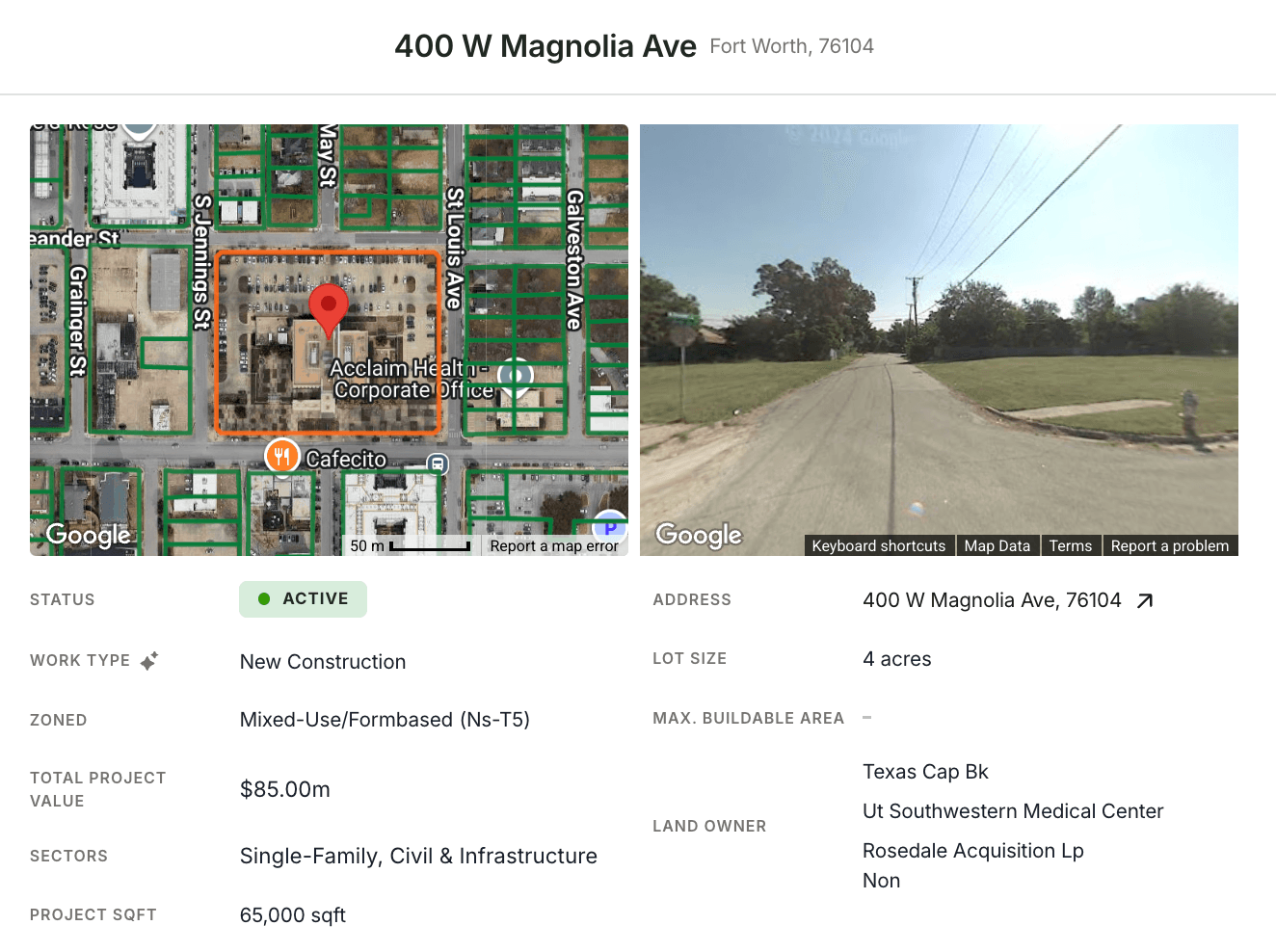
So, how do you find projects that don’t exist yet in a plan room? It starts with paying close attention to the signals of development happening all around you. Keep an eye on zoning change applications, land title transfers, and city council meeting agendas. These public records are often the earliest official signs that a piece of land is being prepared for a new project. Beyond documents, it’s about people. Building a strong professional network is crucial. Engaging with local business groups and connecting with developers, architects, and engineers can provide invaluable insider information about projects that are still in the conceptual stage.
How Mercator.ai Helps You Find Projects First
Manually tracking every zoning application and networking event is a full-time job. This is where having the right tools can make all the difference. Mercator.ai is designed to automate this discovery process for you. Our platform analyzes millions of data points, including permit activity, title transfers, and rezoning applications, to flag private construction projects months before they hit the market. Instead of spending your days digging for information, you get real-time alerts on qualified opportunities sent directly to you. This allows you to be the first to reach out and start building those critical early relationships, just like the customers we work with do every day.
Related Articles
Book a Live DemoFrequently Asked Questions
What's the real difference between the public and private projects I see in plan rooms? Public projects are jobs funded by government agencies, so they come with very structured rules and a transparent bidding process. Private projects are funded by businesses or developers and can be more flexible, but many of the most desirable private jobs are awarded to trusted contractors long before they ever appear in a public plan room.
Is it worth paying for a plan room membership? While some plan rooms offer limited free access for browsing, a paid membership is usually necessary to download all the project documents and see the full list of bidders. Think of it as an investment in your business development. If you plan to bid on several projects a year, the fee is often justified by the time you save and the detailed information you gain.
What's the most common reason a good bid gets rejected? It's almost always a simple administrative error. Forgetting a signature, missing a required form, or failing to acknowledge a last-minute project change (an addendum) can get your entire bid disqualified, no matter how good your price is. Creating a checklist and double-checking every detail before you submit is the best way to avoid this frustrating mistake.
My prices are competitive, but I'm still not winning. What else can I do? Winning goes beyond just having the lowest price. You can get an edge by attending pre-bid meetings to ask smart questions and show the project owner you're serious. It's also a great idea to study past bid results to understand how your competitors price their work. These strategic steps help position you as a knowledgeable partner, not just another bidder.
If plan rooms only show projects that are already out for bid, how do I find opportunities earlier? This is the key to getting ahead of the competition. To find projects before they become public, you need to track early development signals like zoning changes, land sales, and permit applications. This proactive work allows you to build relationships with owners and developers from the very beginning, giving you a major advantage.
.png&w=3840&q=75)