
If you’re a contractor in Indianapolis, you know the drill. You log into multiple websites, scan endless lists of projects, and download countless documents, all in the hopes of finding your next job. This process of searching for plan room Indianapolis construction bids is time-consuming and often feels like you’re always one step behind. The moment a project goes public, the competition is fierce, and your ability to influence the outcome is minimal. While knowing how to use these platforms is necessary, it shouldn’t be your entire business development strategy. Let’s explore how plan rooms work, their inherent challenges, and a more strategic way to identify opportunities that gives you time to build relationships and win better work.
Book a Live DemoKey Takeaways
- Plan Rooms Put You Last in Line: By the time a project appears in a plan room, you are already behind; key decisions have been made and your competitors have the same information, creating a crowded and reactive bidding process.
- Late Bidding Becomes a Race to the Bottom: When you only find projects through plan rooms, you are often forced to compete on price instead of quality, which shrinks your profit margins and makes it hard to stand out.
- Get Ahead by Tracking Early Project Signals: The best way to win better work is to find it first. Monitoring early indicators like permits and rezoning applications allows you to build relationships with project owners long before the bidding starts.
What is a Construction Plan Room (And How Do You Use It)?
Think of a construction plan room as a central library for upcoming projects. It’s a dedicated space, either physical or online, where project owners and architects post all the essential documents for a job, including plans, specifications, and bidding requirements. For general contractors and subcontractors, it’s the starting point for finding and bidding on new work. These rooms serve as the official source for critical information like bid dates, pre-bid meeting schedules, and any updates or addendums to the project. Using a plan room effectively means you can find a steady stream of potential projects and have all the details you need to put together a competitive bid. It’s a fundamental part of the preconstruction process for countless firms.
Physical vs. Digital Plan Rooms
Traditionally, a plan room was a physical space where you’d go to review paper blueprints laid out on a table. While some of these still exist, the industry has largely shifted to digital plan rooms. These are cloud-based platforms that let you access project documents from anywhere, anytime. Instead of driving across town, you can download plans, share them with your team, and collaborate with partners online. This digital shift makes the bidding process much more efficient. It allows owners and architects to distribute information quickly to a wider audience of subcontractors and suppliers, which helps them get more competitive bids for their projects.
Finding Public vs. Private Bids in Indianapolis
In Indianapolis, both public and private sector projects are typically sourced through a competitive bidding process. Whether you’re looking to work on a new city park or a private commercial development, you’ll likely find the opportunity in a plan room. The City of Indianapolis and Marion County use this system to secure contractors and vendors for their projects. Online plan rooms have become the primary resource where you can find bid opportunities and order all the necessary construction manuals and drawings. These platforms consolidate both public and private listings, making it easier to survey the landscape and decide which projects are the right fit for your company.
Common Plan Room Platforms in Indianapolis
When you’re ready to start looking for projects in Indianapolis, you’ll find several go-to platforms. PlanHub is a popular cloud-based bidding platform that connects general contractors with subcontractors and suppliers, streamlining the entire preconstruction workflow from finding projects to managing bids. Another key resource is the Indiana University Plan Room, which lists construction jobs available for bidding across its campuses. Getting familiar with these platforms is a great first step. Each one operates a little differently, so it’s worth creating accounts and exploring their features to see how they can fit into your business development strategy and help you find your next job.
What Projects Will You Find in Indianapolis Plan Rooms?
When you start exploring Indianapolis plan rooms, you’ll find a broad spectrum of construction projects open for bidding. These platforms serve as a central marketplace for both publicly funded and privately developed work, covering everything from large-scale infrastructure to smaller commercial build-outs. Understanding the types of projects available on these platforms helps you focus your efforts and identify the opportunities that best fit your company’s expertise. Whether you specialize in government contracts or private commercial builds, plan rooms offer a direct line to projects that are ready for bids.
Public Sector: Government, Education, and Infrastructure
If your firm specializes in public works, Indianapolis plan rooms are an essential resource. These platforms are the go-to source for projects funded by taxpayer dollars, which means you’ll find a steady stream of opportunities in government, education, and infrastructure. For example, the Indiana University Plan Room regularly lists construction jobs for projects across its campuses.
Beyond higher education, you can find municipal bid opportunities for city-owned properties and infrastructure directly on the city’s official website. These listings include everything from new public facilities and park improvements to roadwork and utility upgrades. These projects are known for their clear requirements and transparent bidding processes, making them a reliable source of work for many general contractors and subcontractors.
Private Commercial Bids
Plan rooms aren’t just for public projects; they are also a key source for finding private commercial bids. These opportunities come from private developers and businesses building everything from retail centers and office spaces to multi-family housing and industrial facilities. Platforms like the Skillman Plan Room act as a hub for these private jobs, providing essential details like project names, locations, and the managing companies involved.
Digital platforms also give you a comprehensive view of private commercial projects across Indiana. They streamline the process by allowing you to view and download blueprints, specifications, and other critical documents. While these platforms make it easier to find opportunities, keep in mind that you’ll be bidding against many other firms that have access to the same information.
How to Access and Bid on Projects in a Plan Room
Once you’ve identified a promising project in a plan room, the real work begins. The bidding process itself is a race against the clock that requires sharp attention to detail. While every platform has its own quirks, the core steps for accessing project documents and submitting a competitive bid are generally the same. Think of it as a three-part process: getting set up, staying informed, and submitting your final proposal correctly and on time. Mastering this workflow is essential for anyone looking to win work through public bidding platforms.
Set Up Your Account and Manage Documents
Before you can bid, you need a home base. Your first step on any plan room platform is to create an account. This is more than just a login; it’s your digital hub for managing every project you pursue on that site. To fully use the site and bid on jobs, you'll need to sign in or create an account. This is where you will access critical documents, receive updates, and ultimately submit your bid. Many platforms also provide tools that let you upload and manage your plans with your bid projects, keeping everything organized in one place. Take a few minutes to set up your profile completely, as this ensures you’ll receive all communications and present a professional front to project owners.
Keep Up with Specs, Addendums, and Deadlines
A bid is a living document until the deadline hits. Project specs can change, and it’s your responsibility to keep up. Pay close attention to addendums, which are official updates or changes to the project plans. A missed addendum can make your entire bid invalid. Each job listing shows the project name, location, and important dates, like when bids are due, so keep a close eye on that information. Some platforms offer features like an "Addendum Watch" to help you track these updates. The Indiana University plan room, for example, clearly lists all relevant dates and documents, making it easier to stay on top of every detail before the submission deadline.
Submit Your Bid on Time
After all your hard work, the final submission is where precision matters most. Submitting your bid correctly and on time is non-negotiable. Always look for and carefully read the bid submittal instructions. Often, there's a specific PDF link you must follow to submit a bid, and failing to adhere to the guidelines can get your proposal disqualified. Be aware of the bid opening process, too. Many are now held virtually; for instance, a bid opening might happen on Zoom. Double-check every detail, give yourself a buffer before the deadline, and hit "submit" with confidence. A late bid is a lost opportunity, no matter how competitive your numbers are.
The Common Challenges of Using Plan Rooms
While plan rooms are a staple for finding construction bids, they aren’t without their headaches. Think of it this way: by the time a project appears in a public plan room, every one of your competitors has access to the exact same information at the exact same time. This immediately puts you in a reactive position, forcing you to compete in a crowded field where the lowest price often wins. It leaves very little room to build relationships, understand the owner’s true needs, or differentiate your company based on quality and expertise.
This environment creates a high-pressure, low-margin bidding cycle that can feel like a constant grind. Instead of strategically choosing the best-fit projects for your team, you might find yourself chasing dozens of bids just to keep your pipeline full. The process itself is demanding, requiring you to constantly monitor multiple platforms, sift through endless documents, and work against tight deadlines. Let’s break down some of the most common challenges you’ll face when relying solely on plan rooms for your next project.
Juggling Bids Across Different Platforms
One of the biggest inefficiencies of using plan rooms is that there’s no single source of truth. Public and private projects are often listed on completely different platforms, and even within the public sector, a city project might be on one site while a state university project is on another. This fragmentation means your team has to spend valuable time and resources just to keep track of what’s out there.
You have to log in to multiple services, each with its own interface and search functions, just to get a complete picture of the opportunities in Indianapolis. It’s a manual and repetitive process that makes it easy to miss a promising bid that was posted on a platform you didn’t check that day. To make sure you don't miss out, you have to navigate multiple plan rooms, which eats into time that could be better spent on estimating and building relationships.
Standing Out in a Competitive Bidding Pool
When a project hits a plan room, the race begins. Because everyone has the same plans and specs, the bidding pool becomes incredibly competitive overnight. In this scenario, it’s extremely difficult to make your company stand out for anything other than price. Your firm’s reputation for quality, safety, and reliability gets lost in the shuffle when the decision comes down to the lowest number.
This intense competition often leads to a race to the bottom, squeezing your profit margins and making it harder to deliver the high-quality work you’re known for. In such a crowded environment, it’s critical to find ways to showcase your unique value proposition and move the conversation beyond price. But when you’re just another name on a long list of bidders, getting that chance is a serious challenge.
Meeting Local Diversity Requirements
Many public projects, especially in a city like Indianapolis, come with specific participation goals for minority-owned, women-owned, and veteran-owned business enterprises (XBEs). Meeting these requirements is not just about checking a box for compliance; it’s about building a strong, capable team that can give you a competitive edge. However, finding and vetting certified subcontractors under a tight bidding deadline is a major hurdle.
Plan rooms are designed to distribute documents, not to connect you with qualified partners. The burden falls on you to scramble and find the right XBE firms for the job, which adds another layer of stress to an already demanding process. An effective supplier diversity program can be a huge asset, but it’s difficult to build one reactively when you’re up against a bid submission deadline.
How to Find Projects Before They Hit the Plan Room
While plan rooms are a necessary part of the bidding process, relying on them alone means you’re always playing catch-up. The most successful contractors, suppliers, and subcontractors have learned to get ahead of the public bid stage. By finding projects early, you can move from being a reactive bidder to a proactive partner, giving you a serious competitive edge. Here’s how you can start finding opportunities long before they become common knowledge.
Why Relying Only on Plan Rooms Holds You Back
Think of a plan room as the finish line of a project’s planning phase. By the time a project appears there, key decisions have already been made, the competition is at its peak, and your main leverage is price. This often leads to a race to the bottom on margins. In a competitive market, many general contractors are scrambling to find enough subcontractors and suppliers to keep projects on schedule. When you’re only seeing projects at this late stage, you have less time to prepare a thoughtful bid, build rapport with the project owner, or influence the specifications to favor your strengths. It’s a reactive position that limits your ability to showcase your true value beyond the bid price.
Find Private Projects Months Earlier with AI
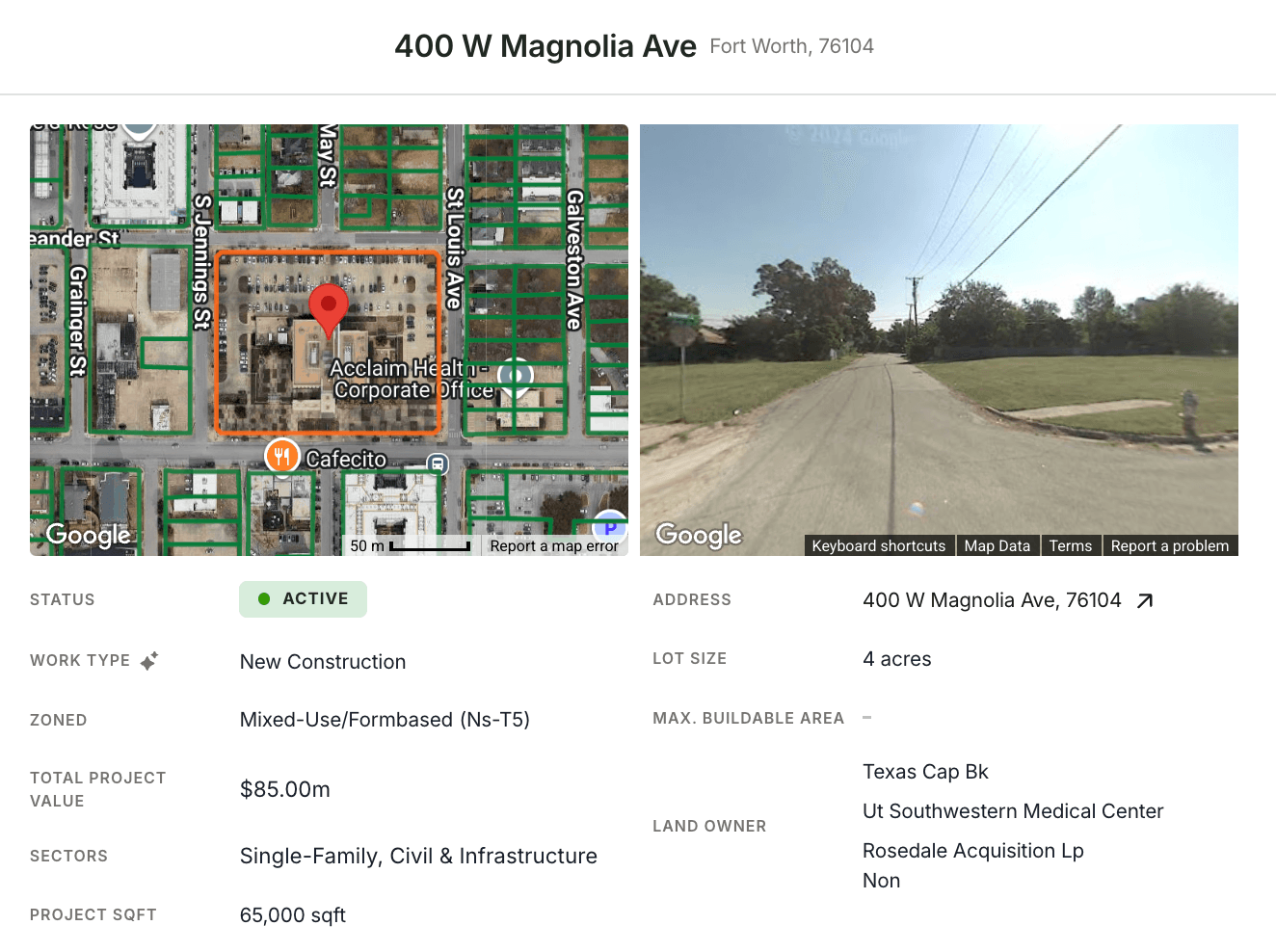
What if you could see projects taking shape months before they hit a plan room? That’s the advantage of using modern tools to track early project signals. Platforms that use AI can analyze public records for indicators like title transfers, rezoning applications, and early permit activity. These are the breadcrumbs that lead to future private construction projects. While research shows that few construction executives use quantitative analysis tools, this is exactly why it provides such a strong advantage. By monitoring these data points, you can identify private construction projects as they’re conceived, giving you a head start while your competitors are still waiting for the bid invitation.
Build Relationships Before the Bidding Starts
Finding a project early isn't just about having more time to prepare a bid; it's about having time to build relationships. When you identify a potential project months in advance, you can connect with developers, architects, and engineers before the bidding even starts. This gives you the chance to understand their goals and challenges on a deeper level. Many subcontractors and suppliers report that they struggle to connect with reputable general contractors. Getting in early changes that dynamic. You can position yourself as a valuable partner, offer insights, and get your services or products specified from the beginning. These relationships are your most valuable asset, often leading to negotiated contracts instead of competitive bids.
Related Articles
- How to Find & Win Construction Project Opportunities
- The 7 Best Commercial Construction Bidding Sites
Frequently Asked Questions
What's the real difference between a digital plan room and a physical one? Think of it as the difference between a library and an e-reader. A physical plan room requires you to be there in person, reviewing paper blueprints on a table. A digital plan room, on the other hand, is a cloud-based platform you can access from your office or job site. This shift to digital makes everything faster, allowing you to download plans, share them with your team instantly, and keep all your project documents organized in one online space.
Are plan rooms just for public works, or can I find private commercial jobs there too? You can absolutely find private commercial projects in plan rooms. While they are a primary source for government, school, and infrastructure jobs, private developers also use them to solicit bids for projects like retail centers, office buildings, and apartment complexes. The key thing to remember is that both public and private listings on these platforms are available to everyone, which means you’ll face a lot of competition for any job you find there.
I'm new to bidding through plan rooms. What's one mistake I should avoid? The most critical mistake is missing an addendum. An addendum is an official update or change to the project documents, and it can completely alter your bid. If you submit a proposal based on outdated information, it will likely be disqualified. Always double-check for addendums right before you submit, and make sure you are following the bid submittal instructions to the letter. A simple oversight can waste all the hard work you put into your estimate.
It feels like every bid I submit through a plan room is a race to the lowest price. Is that normal? Yes, that feeling is completely normal, and it's one of the biggest downsides of relying on plan rooms. Because every bidder has access to the exact same information at the same time, price often becomes the main deciding factor. This creates an intensely competitive environment where it’s difficult to stand out based on your company’s quality, expertise, or relationships. It can squeeze your profit margins and turn business development into a constant, high-pressure grind.
If plan rooms are so competitive, how can I get an edge? The best way to gain an edge is to find projects before they ever get listed in a plan room. By tracking early-stage indicators like property sales, rezoning applications, and initial permit filings, you can identify opportunities months in advance. This gives you invaluable time to connect with the project owners and designers, build relationships, and understand their needs. You can position yourself as a partner, not just another bidder, and potentially secure the work without a bidding war.
.png&w=3840&q=75)