
Case Studies


Hearing about a major development only after the key players are already in place is a common frustration for many contractors and suppliers. In a fast-moving market like Miami, waiting for an invitation means you’re too late. The real work happens behind the scenes, where relationships are built and specifications are written long before the first shovel hits the dirt. This guide is designed to change your approach from reactive to proactive. We’ll walk you through the strategies top firms use to get in on the ground floor, build trust with developers, and become the go-to partner for the most exciting private construction projects miami is known for.
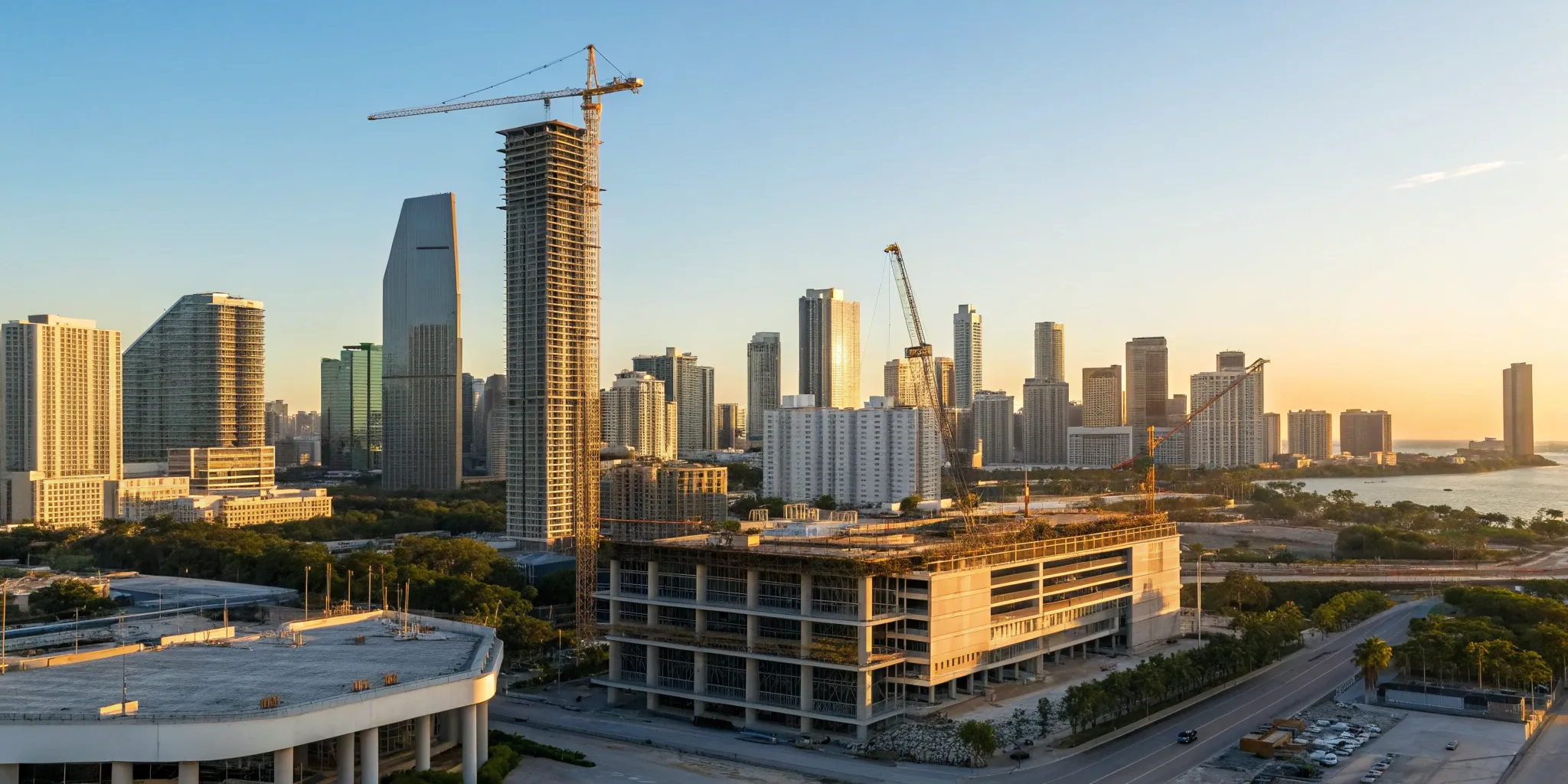
If you’re in construction, you’ve probably heard the buzz about Miami. The city isn't just growing; it's transforming. Cranes dot the skyline, and new projects are breaking ground constantly. This isn't a random surge—it's a boom fueled by a powerful combination of economic vitality, a massive influx of new residents, and an insatiable appetite for luxury living. For general contractors, subcontractors, and suppliers, understanding these driving forces is the first step to tapping into this thriving market. It’s about seeing beyond the headlines to find the real opportunities waiting in one of Florida's most dynamic sectors.
At its core, Miami's construction boom is powered by a robust and diverse economy. The city has become a magnet for both domestic and international investment, creating high demand for new real estate across residential, commercial, and hospitality sectors. This isn't just about building more of the same. The construction industry in Miami is increasingly focused on innovation, with a strong push toward sustainability and resilience. Green building practices, smart technologies, and climate-adaptive designs are becoming standard requirements, not just add-ons. This shift creates significant opportunities for firms that specialize in forward-thinking construction methods and materials, allowing them to stand out in a competitive market.
It’s no secret that people are flocking to South Florida. This steady migration has dramatically increased the demand for housing, from single-family homes to high-rise apartment buildings. As more people and businesses relocate, the need for supporting infrastructure—offices, retail spaces, and entertainment venues—grows right along with it. This has led to a wave of impressive new buildings that are actively reshaping the city’s skyline. For construction professionals, this sustained growth means a consistent pipeline of projects. The key is to identify these commercial construction trends early to build relationships with developers before the projects go to bid.
Miami has solidified its reputation as a global hub for luxury real estate. High-net-worth individuals from around the world are drawn to the city, seeking premium properties that offer more than just a place to live—they want an exclusive lifestyle. This has fueled a surge in high-end residential towers and lavish mixed-use developments, often designed by world-renowned architects. These projects demand the highest standards of quality, craftsmanship, and materials. For contractors and suppliers, this niche offers a chance to work on prestigious, high-margin projects. The market for Miami pre-construction condos remains incredibly active, signaling that the demand for luxury living isn't slowing down anytime soon.
Miami’s construction landscape is as dynamic as its culture, with new projects constantly reshaping the city’s skyline. From towering luxury residences to community-focused mixed-use spaces, the opportunities for general contractors, subcontractors, and suppliers are incredibly diverse. Understanding the major project types currently underway is the first step to finding where your business fits in. Let's look at some of the most significant development areas that are defining the future of Miami.
Miami’s reputation as a global hotspot for luxury living is fueling a massive construction wave. The market for new developments is booming, with projects that consistently push the boundaries of opulence. We’re seeing a surge in condos and private estates designed by world-renowned architects, attracting both domestic and international buyers. For construction firms, this trend signals a strong demand for high-spec finishes, custom builds, and cutting-edge smart home technology. These projects require precision and expertise, offering a prime opportunity for top-tier firms to showcase their best work.
Beyond luxury condos, Miami is also creating vibrant, walkable communities through innovative mixed-use projects. These developments blend residential, commercial, and recreational spaces to improve quality of life. A great example is the work being done by the North Miami Beach Community Redevelopment Agency (CRA). Their private real estate development initiatives, like the New North Town Center, are massive undertakings that include thousands of homes, offices, and retail space. These large-scale projects create long-term opportunities for a wide range of contractors and suppliers, from groundwork to interior finishing.
Driven by a steady influx of new businesses and residents, Miami's commercial sector is undergoing a major transformation. The demand isn't just for traditional office towers; it spans a variety of needs reflecting the city's diverse economy. We're seeing commercial construction trends that include everything from corporate headquarters to specialized facilities like affordable housing for seniors. This variety opens the door for firms with specific expertise, whether in healthcare, retail, or modern office environments. It’s a clear sign that the city is investing in the infrastructure needed to support its growth.
Before you bid on a project in a new city, you need a solid grasp of the local timelines and financial landscape. Miami’s construction market is one of the most active in the country, driven by a steady influx of residents and high demand for both luxury and commercial real estate. However, this fast-paced environment comes with its own set of expectations for project durations and costs. Understanding these factors is key to pricing your services correctly and managing client expectations from the start.
Miami’s construction industry is one of the most dynamic sectors in Florida, but it’s also known for its unique challenges. From navigating complex permitting processes to planning around hurricane season, project timelines can easily get derailed. Because of this, it’s critical to build contingency plans into every proposal. Successful GCs and subcontractors in this market are proactive, accounting for potential delays, budget overruns, or unexpected changes in project scope. Setting realistic timelines and communicating them clearly helps build trust with developers and protects your bottom line.
The investment scale for Miami projects is incredibly broad, reflecting the city’s diverse real estate needs. On the residential side, you’ll find a wide range of opportunities. For example, pre-construction condos can start around $370,000 for a single unit and climb as high as $30 million in luxury high-rises. On a larger scale, major mixed-use developments require massive capital. Projects like NMB Place, which includes 700 homes, can cost developers over $220 million to build. This variety means there are opportunities for firms of all sizes, whether you specialize in high-end custom work or large-scale commercial builds.
Getting involved in a project during its pre-construction phase is a strategic move for everyone involved. For developers and investors, buying in early often means securing a lower price point compared to a completed property. This potential for appreciation is what drives so much of the market’s speculative development. For contractors and suppliers, this early stage is your golden opportunity. By identifying projects before they break ground, you can build relationships with the development team, get your services or materials specified in the plans, and lock in work long before your competitors even know the project exists.
Miami's construction landscape isn't just about beautiful buildings; it's about smart business opportunities. For general contractors, subcontractors, and suppliers, the city's rapid growth translates into a steady stream of high-value projects with significant upside. Understanding the financial drivers behind this boom can help you position your company to win more profitable work. The combination of a dynamic market, forward-thinking development, and supportive local policies creates a powerful incentive to get involved in Miami's private construction sector. By seeing the market through a developer's eyes, you can better anticipate their needs and secure your role in their next big project.
The buzz around Miami is backed by real numbers. The city’s commercial real estate market is thriving, fueled by a steady influx of new residents and businesses that demand more space. This creates a fertile ground for development, where the potential for a high return on investment keeps new projects flowing. While investing in pre-development real estate always carries some risk, the rewards in a hot market like Miami can be substantial. For your business, this high-ROI environment means developers are well-funded and motivated to build, creating a consistent pipeline of opportunities. It signals a healthy market where quality work is in high demand and budgets can support premium services and materials.
So, what’s keeping property values on an upward trend? It’s a mix of luxury demand and a commitment to innovation. Miami has firmly established itself as a global hub for luxury real estate, with an ever-changing skyline filled with impressive new towers. This constant evolution drives market appreciation. At the same time, the construction industry in Miami is pushing boundaries with trends that focus on sustainability, technology, and resilience against weather events. Projects that incorporate these modern features are more attractive to buyers and tenants, which in turn increases their value. For contractors and suppliers, this means opportunities to work on cutting-edge projects that require specialized skills and advanced materials, allowing you to showcase your expertise.
It’s not just private capital fueling the boom; local government is also actively encouraging development. For example, Community Redevelopment Agencies (CRAs) often help fund projects in specific neighborhoods, which leads to higher property values and stimulates further growth. On a practical level, the city is also working to make the development process smoother. The Administrative Site Plan Review (ASPR) process allows projects that meet zoning rules to get a formal approval faster, providing developers with more certainty. These streamlined processes and financial incentives reduce risk for developers, making it easier for them to move projects from concept to reality—and to hire the teams needed to get the job done.
Miami's skyline is a testament to its ambition, but building in this vibrant market comes with a unique set of hurdles. While the opportunities are immense, success depends on understanding and preparing for the local challenges. From unpredictable weather to a complex regulatory landscape, being aware of the risks is the first step toward mitigating them. Knowing what to expect will help you plan more effectively, build stronger partnerships, and ultimately deliver a successful project.
It’s no secret that Miami is in the heart of hurricane alley. This geographical reality shapes every aspect of construction. Projects aren't just built; they're fortified. The constant threat of severe weather means building codes demand structures that can withstand high winds and torrential rain, influencing everything from design and materials to insurance costs. For general contractors and subcontractors, this means project timelines must have built-in flexibility for weather delays, especially during the storm season from June to November. Proactive site management and securing materials and equipment become daily priorities, as weather-related risks make the industry here particularly hazardous.
Miami-Dade County has some of the most rigorous building codes in the country, largely in response to the devastation of past hurricanes. While these regulations ensure safer, more resilient structures, they also create a complex and often lengthy permitting process. For anyone new to the market, this can be a major bottleneck. Success requires a deep understanding of local requirements and a proactive approach to compliance. This is where having early project information is a game-changer. By using a tool like the Mercator.ai Free Permits App, you can get a head start on understanding a project's scope and begin preparing for the necessary approvals long before ground is broken.
Like many booming markets, Miami is grappling with a shortage of skilled labor and volatile material prices. The high demand for construction services means fierce competition for experienced tradespeople, which can drive up labor costs and impact project schedules. At the same time, supply chain disruptions and inflation contribute to unpredictable material costs. For GCs and suppliers, building strong, reliable relationships is the best defense. Securing commitments from trusted subcontractors and negotiating with suppliers early can help lock in pricing and ensure your project is prioritized. Hearing how other firms manage these challenges can provide valuable insight, as seen in various customer stories.
Building in a low-lying coastal city presents long-term environmental challenges that go beyond seasonal storms. Flooding and rising sea levels are critical considerations for any Miami construction project. This isn't just a concern for waterfront properties; it affects site drainage, foundation design, and the long-term viability of a structure. Developers and contractors must incorporate resilient design strategies, such as elevating buildings, using flood-resistant materials, and implementing advanced water management systems. Careful site selection based on current and projected flood maps is essential to protect the investment and ensure the safety and longevity of the project. This forward-thinking approach is now a standard part of due diligence in the region.
Miami's construction scene is full of opportunity, but it also comes with a unique set of challenges. A successful project here depends on more than just a solid blueprint; it requires a proactive strategy to manage risks specific to the region. From unpredictable weather to a complex regulatory environment, getting ahead of potential problems is the key to keeping your project on time and on budget. By focusing on smart design, local expertise, solid contracts, and strategic site selection, you can build a strong foundation for success in this dynamic market.
Miami’s tropical climate isn’t just about sunny beaches—it brings intense heat, humidity, and the constant threat of hurricanes. Your project’s design needs to account for these factors from day one. This means specifying materials and building techniques that can stand up to the elements. Think about incorporating impact-resistant windows, reinforced concrete structures, and roofing systems designed for high-wind resistance. It’s also critical to plan for energy-efficient HVAC systems that can handle the year-round humidity. Building to a higher standard not only protects your investment but also aligns with the stringent Florida Building Code, which sets specific requirements for hurricane-prone areas.
Miami’s web of zoning laws, building codes, and permit requirements can be tricky. A misstep here can lead to significant delays and costly revisions. The best way to handle this is by building a team of local experts who know the system inside and out. Partnering with Miami-based architects, engineers, and land-use attorneys is a non-negotiable. These professionals have established relationships and a deep understanding of the local process, from initial zoning applications to final inspections. They can help you anticipate regulatory hurdles and ensure your project complies with all Miami-Dade County regulations, saving you headaches down the road.
Unexpected costs can derail even the most carefully planned project. To protect yourself from budget overruns and scope creep, consider using fixed-price contracts with your subcontractors and suppliers. This type of agreement establishes a set price for the work, shifting much of the financial risk away from you and your client. Of course, no project is without surprises. That’s why it’s also essential to build a healthy contingency fund—typically 5% to 10% of the total project cost—into your budget. This gives you a buffer to handle unforeseen issues without compromising the project’s financial health. These contract best practices are standard for a reason.
In Miami, not all land is created equal. Rising sea levels and the risk of flooding are major concerns that directly impact a project's long-term viability. Thorough due diligence during site selection is critical. Start by carefully reviewing FEMA flood maps to understand a property’s specific risk level. For projects in vulnerable areas, incorporating flood protection measures is essential. This could include elevating the building’s foundation, designing advanced drainage systems, and using water-resistant materials in lower levels. Prioritizing a resilient site and design from the outset protects the physical structure and ensures its value for years to come.
Jumping into the Miami market is exciting, but a successful project starts long before you break ground. Performing thorough due diligence is the most critical step you can take to protect your business and ensure you’re aligning with a project poised for success. Think of it as your pre-flight check; it helps you spot potential turbulence and confirm you’re partnering with the right team on a solid venture. Investing in pre-development real estate can be incredibly rewarding, but it requires a clear-eyed approach.
Before you commit resources, time, or your company’s reputation to a new opportunity, you need to dig deep into the project’s fundamentals. This means looking beyond the glossy renderings and ambitious timelines. Your checklist should cover four key areas: the developer’s history, the project’s financial stability, the current market appetite, and the maze of local regulations. Getting clear answers in these areas will give you the confidence to move forward or the wisdom to walk away. Let’s break down what you need to look for.
The developer is the captain of the ship, and you need to know if they’ve successfully sailed through these waters before. Start by reviewing their portfolio. Have they completed projects of a similar scale and complexity in South Florida? Look for a consistent history of finishing on time and within budget. Don’t be afraid to do some digging—search public records for any past litigation, liens, or bankruptcies tied to the developer or their other entities. A developer with a clean, proven history of delivering quality projects is the kind of partner you want.
A project’s financial backing is its lifeblood. You need to confirm that the funding is secure and sufficient to carry it through to completion. Ask questions about the project’s financing structure. Is it backed by a reputable lender? What percentage of the project is pre-sold? Strong pre-sales are a great indicator of both market demand and financial stability. Understanding the benefits and risks of pre-construction investments will help you ask the right questions and gauge whether the project rests on a firm financial foundation.
A beautiful building is worthless if no one wants to live or work in it. Your due diligence must include a hard look at the current market demand for the specific type of project you’re considering. Is there a genuine need for more luxury condos, office spaces, or retail in that particular neighborhood? Research local vacancy rates, absorption rates, and recent comparable sales. Pay attention to the larger trends in Miami's construction industry, such as demand for sustainable design and tech-integrated buildings, to see if the project aligns with what modern buyers and tenants are looking for.
Miami has a notoriously complex regulatory environment. A developer’s failure to properly handle permits and zoning can lead to costly delays or even halt a project entirely. Verify that the project has the necessary approvals or a clear and realistic path to obtaining them. This involves understanding local land use and zoning laws and ensuring the project complies with Miami’s stringent building codes, especially those related to hurricane resistance and flood mitigation. Confirming this upfront protects you from getting tied to a project bogged down in red tape.
Before the first shovel hits the ground, a developer’s most important job is to sell the vision. Securing funding and building momentum for a new project requires a smart and multi-faceted marketing strategy. For contractors and suppliers, understanding how developers attract investors is key to seeing where you fit into their world and how to build relationships early. Developers aren't just selling a building; they're selling an opportunity, and they use a mix of modern digital tactics and old-school networking to get the right people on board.
From creating a buzz on social media to hosting exclusive investor dinners, their approach is all about building credibility and excitement. They need to prove their project is not only viable but also the best place for an investor's capital. Let's walk through the primary ways developers market their projects and bring investors to the table.
In today's market, a developer's digital footprint is critical. They use social media platforms, especially LinkedIn, to share project milestones, publish thought leadership articles, and connect with a network of potential investors and partners. Some even create dedicated social media groups to build a community around a specific development.
Another powerful tool is content creation. A developer might start a podcast or a video series to showcase their expertise on the Miami market, discussing trends and opportunities. This isn't just about direct promotion; it's about establishing themselves as a trusted authority. By consistently providing value, they build an audience that sees them as the go-to experts, making it much easier to attract capital when they announce a new project. These digital marketing strategies help them reach a wide audience and build credibility at scale.
A developer’s brand is their reputation, and a strong online presence is how they communicate it. It all starts with a well-designed, professional website that acts as a digital portfolio. This site showcases past successes with high-quality photos and detailed case studies, outlines their company's mission, and introduces their leadership team. It’s often the first stop for a potential investor conducting due diligence.
Beyond the website, their brand needs to be consistent across all channels. This means having active, professional social media profiles that reflect the company’s values and the quality of their work. A cohesive and compelling brand identity helps developers stand out in a crowded market, making investors feel more confident about partnering with them. It signals that they are organized, professional, and serious about their projects.
While digital marketing casts a wide net, nothing replaces the power of a personal connection. Developers rely heavily on networking and in-person events to build the trust needed to close deals. This can range from intimate dinners with a handful of high-net-worth individuals to larger presentations where they unveil the full scope of a new project.
These events allow developers to present their vision directly, answer questions in real-time, and foster genuine relationships. They might host exclusive tours of a project site or a completed property to give investors a tangible sense of the quality and potential. For developers, expanding their network through these high-touch interactions is often the most effective way to secure commitments from serious investors who value personal connection and transparency.
Email remains a cornerstone of investor communication. Developers don't just send generic blasts; they build and nurture curated email lists, segmenting their audience to send highly relevant information. For example, an institutional investor might receive a detailed financial pro forma, while a local investor might get an update on zoning approvals and community impact.
These targeted campaigns keep the project top-of-mind and demonstrate a developer's professionalism. Regular, personalized updates on project progress, market insights, and exclusive invitations build a steady drumbeat of communication that nurtures leads over time. An effective email marketing strategy allows developers to maintain relationships with a large pool of potential investors efficiently, ensuring that when it's time to raise capital, they have a warm and engaged audience ready to listen.
Getting ahead in Miami’s competitive construction market means spotting opportunities before they become common knowledge. The most successful contractors and suppliers aren’t just waiting for bid invitations; they’re actively tracking projects from the earliest stages. This upstream visibility allows you to build relationships with developers and owners long before ground is broken. By using a mix of modern technology and traditional networking, you can build a robust pipeline of private projects. The key is to know where to look and how to interpret the signals that point to the next big development.
The earliest signs of a new project—like a title transfer or rezoning application—are often buried in public records. AI-powered platforms are designed to find these needles in the haystack. They analyze vast datasets to flag properties with high development potential, giving you a heads-up months before a project is publicly announced. This early intelligence allows you to connect with the right people at the right time. With this advantage, you can use targeted messaging to position your services effectively. Tools like Mercator.ai go a step further by mapping out existing professional networks, helping you find a warm introduction to key decision-makers on these nascent projects.
Public permit data is a treasure trove of information for upcoming construction work. While sifting through municipal databases can be time-consuming, it provides concrete evidence of a project moving forward. Understanding local regulations, like the Miami 21 Code, is crucial for interpreting these permits and identifying viable opportunities. Many firms use dedicated tools to streamline this process. For instance, you can use a free permits app to get real-time alerts on new filings in your area, saving you the manual effort of checking city portals every day and ensuring you never miss a lead.
Technology is powerful, but construction is still a relationship-driven industry. A robust real estate marketing plan should always include networking. Actively participating in local real estate and investor networks puts you in the room with the people funding and planning Miami’s next wave of development. Attend industry events, connect with commercial real estate agents, and build a reputation as a reliable partner. These connections not only provide direct leads but also offer invaluable market insights. Listening to industry discussions on resources like the Future of Construction Podcast can also help you stay informed on market trends and identify key players in the Miami area.
Breaking into a new market like Miami is exciting, but it requires a solid game plan. Once you’ve identified the opportunities, it’s time to lay the groundwork for your business. This means understanding the financial landscape, building local relationships, and positioning your company for success. Think of it as the pre-construction phase for your own business expansion. Getting these foundational pieces right will make all the difference as you start bidding on and winning projects in one of the country’s most dynamic construction markets. By preparing properly, you can move with confidence and start building your reputation in South Florida.
Entering the Miami market is a significant business investment. While the potential rewards are high, it's not all sunshine and ocean water. Proper financial planning is essential to ensure you’re prepared for the full scope of operating in a new city. Before you commit crews and resources, take the time to understand local labor costs, material sourcing, and the financial health of potential partners. This early due diligence helps you avoid common pitfalls and ensures you can deliver on your promises. Successful firms often start by identifying a few key projects and building relationships, proving their value before scaling up. You can see how other companies have successfully expanded by checking out their customer stories and learning from their experience.
Understanding how projects are funded is key to assessing their viability and risk. Developers in Miami use a variety of financing methods to get their projects off the ground. Many rely on traditional construction loans from local and national banks that specialize in commercial real estate. Beyond standard financing, some projects leverage alternative funding sources. For example, the EB-5 Immigrant Investor Program is a popular vehicle for funding large-scale developments, with firms like EB5AN offering investment opportunities that fuel new construction. As a contractor or supplier, knowing your client has secured solid financing gives you the confidence to move forward.
You can’t succeed in a new market alone. Building a network of trusted local professionals is one of the most important first steps. This team extends beyond your own crew to include architects, engineers, and real estate agents who have deep roots in the Miami area. An experienced local partner can guide you through identifying the best projects and help you connect with reputable developers. At the same time, you need to get your own company’s name out there. A strong construction marketing strategy is crucial for building a local presence, promoting your business, and making sure the right people know you’ve arrived in town.
Is Miami's construction boom just about luxury condos, or are there other opportunities? While high-end residential towers get a lot of attention, they're only part of the story. Miami's growth is creating a huge demand for a wide range of projects. We're seeing a surge in innovative mixed-use developments that combine living, working, and retail spaces, as well as new commercial buildings like corporate offices and specialized facilities. This diversity means there are solid opportunities for firms with different specializations, not just those focused on the luxury market.
Besides hurricanes, what's the biggest challenge for a construction firm new to Miami? The regulatory environment is a significant hurdle. Miami-Dade County has some of the strictest building codes in the nation, designed to ensure structures are resilient. For a company new to the area, the permitting process can be complex and slow things down if you're not prepared. The key is to partner with local experts—like architects and engineers who know the system—to help you anticipate requirements and avoid costly delays.
How can I find out about Miami projects before they're publicly announced? The best way is to track the earliest signals of development, which often appear in public records long before a project is common knowledge. This means keeping an eye on things like title transfers, rezoning applications, and early permit filings. Using a platform that leverages AI to scan these records for you can provide a major advantage, flagging potential projects months ahead of your competitors and giving you time to build relationships with the key players.
What's the most important first step for a company looking to enter the Miami market? Before you even think about bidding on a project, focus on building your local network. You can't succeed in Miami from a distance. Start by connecting with local architects, engineers, and real estate professionals who understand the market's nuances. These relationships are invaluable for getting introductions to reputable developers and gaining insight into the projects that are truly viable. A strong local team is your best asset.
With all the competition, is it still a good time to get into the Miami market? Absolutely, but you have to be strategic. The market is competitive, but it's also growing consistently, fueled by a strong economy and population influx. This creates a steady pipeline of work. The key is to find your niche and demonstrate your value early in the project lifecycle. By identifying opportunities before they hit the open market, you can build relationships and secure your role without getting into a bidding war.


.png)