
Case Studies


By the time a major project hits the public bid sites, the most critical decisions have often already been made. The firms that consistently win high-profile work are the ones who get in the door months, or even years, earlier. With Indianapolis rolling out billions in new developments, from the Ritz-Carlton to the City Market East redevelopment, the opportunity is massive, but so is the challenge of getting noticed. This article is your playbook for getting ahead of the competition. We will show you how to identify and qualify the most promising upcoming commercial construction projects indianapolis has in the pipeline before they become common knowledge.
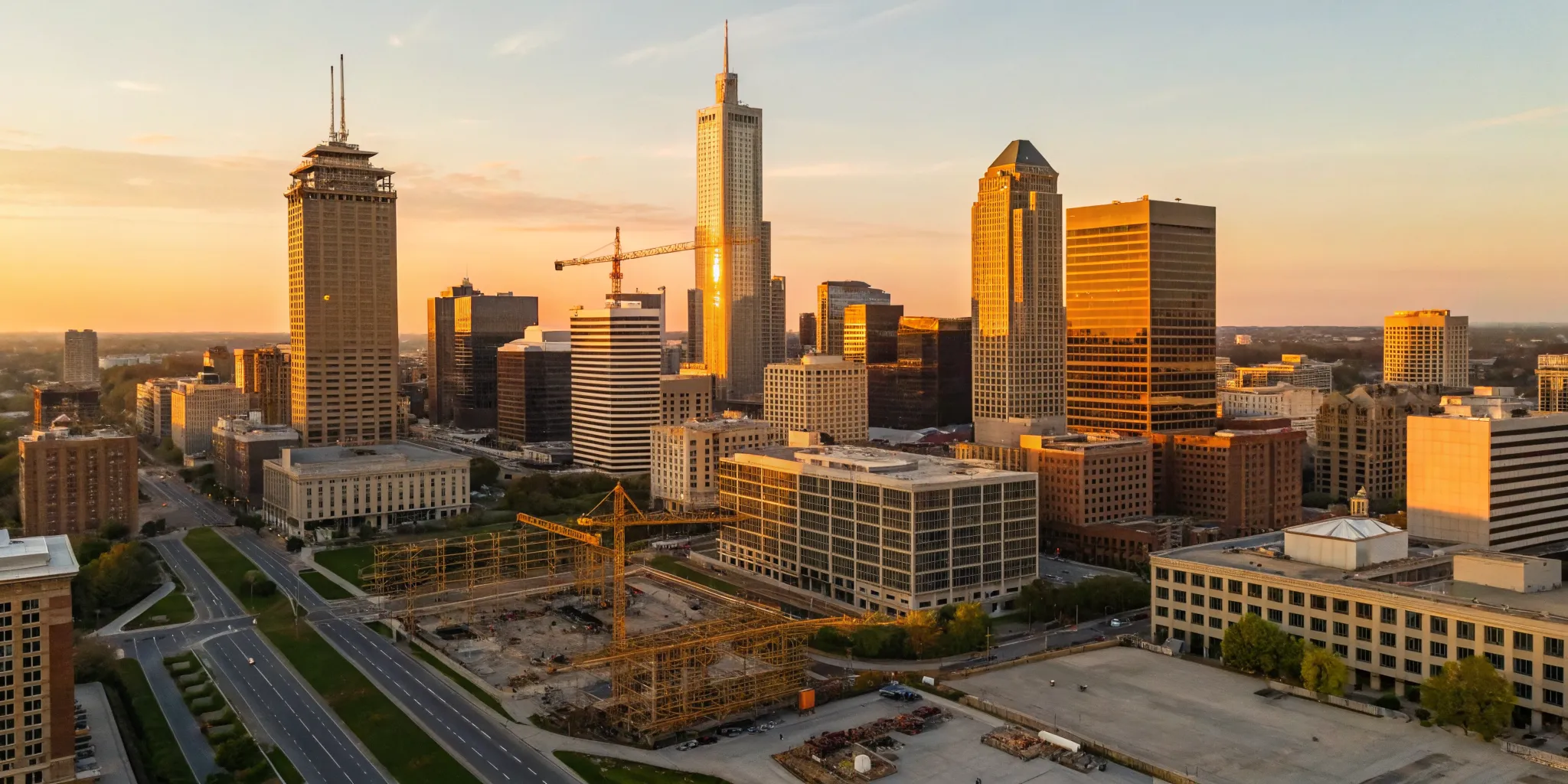
Indianapolis is in the middle of a massive transformation, backed by a staggering $3 billion investment in new construction. This isn't just a handful of scattered projects; it's a coordinated effort to redefine the city's skyline and solidify its reputation as a top-tier destination for tourism and major events. From a major expansion of the convention center to a series of high-profile hotels and entertainment venues, the city is buzzing with activity. For general contractors, subcontractors, and suppliers, this boom represents a ground-floor opportunity to get involved in projects that will shape the future of Indianapolis for decades to come.
But what’s really driving this surge in development? It’s a strategic push to attract more visitors, conventions, and events, which in turn creates a ripple effect of economic growth. The city is making a clear statement that it's ready for the national stage. Understanding the forces behind this boom and what it means for the local market is the first step to positioning your business to win work. This level of investment creates a competitive landscape, but it also opens the door for firms that can get ahead of the curve. We’ll break down the key drivers of this growth and explore the specific opportunities that are emerging as a result.
At the heart of this boom is a strategic, city-wide investment in tourism. Indianapolis is pouring billions into new developments designed to attract visitors and large-scale events. This includes a significant expansion of the Indiana Convention Center, a reimagined riverfront, and a wave of new hotels. To complement these core projects, the city is also adding exciting entertainment options, like Blake Shelton's Ole Red music venue and the state-of-the-art Indiana Fever Sports Performance Center. This focused effort has already earned national recognition, with Indianapolis being named the '#1 Convention City in the U.S.' by USA Today, signaling that its commitment to growth is paying off.
This construction boom is more than just a series of building projects; it’s a long-term strategy to increase foot traffic and business for the entire city. For your company, this translates into a wave of opportunities that extend far beyond the initial construction phase. The influx of new hotels and entertainment venues will create a sustained need for services, maintenance, and future renovations. Getting involved now means building relationships and establishing your firm as a key player in the city’s growth. Having access to timely information on upcoming commercial construction projects is the best way to get ahead of the competition and position your team to bid on these landmark developments.
Indianapolis is making a major play to become a top destination for conventions and tourism, and a huge piece of that strategy involves significant investments in its hotel and event spaces. The city is backing this vision with a staggering $3 billion for tourism-related projects, creating a wave of high-value opportunities for general contractors, subcontractors, and suppliers. These aren't just standard builds; they are landmark projects that will reshape the city's skyline and its capacity to host major events. For construction firms, this boom represents a chance to get in on high-profile, transformative work. Let's look at some of the key hospitality projects taking shape and what they mean for your business.
The Signia by Hilton and convention center expansion is the heavyweight in this lineup. With a price tag of $710 million, this development is a cornerstone of the city's hospitality strategy. The project will add a massive 143,500 square feet of new space to the convention center, including a 50,000-square-foot ballroom designed to attract major national events. An 800-room Signia by Hilton hotel will be constructed alongside it. This dual-focus project creates a wide range of needs, from structural work and large-scale MEP systems to high-end interior finishes. Tackling a job of this scale requires precision and experience, as you can see in our customer stories from firms that have successfully managed large-scale builds.
Adding to the city's luxury offerings, the new Ritz-Carlton Hotel is slated to open in 2028. This project focuses on the high-end market, featuring 176 guest rooms and 11,500 square feet of premium meeting space. For a brand like Ritz-Carlton, the emphasis is always on quality, bespoke finishes, and an impeccable guest experience. This creates prime opportunities for subcontractors and suppliers who specialize in luxury materials, custom millwork, and sophisticated interior construction. Getting your products and services specified early on a project like this is key. Understanding the project's timeline and key players long before the bidding process begins gives you a significant advantage in building those critical relationships.
Convenience is the driving force behind the new Westin Hotel, which will be directly connected to the Indianapolis International Airport. Set to open in 2027, this 253-room hotel is designed for business travelers and tourists looking for seamless travel. Working on a project connected to a major transportation hub comes with its own set of logistical challenges and security requirements. Firms with experience in airport or critical infrastructure projects will find this an attractive opportunity. Early awareness is crucial for handling the complexities of such a build. You can monitor development activity in key areas like this by using tools that track land development and permit data, helping you spot opportunities as they emerge.
Rounding out the list of major hotel developments is the Kimpton Hotel, a 167-room luxury boutique hotel expected to open in late 2026. Kimpton is known for its unique, design-forward properties, and this project will be no exception. In addition to its stylish rooms, the hotel will feature a 4,500-square-foot ballroom, adding another versatile event space to the city’s inventory. This project will demand a high level of craftsmanship and creativity from its construction partners. It’s an ideal fit for firms that excel in delivering unique architectural features and intricate interior designs. Staying on top of trends in hospitality construction, like those discussed on the Future of Construction podcast, can help you position your company to win work on distinctive projects like this one.
While new hotels are making headlines, they are just one piece of Indianapolis's larger growth story. Several significant mixed-use and civic projects are also underway, creating diverse opportunities for general contractors, subcontractors, and suppliers. These developments focus on creating community hubs, improving infrastructure, and revitalizing historic areas. Unlike single-purpose hotel builds, these projects often involve complex phasing, a wider range of specialized trades, and longer timelines, which can mean more stable, predictable work.
For firms looking to win work, these projects offer a chance to get involved in long-term, high-impact construction that will reshape how residents and visitors experience the city. Getting in on the ground floor of a multi-year development means you can become an indispensable partner rather than just another bidder. The key is to identify these opportunities months or even years before the general public hears about them. Tracking developments from the earliest stages, like when land is rezoned or initial permits are filed, is the best way to position your business for success.
The former mall site is getting a complete overhaul with the Traction Yards project, a massive $600 million investment to create a new open-air neighborhood. This development is designed to be a vibrant destination, blending retail, dining, and entertainment spaces. With the first phase expected to open in 2029, this is a long-range project that will require a wide variety of trades over several years. For contractors and suppliers, this isn't just another build; it's an opportunity to help create a landmark community space from the ground up. Getting visibility into projects like this early on allows you to build the right relationships long before the bidding process officially begins.
Next on the list is the City Market East Redevelopment, a $175 million project focused on updating the historic City Market. The goal is to modernize the facility and enhance its appeal while carefully preserving its unique heritage. Set to open in 2028, this project will require a thoughtful approach that balances new construction with historic restoration. This creates specific opportunities for firms with experience in adaptive reuse or working on landmark properties. To find your fit, it’s smart to monitor the project's progress by tracking rezoning and permit activity, which can signal when different phases of work are about to begin.
Indianapolis is also making a major investment in its public transportation with the IndyGo Blue Line. This $370 million bus rapid transit project will create a vital connection between the airport and the heart of downtown. Scheduled to open in 2028, the Blue Line is a critical piece of infrastructure that will involve extensive civil engineering, station construction, and complex systems integration. For subcontractors and suppliers specializing in concrete, electrical, or transportation-related work, this project is one to watch. These large-scale civic developments often have numerous contracts, providing chances for businesses of all sizes to contribute to the city’s growth.
Indianapolis's construction boom is about more than just new buildings; it’s a complete reimagining of the city's core. These projects are designed to create a more connected, vibrant, and attractive destination for residents, tourists, and major events. For general contractors, subcontractors, and suppliers, understanding these new amenities is key to seeing where the real, long-term opportunities are. From state-of-the-art event spaces to pedestrian-friendly streets, every new feature is a piece of the puzzle in Indy’s growth.
Indianapolis is making a major play to solidify its status as a top-tier convention city. The city is pouring hundreds of millions into expanding its event capacity, headlined by the massive $710 million Signia by Hilton hotel and convention center expansion. This project is a cornerstone of a wider $3 billion investment in tourism-related infrastructure. For construction firms, this signals a demand for high-end finishes, advanced technological integrations, and the expertise needed to build large-scale hospitality venues. These new developments are designed to attract larger, more prestigious events, creating a ripple effect of opportunity across the local economy.
Getting into and around the city is about to become much simpler. A key project is the $370 million IndyGo Blue Line, a bus rapid transit (BRT) line set to connect the Indianapolis International Airport directly to the downtown core by 2028. This isn't just a new bus route; it's a critical piece of infrastructure that enhances accessibility for visitors and residents alike. The project will make it easier for convention attendees to reach their hotels and for locals to access jobs and entertainment. This type of large-scale civil project requires expertise in everything from roadwork and utility relocation to station construction and systems integration.
A city’s culture is often defined by its entertainment and dining scenes, and Indianapolis is adding some exciting new flavors. Upcoming venues like Blake Shelton’s Ole Red promise to bring new energy to the city’s nightlife. At the same time, specialized facilities like the Indiana Fever Sports Performance Center highlight a commitment to community and athletics. These projects offer a diverse range of opportunities for construction businesses, from commercial kitchen and restaurant fit-outs to the highly specific requirements of a professional athletic training facility. Each new venue helps create a more dynamic and appealing downtown experience for everyone.
Indianapolis is also investing in the spaces between the buildings. Major initiatives are underway to redesign public areas like Georgia Street and the historic City Market to be more pedestrian-friendly and inviting. The goal is to create vibrant, walkable corridors that encourage foot traffic and serve as gathering places for community events. These urban renewal projects involve landscape architecture, modern lighting, hardscaping, and thoughtful public space design. For contractors, this points to a growing demand for work that improves the human-scale experience of the city, making it a more pleasant place to live, work, and visit.
Planning is everything in construction, and knowing the target completion dates for these major Indianapolis projects is the first step to getting your foot in the door. These are not overnight builds; they are multi-year developments that offer a long runway for relationship-building and strategic positioning. Keeping these dates on your radar will help you time your outreach perfectly.
Here’s a quick look at the expected timelines for the key projects transforming the city. The Signia by Hilton hotel and the accompanying convention center expansion are on the fastest track, with a target completion date in 2025. Looking further ahead, the Westin Hotel at the airport is scheduled to open its doors in 2027.
The year 2028 is shaping up to be a big one for Indianapolis, with several major projects slated for completion. This includes the new Ritz-Carlton Hotel, the massive City Market East redevelopment, and the launch of the IndyGo Blue Line bus rapid transit. The first phase of the ambitious Traction Yards project, which will create a new open-air neighborhood, is expected to open in 2029. You can track the official updates on these developments to stay informed of any changes. Getting familiar with these timelines now gives you a significant head start in identifying where your services will be needed most.
These massive projects are more than just concrete and steel; they are powerful engines for Indianapolis's economy. A construction boom of this scale creates a ripple effect that extends far beyond the job site, touching nearly every sector of the city. For general contractors, subcontractors, and suppliers, understanding this broader economic context is key to identifying where the most significant opportunities lie. The influx of investment will reshape the city's workforce, tourism industry, and the entire ecosystem of local businesses.
A multi-billion dollar construction pipeline directly translates to a surge in demand for labor. These projects will require thousands of skilled workers, from project managers and engineers to electricians and plumbers. While this creates incredible job opportunities, it also intensifies an existing challenge. The construction industry has been grappling with significant labor shortages, which can impact timelines and budgets. Companies that can effectively recruit, train, and retain top talent will have a distinct advantage in securing work and successfully delivering on these high-profile projects.
Indianapolis is making a calculated investment to become a top-tier destination for major events. The expansion of the Indiana Convention Center and the addition of several large hotels are specifically designed to attract larger conventions that the city previously couldn't accommodate. These new developments are expected to bring a significant increase in visitors. More tourists and convention-goers mean more spending at local restaurants, shops, and attractions, injecting millions of dollars into the local economy and creating a vibrant atmosphere that benefits everyone.
Every major construction project sets off a chain reaction of economic activity that benefits local companies. General contractors will be looking for reliable subcontractors and suppliers for everything from concrete and steel to electrical systems and interior finishes. The impact on the local economy doesn't stop once construction is complete. New hotels, restaurants, and retail spaces will need a steady supply of goods and services to operate, creating long-term opportunities for businesses in hospitality, maintenance, and logistics. This is a chance for local suppliers to get their products and services specified early.
While Indianapolis's construction boom presents incredible opportunities, it’s smart to go in with a clear picture of the potential roadblocks. Large-scale commercial projects are complex, and even the best-laid plans can face hurdles. Staying aware of these common challenges is the first step to creating effective contingency plans that keep your projects on track and on budget. For general contractors and suppliers, foresight is your most valuable tool for getting from groundbreaking to ribbon-cutting.
It’s no secret that the construction industry has been grappling with a skilled labor shortage for years. With so many major projects kicking off simultaneously in Indianapolis, the competition for experienced tradespeople will be intense. The most sought-after electricians, plumbers, masons, and project managers will have their pick of jobs. This high demand can lead to increased labor costs and potential delays if you can’t staff your site adequately. Getting involved in projects early gives you a critical head start on securing the talent you need to deliver quality work on schedule.
The last few years have shown us just how volatile supply chains can be. From steel and lumber to specialized finishing materials, availability and pricing can change in an instant. These fluctuations make it difficult to create accurate bids and stick to a budget. Industry reports confirm that these issues directly impact a firm's ability to accept new projects and complete existing ones on time. For the upcoming Indianapolis projects, early and accurate material procurement will be essential. The more lead time you have, the better your chances of locking in prices and ensuring materials arrive when you need them.
Navigating the maze of municipal codes and regulations is a frequent source of delays for commercial construction. Large projects often require a host of approvals, from zoning and land use to environmental and foundation permits. Each step can become a bottleneck if not managed proactively. For a project like the IndyGo Blue Line, which spans a large public area, the regulatory hurdles are even more complex. Staying on top of all the moving parts is crucial. Keeping a close eye on permit activity can give you a clearer picture of a project’s actual timeline and help you anticipate when your services will be needed, long before the official bid documents are released.
You can do all the planning in the world, but you never truly know what’s underground until you start digging. Unexpected site conditions are a classic cause of delays and cost overruns. You might encounter poor soil quality that requires extra foundation work, discover uncharted utility lines, or need to perform unforeseen environmental remediation. While you can’t eliminate these risks entirely, you can prepare for them. Building a healthy contingency into your budget is a must. Getting involved in a project early also provides more time for thorough site investigation and due diligence, reducing the likelihood of a costly surprise down the road.
Landing a contract on a high-profile project like the Signia by Hilton or the City Market East redevelopment requires more than just a competitive bid. By the time a project is publicly listed for tender, the most influential decisions have often already been made, and key players are already in place. The firms that consistently win this kind of work are the ones that get involved long before the first bid document is released. They don’t just respond to opportunities; they create them by positioning themselves as essential partners early in the process.
This proactive approach is built on three key strategies: getting involved early, building the right relationships, and using project intelligence to focus your efforts. It’s about shifting your business development from a reactive bidding cycle to a strategic, forward-looking pursuit. Instead of just being another number on a bid list, you become a trusted advisor the project team can’t imagine working without. This is how leading firms gain a true competitive advantage, and it’s a strategy you can implement to secure your place on Indy’s next big projects. You can see how this approach has helped other firms win more work and grow their business.
The earliest phase of a project is when you have the most influence. Getting involved when a project is still just an idea, a land sale, or a rezoning application allows you to help shape its direction. You can introduce your unique capabilities, get your products specified, and demonstrate your value before the competition even knows the project exists. Tracking early signals, like the permits being filed for a new development, gives you a head start. You can use a free permits app to monitor this activity in your area. This upstream visibility gives you time to understand the project’s specific needs and prepare a proposal that speaks directly to the owner’s and architect’s vision, making your bid stand out for its insight, not just its price.
Construction has always been a relationship-driven industry, and that’s especially true for large-scale commercial projects. Knowing the developers, architects, and general contractors behind these Indianapolis developments is critical. Your goal should be to move beyond a simple transaction and become a reliable resource they turn to for advice. When a project manager is assembling their team, they are more likely to call someone they know and trust. By identifying the key players early and building genuine connections, you ensure you’re on their shortlist from day one. Listening to conversations with industry leaders on podcasts like the Future of Construction can provide valuable insights into what decision-makers are looking for in their partners.
You can’t pursue every project, so it’s important to focus your energy where it counts. Using a project intelligence platform helps you cut through the noise and identify the opportunities that are the best fit for your company. Instead of manually scouring public databases, you can use targeted data to find projects that match your specific trade, location, and ideal project size. More importantly, the right intelligence goes beyond just project details. It helps you qualify the opportunity by providing context on the project team’s history and network. This allows you to strategically pursue projects where you have the highest chance of success, ensuring your business development efforts are both efficient and effective. A dedicated construction intelligence platform can deliver these insights directly to you.
Knowing about a project is the first step to winning it. But with so much happening across Indianapolis, how do you keep track of real opportunities and separate them from the noise? Staying informed requires a smart approach to gathering project data. The right information helps you identify promising projects early, connect with key decision-makers, and position your business for success long before the bidding process even starts. Let's look at a couple of key places where you can find this valuable data.
Your first stop for project information is often public records. As Indianapolis invests heavily in its future, many details about these plans are openly available. The city is making significant changes to its hotels, convention center, and public transit to attract more visitors and events. You can track this progress by digging into city databases for things like zoning applications, permit filings, and public meeting minutes. While this information is free, it can be scattered across different departments and websites, making it a time-consuming process to piece together a complete picture of an upcoming project.
For a more streamlined approach, construction intelligence platforms are a game-changer. Services like ConstructConnect are designed to help contractors find and bid on commercial construction projects by centralizing project details, plans, and bidder lists in one place. These platforms allow you to filter opportunities by project type and location, so you can focus on the work that best fits your business. The most advanced tools, however, go a step further. They use AI to analyze early signals like land sales and rezoning applications, giving you a heads-up on private projects months before they become public knowledge and helping you build relationships with the project team from the very beginning.
Are these opportunities only for large general contractors, or can smaller subcontractors and suppliers get involved? Not at all. While the headline projects are massive, they are made up of thousands of smaller jobs. A major hotel build, for example, requires specialized subcontractors for everything from electrical and plumbing to custom millwork and interior finishes. These large-scale civic and mixed-use developments also have long timelines with multiple phases, creating a steady stream of opportunities for firms of all sizes to contribute their specific expertise. The key is to identify the part of the project that fits your specialty and connect with the decision-makers early.
With so many projects happening at once, how can I focus my efforts on the right ones? The best approach is to be selective and strategic. Instead of chasing every opportunity, start by defining what an ideal project looks like for your business. Consider factors like project size, scope of work, and the specific materials or skills required. Then, use project intelligence to filter through the noise and find the developments that align with your criteria. This allows you to invest your time and resources in pursuing work where you have the highest probability of success, rather than spreading yourself too thin.
You mention getting involved "early." What are the first practical steps I should take to do that? Getting involved early means you start building relationships long before a project goes out to bid. A great first step is to identify the developers, architects, and engineers behind the projects you're interested in. Research their past work and find a genuine reason to connect. This could be through a mutual connection, an industry event, or by offering a helpful insight related to their upcoming project. The goal is to become a trusted resource they think of when they need your specific service, not just another name on a bid list.
Besides competition, what is the biggest hurdle I should prepare for with these Indianapolis projects? One of the most significant challenges will be the tight labor market. With so much construction happening simultaneously, finding and retaining skilled workers will be a major focus for every company. This high demand for talent can affect project timelines and labor costs. Firms that have a strong plan for recruiting and managing their workforce will have a clear advantage. Planning for this well in advance can help you avoid staffing bottlenecks once a project is underway.
How can I realistically keep track of all these projects and their timelines? Trying to manually track every permit, rezoning application, and public meeting for dozens of projects is nearly impossible. This is where using a dedicated construction intelligence platform becomes essential. These tools do the heavy lifting for you by consolidating information and sending you alerts about the projects that matter to your business. This frees you up to focus on building relationships and preparing your proposals instead of spending hours searching through scattered public records for updates.


.png)