
Case Studies


The boom in e-commerce has completely transformed the demand for industrial space, turning simple storage facilities into high-tech fulfillment centers. Today, clients need more than just a big box; they need smart, automated hubs designed for speed and efficiency. This shift has a massive impact on warehouse construction projects, from requiring perfectly level floors for robotics to installing complex electrical systems for automation. For contractors and suppliers, staying ahead of these trends is essential to winning bids and delivering facilities that meet modern demands. This article covers the key methods, materials, and trends shaping the industry, helping you build the resilient, future-ready warehouses your clients need.
A warehouse construction project is much more than just putting up four walls and a roof. It’s about creating a strategic hub that directly impacts how a business manages and moves its products. Think of it as the backbone of a company's supply chain. Every decision, from the initial site selection to the final layout, plays a huge role in the project's long-term success and the client's operational efficiency. For general contractors and suppliers, understanding a client's specific needs is the first step to a successful build, ensuring the final structure supports their entire operation.
These projects are complex undertakings that involve careful coordination between architects, engineers, contractors, and the end-user. The goal is to build a facility that not only meets current storage and distribution demands but can also adapt to future growth. Whether it’s a small distribution center for a local business or a massive automated facility for an e-commerce giant, each project presents unique challenges and opportunities. Spotting these warehouse projects early allows you to get involved in the planning stages, build stronger relationships with developers, and position your team as the ideal partner long before the competition even knows the project exists. This upstream visibility is key to winning more work and getting your services specified from the start.
Warehouses aren't one-size-fits-all. The type of facility you build depends entirely on the client's business model and the products they handle. Public warehouses, for instance, are often used by newer businesses that need affordable, flexible storage space. Private warehouses give established companies more control and are a better fit for long-term needs. Then you have specialized facilities like smart warehouses, which use automation and robotics to manage inventory with incredible precision. And for goods that need specific temperature controls, like food or pharmaceuticals, you'll be looking at building a cold storage warehouse. Understanding these distinctions helps you speak your client's language and anticipate their needs.
Before a single shovel hits the dirt, a solid plan is essential. The first step is always to define the project's scope by figuring out the client's business needs, required storage capacity, and any specific industry regulations they must follow. A well-defined scope prevents costly changes down the road. A typical warehouse project timeline can stretch from several months to over a year. You can generally expect 1-2 months for planning, another 2-6 months for design and securing permits, followed by 1-3 months for site work. The main construction can take 4-8 months, with another 2-6 months for interior finishing. Keeping an eye on permit activity can give you a heads-up on projects entering this critical phase.
Every warehouse project, from a small distribution hub to a massive fulfillment center, follows a similar path from concept to completion. Understanding these key stages is essential for general contractors, subcontractors, and suppliers. It helps you see where you fit into the timeline, anticipate client needs, and identify opportunities to get involved. Breaking the process down into distinct phases clarifies the journey and ensures every detail is handled correctly from start to finish.
This is where it all begins. Before any dirt is moved, a project must be thoroughly planned and vetted. This pre-construction phase involves a detailed feasibility study to confirm the project is financially viable, legally sound, and logistically practical. Developers and owners analyze everything from land acquisition costs and zoning laws to market demand and potential ROI. For contractors and suppliers, this is the golden window to get in on the ground floor. By tracking early indicators like land sales and permit applications, you can identify projects months before they become public knowledge and start building key relationships. Many successful firms have won major projects by connecting with developers during this critical planning stage.
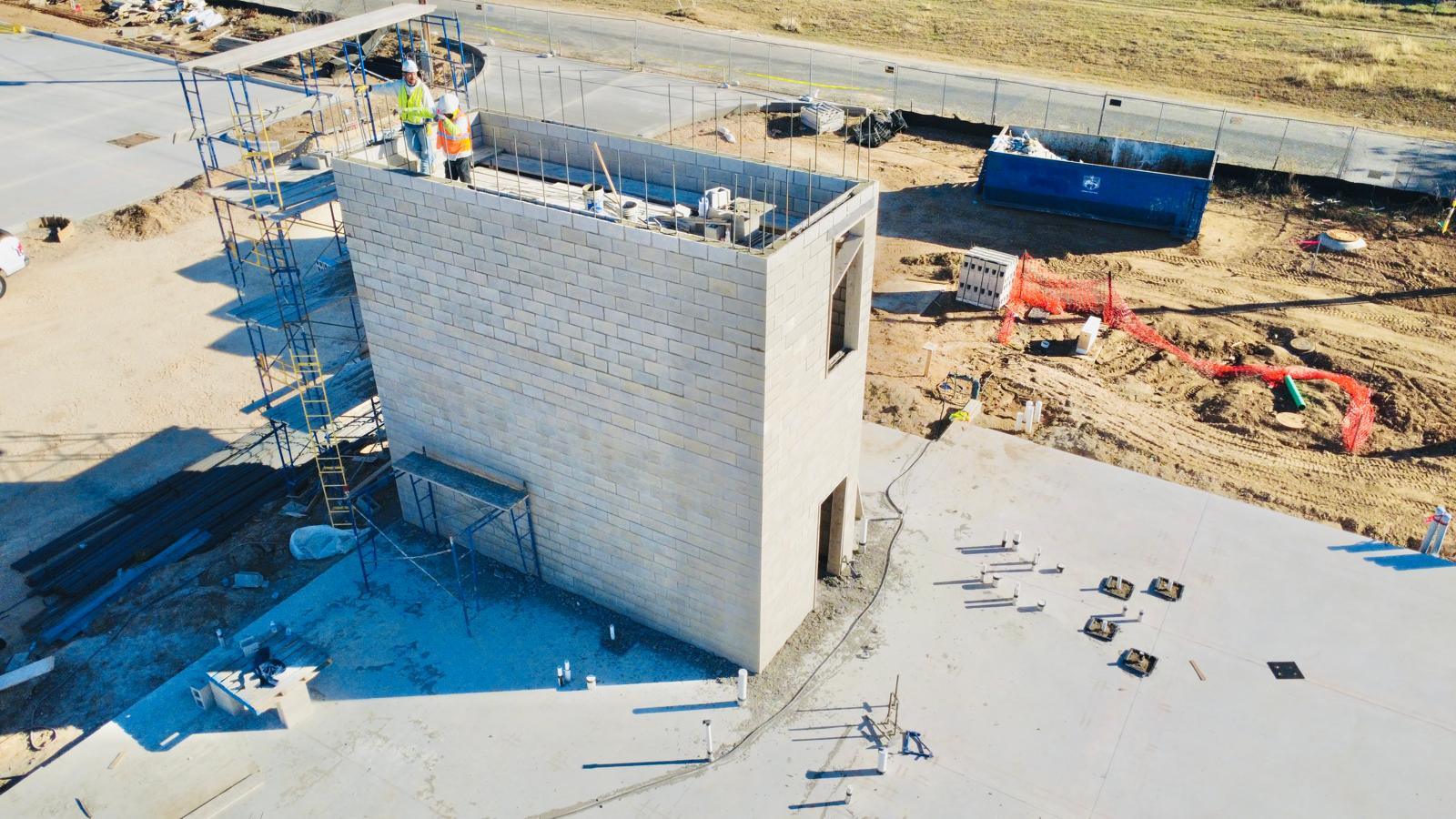
Once the project gets the green light, the physical work begins with site preparation. This phase is all about creating a stable and secure base for the structure. Crews will clear the land of any existing obstructions, excavate the area, and perform grading to ensure the ground is perfectly level. Proper site prep is non-negotiable, as it prevents structural issues later on. Following preparation, the foundation is laid. For most warehouses, this involves pouring reinforced concrete slabs, often integrated with steel, to create a foundation strong enough to support the massive weight of the building, its equipment, and its inventory. This is where the project truly starts to take shape.
With the foundation in place, the warehouse starts to go vertical. This is the most active phase of the project, where the building's main structure is erected. Whether it's a steel frame, concrete tilt-up walls, or a pre-engineered metal building, this is when the shell is assembled. Once the structure is enclosed with walls and a roof, the focus shifts to the interior. Specialized teams install the essential systems, including all mechanical, electrical, and plumbing (MEP) infrastructure. This is followed by finishing work like pouring concrete floors, building out office spaces, and installing loading docks and bay doors. Smooth coordination between the general contractor and various subcontractors is crucial here.
The last leg of the journey involves putting the finishing touches on the project and ensuring everything is perfect. The general contractor will conduct a final walk-through with the owner to create a "punch list" of any remaining items that need to be addressed. This could be anything from a paint touch-up to a minor adjustment. Simultaneously, the project undergoes a series of final inspections from local building authorities. These officials verify that the warehouse complies with all relevant building codes and safety standards. Once all inspections are passed and the owner signs off, the project is officially complete, and the keys are handed over.
Before a single blueprint is drawn, the most critical decision for any warehouse project is choosing the right site. The location you select will have a lasting impact on everything from daily operational costs to your ability to scale in the future. It’s a decision that requires a careful balance of logistics, regulations, and forward-thinking. Getting this right means setting the project up for success from day one, while a poor choice can lead to unforeseen costs and logistical nightmares. Let's break down the three essential factors you need to analyze to find the perfect spot for your next warehouse build.
A warehouse is the heart of a supply chain, and its effectiveness depends on how easily goods can flow in and out. Choosing the right location is critical, as it directly affects shipping costs and how easily your business can grow. Look for sites with straightforward access to major transportation arteries, including highways, ports, airports, and rail lines. In a state like Texas, proximity to corridors like I-10 or I-35 can drastically cut down on transit times. You should also evaluate statewide freight mobility and road quality to ensure trucks can move efficiently without delays. A well-connected site is a strategic asset that pays dividends long after construction is complete.
Navigating local regulations is a crucial step in site selection. Before you commit to a piece of land, you must confirm it’s zoned for industrial use. Understanding local building codes is essential, as they can include specific requirements for everything from energy efficiency to stormwater management. It’s also vital to conduct thorough due diligence on environmental factors. An environmental site assessment can uncover potential issues like soil contamination or protected wetlands that could halt a project in its tracks. Getting ahead of these local development regulations early saves you from costly surprises and significant delays down the road.
A building is only as good as the people who run it, so access to a reliable workforce is a major consideration. Analyze the local labor market data to ensure you can attract and retain the talent needed for both the construction phase and ongoing warehouse operations. Beyond current needs, think about the future. Strategic site selection is crucial for potential future expansion. Does the property have enough room to add more square footage or parking? Can local utilities like water, sewer, and power support a larger facility? Choosing a site that accommodates growth ensures your investment remains valuable for years to come.
Choosing the right construction method and materials is a critical decision that impacts everything from your project's budget and timeline to the warehouse's long-term durability and operational efficiency. While traditional methods remain popular for their reliability, new technologies are also changing the game. Let's look at some of the most common approaches you'll encounter.
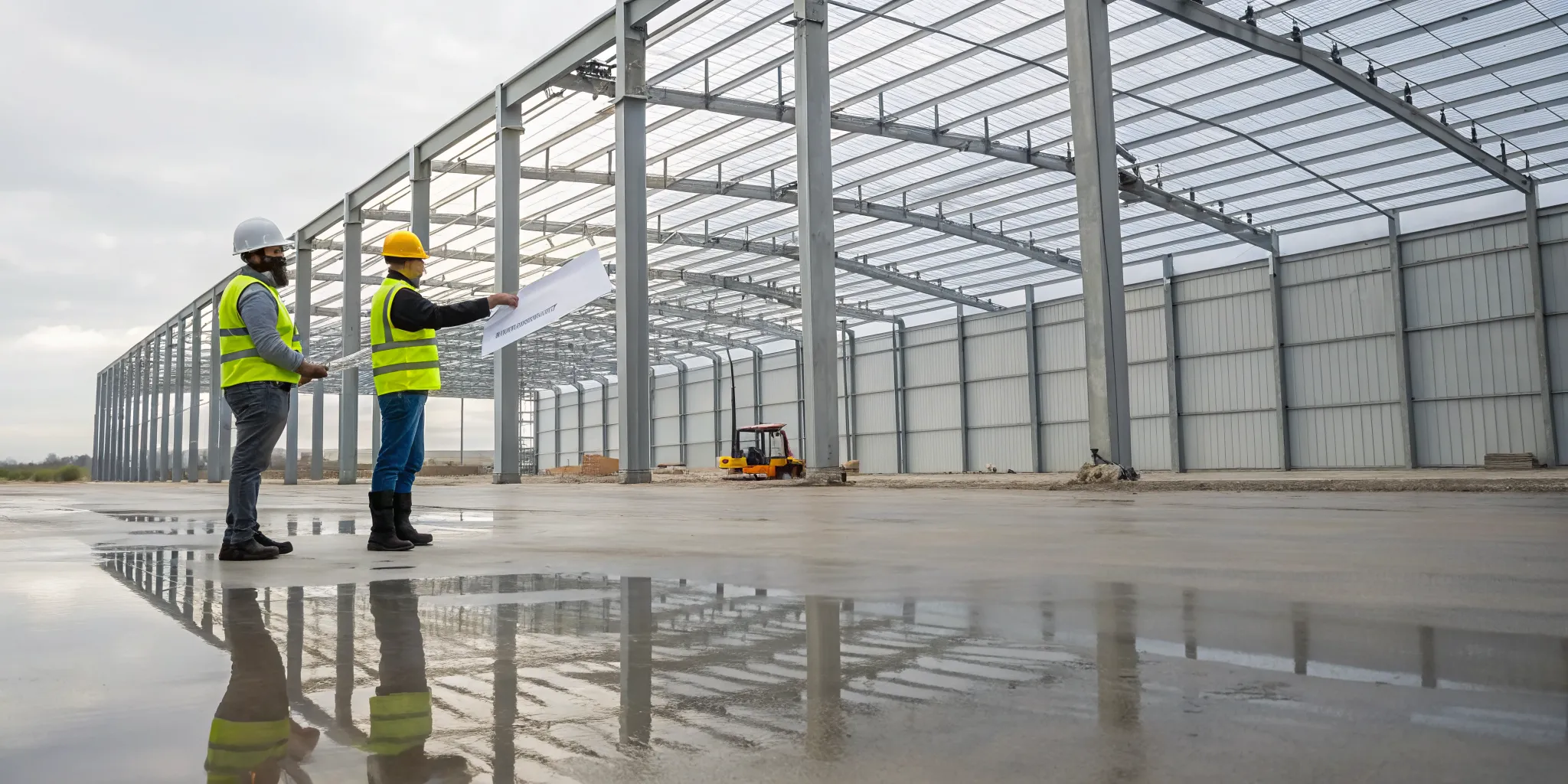
When you need a structure that can stand up to just about anything, steel is a top contender. Steel frames are known for their incredible durability and strength, able to withstand tornadoes, hurricanes, and heavy snow loads, making them a reliable choice for Texas weather and beyond. This material is often used for warehouse flooring and the primary structural system. Beyond its toughness, steel offers great design flexibility, allowing for wide, open-plan interiors with fewer support columns. This is perfect for maximizing storage and operational space. The components are fabricated off-site, which can speed up the on-site erection process, helping you keep the project on schedule.
Concrete tilt-up construction is another heavyweight in the warehouse world. With this method, large concrete panels are cast horizontally on the building's floor slab and then tilted up into their vertical position. This technique creates a strong and lasting structure that requires very little upkeep over the years. One of its biggest advantages is excellent fire protection, a major consideration for any storage facility. While it typically costs more and can take longer to build compared to other methods, the long-term resilience and low maintenance can make it a worthwhile investment for owners who prioritize durability and safety.
If you're looking for a balance of speed, cost-effectiveness, and quality, pre-engineered metal buildings (PEMBs) are an excellent option. With a PEMB, all the components are designed and fabricated in a factory before being shipped to the job site for assembly. This streamlined process can save significant time and labor costs. These buildings are also easier to expand later on, providing flexibility as a business grows. Because the engineering is done upfront, you can move from planning to construction much faster. This method is a great fit for projects with tight deadlines and budgets that still require a durable, low-maintenance structure.
The construction industry is always evolving, and warehouse projects are benefiting from some exciting new developments. We're seeing a rise in innovative construction techniques that are pushing the boundaries of what's possible. Methods like 3D printing and modular building are helping to reduce waste and accelerate timelines. At the same time, smart materials that can adapt to environmental conditions are being developed to create more energy-efficient and resilient buildings. While not yet mainstream for every project, keeping an eye on these advancements can give you a competitive edge and prepare you for the future of industrial construction.
Pinning down the exact cost of a warehouse project is tricky because every build is unique. However, you can create a solid estimate by breaking the budget down into a few key categories. Understanding where your money is going is the first step to keeping your project on track and profitable. From the physical structure to the professional services required, a clear financial plan accounts for every piece of the puzzle.
Hard costs are the most straightforward part of your budget. These are the tangible expenses directly related to the physical construction of the building. Think of everything you can see and touch in the finished structure: concrete for the foundation, steel beams for the frame, roofing materials, walls, and essential systems like plumbing and electrical. On average, hard costs make up the largest chunk of your total budget, typically accounting for about 70% of the overall expense. When you’re pricing out materials and labor for the actual build, you’re dealing with hard costs.
While hard costs cover the physical building, soft costs cover everything else needed to bring the project to life. These are the less tangible but equally critical expenses that often occur before and after construction. Soft costs typically represent around 15% of the total project budget. This category includes fees for architects and engineers who design the building, the cost of securing building permits, legal assistance, and financing charges. Overlooking these expenses can quickly derail your budget, so it’s important to account for them early in the planning phase.
Several key factors can cause your warehouse construction costs to swing significantly. First, location plays a huge role; building in a dense urban area versus a rural one can alter your budget by as much as 20%. Material and labor costs also fluctuate based on market demand and economic conditions. For instance, overall construction costs have been rising steadily in recent years. Keeping a close eye on a reliable construction cost index can help you anticipate these changes and adjust your estimates accordingly, ensuring you provide a competitive yet realistic bid for the project.
Smart financial planning is essential for a successful warehouse build. A good rule of thumb is to set aside a contingency fund of 7% to 10% of your total budget. This isn't just extra cash; it's a safety net for unexpected problems, like surprise site issues or sudden material price hikes. For initial estimates, you can expect a basic warehouse to cost between $20 and $60 per square foot. If the project includes advanced features like automation, climate protection, or sustainable elements, plan to add another 15% to 30% to that figure. Building these numbers into your initial budget helps you manage expectations and avoid financial strain down the road.
Navigating the web of codes, permits, and inspections is a critical phase of any warehouse construction project. These rules aren't just red tape; they exist to ensure the final structure is safe, functional, and legally compliant. Getting this part right from the start saves you from costly delays, fines, and rework down the line. Think of it as the project's rulebook. Understanding the local, state, and national requirements is the first step toward a smooth build. From zoning laws to specific safety standards, every detail matters. For general contractors and suppliers, staying on top of these regulations is not just about compliance, it's about building a reputation for quality and reliability in a competitive market. This process requires careful planning and a deep understanding of municipal requirements, which can vary significantly from one jurisdiction to another. A project in Austin might face different environmental stipulations than one in Dallas. Successfully managing this stage demonstrates professionalism and foresight, setting the foundation for a successful project and strong client relationships.
Every construction project is guided by a set of building codes that dictate everything from structural integrity to electrical wiring and accessibility. These standards are essential for ensuring the safety of everyone who will eventually work in or visit the warehouse. While national codes like the International Building Code (IBC) provide a solid framework, local municipalities in Texas often have their own specific amendments and requirements. It's your job to know which rules apply to your project's location. Abiding by these codes isn't optional; it’s a fundamental part of the process that protects your investment, your team, and the future occupants of the building.
Beyond general building codes, warehouses have specific requirements for fire safety and environmental protection. Fire safety is a top priority, involving regulations for sprinkler systems, fire-rated materials, emergency exits, and clear access for fire departments. These rules are non-negotiable. On the environmental side, regulations are becoming more stringent. You might need to address stormwater management, energy efficiency standards, or waste disposal protocols. Local concerns often drive these rules, so what’s required in Houston might differ from Austin. Proactively addressing these standards in your design phase helps avoid surprises and ensures your project contributes positively to its surroundings.
Before you can break ground, you need the right permits. This process starts with submitting detailed plans to the local building authority for review. They’ll check your designs against all applicable zoning laws, building codes, and safety regulations. Once approved, a permit is issued, and construction can begin. But it doesn’t end there. Inspectors will visit the site at key milestones to verify that the work matches the approved plans. For contractors and suppliers, tracking permit activity is also a powerful way to identify new projects early. Seeing when a permit is filed gives you a direct signal that a project is moving forward, allowing you to connect with key players months before the competition.
The world of logistics is changing, and warehouse construction is evolving with it. Clients need more than just a big box; they want smart, efficient, and sustainable facilities. Staying ahead of these trends is key to winning bids and delivering projects that meet modern demands. From automation to green building, let's look at the key shifts shaping the future of warehouse construction.
The boom in e-commerce has reshaped what a warehouse needs to be. Today’s facilities are high-tech hubs designed for speed. This means incorporating advanced automation technologies like robotic sorting systems and complex conveyor networks. For contractors, this translates to projects with higher-spec requirements: perfectly level concrete floors for robotics, extensive electrical infrastructure, and structural designs that support mezzanines and automated storage. Understanding these technical needs is crucial for building a warehouse that can handle the intense demands of online retail.
Sustainability is now a core requirement for many warehouse projects. Clients want to reduce their environmental footprint and operational costs. This push for green buildings means incorporating features like high-efficiency HVAC, LED lighting, cool roofs, and superior insulation. Many projects now aim for LEED certification, which provides a framework for healthy and cost-saving green buildings. As a contractor, being well-versed in sustainable materials and methods can give you a significant edge. It meets client demand and helps them achieve long-term energy savings, often between 20-30% annually.
Recent global events have highlighted the need for a strong supply chain, and warehouse design is a huge part of that. Clients are thinking strategically about how their facilities can withstand disruptions. This starts with strategic site selection to ensure easy access for trucks and proximity to transportation hubs. From a construction standpoint, this means building for resilience. Think larger truck aprons, more dock doors than immediately necessary, and structural designs that allow for future expansion. Building a facility that can grow with the business is a key selling point for any forward-thinking construction partner.
Even with a solid plan, warehouse construction projects can hit unexpected roadblocks. Getting ahead of these common issues can save you time, money, and a lot of headaches down the road. By anticipating challenges, you can build contingencies into your project plan and keep things moving forward smoothly. From fluctuating material costs to last-minute design changes, being prepared is your best defense. Let’s walk through some of the most frequent hurdles and how you can prepare for them.
Keeping a warehouse project on budget requires careful planning, especially as material and labor prices continue to shift. Since 2020, overall construction costs have climbed by about 4-6% each year, making accurate estimates more critical than ever. Securing materials like steel and concrete early can help lock in prices and avoid supply chain disruptions. Identifying projects in their early stages gives you a significant advantage, providing more time to source materials, negotiate with suppliers, and create a more resilient budget. This proactive approach helps protect your profit margins and prevents delays caused by material shortages.
The quality of your site preparation sets the foundation for the entire project. Rushing through clearing, excavation, or grading can lead to serious structural problems later on. A thorough geotechnical analysis is essential to understand the soil conditions and ensure the ground is stable enough to support the structure. Proper site prep is a non-negotiable step that prevents costly rework and ensures the long-term integrity of the warehouse. By allocating sufficient time and resources for this phase, you can avoid unforeseen delays and build a facility that stands the test of time.
Scope creep, or the slow expansion of project requirements, often stems from unclear communication between stakeholders. When the owner, architect, and construction team aren't perfectly aligned, last-minute design changes can disrupt schedules and inflate the budget. The key is to establish clear channels for stakeholder communication from day one. Regular meetings, detailed documentation of all decisions, and a formal change order process can keep everyone on the same page. By defining the project scope with precision and managing expectations carefully, you can prevent small adjustments from turning into major setbacks.
As weather patterns become more extreme, designing for resilience is no longer optional. Buildings in areas prone to high winds, flooding, or intense heat need to meet higher structural standards. Failing to account for these climate risks can lead to insurance premiums that are 15% to 35% higher, or in some cases, an inability to get coverage at all. Integrating resilient design features not only protects the asset but also ensures operational continuity. For general contractors, discussing these factors with clients early helps manage expectations and demonstrates a commitment to building a durable, long-lasting facility.
Kicking off a new warehouse construction project can feel like a massive undertaking, but you can set yourself up for success with the right preparation. It’s all about building a solid foundation, both literally and figuratively, before the first shovel hits the ground. By focusing on a few key areas, you can move forward with clarity and confidence.
First, get a handle on the rules. Abiding by building codes and regulations is non-negotiable. It’s what ensures the final structure is safe, functional, and fully compliant. Before you get too far into planning, it’s smart to conduct a thorough regulatory review. This means digging into local zoning laws, safety requirements, and any other rules that apply to your site. Getting this groundwork done early prevents major headaches and costly revisions down the line.
Next, make communication a top priority. A project’s timeline can quickly go off the rails when information gets stuck or misinterpreted. Establishing a clear communication chain from the start ensures that everyone, from the client to your subcontractors, is on the same page. Using project management software can be a game-changer here, creating a central hub for updates, documents, and conversations. When information flows freely, your project stays on schedule and collaboration improves across the board.
Finally, don’t be afraid to explore modern construction techniques. The industry is always evolving, and new approaches can offer huge benefits. Innovative construction methods like modular building can speed up your timeline, while smart materials that adapt to environmental conditions can lead to a more efficient and sustainable facility. Staying open to these advancements can give your project a serious edge. By focusing on compliance, communication, and innovation, you’ll be well-equipped to lead your next warehouse project to a successful finish.
How can I find warehouse projects before they're publicly announced? The key is to watch for early signals that happen long before a project is common knowledge. Keep an eye on commercial land sales, rezoning applications, and early permit filings. These activities are public record and indicate that a developer is serious about a project. Spotting these indicators gives you a chance to connect with the key players and start building a relationship months before your competitors even know a project exists.
What's the biggest mistake to avoid when choosing a warehouse site? A common mistake is focusing on just one factor, like the price of the land, while ignoring others. A truly great site balances three things: logistics, regulations, and future growth. You might find an affordable plot, but if it’s far from major highways or isn't zoned for industrial use, it will create major problems. Always analyze transportation access, local zoning laws, and the potential for future expansion together to avoid costly surprises.
Are pre-engineered metal buildings always the best choice for a warehouse? While pre-engineered metal buildings are a fantastic option for projects that need to move quickly and stay on a tight budget, they aren't a universal solution. The best choice depends on the client's long-term goals. For instance, if a client prioritizes maximum durability and fire resistance above all else, a concrete tilt-up structure might be a better investment, even with its higher upfront cost and longer timeline.
Besides the building itself, what are some major costs I need to plan for? It's easy to focus on the physical construction, but the "soft costs" are just as important. These are the expenses for professional services that make the project possible. This includes fees for architects and engineers, the cost of securing permits from the city, legal assistance, and insurance. A smart budget also includes a contingency fund, typically 7% to 10% of the total cost, to cover any unexpected issues that arise.
How do I keep a project from getting derailed by last-minute design changes? The best defense against scope creep is establishing a clear communication plan from day one. Before any work begins, make sure all stakeholders (the owner, architect, and your team) agree on the project scope in writing. Create a formal process for submitting and approving any changes. This ensures that every adjustment is properly documented, budgeted, and scheduled, preventing small tweaks from causing major delays.


.png)