
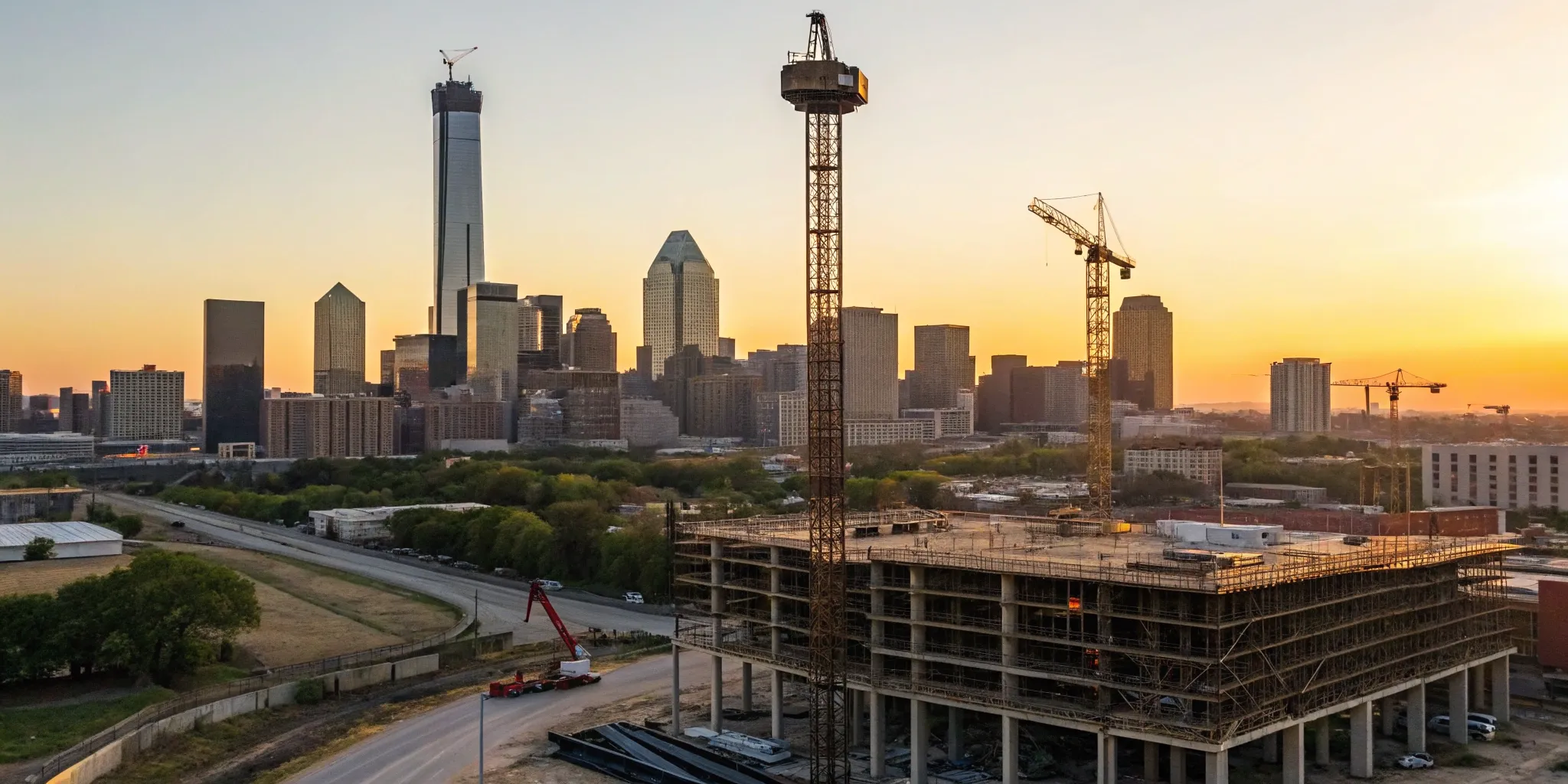

In a market as hot as Dallas, waiting for projects to hit the public bid boards is a losing game. By then, the competition is fierce and your margins are thin. The most successful contractors, subs, and suppliers aren't just waiting for opportunities; they're creating them. They get in early, build relationships with owners and developers, and position themselves as essential partners long before ground is broken. This guide is about making that shift. We'll break down the key Dallas construction projects that are defining the next decade and show you how to find them before everyone else does, giving you a critical head start.
Key Takeaways
- Look beyond a single sector for opportunities: Dallas’s growth is fueled by diverse mega-projects in tech, finance, entertainment, and infrastructure, creating a stable pipeline of work for GCs, subs, and suppliers with varied specializations.
- Get in before the bid list is made: The biggest advantage comes from identifying projects through early signals like rezoning or land sales. This gives you a head start to build relationships and shape the conversation before your competition even knows about the job.
- Use technology to build better relationships: Construction intelligence isn't just for finding leads; it's for identifying the key decision-makers behind them. Use this insight to connect with owners and developers early, establishing trust and positioning your firm as a partner, not just another bidder.
The Top Construction Projects Shaping Dallas
If you’re in construction in Dallas, you know the skyline is changing fast. Cranes are everywhere, and it feels like a new project breaks ground every week. But with so much activity, it can be tough to see the forest for the trees. Which projects are just noise, and which ones represent real, game-changing opportunities for your business? We’ve zeroed in on five of the most significant developments shaping the future of the Dallas-Fort Worth metroplex.
These aren't just massive in scale; they're diverse, spanning tech, entertainment, finance, and public infrastructure. For general contractors, subcontractors, and suppliers, each one offers a unique set of opportunities and challenges. Understanding the scope, key players, and timelines of these mega-projects is the first step to getting your foot in the door. Let’s look at the developments that are not just fueling the current boom but are also laying the groundwork for Dallas’s next chapter.
The $3.5 Billion New Park Tech District
Downtown Dallas is getting a major upgrade with the $3.5 billion New Park tech district. The vision is to create a vibrant, modern hub for technology and innovation that will attract top talent and companies. This isn't just another office park; it's a multi-phase development designed to be a city within a city. For construction firms, this means a long-term pipeline of high-value work.
The project will demand cutting-edge building techniques and materials to create smart, sustainable spaces. Think advanced HVAC, integrated tech infrastructure, and high-end interior finishes. The scale of the New Park district means there will be opportunities for firms of all sizes, from those handling the core and shell to specialized subs focusing on data centers and labs. Getting involved in a project like this early requires tracking land development and identifying decision-makers before the bids go public.
Universal Kids Resort in Frisco
Get ready for a different kind of build. The Universal Kids Resort in Frisco is a $550 million theme park and hotel designed specifically for families with young children. Slated to open in 2026, this project is a massive undertaking that goes far beyond typical commercial construction. It involves creating immersive, themed environments, which requires a high degree of collaboration between architects, engineers, and specialty contractors.
The scope includes everything from complex ride foundations and show buildings to a 300-room hotel and extensive site work. This project will rely on a deep network of suppliers and subcontractors who can deliver on Universal's famously high standards for quality and safety. For firms looking to diversify their portfolio, the Universal Kids Resort offers a chance to work on a landmark entertainment destination that will draw visitors from all over the country.
Goldman Sachs Campus in Victory Park
When a financial giant like Goldman Sachs invests half a billion dollars in a new campus, the industry takes notice. The new $500 million Goldman Sachs campus in Victory Park will be an 800,000-square-foot, sustainable office building, creating thousands of jobs. This project signals a major commitment to Dallas as a key financial hub and will be a high-profile addition to the city's skyline.
The emphasis on sustainability means there will be a strong demand for contractors with proven green building expertise. This is a prime opportunity for firms that specialize in LEED-certified construction, energy-efficient systems, and sustainable materials. Tracking permit activity for a project of this magnitude can provide critical insights into its timeline and the specific trades that will be needed as it moves from foundation to fit-out.
DFW Airport Terminal F Expansion
Airport construction is in a league of its own, and the DFW Airport Terminal F expansion is one of the largest aviation projects in the country. With a budget of over $4 billion, this monumental undertaking will add up to 31 new gates to the world's second-busiest airport. This isn't just about adding capacity; it's about modernizing the travel experience and solidifying DFW's status as a global hub.
Working on a project like this involves navigating complex logistics, stringent security protocols, and the challenge of building without disrupting ongoing airport operations. The Terminal F expansion will create sustained demand for a wide range of construction services over many years, from heavy civil and concrete work to specialized electrical, mechanical, and technology systems integrators.
DART Silver Line and Transportation Infrastructure
Infrastructure projects are the backbone of a growing city, and the DART Silver Line is a perfect example. This transformative 26-mile rail line will finally connect DFW Airport to Plano, running through numerous communities along the way. This project is more than just tracks and stations; it's a catalyst for economic development all along the corridor.
Alongside the rail line, the project includes the new Cotton Belt Trail for cyclists and pedestrians. The real opportunity for many construction firms lies in the transit-oriented development (TOD) that will spring up around the new stations. We're talking about new mixed-use residential buildings, retail centers, and offices. Understanding the phasing of the Silver Line can help you anticipate where the next wave of private development will occur, giving you a head start on future opportunities.
What's Driving Dallas's $50B Construction Boom?
Dallas isn't just growing; it's exploding. The skyline is dotted with cranes, and new developments are breaking ground constantly. But this isn't happening by accident. A powerful combination of massive financial investment, strategic partnerships, and a magnetic business environment is fueling this transformation. Understanding these driving forces is the first step to claiming your piece of the pie.
The Financial Scope and Key Players
Let's talk numbers. Dallas is seeing a staggering $50 billion investment in construction over the next five years. This isn't just about a few new buildings; it's a complete reimagining of the city. We're talking new high-rises, sprawling corporate campuses, and entire districts being built from the ground up. The key players behind this are a mix of public entities and private-sector giants. With 21 Fortune 500 companies calling Dallas home, major corporations are doubling down on their presence here. For general contractors and subcontractors, this means a massive pipeline of high-value projects driven by some of the biggest names in business.
How Public-Private Partnerships Work
While city-led infrastructure projects are a big part of the story, the real engine of Dallas's boom is private development. These projects often fly under the radar in their early stages, long before they ever appear on a public bid board. This is where the most successful contractors gain an edge. By identifying these private opportunities early, you can build relationships with developers and owners before your competition even knows a project exists. Platforms that provide construction intelligence are essential tools for this, helping you track everything from land sales to permit applications so you can get in on the ground floor.
Why Companies and People Are Moving to Dallas
So, why Dallas? It's simple: the city has created an incredibly attractive environment for growth. A combination of a robust economy, business-friendly government policies, and a central location makes it a top destination for corporate relocations. In recent years, over 100 companies have moved their headquarters here. Major players like AT&T, CBRE, and McKesson have established a significant presence, bringing thousands of jobs with them. This corporate migration creates a ripple effect, as a growing population needs more places to live, work, and shop—fueling a continuous cycle of new construction opportunities across every sector.
How Will These Projects Impact the Dallas Economy?
The massive scale of construction happening across Dallas is more than just a collection of new buildings—it's a powerful engine reshaping the city's economic future. With over $18 billion invested in just seven of the largest projects, this boom is creating a wave of opportunities that extend far beyond the construction sites themselves. For general contractors, subcontractors, and suppliers, understanding these economic shifts is key to positioning your business for growth. The influx of jobs, the rise of new industries, and the changing real estate landscape all signal a sustained demand for construction services for years to come. Successful firms are already capitalizing on this momentum, as you can see in our customer stories. This transformation is creating a dynamic environment where strategic planning and early project identification can make all the difference.
Creating 50,000 New Jobs
These major developments are expected to create an estimated 50,000 new jobs, a figure that has a profound ripple effect. While many of these roles are directly in construction, thousands more will be in the hospitality, retail, tech, and corporate sectors that will occupy these new spaces. More jobs mean more people moving to Dallas, which in turn drives demand for housing, schools, and supporting commercial infrastructure. For construction professionals, this translates into a continuous pipeline of opportunities, from large-scale multifamily projects to smaller-scale commercial build-outs and renovations. It’s a cycle of growth where every new office tower or entertainment venue creates the need for more development to support the expanding population.
Fueling Tech Sector Growth
Dallas is rapidly cementing its reputation as a major tech hub, and the current construction boom is a huge part of that story. The city has seen a 17% jump in tech jobs, with companies specializing in AI, cybersecurity, and cloud computing flocking to the area. Projects like the Goldman Sachs campus and the New Park Tech District are designed to attract and house these innovative firms. This trend creates a demand for specialized construction projects, including state-of-the-art office spaces, data centers, and mixed-use developments that appeal to a tech-savvy workforce. Staying informed on these trends is crucial, and our Future of Construction Podcast often explores how technology is shaping the industry.
The Ripple Effect on Property Values
The impact of these mega-projects extends well beyond their physical footprints, causing property values in surrounding areas to climb. For example, the Universal Kids Resort is expected to draw 20,000 visitors each weekend, and homes within a few miles of the park are already seeing their values increase. Similarly, properties along the proposed DART D2 Light Rail route are poised for significant appreciation. This rise in property values often sparks further development, including residential renovations, new commercial construction, and infrastructure upgrades. You can track this kind of activity by monitoring building permits, which often signal the start of new projects in these appreciating areas.
What Infrastructure is Supporting Dallas's Growth?
All the headline-grabbing skyscrapers and corporate campuses wouldn't be possible without the foundational work happening behind the scenes. For a city to handle this level of expansion, its core infrastructure—from roads and rails to power grids and data networks—has to keep pace. For general contractors, subcontractors, and suppliers, these infrastructure projects aren't just supporting the boom; they are the boom, representing billions of dollars in opportunities that create a ripple effect across the entire industry. These are the long-term, high-value contracts that can anchor a business for years.
Dallas is making massive investments to ensure its foundation is strong enough to support its future. The city is overhauling its transportation networks to move a growing population, modernizing its utilities to power new developments, and building the digital framework for a true smart city. Understanding these large-scale upgrades is key to seeing the full picture of the Dallas market and finding where your services fit into the city’s long-term vision. These public works often signal where future private development will follow, giving you a roadmap to the next hot spots and helping you get ahead of the competition.
Expanding Highways to Manage Traffic
With thousands of new residents and employees flocking to the Dallas-Fort Worth area, the region's highways are under immense pressure. To manage the surge in traffic, the city is undertaking several ambitious expansion projects. These aren't just simple repaving jobs; they are complex, multi-year initiatives designed to increase capacity and improve traffic flow for decades to come.
Key among these are notable projects like the I-35E expansion and the massive $730.5 million I-30 Improvement Project. While these upgrades are essential for the city's long-term health, they also create significant logistical challenges and opportunities for construction professionals involved in everything from earthwork and paving to signage and traffic control.
Upgrading Public and Smart Transit
Dallas isn't just building for cars. The city is making a significant investment in its public transportation network to create a more connected and accessible urban core. The Dallas Area Rapid Transit (DART) is leading the charge with transformative projects that will change how people move around the metroplex.
The most significant of these is the new DART Silver Line, a 26-mile regional rail line that will connect DFW Airport all the way to Plano. This project opens up a vital corridor for commuters and commerce. In addition, the D2 Project will add a second light rail line through downtown Dallas, easing congestion on the existing system. These transit upgrades are crucial for supporting dense, transit-oriented development.
Modernizing Utilities and Digital Networks
The most critical infrastructure is often the least visible. To support its explosive growth, Dallas is heavily investing in the modernization of its utilities and digital networks. This includes upgrading the power grid to handle increased demand, improving water and sewer systems, and expanding high-speed fiber networks to ensure businesses and residents stay connected.
Beyond the basics, Dallas is also focused on building a smarter, more sustainable city. The city is a leader in implementing comprehensive green building standards for all new construction, pushing for energy efficiency and environmentally friendly practices. For contractors and suppliers, this means a growing demand for sustainable materials, smart building technologies, and expertise in green construction methods.
How Are Local Communities Responding to Development?
Dallas's growth is exciting, but it's not happening in a vacuum. Every new project lands in an existing neighborhood, and local communities have strong opinions about how their areas should evolve. For general contractors and developers, understanding this public sentiment isn't just about good PR—it's a critical part of project planning and risk management. Widespread opposition can lead to costly delays, redesigns, or even project cancellations. Staying ahead of these conversations means you can anticipate challenges and build the goodwill necessary to see a project through from groundbreaking to ribbon-cutting. By tracking early project signals like rezoning applications, you can get a head start on understanding the local landscape long before ground is ever broken.
Understanding Resident Opposition
It’s common for residents to push back when a new project feels intrusive or out of place. In Irving, for example, families have voiced opposition to plans for a 200-foot cell tower near their homes and local parks. Their concerns are rooted in fears about safety and declining property values—two of the most common drivers of community resistance. For contractors, this kind of opposition is a major red flag. It signals potential hurdles in the permitting and approval process. Understanding these specific fears allows you to address them directly in community meetings and project proposals, turning a potential conflict into a conversation.
Addressing Quality of Life Concerns
Beyond specific safety issues, residents often worry about how new developments will impact their overall quality of life. In South Haven, dozens of residents testified against a proposed development at Dallas City Hall, citing concerns about increased traffic, noise, and fundamental changes to their neighborhood's character. These are the day-to-day impacts that can turn a community against a project. As a builder, it’s easy to focus on the blueprints and logistics, but paying attention to these less tangible, human-centric concerns is essential for gaining local support and ensuring a smoother project lifecycle.
The Role of Community Engagement in Planning
The most effective way to manage opposition is to get ahead of it. Unfortunately, residents often feel left out of the planning process, which can breed distrust and frustration. The backlash against the Forward Dallas 2.0 plan shows what happens when community members feel their voices aren't being heard. Proactive engagement is key. By involving local communities early, you can build trust, gather valuable feedback, and address concerns before they escalate. This collaborative approach not only mitigates risk but also helps ensure that new developments genuinely benefit the neighborhoods they're built in.
How to Win Work in Dallas's Booming Market
With billions of dollars in projects underway, the Dallas construction market is packed with opportunity—and competition. Standing out requires more than just a solid bid; it means being smarter and faster than everyone else. Getting ahead of the curve involves finding projects before they hit the public bid boards, building genuine connections with the people in charge, and using the right tools to give you an edge. It’s about shifting from a reactive to a proactive approach to business development.
Find Projects in Their Earliest Stages
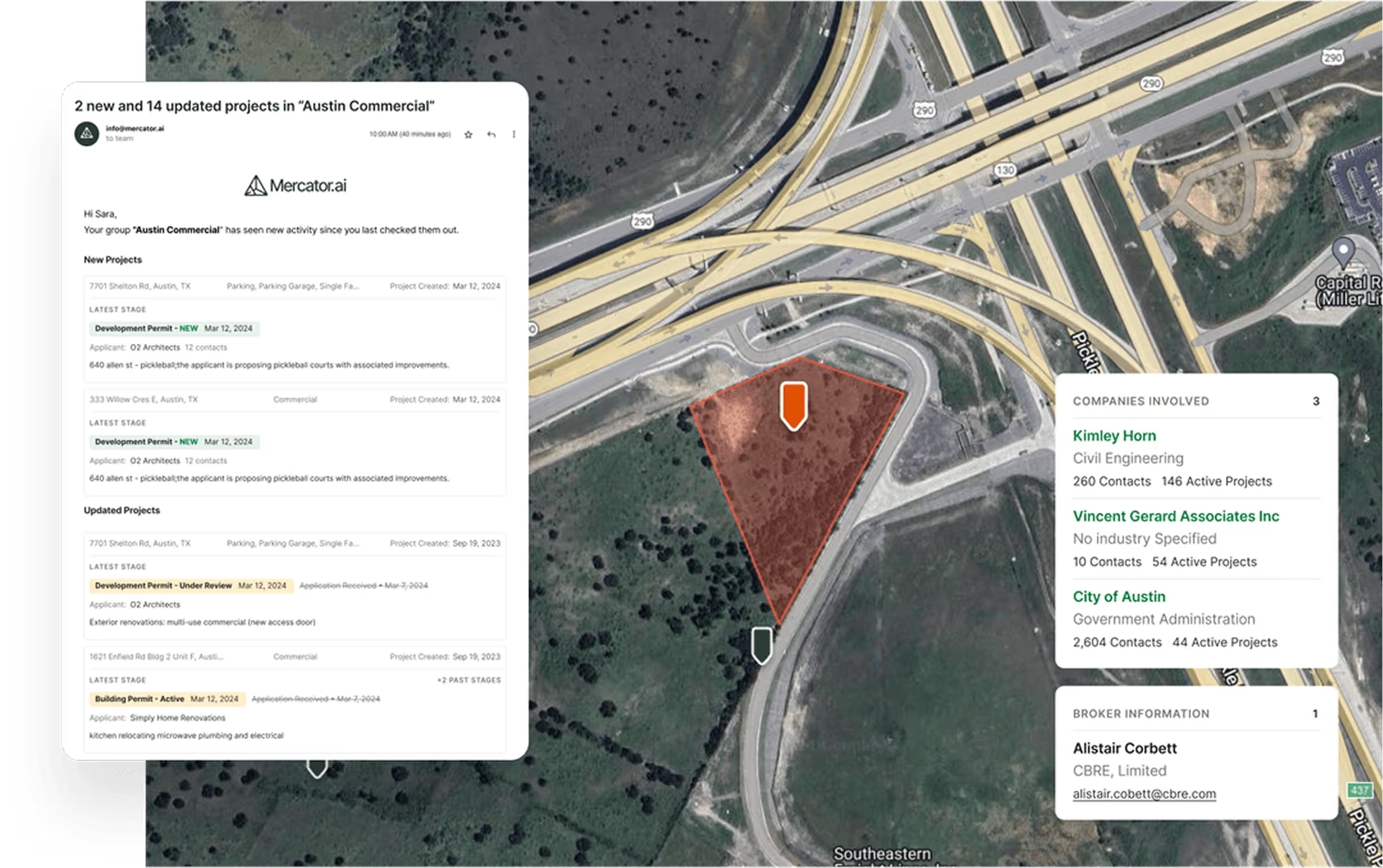
The best way to win a project is to know about it before your competitors do. By the time a project is publicly listed, you’re already behind. The real advantage comes from identifying opportunities at the very beginning—think land acquisition, rezoning applications, or initial permit filings. A construction intelligence platform can give you this upstream visibility by tracking these early signals. Instead of waiting for an invitation to bid, you can start positioning your company as the ideal partner months in advance, long before the project becomes common knowledge. This gives you time to prepare a thoughtful, well-researched proposal that truly meets the client's needs.
Build Relationships with Key Decision-Makers
Construction is, and always will be, a relationship-driven industry. Identifying a project early is only the first step; the next is connecting with the key stakeholders. When you get in on the ground floor, you have a unique opportunity to build trust with owners, developers, and architects before they’re inundated with calls. You can learn their pain points, understand their vision, and offer solutions that shape the project's direction. These early conversations help you strengthen relationships and position your team as a trusted advisor, not just another contractor. This groundwork is what turns a potential lead into a signed contract.
Use Technology to Find Your Next Project
Manually tracking leads across a market as large as Dallas is nearly impossible. Technology is what makes finding early-stage projects and key contacts scalable. Using a platform that provides AI-driven insights allows you to monitor thousands of potential projects simultaneously, with real-time alerts flagging the opportunities that match your business. With over 65,000 private construction projects being tracked in Texas, these tools give you a bird's-eye view of the market. This lets you focus your energy on building relationships and crafting winning bids instead of spending countless hours searching for leads.
Related Articles
Frequently Asked Questions
These mega-projects are huge. Are there still opportunities for firms that focus on smaller or mid-sized jobs? Absolutely. Think of these large-scale developments as catalysts. For every new corporate campus or theme park, a whole ecosystem of supporting projects emerges. The thousands of new employees moving to the area will need housing, which fuels multifamily construction. They’ll also need new retail centers, restaurants, and medical offices. These secondary developments are often the perfect fit for small and mid-sized firms, creating a steady stream of opportunities that ripple out from the major project sites.
You mention finding projects early. What specific signals should I be looking for? Early signals are the activities that happen long before a project is ever publicly announced. The most important ones to watch are title transfers, which show a property has changed hands, and rezoning applications, where a developer asks the city to change how a piece of land can be used. Initial permit filings for things like demolition or site work are another key indicator. Tracking these events allows you to see a project taking shape months, or even years, before your competitors do.
With so much competition in Dallas, how can I make my company stand out beyond just having a competitive bid? In a busy market, relationships are your biggest differentiator. Price will always be a factor, but trust is what closes deals. When you identify a project early, you have the time to understand the owner's or developer's true goals beyond what's written in the specs. By building that rapport and positioning yourself as a problem-solver from the start, you move from being just another bidder to a valued partner. This early engagement is often what tips the scales in your favor.
How can I realistically keep track of community feedback and opposition for potential projects? Staying informed about community sentiment involves paying attention to local news, city council meeting agendas, and rezoning hearing schedules. When you see a project in its infancy, you can also look into neighborhood association meetings or social media groups. Understanding local concerns early helps you anticipate potential delays or design changes, which is valuable information you can bring to the table when speaking with developers, showing you’ve done your homework.
Is there a connection between the big infrastructure upgrades and private construction opportunities? Yes, there's a direct link. Major infrastructure projects like the DART Silver Line are essentially a roadmap to future private development. New transit stations, for example, almost always lead to the construction of new apartments, offices, and retail centers nearby. By following the path of public investment, you can accurately predict where the next construction hot spots will emerge and position your business to be there first.
AI-powered business development for the construction industry
Schedule a time to discuss your use case and walk through a custom demo of the platform.