
Case Studies


Waiting for public bid postings means your firm is too late to shape the build. To win high-margin private work, builders must find projects early.
Construction market intelligence indiana platforms link permit filings, title transfers, and rezoning requests with network insights. The payoff is finding private commercial projects three to six months before public bid boards. By mapping connections among owners, designers, and builders, firms get warm introductions. They can also shape plans while a project is still taking form. Indiana State Budget Agency data shows data center growth is driving major market gains. This makes early tracking essential for firms chasing private work. Following these early signals helps local general contractors find, qualify, and win high-margin Indiana construction opportunities first.
How does a contractor turn raw public records and network ties into active commercial leads? This guide breaks down what construction market intelligence in Indiana can do for your firm. It also shows where the biggest opportunities appear.

In short: Construction market intelligence in Indiana uses data signals to spot private commercial projects three to six months before public bid boards list them.
Indiana has a strong and growing building market. The Associated General Contractors of America reports that construction adds 28 billion dollars to the state's wealth. This is about 5.1 percent of the total 538 billion dollar state GDP. More than 167,900 people work in this sector across the state.
Private building is a key part of this growth, with private nonresidential spending reaching 16 billion dollars in 2024. Much of this growth comes from new work in data centers and artificial intelligence. The state's Indiana Economic Outlook shows that the boom in data center and AI builds drives big market gains. But firms must still deal with high building costs and tight supply chains.
Indiana's growth is centered around major logistics hubs and highways. The towns along Interstate 65 and Interstate 69 are seeing rapid growth. Indianapolis remains the central hub for new commercial and industrial builds. This local growth is driving the need for better tracking tools.
To win these high-value jobs, firms need to find them before they go public. This is where construction project intelligence plays a key role. It is a smart way to track the local market. It does this by linking land sale records, city rezoning requests, and local building permits.
Once these data points are linked, they show a clear picture. You can see when a developer buys land or asks to change local zoning rules. This lets you spot private commercial projects three to six months before they hit public bid boards. This early window gives you the time you need to make contact first.
Having early access to this data changes how you build your pipeline. Platforms like Mercator track more than 65,000 active private projects. This platform helps contractors find three times more early projects than standard tracking methods. You also get sixty percent faster vetting for new leads, meaning you waste less time on dead ends.
In the past, contractors had to rely on public bid boards. But by the time a project is listed there, the plans are set and the owner now has a chosen builder. Spotting early signals shifts your approach. It moves you from a late bidder to a trusted partner who can offer real value before the design is finished.
Instead of waiting for public bids, you can build strong bonds with owners early on. This lets you help shape the project plans. It also makes your firm the clear choice when the work is ready to start. In a tight market, this early start is how you secure high-margin private work.
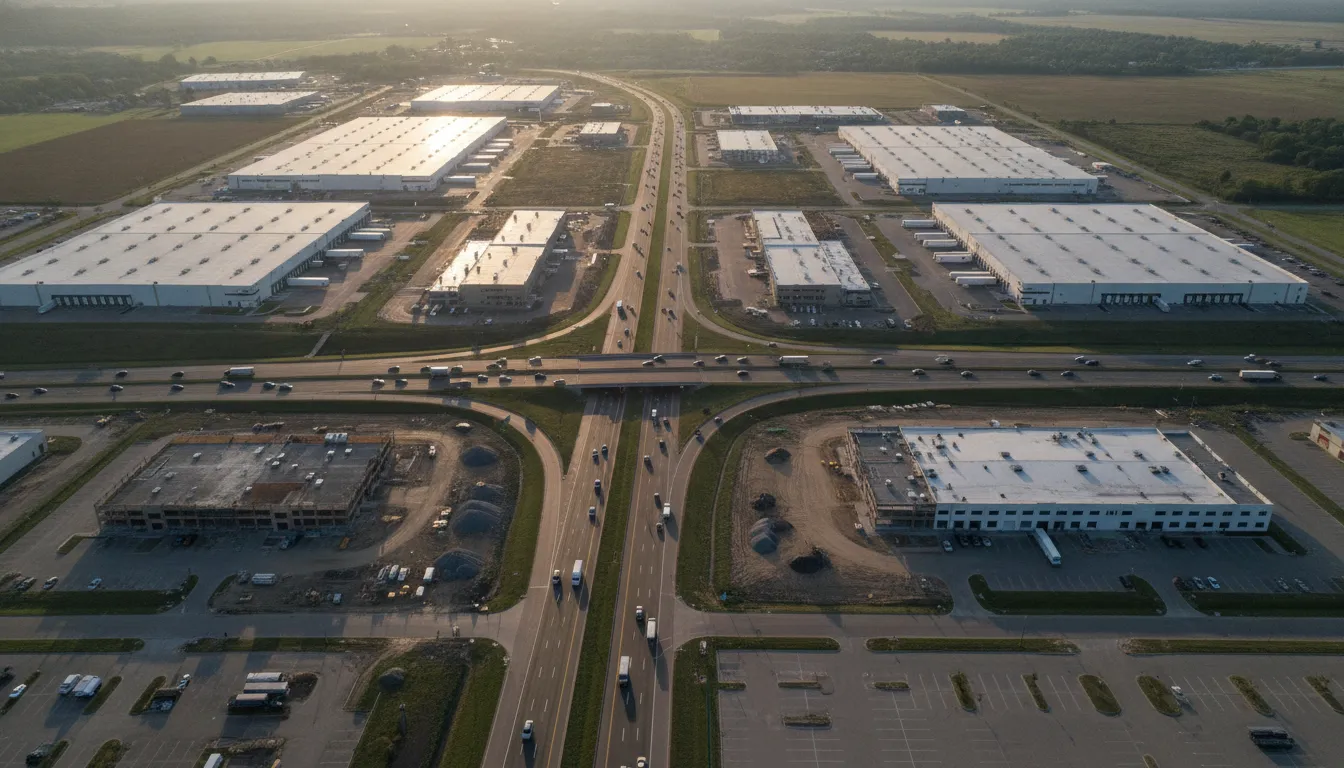
The bottom line: Public bid boards only list projects after plans are set, meaning builders who rely on them are often too late to win high-margin private commercial jobs.
Many commercial builders in Indiana rely on old bid boards to find new work. These public tools and sites list a vast number of projects. For instance, some of the largest public bid-stage sites track more than 700,000 projects per year across the country. But these listings only appear after the project is public and the bid stage has begun.
Public tools often focus on public sector jobs or large state projects. While these are big, they also come with heavy rules and thin margins. Private commercial work is much more high-paying, but these projects do not follow the same public rules. If you wait for a private project to hit a public board, the deal is already over.
By the time a commercial project lands on a public board, the owner has already selected their favored team. The architect has drawn the plans, and the key specs are locked in. Competing for these jobs means entering a race to the bottom on price. This is reactive bidding, and it leaves very little room for high profit margins.
| Factor | Bid-board-only tools | Early-stage construction intelligence |
|---|---|---|
| When a project appears | After plans are set and the bid is public | Up to 3-6 months before the public bid |
| Type of work surfaced | Mostly public and large state projects | Private commercial projects and higher-margin builds |
| Owner access | Usually too late to build a relationship | Time to shape specs and earn a trusted partner role |
| Competition | Many firms racing on price alone | Far fewer competitors in early conversations |
To win the best private projects, you must get in before the public bid. Finding these jobs three to six months early gives you a major edge. It lets your firm build strong ties with owners before they hire anyone else. You can help shape the design and guide the project specs to fit your team's strengths.
Building an early bond means you are not just another name on a bid sheet. You become a trusted partner to the owner. This spot helps you to offer design-build ideas that can save the owner money while protecting your fee. When the time comes to sign a contract, you are the only real choice.
This early approach is key in a growing market. According to the state's annual economic analysis report, Indiana added 10,846 private sector jobs from 2023 to 2024 as spending expanded. To capture this growth, builders must look past public boards. You can beat the rush by spotting early opportunity signals in local data.
Finding these leads early needs looking at the very start of the project lifecycle. Modern tools make this possible. By gathering permit filings, rezoning requests, and land title transfers, a platform can find projects long before they are public knowledge. This is how you find private commercial projects before they reach a public bid.
To win these high-margin private jobs, teams need focused construction market intelligence indiana firms can use to track local planning data. This software helps builders find real-estate deals, plan reviews, and permits. Instead of waiting for a public RFP, you can reach out to owners directly. This active approach keeps your pipeline full of high-value work.

In short: Local public records show commercial intent long before crews break ground. By tracking permits, title transfers, and rezoning filings, you can spot private jobs before they hit public bid boards.
Commercial construction in the state is growing fast. To win high-margin work, general contractors need to find jobs before their rivals do. Using a construction project intelligence platform helps you track early moves. These moves happen in the planning phase, far before the build starts.
A building permit is a clear sign that a builder wants to build. In Indiana, these local filings serve as a major leading sign. They often predate groundbreaking by months or even years. When a builder submits a permit, they reveal their project scope and timeline before most other firms know the job exists.
For example, massive new data centers are a major driver of market gains in the local economy. These large builds require early power and foundation permits. If you track these local filings early, you can find the owners and start making contacts. You do not have to wait for public bid boards to post the job.
Tracking these permits also helps you see who else is on the job. You can find the local engineers, architects, and specialty trade partners. This data helps you map the full project team before the main bid is announced. You can then align your bid with their past work.
Property title transfers are another vital sign. When a builder buys land, the transfer of the title is recorded in county files. These records reveal land buys during the very early planning phase. Spotting these sales tells you which sites are being prepped for new commercial use.
Private builders often buy land under generic business names. But a smart team can trace these buyers back to their parent firms. This step lets you find the true project owners. You can then send a warm note before any public plans are drawn.
Land deals are a clear sign of commercial intent. When builders buy land, they must transfer the title to their local entity. Tracking these deals lets you find the key contacts. You can connect with land planners and local leaders who know the site plans.
Rezoning requests are also critical for tracking large-scale commercial development. Most commercial projects require local boards to change land use rules. These requests show up in city filings before design plans are set. Tracking them gives you a major advantage over other builders.
Indiana saw a massive private sector job gain of 10,846 in recent years. This growth drives a high demand for new retail, warehouse, and office space. When you see a rezoning request, you know a big build is coming. You can pitch your services to the developer when they are still open to new partners.
Rezoning meetings are open to the public. But most builders do not have the time to sit through county board hearings. A smart data tool pulls these rezoning filings into a single dashboard. This lets you scan the whole state for new commercial zones in seconds.
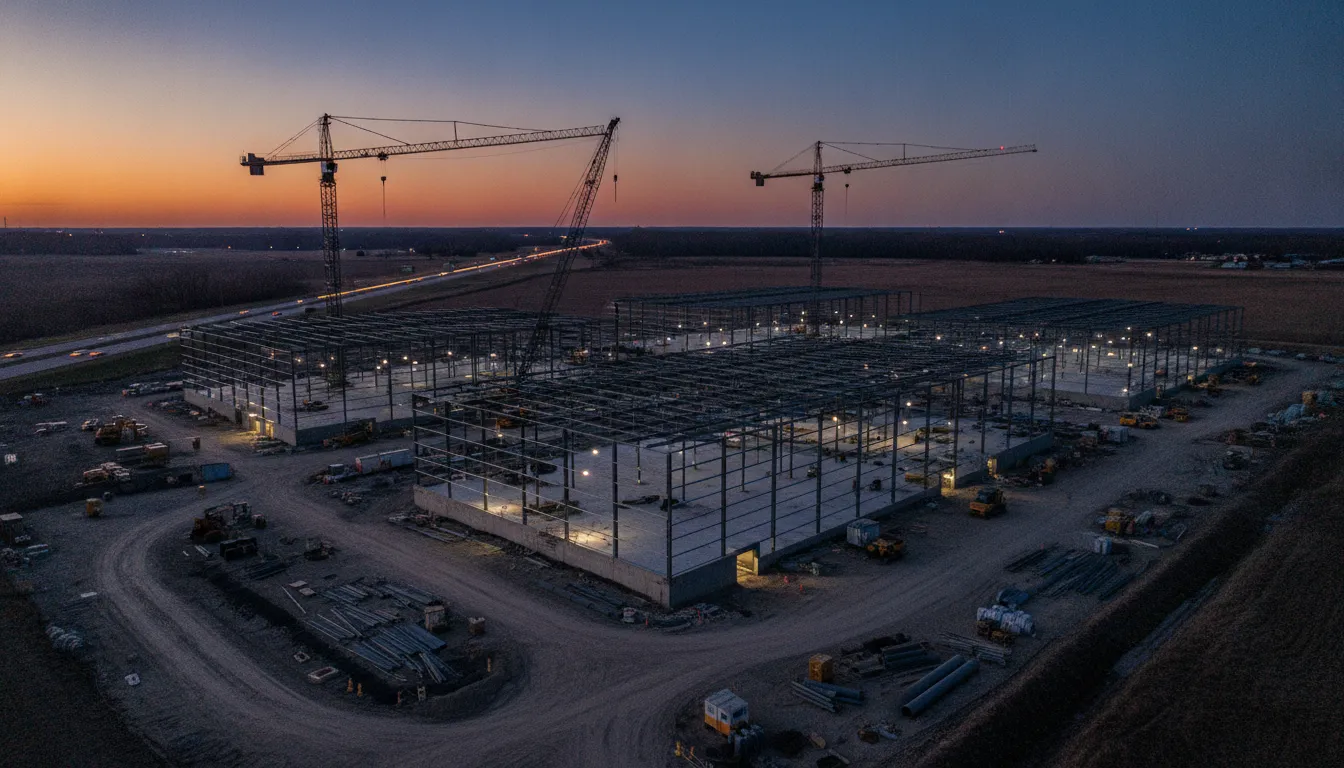
The bottom line: Commercial construction projects involve many stakeholders, but network insights map these players early so your team can build warm relationships before the public bid.
Data alone does not win contracts. Indiana added 10,846 private sector jobs in recent years, a growth trend shown by the Indiana Department of Workforce Development. Total private jobs in the state reached 2,780,372 during that time. This means more commercial projects are hitting the market.
But knowing a project exists in Indy is only the first step. You must find who is running the build. Without deep context, raw permit data is just a long list of random names. It will not help you reach the key buyer.
Many sales teams spend hours searching through PDF permit files or town hall minutes. They find a project address but have no idea who the owner is planning to hire. This blind approach wastes time and leads to cold calls that go nowhere. To win, you need to connect the dots between the land, the owner, and the build team.
Commercial construction projects are complex, involving many different players. Modern intelligence data allows teams to map out the network of architects, engineers, and general contractors involved in a project. This serves as a construction project intelligence guide for your sales team.
Instead of cold calling an owner, you can reach out to an architect you already know. This warm path builds trust fast. In fact, teams using this style of network mapping see up to 60% faster qualification for new leads.
Think of it as a map of past work. If a certain general contractor in Indy always works with the same steel supplier, that is a pattern you can use. You can see these links before you ever make a call. This insight lets you approach the right person with a warm intro from a partner they already trust.
Waiting for public bid boards means you are already too late. But finding private projects early allows you to build solid links with owners before your rivals. You can then influence the specs of the build.
It leads to 40% more efficient pipelines because you focus only on high-value fits. When you know the history between the owner and the builder, you can pitch your services with clear context. You become a partner, not just another bid.
Private projects are where the best margins are. When you get in early, you do not have to compete on price alone. You can show the owner how your team solves their specific problems based on your past builds. This moves the talk away from cheap bids and toward real value.

In short: Indiana's commercial growth follows clear local lines. Indianapolis serves as the main hub, while the Interstate 65 and Interstate 69 corridors guide factory and logistics growth. Spotting these trends early with construction market intelligence indiana helps you find private projects before other firms do.
Indianapolis is the main business hub in the state. Large business offices, retail hubs, and public projects start in this city. For big firms, finding work here means watching city permits and land sales. A solid construction project intelligence guide can help you track these active city projects.
When a market grows, speed is key. Indiana saw a private sector job gain of 10,846 from 2023 to 2024. This growth means more local business projects are in the pipeline. Contractors must watch these job gains to see where new offices and retail spaces are needed. This data shows which counties are growing the fastest.
The areas outside the main city also hold major value. Long highway paths like Interstate 65 and Interstate 69 are driving a lot of new growth. These paths connect the state's main hubs and make it easy to move goods. Many firms build new offices and business parks near these highway exits. If you watch these paths, you can find projects before they are built.
When you look at highway hubs, you see a clear pattern. Local towns often change zone rules near these roads to allow big retail or business sites. Knowing about a zoning change early gives you a big head start. You can reach out to the site owner before they hire a designer. This early step helps you win the job without facing a tight bid war.
Indiana is one of the top states for logistics and moving goods. Because of this, warehouse and shipping sites are popping up everywhere. Firms need huge plots of land with easy road access. This demand keeps the local market strong. Using smart data helps you see which logistics firms are buying land now.
Along with logistics, tech building is booming. High demand for data center and artificial intelligence capabilities drives huge market gains in the state. These projects need massive power, water, and skilled construction teams. Spotting these site plans early helps you build trust with the owners. Using construction market intelligence indiana ensures you do not miss these high-value large bids.
The bottom line: Spotting private projects three to six months early lets your team build owner relationships. You can then help shape specifications before bids open.
How do top commercial builders win high-margin work in a busy market? They do not wait for public bid boards. Relying on public leads means you compete with dozens of other firms on price alone. To win more profitable jobs, you must find them before your competitors do. Modern early opportunity signals for new construction make this possible by tracking project planning stages from day one.
Most private commercial projects start months before any dirt moves. A developer first looks for land or seeks a zoning change. These early moves leave paper trails in local records. A strong construction project intelligence guide shows how platforms pull these trails together. By pairing land sales with rezoning filings, builders can spot new builds three to six months before an RFP goes out. This early window is when you can reach decision makers before they form a short list of builders.
State reports show that Indiana gained 10,846 private sector jobs from 2023 to 2024, according to Hoosier by the Numbers. This growth drives new office, retail, and warehouse builds across the state. Finding these jobs during the planning phase gives your team a massive head start.
When you find a project early, your business development team can take action. They do not have to bid blind. Instead, they can reach out to the owner while the design is still fresh. This allows you to talk about your past work and show your team is the best fit for the job.
Using construction market intelligence indiana platforms helps you map out key partners like local architects and engineers. Knowing who is on the design team lets you build trust early. You can ask about project goals and suggest ways to save money before the plans are locked in. This proactive style turns cold leads into warm sales.
The main goal of early detection is to help shape the project specifications. When you get in before the RFP, you can suggest specific materials or build methods. If the owner adopts your ideas, the final bid documents may favor your team. This makes it hard for late-stage competitors to beat your bid on price alone. You become a trusted partner rather than just another name on a spreadsheet.
Also, early spotting lets you qualify projects before spending time on them. You can check if the developer has solid funding and a good track record in Indiana. If the build seems risky, you can pass on it early. This keeps your business development team focused on the highest-value opportunities.
No, the state market remains strong. The Indiana State Budget Agency reports that while high supply costs create some headwinds, investments in data centers drive major growth. This activity is backed by strong hiring. State reports show Indiana added 10,846 private jobs in a single year to reach over 2.7 million total private workers.
To find private jobs early, look for early clues instead of waiting for public bid boards. Platforms like Mercator.ai collect local permit filings, rezoning requests, and land title transfers. Checking these data points reveals when developers buy land or plan new builds. This gives you a three to six month lead. You can build ties with owners and shape plans before rivals know the project exists.
While major national firms lead some projects, local network data is the best way to find active firms. Instead of looking at old lists, you can use network insights to map out active architects, engineers, and general contractors in real time. This shows you who is winning bids and building teams. You get a clear view of the busiest builders in the state.
When you rely on public bid boards to find work, you always face fierce competition and thin profit margins on every local project. Other builders are already talking to the project owners and helping them shape the design specs while you wait for public notices. You cannot afford to lose high-value private jobs because you lacked early market data. By starting your search with early data today, you can build vital connections before your rivals even know they exist.
Ready to get started? Book a live demo to see how Mercator AI surfaces private commercial projects across Indiana before they hit the bid boards. See what you have been missing.


.png)