
Case Studies


Waiting for commercial projects to reach public bid boards in Indianapolis is a slow path to low margins. By the time a job is posted, the winner has already been chosen through handshake deals. Building a strong backlog needs finding projects months before they go to bid.
Book a live demo to see active private projects before they hit the bid board.
Finding construction project leads Indiana general contractors can convert into good backlogs needs watching early stage commercial projects in local markets. Instead of waiting for public bid boards to publish jobs, smart builders track local building permits, city rezoning filings, and early property sales. This early tracking reveals private commercial projects three to six months before they go to other firms on public plan rooms. While public jobs are easy to track through state offices like INDOT Capital Program Management, the best private work is won through local relationships. This clear guide shows how to use live construction intel to shift from reactive bidding to negotiated deals and win better contracts.
How do you shift your sales team from chasing cold bids to finding these early projects? The answer lies in knowing the flaws of old bid boards and why reactive bid-board hunting is costing Indiana contractors work. And the first step toward a stronger backlog is understanding exactly what you are giving up on the bid board.
Many commercial construction firms in Indiana still find their work by checking public bid boards every morning. They scroll through lists, download blueprints, and rush to submit a price. This is a slow way to do business. When you wait for a project to show up on a public board, you are already late to the game.
Many firms struggle with identifying early construction leads, relying instead on stale public postings. By the time a project reaches the formal public bid boards, it has already been planned for months. For example, public projects managed by the Indiana Department of Transportation (INDOT) undergo deep design reviews and constructability checks long before they are listed.
Public bid boards only show projects that are ready for construction. By this point, the owner has already spent months planning the build. They have worked with architects to draft the plans and set the budget. Many times, they already have a short list of preferred builders in mind. If you are just finding the project now, you have missed the chance to know the owners. You cannot offer value engineering, suggest cost-saving methods, or shape the design. You are simply a number on a page, bidding on price alone.
When a lead is public, everyone can see it. That means you are bidding against dozens of other contractors. This crowded race turns the bidding process into a race to the bottom. To win the work, you are forced to cut your margins. This leaves your firm with little room for error. A single material delay or labor issue can wipe out your entire profit. This high-risk, low-reward cycle makes it hard to grow your business or invest in your team.
The jobs that pay the best are often negotiated directly before a public bid is ever posted. Private owners prefer to work with partners they know and trust. By building trust early, you can win sole-source or negotiated contracts. These jobs come with better margins and less competition. But you cannot build these relationships if you only look for construction project leads indiana lists on public boards. To escape this race, commercial contractors use construction project intelligence to find jobs during design phases.
In short: Waiting for public bid boards forces Indiana commercial contractors into a reactive cycle of late discovery, intense competition, and razor-thin margins. Winning firms bypass this trap by tracking opportunities months before they go to bid.
When you are finding construction project leads early, starting with public sources in Indiana is a common first step. State and local agencies post public works, road upgrades, and building jobs on open portals. These listings let you view projects that are funded and ready for bids.
In short: Public construction project leads in Indiana are found on state portals like INDOT and the State Budget Agency. These sites list funded works, but the design is often finished before they hit the bid boards.
A large share of state-level construction work flows through the Indiana Department of Transportation (INDOT). For major road projects, INDOT relies on its Capital Program Management division. This group plans out big transportation upgrades and handles design goals.
Before a bid goes out, the state runs constructability reviews to check package quality. This process spots design issues early. It keeps project plans on track and shows contractors how the state wants to build its public infrastructure.
To find these leads years in advance, you can look at the State Transportation Improvement Program (STIP). This five-year plan lists all funded transportation projects in Indiana. Checking the STIP lets you see highway and transit plans before they go out for bids.
Non-road public builds are tracked by other state groups. The Indiana State Budget Agency manages state funds and capital spending. Their office publishes the state budget. This budget includes the State Construction Fund.
This fund supports builds for state parks, prisons, and public offices. Reading this budget shows you which sites will get upgrades. You can track down leads early. This helps you find projects before they go out as open public requests.
Large public builds also need complex planning. The state often uses public-private agreements for big infrastructure jobs. For instance, the state used a special request process for the Safer Drive 65 project. These deals combine design and build tasks into one contract.
Local public leads are often posted on city and county portals. Many Indiana cities use their own buying portals to list open bid requests. School districts and county boards also use these local sites to find contractors.
You can also use online plan rooms to search for active public bids. Many local builders use these sites to find jobs and download project plans.
Some platforms like PlanHub are popular for subcontractors who need local bid files. These public boards let you view project documents and submit bids. But by the time a job is on these boards, the design is already complete. That means you are competing on price alone, which can hurt your profit margins.
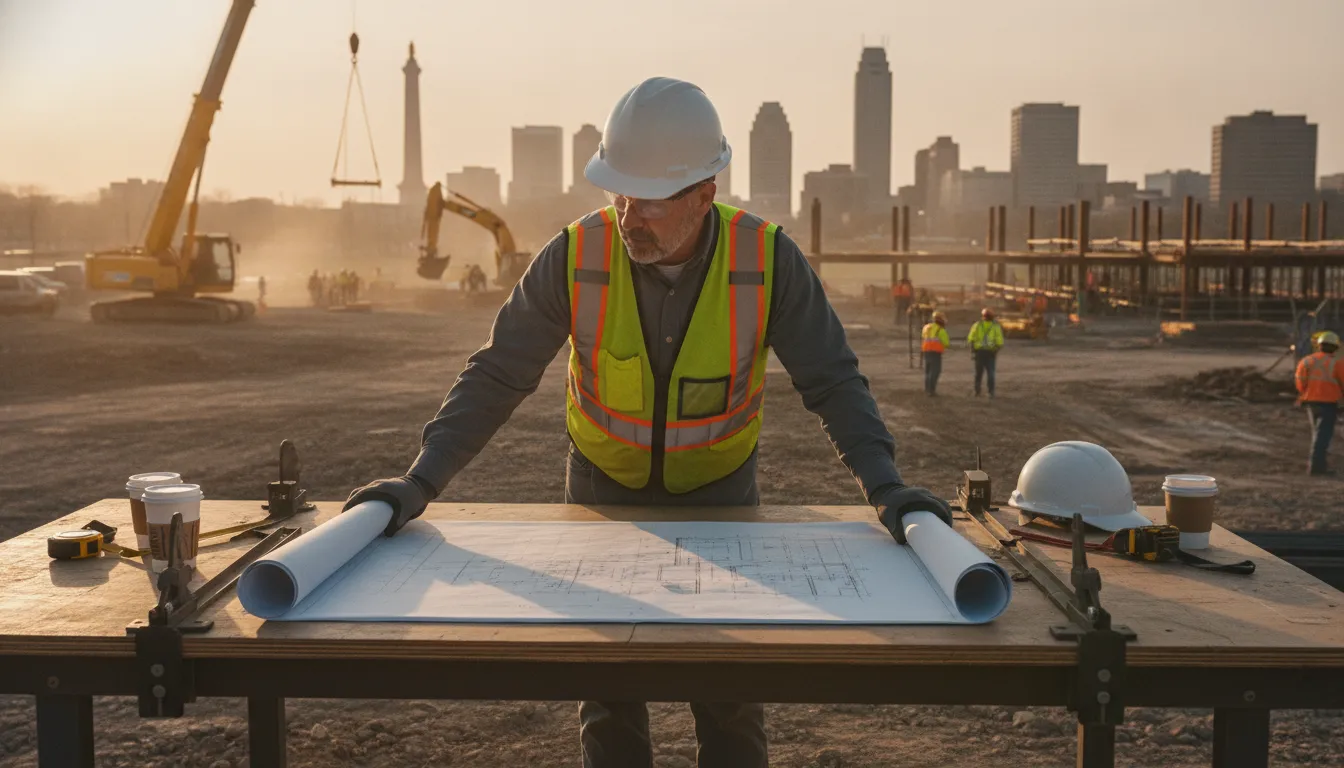
In short: Private construction work does not start with a public bid request. Finding these leads early needs you to track local planning signals. You must watch building permits, land rezoning, and property sales before other firms even know a project is planned.
Public bid boards only show projects that are ready for construction. By the time a project hits these boards, prime builders have already formed teams and agreed on terms. Winning private work needs you to spot early stage construction leads in local records. Local governments track these plans months before any dirt is moved.
These local signals come in several forms. You must track local building permits, land rezoning requests, and title transfers. Property sales and land use filings are also key. When a developer buys land or asks to change its zone, they plan to build. Tracking these early papers gives you a lead of three to six months over other firms.
The ongoing data center boom is a clear example of how private work shapes the region. Large tech firms are investing billions of dollars here. For instance, Google is building a new two-billion-dollar data center in Northeast Indiana. At the same time, Meta has started on an eight-hundred-million-dollar campus in the state. These massive private projects create a huge wave of work for local contractors.
These big builds do not just appear on public bid boards overnight. They start with quiet land buys, power plans, and local permits. If you only wait for public bids, you will miss these private deals. To win high-value construction project leads indiana has to offer, you must find these signals before the design phase is done.
Finding these projects early lets you build strong ties with key players. By meeting with developers, architects, and owners before they choose their building partners, you can stand out. This early contact often leads to direct bid invites. You also get to help shape the project budget and scope to protect your profit margins.
Using proactive data instead of waiting for public bid boards is the best way to grow your backlog. When you track private signals, you stop reacting and start leading. Focus on these main sources to stay ahead:

In short: Local firms can find private plans three to six months before public boards list them. Teams track permits. This early window lets general contractors build relationships before others know the work exists.
Even private plans must clear local oversight before work starts. State groups like the Indiana Economic Development Corporation track major private developments long before ground breaks. For smaller plans, local boards handle filings. BD teams must watch these local boards to catch plans early. Tracking these municipal records is a proven method for finding early construction project leads in Indiana.
These early records are public but can be hard to track manually. Most general contractors lack the time to scan dozens of local county offices every week. As a result, they miss the window when relationships are formed. By the time a project is listed on a public board, the owner has often already chosen a preferred partner.
Finding a project during the planning stage gives your firm a major head start. During this three to six month window, project owners are still refining their budgets and design details. If you connect with them now, you can offer helpful tips on materials. This shows your skill before bids are even drafted.
This approach leads to direct contracts with higher profit margins. Rather than fighting in a race to the bottom on price, you become a trusted guide. This is how top firms in Indiana secure a steady stream of work without using open bids.
BD teams can follow a simple process to turn raw land and permit data into active opportunities:
Finding a project early changes how you win work. Instead of fighting on price in open bids, you can talk directly to owners. This early contact builds trust. It also helps you secure the work on better margins.
See which private Indiana projects are worth your BD time with a live demo.
In short: While bid boards list projects that are ready to build, early detection lets you find work months before it goes public. This timing gap changes how you sell, how much you spend, and the margins you can secure on each project.
Public bid boards only show projects when the plans are done. For many general contractors, this late notice makes it hard to build real trust. You are forced to compete on price alone with dozens of other firms. State sites like the Indiana State Budget Agency list public plans, but private commercial work is different.
Finding private work early gives you a three to six month lead time. You can find these leads through property sales and permit filings before they go to bid. This early start helps you talk to owners before other firms even know the project exists. If you want to grow, finding the best construction project leads indiana has to offer needs an early start.
| Criterion | Reactive Bid Boards | Early Private-Project Detection |
|---|---|---|
| Timing and lead time. | Late notice, plans are already done. | Three to six months before bids open. |
| Competition intensity. | High, often competing with dozens of firms. | Low, sometimes you are the only bidder. |
| Margin potential. | Low margins due to price-driven bidding. | Higher margins through negotiated contracts. |
| Relationship leverage. | None, transaction is purely based on cost. | High, allows you to build early trust with owners. |
| Cost and time to qualify. | High cost, low win rates on public boards. | Low cost, 60% faster lead qualification. |
When you find projects early, you can secure negotiated contracts. These private deals often have much higher profit margins than public bids. Instead of competing with twenty other firms on a thin margin, you work directly with the owner. This trust lets you solve design problems early and build long-term value.
Using real-time data makes your pipeline far more active. AI tools help you focus on the right leads instead of chasing cold bids. This shift leads to 3x more early project discovery and a 40% more efficient BD pipeline. By identifying early construction leads, you stop chasing low-margin work and start winning the right deals.
Chasing public bids takes a lot of time and prep hours. Most of this time is wasted because win rates on public boards are very low. With early data, you get 60% faster lead qualification. You can find key project owners and check details in minutes, not days. This keeps your team focused on bids you can truly win.
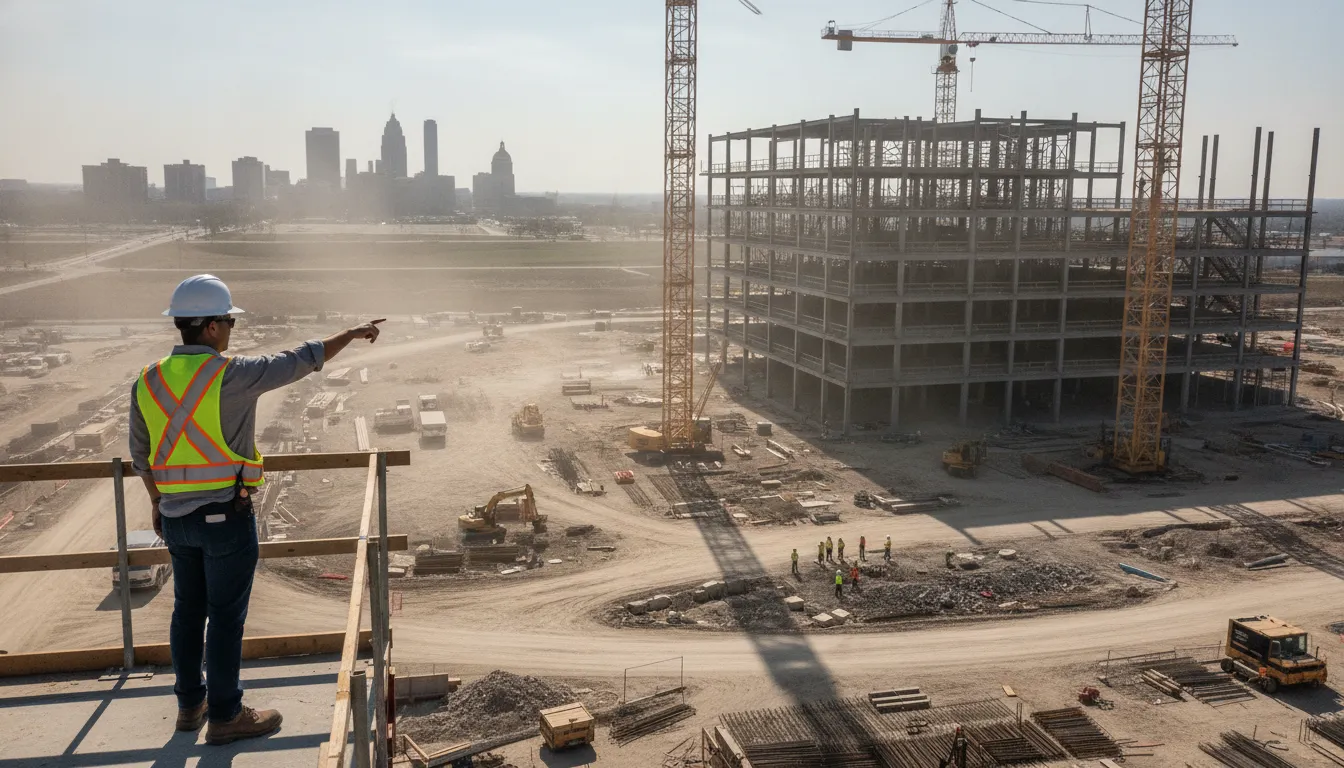
In short: AI construction intelligence gives local builders a three-to-six month head start on private projects by finding leads before they hit public bid boards.
Finding construction project leads indiana builders can bid on is often a reactive process. Many firms wait for public bid boards, but the best private work is found much earlier. Real-time AI tools track more than 65,000 active private commercial jobs. They find these projects three to six months before they go to bid by scanning local data like permits, rezoning filings, and land sales.
While state agencies track public projects, private jobs require a different approach. For instance, you can track state roads through the INDOT Capital Program Management system, but private commercial work stays hidden without AI.
Waiting for public bid boards often means competing against dozens of other firms, which drives down profit margins and wastes valuable estimating time. In contrast, AI construction intelligence allows you to focus on private commercial projects that are not yet public knowledge. By tracking municipal records, you can find projects when they are still in the planning phase. This gives you time to meet with developers and architects to secure your spot on the bid list.
Finding jobs early is only the first step. You also need to qualify them fast so you do not waste time. AI-driven construction project intelligence helps your team filter out bad leads quickly.
For general contractors and subcontractors, early project data provides a crucial edge. When you know about a private commercial build before it goes to bid, you can reach the owner first. This allows you to build a relationship before your competitors even know the project exists. You can help shape the project scope and budget, which often leads to sole-source negotiated contracts rather than tight-margin public bids.
In Indiana, building trust with local project owners is the best way to grow your business. When you use AI to find early leads, you can reach out with a helpful, advisory approach. Instead of just asking for a job, you can offer real value early to stand out as a preferred partner. By the time other contractors find out about the build, you already have a strong foot in the door.
Book a live demo today and see which private Indiana projects you can start winning now.
To find private construction project leads in Indiana early, you must track early market signals. GCs can find these by watching local building permits, rezoning filings, and property sales before they hit public bid boards. Platforms like Mercator.ai use AI to compile these signals. This lets you discover private commercial jobs three to six months before other builders.
Yes, you can find free public leads through state portals. The Indiana Department of Transportation lists funded road and bridge work in its state improvement program. You can also review state capital funds through the Indiana State Budget Agency website. These sources are free but only show public projects that are already planned.
Contractors can find public leads when the state releases its plans or budgets. For private jobs, early tracking lets you find leads three to six months before public bid boards list them. This early stage is when owners seek designers and general contractors. Finding these leads early lets you build relationships and win negotiated contracts before the bidding starts.
Subcontractors can find commercial leads through public bidding portals, local builders exchanges, or bid management sites. Platforms like PlanHub are popular for finding active subcontractor jobs. However, the best way is to partner with general contractors early in the planning phase. This helps you get direct invitations to bid before the project is widely advertised.
Many large construction project leads in Indiana are in the tech and industrial sectors. For example, Google is building a two billion dollar data center in Northeast Indiana. Meta is also building an eight hundred million dollar data center campus in the state. Finding these major projects early needs tracking of local land sales and power grid filings.
If your firm waits for public bid boards to find work in Indiana, you are already missing out on the best local construction projects. Waiting for public bids means you must compete with dozens of other contractors on price, which destroys your profit margins. Our guide on finding early-stage construction project leads in Indiana explains how early tracking helps you win private work first. This proactive step allows you to position your firm as the obvious partner for the job. Finding these projects early gives you a three to six month lead time to build strong relationships with owners before anyone else.
Ready to book a live demo? Book a live demo today to track active private projects before they go to bid.


.png)