
Case Studies


If you drive along any major highway, you’ve seen them: massive, modern buildings that seem to pop up overnight. This isn't a coincidence; it's a construction boom fueled by our demand for next-day delivery. The rise of e-commerce and the need for more resilient supply chains have created a surge in demand for these specialized facilities. For general contractors, subcontractors, and suppliers, this translates into a massive, high-value opportunity. But these aren't simple warehouses. Understanding the unique demands of distribution center construction projects, from their high-tech infrastructure to their complex operational layouts, is the key to successfully tapping into this growing market.
A distribution center construction project involves designing and building a specialized facility that acts as a central hub for moving products. Think of it as more than just a big, empty building. These are highly strategic assets designed for one primary purpose: getting goods from the manufacturer to the end customer as quickly and efficiently as possible. From the foundation to the roof, every element is planned to support a constant flow of inventory.
As online shopping continues to reshape retail, the demand for these facilities has skyrocketed. Companies need more space to store products and fulfill orders, creating a massive opportunity for general contractors, subcontractors, and suppliers. These projects are complex, often involving advanced technology, specific layouts, and robust infrastructure to handle high volumes of traffic. Understanding what makes these projects unique is the first step to tapping into this growing market. Let’s break down their specific role and how they differ from a traditional warehouse.
Every time a customer clicks “buy now,” they set in motion a series of events that relies heavily on a well-oiled supply chain. Distribution centers are the heart of this process. They are the critical link between production and the final delivery, ensuring products are sorted, organized, and shipped out to meet tight deadlines. With consumer expectations for next-day or even same-day delivery, the pressure is on for companies to optimize their logistics. This has fueled a construction boom, with billions of dollars being invested in new distribution centers across the country. For construction professionals, this means a steady stream of high-value projects driven by the unstoppable growth of e-commerce.
While the terms are often used interchangeably, a distribution center and a warehouse serve very different functions. A standard warehouse is built for long-term storage. Think of it as a holding area where goods sit until they are needed. A distribution center, on the other hand, is all about movement and speed. It’s designed for rapid turnover, where products arrive in large quantities, are quickly sorted, and then shipped out in smaller orders to retailers or directly to customers.
This fundamental difference impacts the entire construction process. The layout and operations of a distribution center are optimized for flow, featuring numerous loading docks, advanced sorting systems, and specific zones for receiving, picking, and packing. It’s less about maximizing storage space and more about maximizing throughput.
If it feels like you’re seeing more distribution center projects pop up, you’re not wrong. The demand for these massive, high-tech facilities has surged, creating a steady stream of opportunities for contractors and suppliers. This isn't just a random spike; it's a shift driven by fundamental changes in how we buy and sell goods. For construction firms, this means more than just new buildings. It means a new type of client with very specific, technology-forward needs.
Understanding these drivers is key to positioning your business to win these projects. The boom comes down to three main factors: the unstoppable growth of online shopping, the urgent need for more resilient supply chains, and the simple fact that successful companies are expanding into new regions. By getting a handle on why these projects are being commissioned, you can better anticipate your client's needs and speak their language, giving you a real advantage when it's time to bid.
The biggest driver behind the distribution center boom is the massive shift to online shopping. With a simple click, consumers can order almost anything and expect it on their doorstep in a day or two. To make that happen, companies need a sophisticated network of facilities to store, sort, and ship products. This has led to a construction surge, with the U.S. currently home to $9 billion worth of new warehouses and distribution centers under construction. These aren't just simple storage sheds; they are complex projects that require specialized expertise to accommodate robotics, automation, and high-volume logistics.
Recent global events have shown just how fragile supply chains can be. A single disruption can cause a ripple effect, leading to delays and empty shelves. In response, companies are rethinking their logistics strategies. Instead of relying on a few large, centralized warehouses, they are building out networks of smaller, regional distribution centers. This "hub-and-spoke" model allows them to hold inventory closer to customers, reducing shipping times and creating a buffer against disruptions. This focus on strategic warehousing makes the entire supply chain more resilient, and it directly translates into more construction projects across the country.
As companies grow, they naturally expand their reach into new geographic markets. To serve these new customers effectively, they need to build local distribution infrastructure. This is especially true in high-growth areas where population and economic activity are on the rise. For example, recent reports show hundreds of new planned industrial projects in the distribution industry, with Texas leading the pack. For local general contractors and subcontractors, this trend represents a massive opportunity. By identifying these projects early, you can build relationships and get your services specified before the competition even knows a project exists.
A successful distribution center project starts long before the first shovel hits the ground. Thorough planning is your best defense against budget overruns, project delays, and operational headaches down the line. This phase is all about defining your project's DNA, from where it will be located to how it will function day-to-day. By thinking through the details upfront, you can create a clear roadmap that guides every decision, from the architectural design to the technology you install.
A solid plan considers five key areas: the site itself, the building's size and internal layout, the technology that will run it, how trucks and goods will get in and out, and the permits you'll need to get started. Each piece is connected. For example, your layout will influence the building's size, and the site you choose will impact transportation logistics. Getting these elements right from the beginning ensures the final facility not only meets your client's current needs but can also adapt to future growth. It’s about building a strategic asset, not just a structure.
Choosing a location is more than just finding an available plot of land. Proximity to highways, ports, and customers is crucial, but the best planners also think from the inside out. A smart approach is to design the material handling system first and then build the warehouse around it. This ensures the facility’s layout perfectly supports its core function: moving goods efficiently. For instance, an automated system with tall racking might mean it’s more cost-effective to build a taller building with a smaller footprint. This focus on distribution center design concepts helps optimize the entire operation before you even break ground.
The right size and layout depend entirely on the facility's intended use. To get it right, you need to work with your client to answer a few key questions. How much product will be stored at any given time? How many employees will be working in specific areas? What is the expected volume of daily orders? The answers to these questions provide the data needed to design an optimal warehouse layout. A qualified construction partner uses these metrics to map out everything from storage zones and packing stations to employee break rooms, ensuring a safe and productive workflow.
Modern distribution centers are powered by technology. From inventory management to order fulfillment, the right tech stack is essential for efficiency and accuracy. When planning your project, it's important to incorporate a robust tech infrastructure from the start. An integrated, cloud-based construction management solution ensures the entire project team has real-time access to shared data, keeping everyone on the same page. This digital foundation not only helps during the construction phase but also sets the stage for the advanced warehouse management systems (WMS) and automation tools the facility will use once operational.
The flow of goods doesn't stop at the property line. Efficient transportation and site access are critical for a high-functioning distribution center. Think about the path a truck takes from the highway to the loading dock and back. To keep things organized and secure, it’s best practice to have separate areas for receiving and shipping. Some of the most efficient facilities place these docks on opposite sides of the building. This design prevents congestion, reduces the risk of errors, and creates a smooth, circular flow of traffic on the site.
Working through local regulations and permits is one of the most critical steps in the planning phase. Every municipality has different zoning laws, building codes, and environmental standards that can significantly impact your project's timeline and budget. Understanding these requirements early is essential for avoiding costly delays. You can use tools like Mercator’s Free Permits App to track permit activity in your area. Proactively addressing these compliance requirements ensures your project moves forward smoothly and avoids any unwelcome surprises from local authorities.
Building a distribution center is a marathon, not a sprint. Each project moves through several distinct phases, from the initial sketch to the final key handover. For general contractors, subcontractors, and suppliers, understanding this timeline is crucial for identifying where you fit in and when to engage. Knowing the key milestones helps you anticipate needs, manage resources, and ultimately, contribute to a successful build. Let's walk through the four main phases of a typical distribution center construction project.
This is the foundational planning stage where the vision becomes a viable blueprint. Architects and engineers work with the client to map out every detail, focusing on operational flow. The goal is to create a layout that can enhance business operations and promote both safety and productivity. This phase involves site analysis, zoning approvals, initial budgeting, and creating detailed construction documents. For contractors and suppliers, getting involved at this stage is a huge advantage. It allows you to provide input, build relationships, and position your services before the project even breaks ground, which is where early project intelligence from platforms like Mercator.ai becomes invaluable.
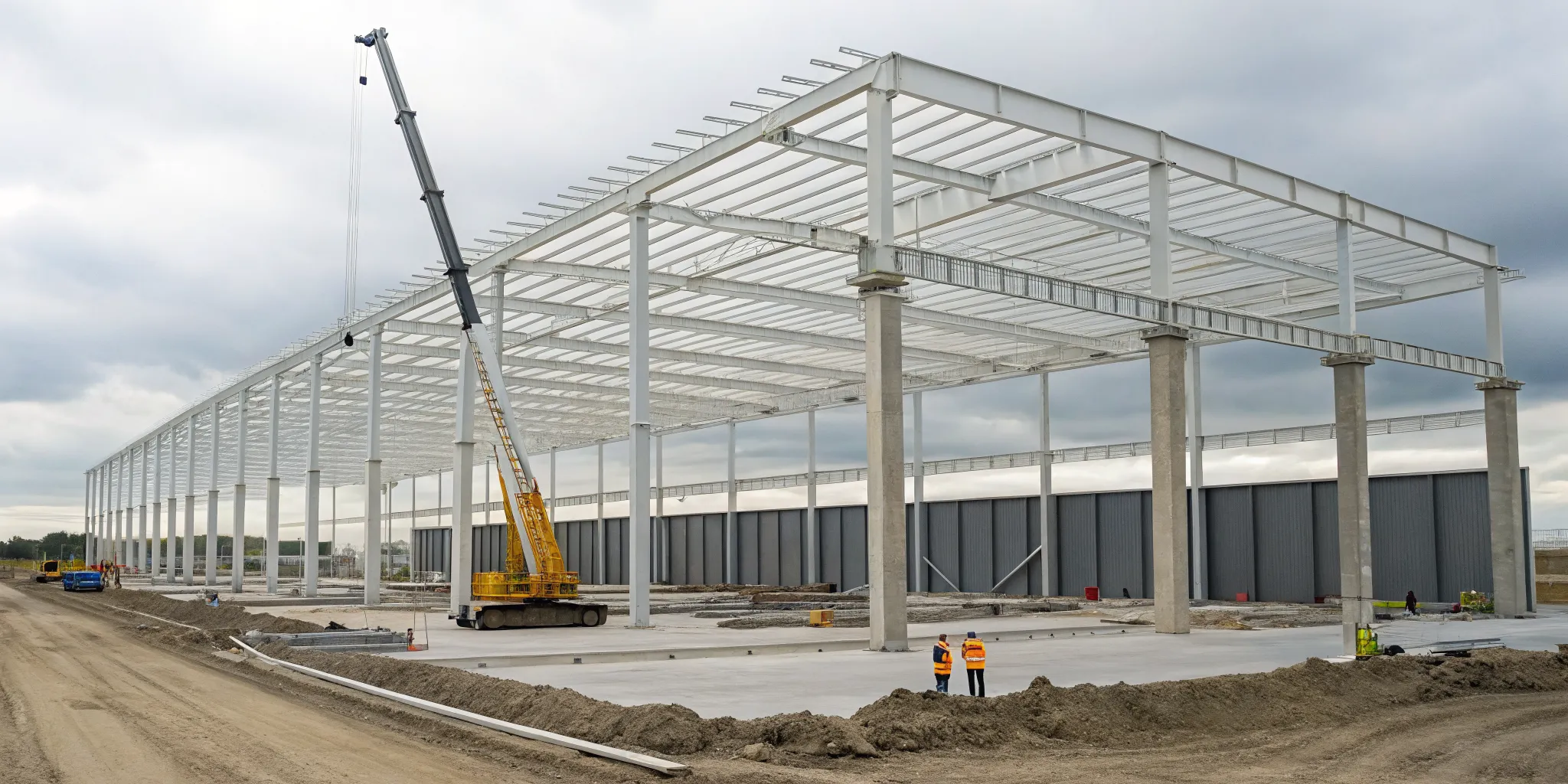
Once the designs are approved and permits are secured, it’s time to break ground. This phase is all about the physical structure. It starts with site preparation, excavation, and pouring the concrete foundation. Then, the building’s skeleton goes up, which is often a massive steel frame designed to support the facility's specific needs. A key consideration here is vertical space. Since modern forklifts can reach impressive heights, it's often more cost-effective to build taller than wider. This phase requires heavy machinery, skilled labor, and precise coordination to ensure the structure is sound, safe, and built to last.
With the shell in place, the focus shifts to bringing the building to life. This phase involves installing all the critical systems that make a distribution center function. This includes the basics like electrical, plumbing, HVAC, and fire suppression systems. But for these facilities, the real complexity lies in integrating specialized logistics equipment. Managing large-scale logistics projects, like installing miles of conveyor belts, advanced sorting systems, and towering pallet racks, demands incredible precision. This is where many specialized subcontractors play a vital role, ensuring all the technological components work together seamlessly to create an efficient operational hub.
The final phase is all about crossing the finish line. This involves completing interior finishes, landscaping, and paving, followed by a series of rigorous inspections to ensure everything is up to code. A punch list is created during walkthroughs with the client to address any remaining issues. Even with the best processes, it's critical to have the appropriate documentation ready for stakeholders and plan for any unforeseen events. Once all inspections are passed and the client is satisfied, the certificate of occupancy is issued. The project is then officially handed over, ready for the client to begin operations.
Even the most meticulously planned distribution center project can hit a few bumps. From materials not showing up on time to unexpected budget issues, challenges are part of the job. The key isn’t avoiding problems altogether, but knowing how to anticipate and manage them effectively. A proactive approach turns potential setbacks into opportunities to demonstrate your team's problem-solving skills and build trust with your client. By focusing on clear communication, smart planning, and strong relationships, you can keep your project on track and deliver exceptional results. Let's walk through some of the most common hurdles and the practical steps you can take to clear them.
Many construction delays start with a simple problem: the material or equipment you need isn't available when you need it. A single late delivery can create a domino effect, leading to idle crews, schedule disruptions, and rising costs. To get ahead of this, prioritize early procurement. As soon as you have a clear project scope, start locking in your materials and equipment. Building a network of trusted suppliers is also essential. When you have strong relationships, you can often find more flexible solutions. It’s also wise to have backup suppliers in your pocket, just in case your primary source faces an unexpected issue. Using a construction management platform can also help you track orders and manage inventory in real time.
Finding and retaining qualified labor is a persistent challenge across the construction industry. A shortage of skilled workers can slow down your project, compromise quality, and make it difficult to stay on schedule. The most effective way to address this is by becoming the contractor everyone wants to work for. Invest in your team through ongoing training and clear paths for career growth. Offering competitive pay and benefits is a given, but also focus on creating a safe and respectful job site culture. Building relationships with local trade schools and apprenticeship programs can create a steady pipeline of new talent. When your team feels valued and supported, they are more likely to stay with you for the long haul, bringing stability and expertise to every project.
Supply chain disruptions and labor shortages can quickly interrupt careful planning, leading to budget blowouts. The best defense is a detailed and realistic budget from the very beginning. This means accounting for every line item and building in a contingency fund, typically around 10%, to cover unforeseen expenses. Regular budget reviews with the project owner and key stakeholders ensure everyone is aligned and aware of the financial status. Using cost-tracking software helps you monitor expenses in real time and spot potential overruns before they become major problems. Getting ahead of projects with tools like Mercator.ai allows you to build more accurate bids and strengthen relationships with partners, leading to more predictable costs.
A distribution center project involves a large cast of characters: the owner, architects, engineers, subcontractors, and suppliers. Effective communication and collaboration among all these stakeholders are absolutely crucial for success. Without a clear communication plan, misunderstandings can lead to rework, delays, and friction. Start every project by establishing how the team will communicate, who is responsible for what, and how often you’ll meet. Daily huddles and weekly progress meetings keep everyone on the same page. Using a centralized platform where everyone can access the latest plans, documents, and updates prevents critical information from getting lost in email chains and ensures the entire team is working toward the same goals.
Effectively managing the challenges of labor, budgets, and supply chains comes down to solid project management. This is the framework that holds everything together. Start by adopting modern tech resources that streamline your workflows, from bidding to project closeout. Document every plan, change order, and decision thoroughly to create a clear record and maintain accountability. From the outset, communicate effectively to manage expectations with both your client and your team. By proactively identifying risks and developing mitigation plans, you can handle issues before they escalate. For more insights on industry trends and best practices, check out the Future of Construction Podcast for conversations with leaders shaping the industry.
Pinning down the exact cost of a distribution center is tricky because every project has unique needs. However, understanding the key cost drivers will help you create a realistic budget and guide your clients effectively. From the price of land and materials to the complexity of the technology inside, each decision impacts the bottom line. Let's break down the major expenses you'll need to account for.
As a starting point, the basic shell of a warehouse generally costs between $35 and $50 per square foot. For a simple 10,000-square-foot facility, that puts the initial construction cost somewhere between $350,000 and $500,000. Of course, this is just for the structure itself. This figure doesn't include the cost of land, extensive site preparation, complex foundation work, or interior finishing. Material choices, local labor rates in markets like Austin or Houston, and the overall architectural design will also cause this number to fluctuate. It's crucial to treat this as a baseline and build out a more detailed construction budget from there.
Modern distribution centers are far more than just big boxes for storage; they are sophisticated hubs of activity. The cost of technology and equipment can easily match or even exceed the cost of the building shell. Think about automated storage and retrieval systems (AS/RS), conveyor belts, advanced sorting machinery, and the software needed to run it all. The building's design must accommodate this tech. For example, many facilities are now built with clear stacking heights of 35 feet or more to support tall racking systems and specialized forklifts. Fully automated centers can be even taller, which impacts structural engineering and construction methods.
Smart design choices can lead to significant long-term savings. For instance, it's often more cost-effective to build taller rather than wider. Building up maximizes your use of the land footprint, which can reduce initial land acquisition costs. Taller buildings also allow for denser storage, improving operational efficiency. Modern forklifts can easily service racks up to 42 feet, while automated systems in North America can operate in facilities from 60 to 110 feet tall. By planning for vertical space, you help your clients get more value out of their investment, reducing their operational costs over the life of the building.
While the upfront investment is substantial, a well-designed distribution center offers a strong return on investment (ROI). With the continued growth of e-commerce, the demand for efficient storage and logistics space is higher than ever, making these facilities valuable assets. As a contractor, understanding your client's long-term business goals is key. Are they building to support their own growth or as a speculative investment? Knowing this helps you make recommendations that align with their vision for ROI, ensuring the final project doesn't just meet today's needs but also delivers value for years to come. Successful project outcomes often start with this kind of strategic alignment.
What's the biggest mistake contractors make when planning a distribution center? The most common misstep is designing the building first and then trying to fit the material handling system inside. A successful project starts from the inside out. You should first understand the client's operational needs, like their sorting systems and racking heights, and then design the structure around that core function. This approach ensures the final layout is perfectly optimized for workflow, which prevents costly changes and operational bottlenecks later on.
How can my company get involved in these projects earlier? Getting in early is all about having the right information before a project becomes public knowledge. This means tracking upstream indicators like land sales, rezoning applications, and initial permit filings. When you can identify a potential distribution center project at this early stage, you have a much better chance to build relationships with the owners and design teams, positioning your company as a valuable partner long before the bidding process even begins.
Besides the building shell, what's the most significant cost factor I should warn my clients about? You should prepare your clients for the substantial investment in technology and specialized equipment. The costs for automated sorting systems, conveyor belts, advanced robotics, and the software to run it all can easily equal or even surpass the cost of the physical construction. It's a critical part of the budget that needs to be discussed upfront, as it directly influences the building's design, from electrical capacity to ceiling height.
How is building a distribution center really different from a standard warehouse project? The key difference is the focus on flow versus storage. A warehouse is built for holding goods long-term, so maximizing storage space is the main goal. A distribution center is built for speed and constant movement. This means the construction plan must prioritize things like the number and placement of loading docks, the durability of the concrete slab to handle heavy traffic, and the integration of complex sorting systems, all of which are less critical in a typical warehouse build.
With labor shortages being a major issue, what's one practical tip for staffing these large-scale projects? Focus on becoming the go-to employer in your area by building a strong company culture. While competitive pay is important, creating a safe, respectful, and organized job site makes a huge difference in attracting and keeping skilled workers. Investing in training and showing clear opportunities for advancement also helps build a loyal team that is ready and willing to take on large, complex projects with you.


.png)