
Case Studies


Indiana's multifamily opportunity is not distributed evenly, and the best time to find a project is usually before the bid invitation. Development activity tends to cluster around Indianapolis, Bloomington, Lafayette-West Lafayette, and Carmel, where population, institutions, employment, and financing conditions create recurring demand. For general contractors and suppliers, the practical edge comes from reading the paper trail before a project becomes a public procurement event.
For teams tracking multifamily construction projects indiana, the earliest useful signals are often rezoning and land-use applications, followed by permits, municipal records, and title transfers. Mercator.ai combines those signals to help identify private project activity three to six months before public announcement. Giving business development teams time to qualify the opportunity and strengthen relationships.
That approach matters as Indiana's housing mix evolves. The state's housing analysis projects the population over 65 will rise by almost 17% by 2028. While HUD's market analyses frame rental demand within a three-year forecast period (Indiana Housing and Community Development Authority; HUD). The first step is understanding where these forces are translating into concentrated development activity.
Book a Live Demo to see how early project intelligence surfaces multifamily construction opportunities in Indiana before bids go public.
Indiana's multifamily opportunity is not evenly distributed. The most useful way to read the market is by metro, employment anchor, university ecosystem, and resident profile. Indianapolis offers the broadest development field, while Bloomington, Lafayette-West Lafayette, and Carmel each create a distinct set of project signals and buyer needs.
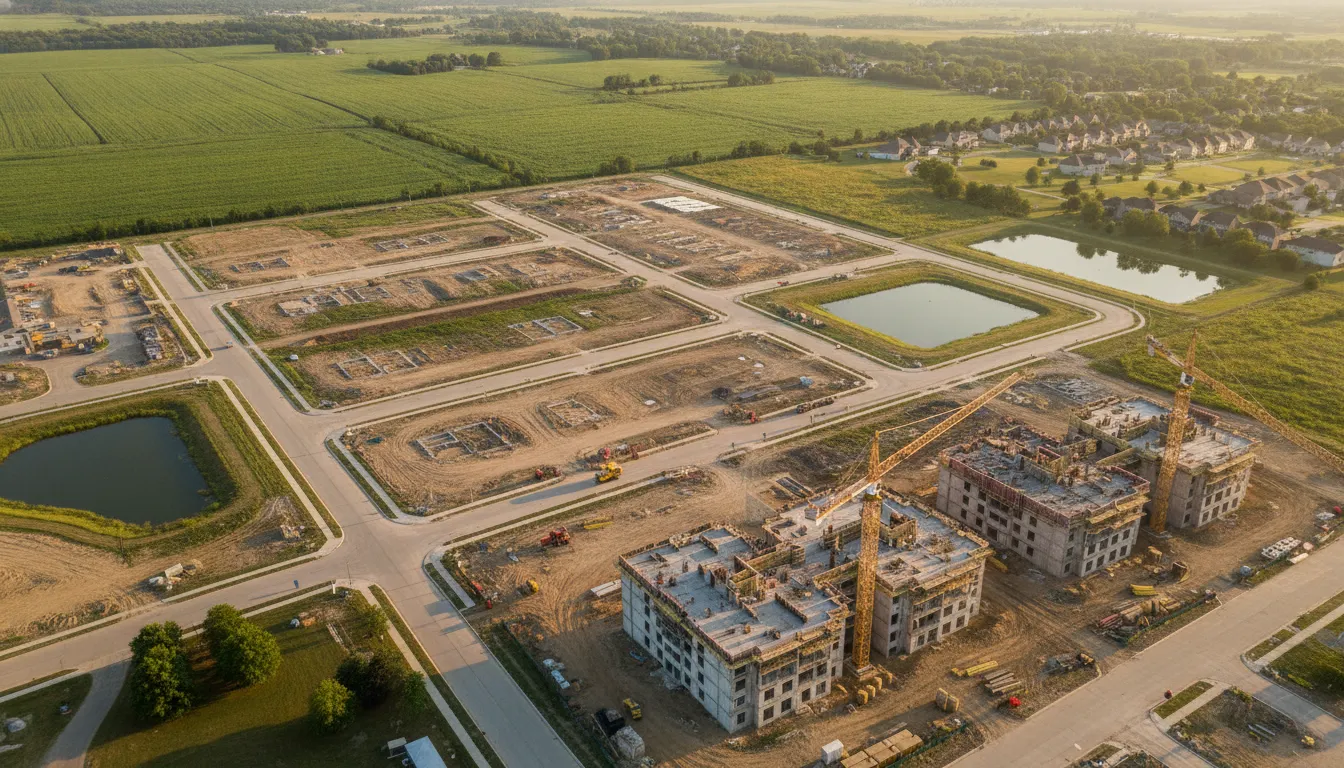
Indianapolis should be the first market on any statewide multifamily prospecting list because its scale supports multiple product types. From mid-rise and mixed-use communities to larger suburban apartment developments. For business development teams, the city also provides a practical public starting point: residential development permits can be researched through the City of Indianapolis permit resources and its Accela Citizen Access system. That makes permit activity a useful way to validate whether a rumored site has moved into a more actionable phase.
Do not limit the search to final building permits. Rezoning requests, land-use applications, municipal records, and title transfers can identify a site while the project is still being assembled. That earlier visibility matters for multifamily construction projects in Indiana because the best relationship-building window often comes before a bid invitation is public.
Bloomington's multifamily activity is closely tied to the Indiana University environment and the surrounding Hoosier communities. That creates a different prospecting pattern than Indianapolis. Teams should watch for projects that serve student, workforce, and community housing needs, then evaluate whether the location, scale, and delivery model fit their capabilities. A project may be commercially attractive without resembling a conventional suburban apartment deal, particularly when the end users and development partners are shaped by a university-centered economy.
Lafayette-West Lafayette combines Purdue's research corridor with workforce demand connected to advanced manufacturing and semiconductor investment. For contractors and suppliers, that combination can create demand for housing near employment growth, not just near established residential centers. The practical takeaway is to monitor land-use activity and ownership changes around employment corridors. Then connect those signals to likely multifamily formats such as mid-rise, mixed-use, or workforce-oriented communities.
Carmel and the wider Hamilton County market deserve separate attention. Growth-suburb development can support higher-quality rental communities, while active-adult and age-restricted housing responds to a changing resident base. Indiana's official housing analysis projects that the number of Hoosiers over age 55 will increase by more than 5% by 2028. While the population over 65 is projected to rise by almost 17% over the same period. Indiana's age-restricted housing analysis supports treating senior-oriented demand as a statewide planning signal, not a niche assumption.
The bottom line: Indianapolis is the broadest starting point, but Bloomington, Lafayette-West Lafayette, and Carmel require different development theses. Build coverage around each market's local signals and resident demand, then engage owners and partners before projects reach the public bid stage.
Demand is not coming from one buyer profile or one metro. It is being shaped by demographic change, employment concentrations around major universities and research corridors, and financing programs that make rental development more feasible. For contractors and developers, those forces help explain why multifamily opportunities continue to emerge across Indiana, including projects designed for older residents, students, faculty, researchers, and technical workforces.
Indiana's housing needs are changing as its population ages. The portion of Hoosiers over age 65 is projected to increase by almost 17% by 2028, according to the Indiana Housing and Community Development Authority's analysis. The same analysis projects growth of more than 5% among residents over age 55.
That shift supports demand for more than conventional apartment units. It can create opportunities for age-restricted housing, accessible floor plans, elevator-served buildings, and developments located near healthcare, retail, and daily services. The right product will vary by market, but the underlying direction is clear: developers are planning for a larger older-adult population with different space, accessibility, and service expectations.
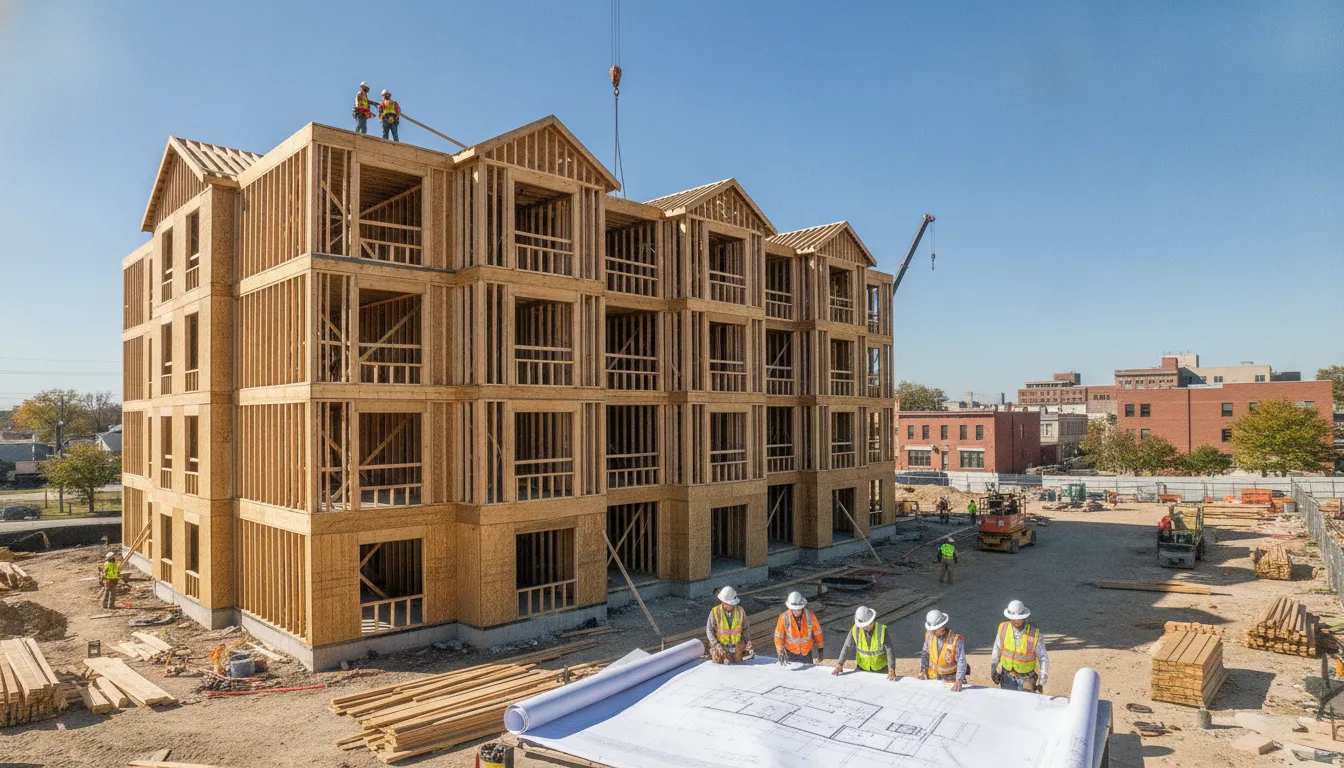
Indiana's college and research centers also support multifamily demand. Bloomington's university-driven economy and the Purdue corridor around Lafayette and West Lafayette bring students, faculty, researchers, technology companies, and supporting employers into the same housing markets. That creates a recurring need for apartments near campuses, research facilities, employment centers, and transportation routes.
These projects may take different forms, from mixed-use and mid-rise developments to housing aimed at graduate students or professionals relocating for technical roles. The opportunity is not simply population growth. It is the concentration of people with overlapping location requirements, which can make well-positioned rental housing especially valuable. HUD's Indiana Comprehensive Housing Market Analysis resources evaluate economic, demographic, and housing variables when estimating sales and rental demand over a three-year forecast period.
Financing is another important demand driver. The Indiana Housing and Community Development Authority's Rental Housing Tax Credit program is designed to encourage rental housing development. Programs like this can improve the feasibility of projects that serve income-qualified residents or address specific housing shortages. While also creating additional milestones for developers, lenders, and construction partners to monitor.
The bottom line: Multifamily demand in Indiana is being reinforced by an aging population, concentrated university and research employment, and public financing that supports rental development. Construction firms that track these drivers early can focus business development on projects with a clearer market rationale. Rather than waiting until plans and bid invitations are already public.
Finding multifamily construction projects in Indiana early means watching the administrative trail before a bid invitation reaches the market. A project may surface first as a permit record, zoning request, property transfer, or financing application. Those signals give a contractor time to identify the owner, understand the likely scope, and begin a useful relationship before the competition is working from the same announcement.
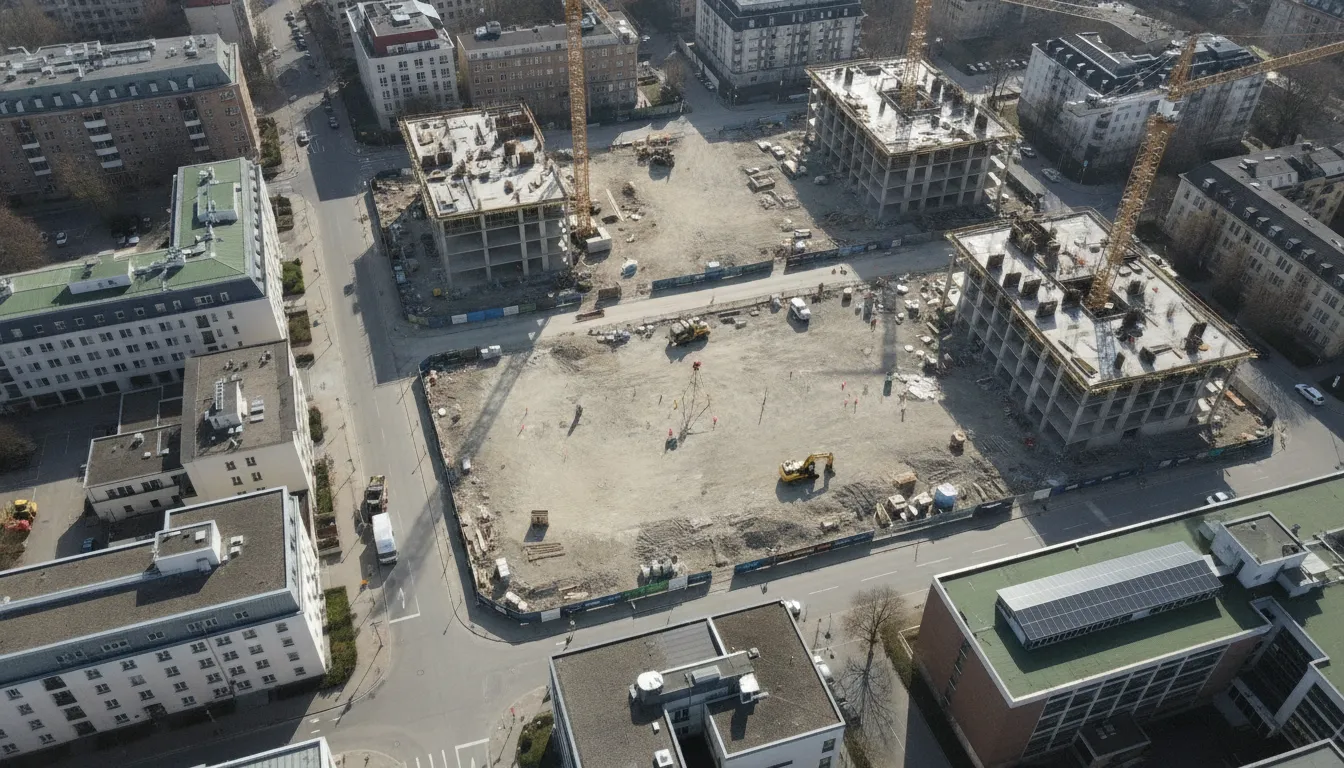
The bottom line: The earliest reliable view of an Indiana multifamily opportunity usually comes from combining permits, entitlements, title activity, financing, and database alerts. Track the signals together, qualify the project and decision-makers, and start relationship-building before the bid becomes public.
For general contractors and specialty trades, the most useful project signal is rarely a bid invitation. It is an earlier change in the public record that shows a development is becoming real. Reading these signals in sequence helps teams distinguish a speculative site from a project moving toward entitlement, financing, and construction.
| Signal | What it reveals | Typical lead time | Where to check |
|---|---|---|---|
| Zoning changes | A site may be seeking density, mixed-use permissions, or a use compatible with multifamily development. | Often early in the entitlement cycle | City planning agendas, zoning maps, and municipal case records |
| Land-use applications | A proposed apartment, mid-rise, high-rise, or mixed-use concept is entering formal review. | Before permit issuance and public bidding | Planning department filings and hearing calendars |
| Title transfers | Control of a parcel may have changed, signaling site assembly, a new developer, or a potential redevelopment. | Variable, depending on entitlement and financing | County recorder and assessor records |
| Building permits | Plans have advanced into a regulated construction process, with scope and jurisdictional details becoming clearer. | Closer to construction, but before bid distribution | Indianapolis residential development permits and Accela Citizen Access |
| Financing awards | Public or program-based funding can validate project feasibility and identify developments likely to proceed. | Before construction contracting is finalized | IHCDA developer resources, including Rental Housing Tax Credit information |

No single record proves that a project will break ground. The advantage comes from combining signals. A rezoning request identifies intent, a title transfer can show site control, a financing award supports feasibility, and a permit makes the construction scope more concrete. That sequence is more actionable than waiting for a project to appear on a public bid board.
Use market context to prioritize the records worth monitoring. HUD's Comprehensive Housing Market Analysis reports for Indiana estimate sales and rental housing demand over a three-year forecast period and examine economic, demographic, and housing variables. That context can help a BD team assess whether a proposed multifamily site aligns with documented demand before investing time in outreach.
For Indianapolis, start with the city's residential development permit resources, then connect permit activity to planning and county records. For projects elsewhere in Indiana, apply the same workflow through the relevant municipal planning office, county recorder, and state financing resources. A disciplined signal-monitoring process can surface activity three to six months before a public announcement. Giving relationship-driven teams time to identify the developer, understand the likely scope, and make a relevant introduction.
The bottom line: The strongest early opportunity is not one isolated filing. It is a pattern across zoning, land-use, title, permit, and financing records. Track those changes together, qualify them against HUD market context, and turn verified movement into an informed conversation before the bid window opens.
Early project intelligence is valuable only when it changes what your business development team does next. For GCs pursuing multifamily construction projects in Indiana, the goal is not to collect another list of prospects. It is to identify the right opportunity early, understand who is shaping it. And give your team enough time to build a credible relationship before the bid process becomes crowded.

Public bid notices are often the end of the early-sales window. By then, the owner may have selected a preferred design team, established a shortlist, or formed opinions about which contractors understand the project. Earlier signals give a GC time to do the work that supports relationship-driven selling: identify the developer. Learn the project's likely scope, map relevant connections, and offer useful insight rather than a generic introduction.
That does not mean treating every permit or zoning filing as a qualified lead. It means using signals to prioritize conversations. A rezoning request may indicate a future multifamily site, while a title transfer or land-use application can add context about ownership and intent. Mercator.ai combines signals such as building permits, municipal records, title transfers, rezoning, and land-use applications to help teams find activity before it is broadly announced.
Once a project enters your pipeline, qualify it against the factors that determine whether pursuit makes sense. A dedicated construction bid leads workflow can help a regional team organize prospects by geography and stage before committing estimating resources:
A consistent qualification framework keeps BD teams from spending equal time on every alert. It also creates a useful handoff from market intelligence to account planning. A construction permit alerts workflow can surface activity, but the advantage comes from connecting that activity to ownership, project stage, likely scope, and a human follow-up plan.
The operational case for earlier intelligence is straightforward. Mercator.ai reports 60% faster lead qualification, 3x more early project discovery, and 40% more efficient BD pipelines. These measures point to better use of experienced sellers' time, not a promise of automatic wins. Teams can spend less effort searching for basic project facts and more effort developing the relationships that influence future work.
For regional teams, a construction project database can provide a shared view of opportunities across Indiana markets. The strongest process pairs that visibility with weekly account reviews: advance qualified projects, assign relationship owners, record the next touch, and remove opportunities that no longer fit.
The bottom line: GCs turn early multifamily intelligence into pipeline by connecting project signals to disciplined qualification and deliberate relationship building. Detect the opportunity early, determine whether it fits, and act before the bid list is public.
Multifamily development in Indiana can be attractive, but the path from concept to mobilization is rarely linear. The biggest challenges are usually timing, approvals, cost certainty, labor capacity, and knowing when a project is genuinely ready for a bid.
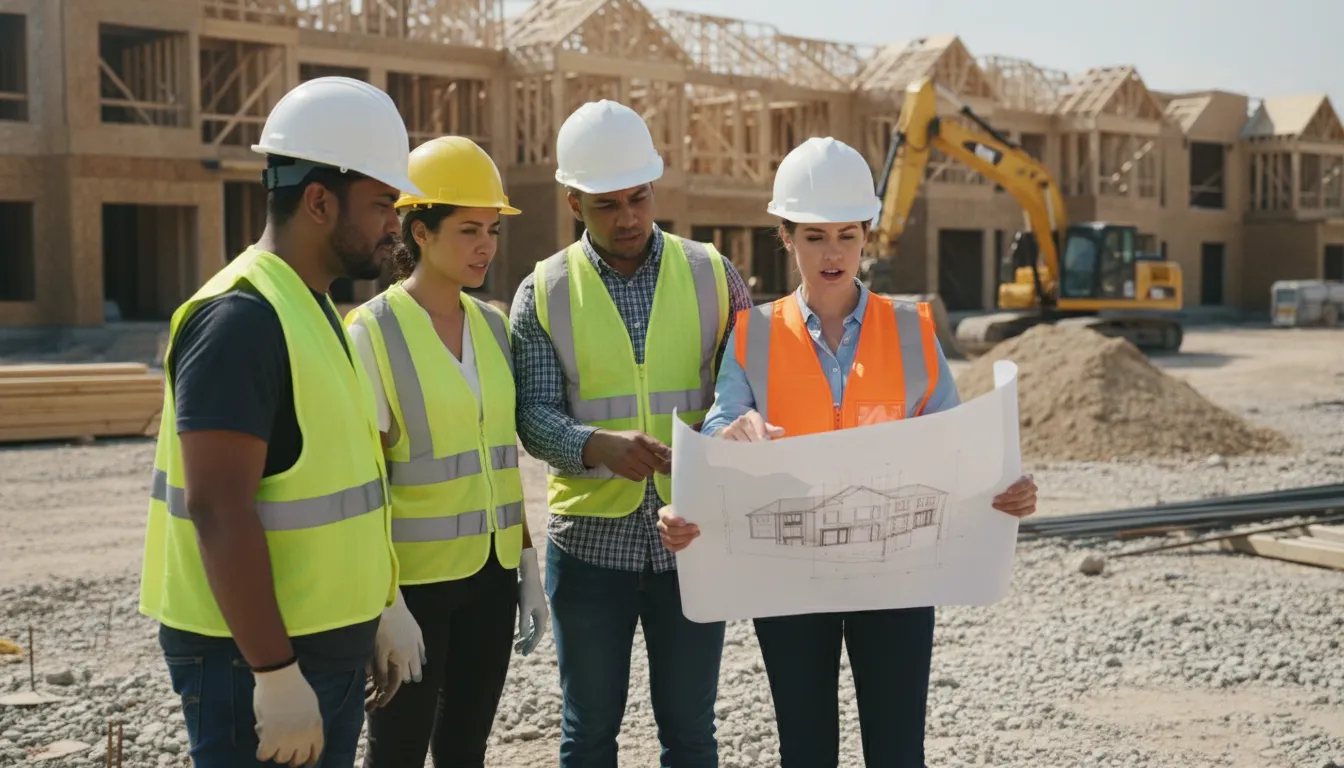
Projects that depend on affordable-housing financing may have to align their design, underwriting, approvals, and construction planning with funding timelines. Indiana's Rental Housing Tax Credit program is administered by the Indiana Housing and Community Development Authority and is intended to encourage rental housing development. Developers and contractors should monitor the IHCDA RHTC program rather than assume that a promising concept will immediately become a bid opportunity. An award cycle can affect when plans advance, when pricing is requested, and how much time a team has to validate scope.
Rezoning, land-use approvals, site-plan review, utility coordination, and building permits can each add time before field work begins. The sequence also varies by municipality. A project may appear active in one public record while still lacking the approval needed to release a reliable construction package. That makes it important to distinguish early development signals from bid-ready opportunities. Tracking municipal records and permit activity helps teams establish that sequence before committing estimating resources.
Land acquisition costs and site constraints can change project economics before construction pricing is finalized. Once a project moves forward, labor availability can affect both schedule and subcontractor coverage. A thin trade pool may lead to fewer credible bids, longer procurement windows, or scope revisions. The practical response is early market visibility: identify the project, understand its likely phase, and begin relationship-based conversations before every qualified contractor is competing for the same package.
Finding a project is not the same as winning it. If a team waits until a formal invitation reaches the market, competitors may already have established relationships with the owner, developer, architect, and key trades. Earlier intelligence gives GCs time to qualify the opportunity, map stakeholders, review the likely delivery model, and decide whether the pursuit fits their capacity. It also reduces wasted effort on projects that are still speculative or poorly aligned.
The bottom line: The common challenges for multifamily construction projects in Indiana are interconnected. Financing timing, approvals, cost movement, labor constraints, and bid competition all reward teams that detect projects early and validate them continuously. Rather than reacting only when plans are publicly advertised.
See how consolidated early signals can keep your multifamily pipeline ahead of the bid window. Book a Live Demo to watch Mercator.ai surface Indiana projects before they go public.
The outlook is strongest where population needs, employment growth, and housing finance align. Indiana's share of residents over 65 is projected to increase by almost 17% by 2028, supporting continued interest in housing designed for older adults and mixed-age renters. The Indiana Housing and Community Development Authority also administers the Rental Housing Tax Credit program to encourage rental housing development. Review local conditions rather than relying on a statewide average, because demand can vary significantly between urban, college, and smaller markets. Indiana's age-restricted housing analysis and IHCDA's RHTC program guidance are useful starting points.
Build a repeatable monitoring process around zoning changes, land-use applications, building permits, municipal records, title transfers, and financing activity. The goal is to connect several weak signals around the same parcel or ownership group, then qualify the opportunity through local planning and development records. HUD's Indiana Comprehensive Housing Market Analysis resources can add market context by estimating sales and rental housing demand over a three-year forecast period. Review HUD's Indiana CHMA resources alongside county and municipal records.
Track new applications, revisions, site-development permits, and related records by jurisdiction, parcel, owner, and project type. A permit becomes more valuable when it aligns with a rezoning case, land-use filing, or recent property transaction. That combination can help a business-development team start a relevant relationship before a formal bid invitation, while still requiring human verification with the owner, developer, or design team.
Common challenges include coordinating entitlement and permitting timelines, validating demand by submarket, securing project financing, and matching a development concept to local housing needs. Funding and approvals can move on different schedules, so GCs should separate early indicators from bid-ready opportunities. Use local records and housing-market analysis to qualify timing before committing pursuit resources.
Early visibility can help your team focus on the right multifamily opportunities, prepare the right relationships, and build a stronger bid pipeline before projects become widely known. See how Mercator.ai brings relevant construction signals into one practical workflow for GCs and developers. Book a Live Demo to see multifamily construction projects in Indiana early and turn them into a bid pipeline.


.png)