
Case Studies


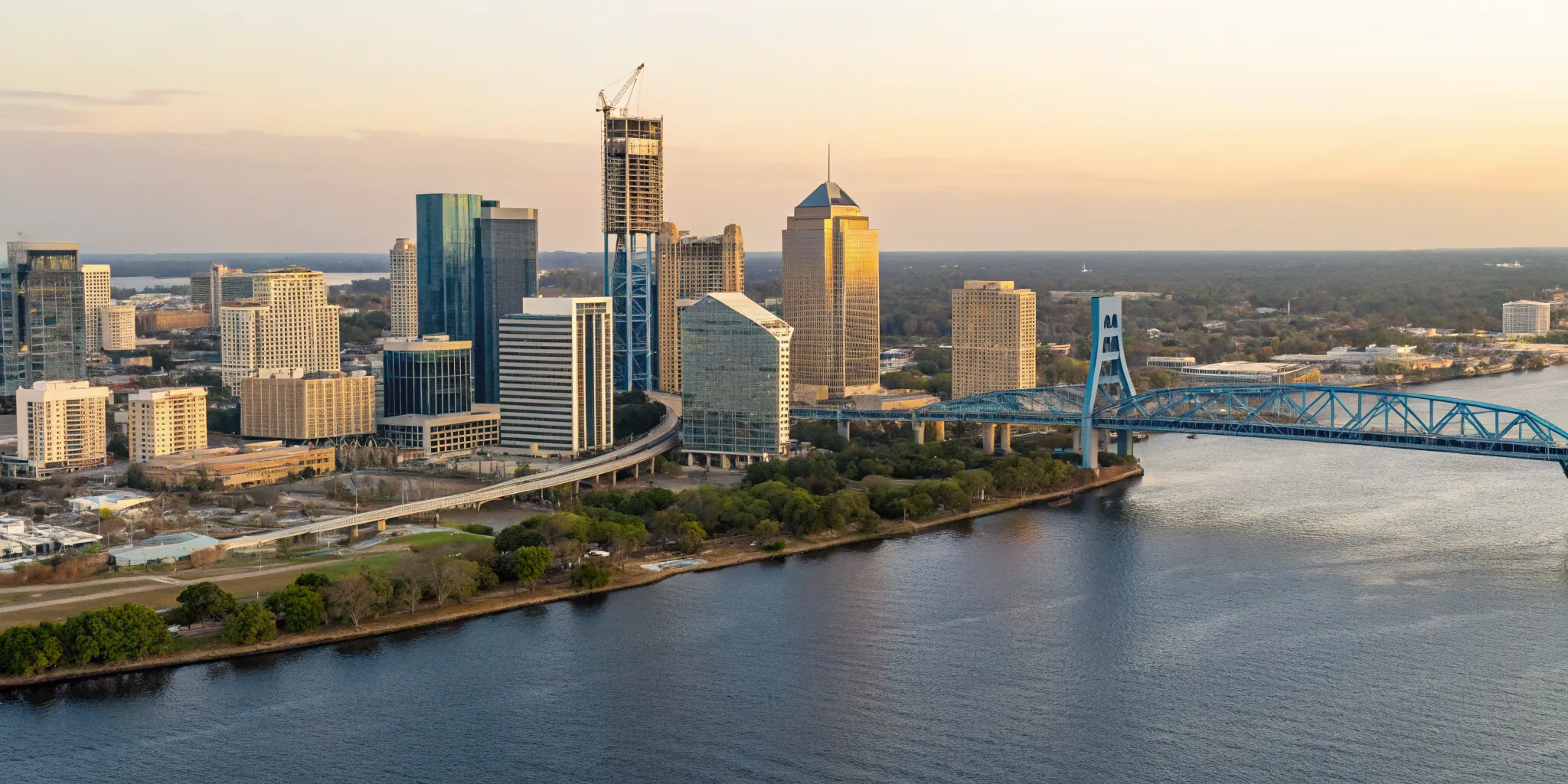
A city’s skyline tells a story, and right now, Jacksonville is writing an exciting new chapter. With landmark developments reshaping the riverfront and downtown, this is more than just a building boom; it's a redefinition of the city itself. For construction professionals, this period offers a rare chance to build a legacy, not just a structure. These interconnected projects are designed to create vibrant spaces for living, working, and playing. Understanding the vision behind the new commercial construction projects Jacksonville is offering is the first step to becoming a key player in this transformation and securing your firm’s place in the city’s next chapter.
Jacksonville is in the middle of a transformation, with a staggering $1.9 billion being poured into major commercial construction projects. This isn't just about a few new buildings; it's a complete revitalization of the city's downtown core and riverfront. For general contractors, subcontractors, and suppliers, this boom represents a massive wave of opportunity. From luxury hotels and modern office towers to state-of-the-art sports venues and public parks, the scale and variety of these projects are creating a high-demand environment for skilled construction professionals looking to make their mark.
These developments are more than just line items on a city plan. They are tangible signs of economic confidence and population growth. Getting involved in these projects early means building relationships and securing work that will define your company's portfolio for years to come. The key is to get upstream visibility, allowing you to connect with developers and architects long before the bidding process even begins. Many successful firms have found their footing by identifying these opportunities before they hit the open market, a strategy highlighted in several customer stories. These five projects are the cornerstones of Jacksonville's future, and they are happening right now.
A new icon of luxury is rising on the riverfront. The Four Seasons Hotel is a 10-story development that will feature 170 guest rooms and 26 exclusive private residences. This project is all about high-end finishes and premium guest experiences, including a rooftop restaurant, bars, pools, a full-service spa, and modern event spaces. With an expected opening date of June 30, 2027, the timeline creates significant opportunities for subcontractors specializing in luxury interiors, complex MEP systems, and high-end material supply. This is the kind of project that demands precision and a portfolio of top-tier work.
Right next to the Four Seasons, One Shipyard Place will serve as the new corporate headquarters for the Jacksonville Jaguars' staff. The six-story office building is designed to support a modern workforce, creating demand for commercial interior specialists and technology integrators. But the project extends beyond the office walls. It also includes a public marina with 78 boat slips, which is slated for completion by the end of June 2026. This waterfront component opens the door for marine construction firms and contractors who specialize in public recreational spaces.
With a total investment of $750 million, Pearl Square is a landmark development for Downtown Jacksonville. The project's centerpiece is the first new multi-tenant office tower planned for the area in more than two decades, signaling a major resurgence in the city's commercial office market. Local businesses are already excited about how the development will bring more life to Downtown. For general contractors and subcontractors, Pearl Square represents a prime opportunity to get involved in a large-scale, high-visibility project that will reshape the city's business landscape.
The site of the former Jacksonville Landing is being completely reimagined as Riverfront Plaza, a sprawling new public park. This project is unfolding in phases, with the first phase already open to the public. Phase Two is currently under construction and is expected to be finished by 2027. The development focuses on creating accessible green space and community gathering areas along the St. Johns River. This presents a steady stream of work for firms specializing in landscape architecture, civil engineering, hardscaping, and the installation of public amenities and lighting.
The "Stadium of the Future" is a monumental $1.4 billion renovation of the Jacksonville Jaguars' home stadium. This ambitious project is funded through a partnership, with the city contributing $775 million and the Jaguars' owner covering the remaining $625 million. The grand opening is planned for August 2028. The sheer scale of this renovation offers long-term work for large general contractors and a wide array of specialty subcontractors, from structural steel experts to those who install advanced broadcasting and seating technology. This is a legacy project that will be a fixture in Jacksonville for decades.
Jacksonville's skyline and waterfront are getting a major facelift. These new developments aren't just standalone buildings; they're interconnected projects designed to create vibrant spaces for living, working, and playing. From luxury hotels to public parks, each project adds a unique element to the city's core. Let's look at the key features that define this new chapter for downtown Jacksonville.
A key part of this transformation is the addition of high-end hospitality, anchored by the new Four Seasons Hotel. This ten-story building will feature 170 guest rooms alongside 26 exclusive private residences, blending visitor accommodations with permanent homes. The design includes premium amenities like a rooftop restaurant and bar, multiple pools, a full-service spa, and dedicated event spaces. This project brings a new level of luxury to the riverfront, creating a destination for tourists and a prestigious address for residents. With an expected opening in mid-2027, it’s a major milestone in the city’s downtown development.
On the site of the former Jacksonville Landing, the new Riverfront Plaza is reconnecting the community with its waterfront. The project is unfolding in two phases. Phase One, which is already open, has introduced a family-friendly playground, a large lawn for events, a small cafe, and improved access to the Riverwalk. Phase Two is now underway and will add even more public amenities, including a beer garden for social gatherings and a rain garden designed to help manage stormwater. This thoughtful redevelopment transforms a commercial site into a welcoming public park, creating a central hub for community life and recreation along the river.
The city's sports culture is also getting a new home base with the construction of One Shipyard Place. This six-story office building will serve as the headquarters for the Jacksonville Jaguars' staff, consolidating their operations next to the stadium. But the project is about more than just football; it also includes a public marina with space for 78 boats, making the river more accessible for everyone. A new walking path will connect the building to a revitalized Metropolitan Park and the Riverwalk, integrating the development into the city's network of public spaces and creating a lively destination on non-game days.
The Pearl Square project is a great example of modern, large-scale urban planning, creating a new mixed-use neighborhood from the ground up. This massive $750 million development is set to reshape the area with a mix of commercial and residential spaces. A centerpiece of the project is the 655 Pearl office building, a six-story, 100,000-square-foot structure designed for modern businesses. Beyond the office space, the broader plan includes over 1,200 new apartments and condos. This focus on density and mixed-use design aims to create a walkable, vibrant community where people can live, work, and connect, bringing more daily activity to this side of downtown.
With so many moving parts, keeping track of timelines for these large-scale developments is key for planning your next move. These projects span several years, offering a long runway for potential involvement. Here’s a look at the expected completion dates for Jacksonville's landmark projects, which helps paint a clearer picture of the city's construction pipeline.
These timelines show a steady stream of activity through 2028, creating a multi-year window of opportunity. Staying updated on downtown Jacksonville's construction schedule is crucial for general contractors and suppliers looking to align their services with these major builds. Knowing when different phases are set to begin and end helps you position your team to win work at the right time.
655 Pearl office building, a key component of this development, is planned to kick off in 2027 and wrap up in 2028.Jacksonville isn't just building new structures; it's building a new identity. The massive investment pouring into the city's commercial sector is a response to several powerful economic and demographic shifts. For general contractors, subcontractors, and suppliers, understanding these drivers is key to seeing where the market is headed and how to position your firm for the opportunities that follow. The current boom is fueled by a perfect storm of population growth, modern development trends, and strong investor confidence, creating a rich pipeline of projects for years to come.
Florida is one of the fastest-growing states in the country, and Jacksonville is a major magnet for new residents. This rapid population growth creates a ripple effect across the entire construction industry. More people means a greater need for everything: new homes, apartments, and the commercial spaces that serve them, like grocery stores, offices, and retail centers. This influx puts direct pressure on the city's infrastructure, creating demand for new roads, water systems, and public facilities. For construction firms, this translates into a diverse and sustained need for services. Every new residential community that breaks ground creates downstream opportunities for commercial builders to provide the essential services that turn a collection of houses into a neighborhood.
The days of single-purpose buildings are giving way to more integrated, community-focused projects. Jacksonville is embracing this trend with large-scale mixed-use developments that blend residential, commercial, and recreational spaces into cohesive neighborhoods. A prime example is the Pearl Square project, which is transforming nine city blocks into a vibrant new district. Local business owners are excited, noting it will bring "more life to this side of Downtown." These projects are more than just a collection of buildings; they are master-planned environments designed for living, working, and playing. For contractors, this trend signals a move toward more complex, multi-phase projects that require a wide range of expertise.
A construction boom can't happen without capital, and out-of-state investors are pouring money into Jacksonville with confidence. Florida's business-friendly environment, with its favorable tax laws and regulations, makes it an attractive place for developers to invest. This influx of outside capital is a powerful endorsement of Jacksonville's long-term potential and provides the financial fuel for large-scale projects. When developers feel confident about building, it creates a stable and predictable pipeline of work. For construction professionals, this means the projects breaking ground today are part of a larger, sustained growth trend. Firms that can identify these private construction projects early in their lifecycle have a distinct advantage in building relationships with the developers and investors shaping Jacksonville's future.
The massive scale of Jacksonville's new developments requires more than just traditional construction methods. To deliver these projects on time and on budget, contractors are adopting modern approaches that prioritize efficiency, collaboration, and sustainability. These aren't just buzzwords; they are practical strategies that define how the city's future landmarks are taking shape.
Think of lean construction as a way to cut out the noise and waste from a project. Instead of stakeholders working in silos, this approach brings everyone to the table early on. The goal is to maximize value by streamlining workflows, reducing unnecessary steps, and ensuring every action contributes directly to the final product. The Lean Construction Institute describes this as a production-focused mindset that improves the entire delivery process. For the GCs and subs working on projects like Riverfront Plaza, this means fewer delays, better communication, and a healthier bottom line. It’s about working smarter, not just harder, to build complex structures efficiently.
Gone are the days of relying solely on 2D blueprints for a billion-dollar project. Building Information Modeling (BIM) is central to how Jacksonville's new developments are being managed. BIM creates a detailed 3D digital twin of the project, allowing architects, engineers, and contractors to visualize the entire structure before breaking ground. This digital collaboration helps teams spot clashes, refine designs, and coordinate tasks with incredible precision. As reports on the future of construction show, this technology can significantly cut costs and shorten timelines. For subcontractors, it means clearer specs and less rework on the job site.
Sustainability is no longer an afterthought; it's a core requirement for major commercial projects. Jacksonville's newest developments are incorporating green building practices to create structures that are both environmentally responsible and cost-effective to operate. This includes using sustainable materials, installing high-efficiency HVAC systems, and designing for optimal natural light to reduce energy consumption. These aren't just for show. The U.S. Green Building Council highlights that green buildings can lead to significant energy and water savings. For suppliers and subcontractors, having experience with LEED standards or sustainable materials can be a major advantage when bidding for work on these high-profile jobs.
Jacksonville's $1.9 billion construction boom is about more than just new buildings; it's a complete transformation of the city's economic landscape. This wave of development creates a ripple effect that extends far beyond the construction sites themselves, touching everything from local coffee shops to the city's public parks. For general contractors, subcontractors, and suppliers, understanding these broader economic shifts is key to seeing the full scope of the opportunity. When you can see how a single project fits into a larger vision for downtown revitalization or infrastructure improvement, you're better equipped to position your company for long-term success.
This growth isn't happening in a vacuum. It's creating thousands of jobs, attracting new residents, and giving local businesses a much-needed surge in activity. The city is becoming a more vibrant place to live and work, which in turn fuels demand for even more development. For construction professionals, this means the current pipeline of projects is just the beginning. By recognizing these patterns, you can anticipate future needs and build the relationships that will lead to your next big project. Many of our customers have found success by tapping into this kind of forward-looking market intelligence, allowing them to get ahead of the curve instead of just reacting to it. This isn't just about winning one bid; it's about becoming an integral part of the city's growth story.
With so many large-scale projects running at once, the demand for skilled construction workers is incredibly high. This isn't just good news for laborers; it's a sign of a healthy, competitive market. To attract and retain top talent, construction firms are offering higher pay, better benefits, and more opportunities for professional growth. This competitive environment also pushes the industry forward, encouraging companies to invest in more training and adopt new technology to make their processes more efficient. For contractors, planning your workforce needs early will be a major advantage in securing the best teams for your projects.
The new high-rises and mixed-use developments will bring a flood of new residents, office workers, and visitors to downtown Jacksonville. Local business owners are already preparing for a significant increase in foot traffic, which will energize previously quiet areas. For example, the Pearl Square project is expected to completely revitalize its corner of Downtown, creating a lively hub of activity. This symbiotic relationship, where new developments support local commerce, is a strong indicator of sustainable growth and a healthy urban core.
Alongside private development, the city is making major public investments to support the boom. Jacksonville is actively working on projects to improve its core infrastructure, making it easier and safer for people to walk, bike, and drive throughout the city. These initiatives, like the I Dig Jax program, also focus on enhancing parks, gardens, and natural areas for everyone to enjoy. These upgrades not only improve the quality of life for residents but also make the city more attractive for future investment, signaling a long-term commitment to growth.
The nearly $2 billion being poured into downtown and the riverfront is a clear statement about Jacksonville's future. Massive undertakings like the $750 million Pearl Square project aren't just one-off developments; they are foundational pieces of a long-term strategy for revitalization. This level of investment shows a deep confidence in the city's trajectory. For contractors and suppliers, this means the opportunities in Jacksonville are not a fleeting trend. Instead, they represent a sustained period of growth that will define the city for years to come, as detailed in the timeline for these major projects.
While Jacksonville's construction boom presents incredible opportunities, it also magnifies the day-to-day challenges you face. Getting ahead means not just spotting the next big project, but also preparing for the hurdles that come with it. From finding a reliable crew to managing unpredictable costs, success in this market requires a clear understanding of the potential roadblocks. Let's break down some of the biggest challenges Jacksonville contractors are dealing with right now.
It’s no secret that finding good people is tough. Like many cities, Jacksonville is dealing with a significant labor shortage. An aging workforce is retiring, and there aren't enough new workers with the right skills to fill the gap. Many contractors report difficulty in finding skilled labor, which can throw project timelines off schedule and drive up costs. When you can't find the right electricians, masons, or project managers, the entire job can stall. This makes it more important than ever to have solid relationships with reliable subcontractors and to plan your labor needs far in advance.
Just when you get your labor sorted, the price of materials can throw a wrench in your budget. Ongoing supply chain disruptions have caused the costs for essential materials like lumber, steel, and concrete to skyrocket. This volatility makes bidding on projects a high-stakes game. You might be forced to adjust your bids mid-process, absorb the extra costs and hurt your margin, or spend valuable time sourcing alternative materials. Staying on top of material price trends and having multiple supplier options is no longer a nice-to-have; it's essential for protecting your bottom line on any Jacksonville project.
The paperwork can sometimes feel like a bigger job than the construction itself. Handling the complex process of zoning laws and permitting in Jacksonville is a major hurdle for many contractors. A simple delay in getting a permit approved can bring a multi-million dollar project to a standstill for weeks or even months. On top of that, local regulations can change, adding new layers of complexity and compliance requirements you have to follow. Keeping a close watch on permit applications and zoning changes across the city is crucial for anticipating these delays and keeping your projects moving forward smoothly.
In Florida, the weather forecast is a critical part of your project plan. Jacksonville's climate, especially during hurricane season, presents unique weather challenges for construction. A single storm can cause significant delays, damage materials on-site, and create unsafe working conditions for your crew. Beyond immediate delays, there's a growing need to factor climate resilience into the build itself. This means thinking about how your projects will hold up against future weather events, which can influence design choices and material selection from the very beginning. Building buffer days into your schedule for potential weather events is a must for any contractor working in the region.
With billions of dollars pouring into Jacksonville's commercial construction scene, the opportunity is massive. But winning a contract on a landmark project like the Four Seasons or the Stadium of the Future requires more than just a competitive bid. It demands a proactive strategy that puts you in the right place at the right time, long before the project hits the open market. Getting your foot in the door means shifting from a reactive bidder to a proactive partner. Here’s how you can position your firm to win work on Jacksonville’s most exciting new developments.
The best opportunities are often secured before they’re widely known. Instead of waiting for an invitation to bid, you need to be tracking projects from their earliest stages. Resources like the Downtown Jacksonville Development Map are a great starting point, offering a high-level view of what’s planned. By identifying projects during zoning, permitting, or land acquisition, you gain the time needed to connect with key decision-makers. This upstream visibility allows you to understand the project's needs and introduce your services early, making you a familiar face instead of just another name on a bid list.
In construction, relationships are everything. Getting involved with local initiatives like I Dig Jax not only gives you insight into the city’s priorities but also puts you in the same room as developers, city officials, and other influential stakeholders. When a major developer is looking for partners, they often turn to the companies they already know and trust. Make it a point to attend planning meetings, engage with local business groups, and connect with the architects and engineers shaping these projects. Your reputation as a reliable, engaged local partner can be your most powerful asset.
Landing a role in a billion-dollar development means proving you can handle the scale and complexity. Florida’s construction market is incredibly competitive, so having a skilled and ready workforce is non-negotiable. Beyond labor, developers want to see that you operate efficiently. Adopting modern project management tools and processes shows that you’re prepared to meet tight deadlines and complex requirements without issue. Highlighting your firm’s capabilities and successful track record, much like in these customer stories, demonstrates that you are a low-risk, high-value partner ready for the big leagues.
Why is Jacksonville seeing so much construction all at once? It’s really a combination of powerful factors coming together at the right time. The city is experiencing significant population growth, which creates a natural demand for more housing, offices, and retail. At the same time, out-of-state investors see a lot of potential in Jacksonville, thanks to a business-friendly climate, and are providing the capital for these large-scale projects. This isn't a random surge; it's a strategic response to strong economic and demographic trends.
What's the best way to get involved in these projects before they go to public bid? The key is to shift your focus upstream. Instead of waiting for an invitation, you need to track projects from their earliest signs of life, like when land is sold or a zoning application is filed. This gives you a major head start to build relationships with the developers and architects involved. By the time a project is publicly announced, many key partners have already been considered. Getting in early means you can position your company as a solution before the competition even knows the opportunity exists.
Are these projects only for large general contractors? Not at all. While large GCs will certainly anchor these developments, the sheer scale and variety of the work create a huge need for specialty contractors and suppliers. A project like the Four Seasons requires experts in luxury interiors and high-end finishes, while Riverfront Plaza needs skilled landscape and hardscape firms. The Stadium of the Future will demand everything from structural steel specialists to technology integrators. There are countless opportunities for firms of all sizes to contribute their unique expertise.
Besides finding workers, what's the biggest challenge I should plan for? Managing unpredictable costs and timelines is a major hurdle right now. The volatility in material prices means a bid that was profitable yesterday might be a loss tomorrow, so you have to stay on top of supply chain issues. Additionally, navigating the permitting and regulatory process can be incredibly time-consuming. A delay in paperwork can stall a project just as easily as a weather event, so building extra time into your schedule for administrative steps is crucial for protecting your budget and timeline.
How long is this construction boom expected to last? This isn't a short-term trend. The projects highlighted have completion dates stretching out for several years, providing a sustained pipeline of work through at least 2028. More importantly, these are foundational developments designed to attract even more investment and growth. Think of them as catalysts. The new office towers, residences, and public spaces will create a more vibrant downtown, which in turn will fuel demand for even more projects in the future.


.png)