
Case Studies


Today’s business leaders aren't just asking for a building; they're asking for a strategic asset that helps them attract and retain talent, support new ways of working, and meet sustainability goals. To win their business, you need to speak their language. Understanding what drives their decisions is your biggest competitive advantage. This guide dives into the key trends and client expectations shaping modern office construction projects. We’ll explore the demand for flexible hybrid layouts, integrated smart technology, and wellness-focused features. By learning what your clients truly want, you can tailor your proposals, offer more valuable insights, and position yourself as the forward-thinking partner they need.
An office construction project is the planning, design, and building of a space specifically for business operations. These projects cover a wide spectrum, from erecting a brand-new corporate headquarters from the ground up to renovating a single floor in an existing high-rise. The ultimate goal is always to create a functional, efficient, and often inspiring environment where people can do their best work.
Understanding the nuances of commercial construction is key, as office builds come with their own unique set of challenges and opportunities. Unlike residential projects, office construction must account for things like high-capacity data infrastructure, specific zoning laws, accessibility requirements, and the long-term operational costs for the business that will occupy the space. It’s not just about putting up walls; it’s about creating a backbone for a company's daily operations. For general contractors, subcontractors, and suppliers, mastering this niche means staying ahead of trends and understanding what modern businesses need to thrive. Spotting these projects early, before they become common knowledge, gives you a significant advantage in building relationships and getting specified.
The word "office" can mean a lot of different things today. You might be bidding on a traditional corporate layout with private offices and cubicles, or you could be looking at a trendy co-working space with open floor plans and shared amenities. The variety is huge and includes specialized facilities like medical offices or high-tech research and development centers. Each type of build is tailored to the client's specific industry and culture. As you explore different office building projects, you'll see how modern architectural trends and sustainable practices are shaping these spaces to be more than just a place to work.
When an office project comes across your desk, it will generally fall into one of two categories: new construction or renovation. A new construction project means you’re starting with a blank slate, building a structure from the ground up. This offers complete creative control and the ability to integrate the latest building codes and technologies from day one. On the other hand, a renovation involves updating or repurposing an existing space. While often more cost-effective and faster to complete, renovation projects can present unique challenges, like working around the limitations of the original structure or uncovering unexpected issues behind the walls.
A successful office build starts long before the first shovel hits the ground. A solid plan is your roadmap, guiding every decision from initial sketches to the final walkthrough. Getting the fundamentals right during this early stage sets the entire project up for a smoother process, fewer surprises, and a better outcome for your client. Before you get into the details of design and materials, it’s essential to align on three core pillars: the budget and timeline, the location and its specific rules, and the client’s vision for future growth. Nailing down these details first helps manage expectations and ensures everyone is working toward the same clear, achievable goals. This foundational work is what separates a stressful project from a successful one.
Building an office is a significant investment, and the final price tag can shift based on everything from materials to market conditions. That’s why establishing a clear, realistic budget from day one is non-negotiable. It keeps the project financially grounded and helps guide decisions throughout the construction process. A well-defined budget acts as a reference point for every choice, preventing costs from spiraling.
Equally important is the timeline. Work with your client to set achievable milestones and a practical completion date. This isn’t just about the final handover; it’s about mapping out each phase to manage resources, coordinate trades, and keep the project moving forward efficiently. A detailed timeline helps everyone stay on the same page and minimizes costly delays.
Every city and county has its own set of rules, and you can’t afford to ignore them. Before any design work gets too far, you need to thoroughly investigate the local laws tied to your chosen site. This includes zoning regulations, environmental standards, accessibility requirements, and safety codes. Understanding these requirements early helps you avoid major headaches and expensive revisions down the line. For instance, knowing you can track local permit activity with tools like the Mercator.ai Free Permits App gives you a head start. Getting a handle on the regulatory landscape is a critical step in de-risking the project and ensuring a smooth approval process.
A new office should serve the client’s needs today and tomorrow. It’s easy to focus on the immediate requirements, but a truly great build accounts for future growth. Talk to your client about their long-term business goals. Will they be hiring more people? Do they anticipate needing different types of workspaces in a few years? Designing for scalability might mean creating flexible floor plans, planning for modular components, or even breaking the project into manageable phases. This forward-thinking approach not only delivers more value to your client but also positions you as a strategic partner who understands their business, not just their building.
Winning a competitive bid for an office project goes beyond submitting the lowest number. It’s about proving you’re the right partner to bring a client’s vision to life. Today’s companies are looking for contractors who understand the modern workplace, from hybrid-friendly layouts to sustainable building practices. They want a team they can trust to deliver a high-quality space on time and within budget.
To stand out, you need to clearly communicate your value. This means strategically showcasing your team's qualifications, highlighting your specific experience with commercial offices, and building a rock-solid reputation that speaks for itself. By focusing on these three areas, you can move from being just another bidder to becoming the obvious choice for the job.
Think of your certifications as a trust signal. They immediately tell potential clients that your team is committed to quality, safety, and industry best practices. For office projects, credentials related to sustainability are especially valuable. For example, having team members with a LEED Green Associate certification shows you understand green building principles, a major selling point for companies focused on their environmental impact and long-term operating costs.
Don’t hide these qualifications in the fine print of your proposal. Feature them prominently on your website, in your marketing materials, and on your team’s professional profiles. This proactive approach demonstrates expertise and helps build confidence with decision-makers before you even step into the first meeting.
General experience is good, but specialized experience is better. Clients want to see that you’ve successfully navigated the unique challenges of office construction. As construction firm Boldt notes, a great partner helps companies adapt their spaces as employee needs change. Your marketing should reflect this understanding. Create detailed case studies for your past office projects, complete with high-quality photos and client testimonials.
Showcase how you’ve built modern, flexible workspaces that support collaboration and productivity. Did you incorporate unique design elements or sustainable materials? Did you help a client create a space that reflects their company culture? Sharing these success stories, much like these customer case studies, provides concrete proof that you can deliver the exact kind of forward-thinking environment new clients are looking for.
Your portfolio is the ultimate proof of your capabilities. It should feature a diverse range of office projects that demonstrate your versatility. Include everything from smaller renovations to large-scale builds, like Walbridge’s work on the 870,000-square-foot Visteon Village headquarters. This shows you can handle projects of any size and complexity. Each project in your portfolio should tell a story about a problem you solved for a client.
A strong reputation is built one successful project at a time. Consistently delivering on your promises leads to positive word-of-mouth and glowing testimonials, which are invaluable for winning future work. By staying ahead of industry trends, which you can explore on podcasts like the Future of Construction, you position yourself as a thought leader and a reliable expert in the office construction space.
Every office construction project, from a tenant fit-out to a brand-new corporate campus, follows a structured lifecycle. Understanding these distinct phases is essential for general contractors, subcontractors, and suppliers who want to position themselves for success. When you know what happens at each stage, you can anticipate needs, identify risks, and pinpoint the perfect time to engage with project stakeholders. Getting involved early allows you to build relationships and influence decisions long before the project goes to public tender.
Seeing the full picture helps you move from being a reactive bidder to a proactive partner. For instance, knowing a project is in the early design phase gives you a chance to connect with the architect or owner, offering your expertise and potentially getting your services or products specified. This upstream visibility is what separates the most successful firms from the rest. Many of our partners share customer stories about how spotting projects months ahead of the competition completely changed their business development strategy. By breaking down the build process, you can better align your efforts with the project’s timeline and secure more profitable work.
This is where every project begins: as an idea. The pre-construction phase is all about turning a vision into a viable plan. Architects and engineers work closely with the client to create detailed blueprints, schematics, and construction documents. This stage involves site analysis, feasibility studies, and initial design concepts. One of the primary challenges during the planning phase is accurately estimating costs and developing a comprehensive budget. A well-executed pre-construction phase sets the foundation for the entire project, minimizing the risk of costly changes and delays down the road. It’s the critical first step toward a successful build.
Before any dirt can be moved, the project needs the official green light from local authorities. This phase involves submitting detailed plans to municipal departments for review and approval. Different places have different building rules and permits. Making sure the building follows all local laws (like zoning, environmental, and safety) takes time and money. This process can be complex and lengthy, often requiring multiple revisions to meet code requirements. For contractors and suppliers, tracking permit applications can provide valuable intel on upcoming projects. You can even use a Free Permits App to monitor activity in your area and spot opportunities as they emerge.
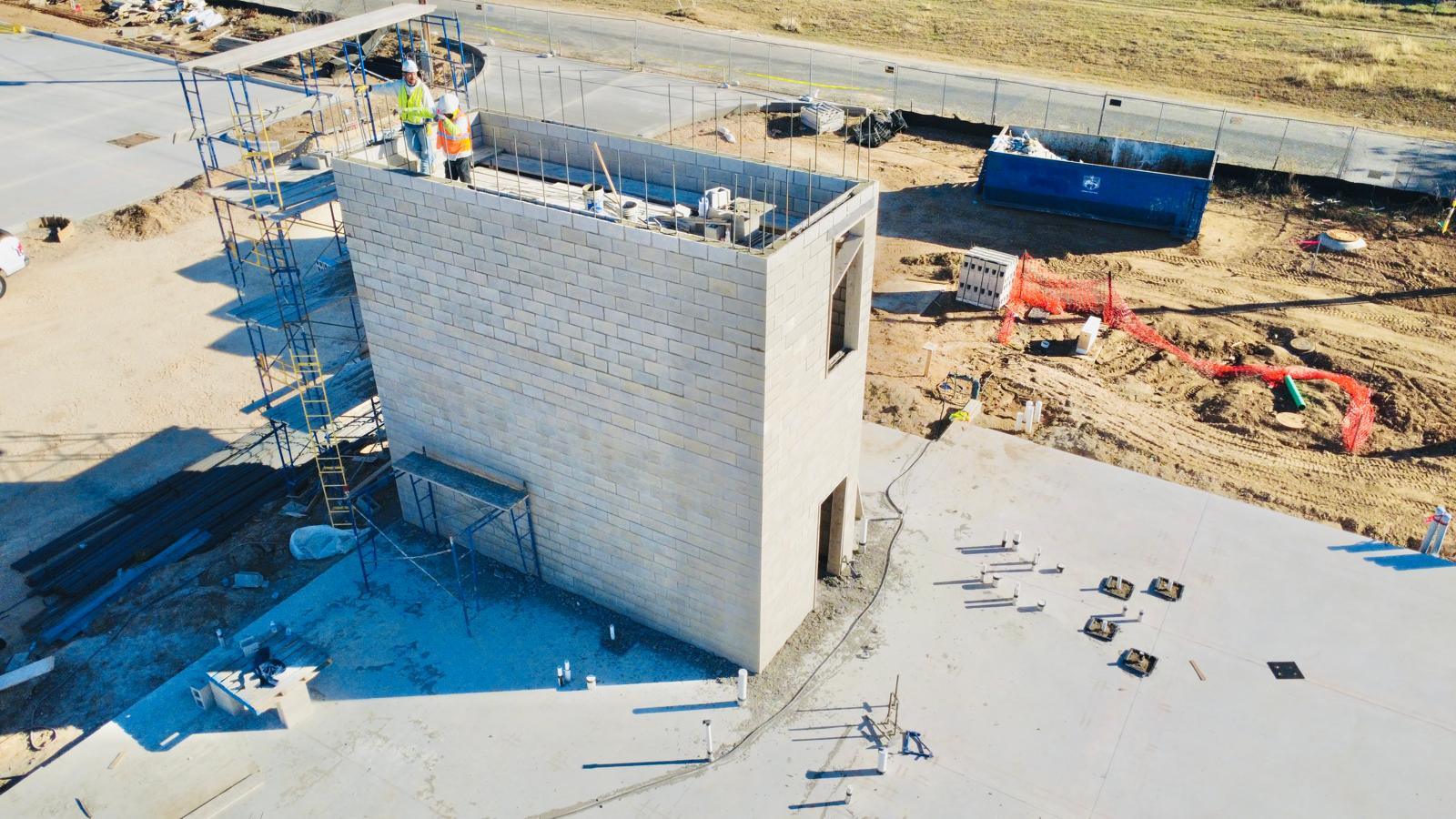
Once permits are secured, it’s time for the on-site work to begin. This is the most visible phase, where the building starts to take shape. It involves everything from site preparation and foundation work to framing, roofing, and interior installations. Effective project management is crucial here. Many construction teams struggle with the same fundamental obstacles: fragmented communication, unclear accountability, and limited visibility. Strong construction timelines help ensure projects stay on schedule and within budget when used effectively. This phase requires seamless coordination between the general contractor, subcontractors, and suppliers to keep everything moving forward smoothly.
As the main construction work wraps up, the project enters its final phase. This stage is all about the details that make a building ready for its occupants. It includes installing fixtures, painting, landscaping, and conducting a thorough cleanup. A critical part of this phase is the punch list, where the project team walks through the site to identify any remaining issues that need to be addressed. Final inspections are conducted by city officials to ensure everything is up to code before issuing a certificate of occupancy. Building contingency plans into the construction timeline helps teams set realistic expectations and stay as close to schedule as possible, even when conditions are unpredictable.
Figuring out the budget for an office construction project can feel like trying to hit a moving target. There isn't a single magic number, because every project is unique. The final cost depends on everything from the building's location and size to the quality of the finishes and the complexity of the design. To give you a clearer picture, we'll break down the typical costs per square foot, explore the key factors that can push your budget up or down, and shine a light on some of the hidden expenses that can catch you by surprise. Understanding these elements from the start helps you create more accurate bids, manage client expectations, and keep your projects profitable. It’s all about knowing what questions to ask and where potential costs might be hiding.
When you're putting together an initial estimate, cost per square foot is a great starting point. According to recent construction cost data, the average cost to build a new office falls somewhere between $202 and $574 per square foot. This range typically covers the core and shell of the building, including the foundation, structure, roofing, and basic mechanical, electrical, and plumbing systems. Think of it as the baseline cost before you add any custom features or high-end finishes. It’s a solid benchmark for early-stage planning and helps set realistic budget expectations with your clients before you get into the finer details of the project.
That wide per-square-foot range exists for a reason: several key factors can dramatically affect the final price. Location is a big one. Building in a dense urban center like downtown Austin or Dallas will always cost more than in a suburban area due to higher land values, labor rates, and logistical challenges. The quality of materials and finishes also plays a huge role. Opting for premium materials, custom millwork, energy-efficient smart systems, or sustainable features will naturally increase the budget. The complexity of the design itself, from unique architectural elements to specialized lab or tech spaces, will also add to the bottom line.
Beyond the obvious expenses, some costs can sneak up on you if you're not prepared. Navigating local building rules and permits is a common source of unexpected expenses. Every city has its own set of zoning laws, environmental regulations, and safety codes, and ensuring compliance takes time and money. Unforeseen site conditions, like poor soil quality that requires extra foundation work, can also blow a hole in your budget. Other potential surprises include supply chain delays that drive up material costs or last-minute design changes from the client. Getting ahead of these possibilities by doing thorough due diligence and building a contingency fund is key to protecting your profit margins.
Even the most straightforward office build can hit a few bumps. From miscommunication to unexpected costs, challenges are part of the job. The key isn’t avoiding problems altogether, but knowing how to handle them effectively when they arise. Staying ahead of these common issues helps you protect your timeline, budget, and reputation. By anticipating potential roadblocks, you can create solid plans that keep your projects running smoothly from groundbreaking to final walkthrough. This proactive approach builds trust with clients and sets your team up for success.
Fragmented communication is a classic project killer. When architects, subcontractors, and clients aren't on the same page, it leads to delays, mistakes, and frustration. Many construction teams struggle with unclear accountability and limited visibility into what other teams are doing. The best way to fix this is by establishing a clear communication plan from day one. Designate a single point of contact for key decisions and use a centralized platform for all project documents and updates. Regular, structured meetings (daily huddles or weekly check-ins) ensure everyone is aligned. This transparency helps you build stronger relationships with partners and clients, making coordination feel less like herding cats and more like a team effort.
Few things are more stressful than watching a project go over budget or past its deadline. These issues often stem from poorly defined goals or unrealistic schedules set at the beginning of a project. To get ahead of this, invest more time in detailed pre-construction planning. Create a thorough budget that includes a contingency fund (typically 10-15%) for unexpected costs. Similarly, develop a realistic project schedule with built-in buffers for potential delays. Using data to inform your estimates can make a huge difference. When you can identify projects early, you give yourself more time to create accurate, data-driven plans that clients can trust, preventing costly surprises down the road.
Scope creep, those small, unapproved changes that add up over time, can quietly derail a project’s budget and schedule. It usually happens when initial project goals are vague or when client expectations aren't managed properly. The most effective defense is a highly detailed scope of work document that is agreed upon and signed by all stakeholders before any work begins. This document should clearly outline all deliverables, timelines, and project boundaries. You also need a formal change order process. Any requested change, no matter how small, should be documented, priced, and approved in writing. This process keeps everyone accountable and ensures you’re compensated for any work that falls outside the original plan.
Integrating sustainable practices into your office builds is more than just a trend; it’s a smart business move. Clients are increasingly looking for spaces that are not only functional but also environmentally responsible and cost-effective to operate. By understanding and implementing green building methods, you can meet this demand, differentiate your services, and deliver a superior final product. It’s about building smarter, not just harder. From the materials you choose to the systems you install, every decision can contribute to a more sustainable outcome that benefits your client’s bottom line and the planet.
The foundation of any green build is the materials you use. Instead of defaulting to traditional options, consider alternatives that are renewable, recycled, or have a lower environmental impact. For flooring, materials like bamboo, cork, and recycled content tiles are durable and stylish choices. The industry is also seeing a major shift toward sustainable construction materials that can replace high-emission products like conventional concrete. By presenting these eco-friendly options to your clients, you demonstrate a forward-thinking approach and help them create a healthier, more unique office space from the ground up.
Beyond materials, the systems that power an office are critical for long-term sustainability. This means focusing on high-performance building envelopes, energy-efficient HVAC systems, and water-saving fixtures. LED lighting is another simple but effective switch that drastically reduces energy consumption. You can also incorporate digital tools like Building Information Modeling (BIM) to optimize design and minimize waste before construction even begins. These sustainable building practices not only reduce the building’s environmental footprint but also translate directly into lower utility bills for your client, making it a powerful selling point.
Let’s be honest: one of the first questions a client will ask about sustainable options is, "What’s it going to cost?" It’s true that some green materials and technologies can have a higher upfront cost compared to their conventional counterparts. The key is to frame this as an investment, not just an expense. Your role is to educate the client on the total cost of ownership. By preparing a clear analysis that shows the long-term savings from reduced energy bills and lower maintenance needs, you can build a strong business case. Being transparent about costs and focusing on the return on investment will help your clients make an informed decision.
The payoff for building green extends far beyond the construction phase. For your client, a sustainable office means lower operating costs year after year. It also creates a healthier indoor environment for their employees by using low-VOC (volatile organic compound) materials for paints and finishes. On the job site, simple steps like implementing a construction waste management plan and using efficient equipment can make a difference. Ultimately, by adopting these methods, you’re not just constructing a building; you’re delivering a high-performance asset that holds its value, enhances your client’s brand reputation, and contributes to a more responsible building industry.
Keeping an office construction project on schedule is one of the biggest challenges in the industry. Delays don’t just push back the completion date; they inflate budgets, strain client relationships, and can damage your reputation for future projects. A well-managed timeline is a sign of a professional, reliable contractor who respects the client's investment and operational needs. The key isn't hoping for the best, but planning for the worst and managing every step with precision.
Fortunately, you can get ahead of most timeline issues with a proactive approach. By implementing a few core strategies, you can create a more resilient and predictable project schedule. This involves breaking the work into logical chunks, setting clear targets for your team, planning for unexpected hurdles, and ensuring everyone involved is on the same page. These practices help you maintain control, adapt to changes, and deliver the final project on time, solidifying your standing as a contractor clients can trust.
A massive office build can feel overwhelming when you look at it as one giant task. The best way to make it manageable is to break the entire project down into distinct phases. This approach allows you and your client to visualize the construction timeline more clearly and understand the progression from one stage to the next. For example, you might structure your project into pre-construction, foundation and structural work, exterior finishing, interior fit-out, and final inspections. Each phase has its own set of tasks and objectives, making it easier to allocate resources, track progress, and identify potential bottlenecks before they derail the entire schedule.
While phases give you a high-level overview, milestones are the specific checkpoints that keep the project moving forward day-to-day. Defining clear milestones is essential for creating a successful project timeline. These are tangible goals, like "foundation poured," "structural steel erected," or "drywall installed," each with a firm deadline. Establishing these targets and understanding task dependencies (what needs to be done before something else can start) ensures your entire team and all subcontractors are aligned. When everyone knows what they’re responsible for and when it’s due, you create a culture of accountability that is critical for staying on schedule.
Even the most perfectly planned project can face unexpected setbacks. Weather, supply chain disruptions, or unforeseen site conditions can all cause delays. That’s why a solid contingency plan is not just a good idea; it’s a necessity. Incorporating buffer time into your schedule for critical tasks helps you absorb minor delays without impacting the final deadline. It also involves identifying potential risks ahead of time and developing a response plan. For instance, you could pre-qualify backup suppliers or have a clear process for approving change orders quickly. This preparation helps your team remain adaptable and maintain progress when challenges arise.
Miscommunication is a primary cause of project delays. When the client, architect, engineers, and subcontractors aren't in sync, mistakes happen, and decisions get stalled. Fostering strong collaboration among all stakeholders is crucial. Regular meetings, whether daily huddles or weekly progress reviews, keep everyone informed. Using technology like project management software can also create a central hub for communication and documentation. When you build strong relationships from the start, you create an environment where problems are solved quickly and efficiently, keeping the project on track and ensuring a smoother experience for everyone involved.
The traditional office landscape of cubicle farms and corner offices is quickly becoming a thing of the past. Today, clients are looking for spaces that do more than just house employees; they want environments that foster collaboration, support well-being, and adapt to new ways of working. For general contractors, understanding these shifts is crucial. It’s not just about building four walls and a roof anymore. It’s about creating a destination that can attract and retain top talent, which is a top priority for almost every business leader.
Staying ahead of these trends allows you to speak your client's language, offer more valuable insights during the bidding process, and ultimately position your firm as a forward-thinking partner. When you can demonstrate that you understand the why behind a client's vision for a flexible, tech-integrated, and wellness-focused space, you build the kind of trust that wins projects. These trends are reshaping what companies want, and the contractors who can deliver on these new expectations are the ones who will thrive. By anticipating these needs, you can find and secure high-value office construction projects before your competitors even know they exist.
The rise of remote and hybrid work has fundamentally changed the purpose of the physical office. It's no longer the default place to work; it's a hub for connection, collaboration, and company culture. As one industry leader puts it, "Today's offices need to be more than just places to work; they need to actively support employee happiness, improve the company's image, and help with new ideas." This means clients are requesting multi-functional spaces with modular walls, movable furniture, and a mix of private "focus zones" and open collaborative areas. The goal is to create an agile environment that can be easily reconfigured to meet the changing needs of the workforce.
Modern offices are becoming smarter and healthier. Clients are increasingly investing in integrated technology to create a seamless experience for employees. As experts at Maxx Builders note, "Smart buildings use sensors, data analytics, and automation to optimize energy consumption, enhance security, and improve occupant comfort." This includes features like automated lighting and climate control, touchless entry systems, and advanced AV equipment for hybrid meetings. Alongside technology, there's a huge emphasis on wellness. This translates to construction projects that prioritize natural light, improved air quality, biophilic design (incorporating natural elements), and even dedicated spaces for relaxation or fitness.
Ultimately, all these trends are a response to evolving work models. The office is now part of a broader ecosystem of workspaces that includes the home, co-working spaces, and other remote locations. For contractors, this means recognizing that commercial construction is about creating adaptable assets for clients. An office built today must be able to support a company's needs for years to come, even as its headcount and work policies change. This requires a focus on future-proofing the design, ensuring that the space is not only functional for today's hybrid teams but also flexible enough to accommodate the work models of tomorrow.
Getting the proper permits and approvals is one of the most critical phases of any office construction project. It’s a step that requires meticulous attention to detail, as local and federal regulations are strict and non-negotiable. While it can feel like a maze of paperwork and inspections, understanding the requirements upfront saves you from costly delays and legal issues down the road. Think of it as the official green light that ensures your project is safe, accessible, and compliant from the ground up. For general contractors, mastering this stage is key to keeping a project on track and building a reputation for reliability and professionalism.
Before you break ground or even knock down a wall, you need to secure the right permits. You’ll need a permit for almost any commercial construction work, including new builds, major renovations, and sometimes even minor cosmetic changes. These rules aren’t just red tape; they are based on established building codes designed to ensure the structural integrity and safety of the building for everyone who will eventually work there. Failing to comply can result in fines, stop-work orders, or even the demolition of unpermitted work. Staying current with these codes is essential for delivering a project that is not only well-executed but also legally sound and safe for occupancy.
Every office build must comply with the Americans with Disabilities Act (ADA) to ensure the space is accessible to people with disabilities. This goes far beyond installing a ramp at the entrance. ADA compliance affects everything from the width of doorways and hallways to the height of light switches, the layout of restrooms, and the accessibility of workstations. Integrating these requirements into the initial design is far more efficient and cost-effective than trying to retrofit them later. Following the official ADA standards for accessible design isn’t just about avoiding legal penalties; it’s about creating an inclusive and welcoming environment for all employees and visitors.
While federal regulations like the ADA provide a baseline, you’ll spend most of your time working with local city and county rules. Each municipality has its own specific zoning laws and permit application processes. An owner or their authorized agent must apply for and receive permits before any construction, demolition, or change of occupancy begins. For example, the City of Houston Permitting Center has its own set of requirements that might differ from those in Dallas or San Antonio. These local ordinances can cover everything from land use and building height to sustainability standards and energy efficiency, so it’s crucial to do your homework on the specific jurisdiction of your project.
How can I find out about office projects before they go to public bid? The key is to pay attention to the earliest signals of development. Instead of waiting for a project to be announced, track upstream activities like title transfers, rezoning applications, and early permit filings. These actions are public record but often fly under the radar. When you spot this kind of activity, it gives you a chance to connect with owners and architects months before your competitors even know a project exists.
What is the most common reason an office construction project goes over budget? While material costs and labor can fluctuate, the most frequent culprit is scope creep. This happens when small changes and additions are made throughout the project without a formal approval process. The best way to prevent this is by creating an incredibly detailed scope of work document before you begin and getting the client to sign off on it. This document becomes your guide and ensures any requested change is properly documented, priced, and approved.
How do I convince a client that investing in sustainable features is worth the higher upfront cost? Focus the conversation on the total cost of ownership, not just the initial price tag. You can build a strong case by showing them the long-term financial benefits. Prepare a simple analysis that projects the savings from lower energy and water bills over five, ten, and twenty years. When clients see how quickly the investment pays for itself through reduced operating costs, the higher initial expense becomes a much more logical business decision.
With all the new office design trends, which one has the biggest impact on a build? Flexibility is the most important trend to master because it’s the foundation for almost everything else. A flexible design with modular walls, movable furniture, and adaptable infrastructure allows a space to support hybrid work, integrate new technology as it evolves, and be reconfigured for different wellness initiatives. If you can deliver a truly adaptable space, you are giving your client an asset that will serve them for years, no matter how their business changes.
What is the single most important step in the pre-construction phase to avoid delays? The most critical step is establishing a realistic and detailed project schedule with clear milestones. This goes beyond just setting a final completion date. It means working with all stakeholders, including your key subcontractors, to map out task dependencies and build in buffer time for potential setbacks. A well-thought-out schedule acts as a roadmap for everyone involved and creates a culture of accountability from day one.


.png)