
Case Studies


By the time a senior living project appears on a public tender board, the most crucial decisions have already been made. The key to winning work in this sector is getting involved long before the first shovel hits the ground. The lifecycle of senior living construction projects is long, with a pre-construction phase that can last for years. This is when developers select sites, secure financing, and partner with architects and engineers. Understanding this timeline is your competitive advantage. This guide explains each phase of the process, showing you how to identify opportunities early, build relationships with key decision-makers, and position your company to become a trusted partner.
The term "senior living" covers a wide range of facilities, each with unique construction needs and opportunities for your business. Understanding the distinctions between these project types is the first step to identifying where your services fit best. As the demand for specialized care grows, developers are looking for contractors who get the nuances of each environment. From active, independent communities to facilities offering round-the-clock medical support, knowing what’s in demand helps you target the right projects and build stronger relationships with developers.
Think of these as communities for active seniors who want to downsize and live among peers without giving up their freedom. These projects are for seniors who can live on their own but appreciate having some support services nearby. According to the team at Wagman, "Independent Living communities are designed for seniors who are able to live independently but may require some assistance with daily activities." For contractors, this often means building apartment-style complexes or cottages that feel like home but include shared amenities like dining halls, fitness centers, and social spaces. The focus is on creating a supportive environment that still promotes autonomy and an active lifestyle.
Assisted living projects bridge the gap between independent living and full medical care. These facilities are for seniors who need a hand with daily tasks but don't require intensive medical supervision. As the construction experts at Andron note, "Assisted Living facilities cater to seniors who need help with daily activities such as bathing, dressing, and medication management." The design must strike a careful balance, providing residents with both independence and readily available support. Construction often involves private or semi-private apartments with communal areas, all built with accessibility and safety as top priorities to help residents maintain their quality of life.
Memory care units are highly specialized projects that require a deep understanding of the residents' needs. These facilities are built specifically for individuals with Alzheimer’s and other forms of dementia. The design and construction are critical for creating a safe, calming, and easy-to-navigate space. These projects demand meticulous attention to detail, from secure layouts that prevent wandering to therapeutic design elements. The goal is to build a "safe and supportive environment," with staff trained to meet the unique needs of residents. This specialization makes them a key area of growth within the senior living sector.
Skilled nursing facilities are essentially medical centers that provide residential care. These projects are at the most complex end of the senior living spectrum, designed for seniors who need constant health monitoring or rehabilitative services. Construction must meet stringent healthcare regulations, similar to a hospital. According to Wagman, "Skilled Nursing Facilities offer a higher level of medical care for seniors who require ongoing health monitoring and rehabilitation services." These buildings are equipped to handle complex medical needs, which means projects include features like nurse stations, therapy rooms, and specialized medical equipment infrastructure, all requiring 24/7 nursing care capabilities.
Today's senior living facilities are a far cry from the institutional-style homes of the past. They are vibrant communities designed around lifestyle, wellness, and independence. This shift directly impacts construction, demanding more than just functional spaces. It requires creating environments that feel like home but are equipped with sophisticated support systems. For general contractors and suppliers, understanding these defining features is key to bidding on and winning these complex, high-value projects.
Modern senior living construction blends hospitality, healthcare, and residential design principles. The focus is on creating spaces that are not only safe and accessible but also engaging and enriching. Think resort-style amenities paired with top-tier accessibility and care infrastructure. This means incorporating advanced technology, dedicated wellness areas, and thoughtful connections to the outdoors. These elements are no longer considered luxury add-ons; they are the new standard that potential residents and their families expect. As you look for your next project, keep an eye out for plans that prioritize these forward-thinking features, as they represent the future of the industry. Spotting these emerging opportunities early can give you a significant competitive advantage in a growing market.
Smart home features are quickly becoming standard in new senior living construction. This isn't about flashy gadgets; it's about using technology to foster independence and safety. Think automated lighting that adjusts based on the time of day, voice-activated controls for thermostats and blinds, and smart locks for secure, keyless entry. These systems provide residents with more control over their environment, which can be incredibly empowering. For facility operators, this technology also offers practical benefits like improved energy efficiency and streamlined monitoring. As a contractor, being familiar with the integration of these systems is a valuable skill.
Safety and accessibility are the bedrock of senior living design, going far beyond basic code requirements. Modern facilities are built with proactive safety in mind. This includes features like zero-threshold showers to prevent trips, wider hallways for easy navigation with walkers or wheelchairs, and strategically placed grab bars. Another critical component is an easy-to-use, 24/7 emergency response system, often integrated through wearable devices or pull cords. These thoughtful design choices are non-negotiable for developers, as they provide essential peace of mind for residents and their families, ensuring help is always within reach.
The focus in senior living has shifted from simply providing care to promoting a holistic, healthy lifestyle. As a result, dedicated wellness and fitness centers are now a staple in new developments. These aren't just rooms with a few treadmills. We're talking about fully equipped gyms with senior-friendly pneumatic resistance machines, yoga and tai chi studios, and indoor swimming pools for aquatic therapy. The goal is to create an inviting environment that encourages residents to stay active, socialize, and take charge of their health. These centers are a major selling point and a core part of the community's daily life, reflecting the latest trends in senior housing design.
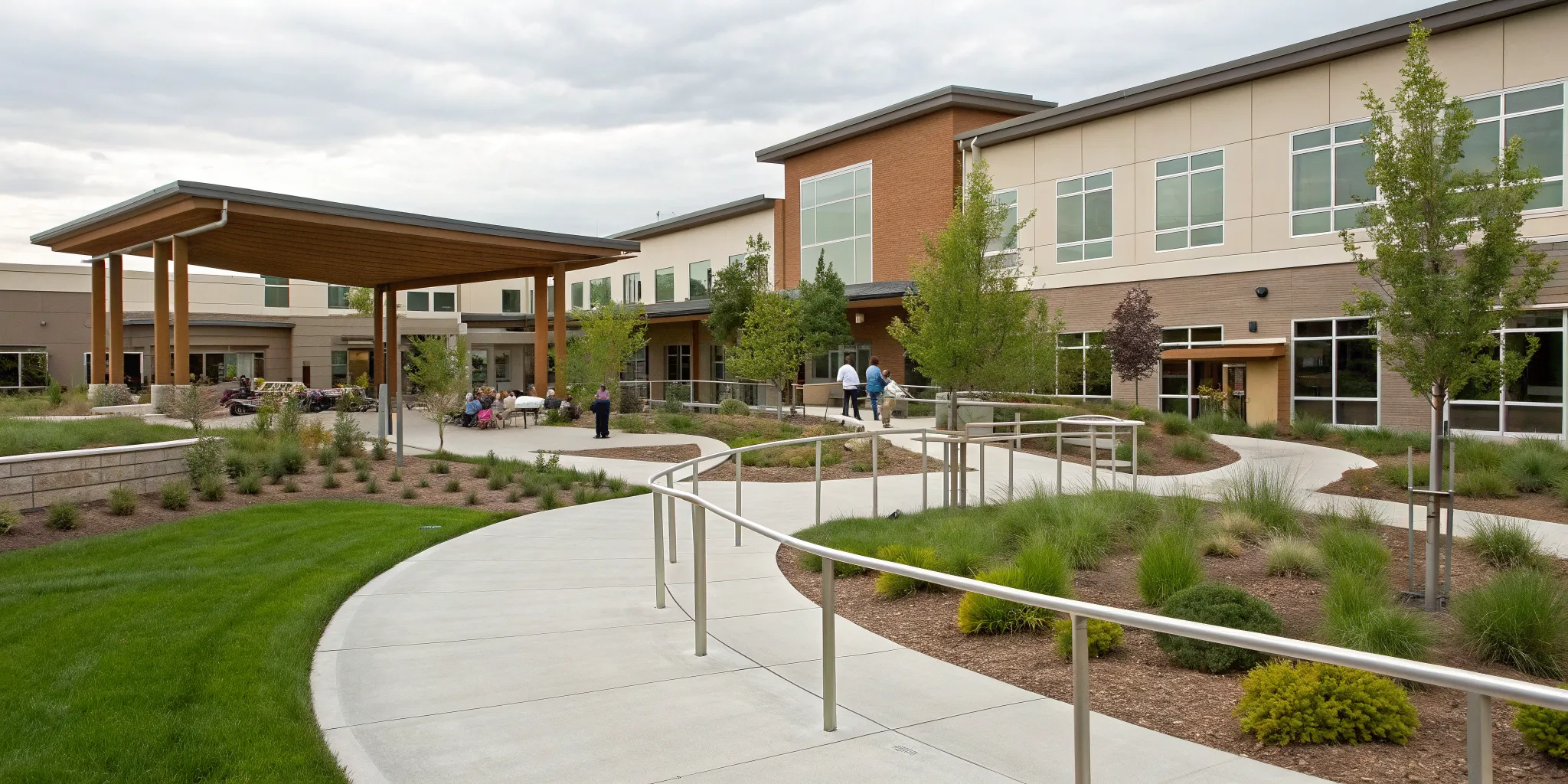
A strong connection to nature is a key element of modern senior living design. Developers are increasingly incorporating thoughtfully designed outdoor spaces that go beyond a simple patch of grass. This includes features like secure walking paths, landscaped courtyards with comfortable seating, and community gardens with raised beds that allow residents to cultivate plants and vegetables. These spaces offer more than just fresh air; they provide opportunities for light physical activity, social interaction, and a sense of purpose. For many residents, the ability to spend time outdoors in a safe and beautiful setting is a major factor in their quality of life.
When you’re building a senior living facility, safety isn’t just about meeting code; it’s the foundation of the entire design. Families and residents look for a community where they can feel secure, supported, and independent. For general contractors, understanding these non-negotiable safety features is crucial for delivering a project that meets the client’s vision and the residents’ needs. These elements are often the biggest selling points for a facility, demonstrating a commitment to resident well-being that goes far beyond aesthetics.
From preventing common accidents to ensuring a rapid response in an emergency, every design choice matters. It’s about creating an environment that anticipates the challenges of aging and proactively addresses them. Incorporating these features from the earliest stages of planning ensures they are integrated seamlessly into the building’s structure and flow. Thinking through these details not only leads to a better final product but also positions your team as a knowledgeable partner in this specialized construction sector. Many successful contractors find that highlighting their expertise in these areas helps them win more projects in the competitive senior living market.
Fall prevention is a top priority in any senior living design. The construction itself can play a huge role in minimizing this risk. This starts with specifying the right materials, like non-slip flooring in bathrooms, kitchens, and common areas. It also includes structural supports like strategically placed grab bars in hallways and bathrooms. Design choices like zero-threshold, walk-in showers remove common tripping hazards. Ample, even lighting throughout the facility, including in closets and along pathways, is also essential to ensure residents can see clearly. These features are considered critical safety measures that help residents maintain their independence and confidence as they move through the space.
In an emergency, every second counts. Modern senior living communities must be equipped with easy-to-use, 24/7 emergency response systems. This technology gives both residents and their families peace of mind. Common solutions you’ll be asked to install include pull cords in bedrooms and bathrooms, wearable emergency pendants or wristbands, and wall-mounted call buttons. The key is that these systems must be intuitive and accessible from anywhere in a resident’s apartment or throughout the community. Integrating this technology requires careful planning during the electrical and low-voltage phases to ensure complete coverage and reliability. These proactive safety measures are essential to protect residents and provide immediate assistance when needed.
A secure environment helps residents feel safe at home. This involves creating controlled access points to the building and within it, especially for memory care units where wandering can be a concern. Features like key card or fob entry systems for main doors and individual apartments are standard. It’s also important to ensure all exterior areas, including parking lots, courtyards, and walking paths, are well-lit to enhance visibility and security. The design should provide a balance, offering robust security without making the community feel restrictive or institutional. A well-planned facility takes every precaution to ensure residents feel safe and supported from the moment they arrive.
Fire safety in senior living facilities goes beyond standard sprinklers and smoke detectors. The design must account for the unique needs of residents who may have mobility challenges. This means creating wide, unobstructed hallways and clear, well-lit evacuation routes. Fire doors should be easy to open but effective, and alarm systems should include visual signals, like strobe lights, for residents who are hard of hearing. Beyond the physical build, the facility’s design must support an effective evacuation plan. As a contractor, your role is to build a space that makes this plan feasible, ensuring the safety of every resident in an emergency.
Building a senior living facility is about more than just constructing a building; it's about creating a safe, comfortable, and supportive home. Quality in these projects extends far beyond the materials you use. It directly impacts the well-being of residents and the long-term success of the facility operator. A high-quality build ensures the environment is not only safe and accessible but also promotes a sense of community and independence for its residents. For general contractors and subcontractors, delivering on this promise of quality is what builds a strong reputation in this growing market.
Achieving this level of quality requires a comprehensive approach that starts long before the first shovel hits the ground. It involves a deep understanding of regulatory requirements, a commitment to resident-centric design, and rigorous oversight throughout the entire construction process. From ensuring every doorway is wide enough for a wheelchair to installing reliable emergency call systems, every detail matters. By focusing on these key areas, you can deliver a project that meets the client's expectations and provides a superior living experience for the seniors who will call it home. This proactive stance on quality helps prevent costly rework and ensures the final product is both compliant and compassionate.
In senior living construction, meeting regulatory standards isn't just a box to check, it's the foundation of resident safety and the facility's license to operate. These projects are subject to a complex web of rules, including the Americans with Disabilities Act (ADA), local health and fire codes, and state-specific licensing requirements. As a contractor, your job is to ensure every aspect of the build, from handrail heights to fire suppression systems, is perfectly aligned with these mandates. A failure in compliance can lead to significant delays, fines, and a damaged reputation. Staying current on these codes is essential for anyone looking to succeed in the senior living sector.
Senior living facilities come with a unique set of design challenges that go beyond typical commercial or residential construction. The goal is to create spaces that are functional, safe, and feel like home, not an institution. This means thinking through details like zero-entry showers, non-slip flooring, and ample, glare-free lighting. Modern designs also account for social and practical needs. For example, many new communities now feature spacious, multi-functional mailrooms to handle package deliveries and serve as a social hub. Understanding these specialized design principles helps you anticipate client needs and deliver a more thoughtful, competitive final product.
A solid quality control plan is what turns great design and compliance standards into reality. This involves more than just a final walkthrough. It requires establishing clear checkpoints and communication protocols with all subcontractors throughout the project. From verifying the correct installation of emergency response systems to ensuring grab bars are anchored to support specific weight loads, every detail needs verification. Implementing a rigorous quality control process helps you catch potential issues early, saving time and money while ensuring the finished facility is truly safe and ready for residents. This proactive oversight is key to delivering a project that stands up to scrutiny.
Senior living projects are rewarding, but they also come with a distinct set of challenges. Unlike a standard commercial build, these facilities sit at the intersection of residential, hospitality, and healthcare construction. Successfully completing these projects means preparing for hurdles related to intricate designs, complex regulations, and the ongoing skilled labor shortage. Understanding these potential roadblocks from the outset is the first step toward building a solid project plan and a successful facility.
Building a senior living facility requires a deep understanding of residents' specific needs. The design must accommodate everything from mobility assistance to advanced medical technology, all while feeling like a comfortable home. This means balancing safety regulations with modern aesthetics and integrating features like nurse call systems seamlessly into the design. For general contractors, this complexity demands meticulous planning and collaboration with architects and engineers who specialize in this unique space. It’s about creating environments that are not only safe and compliant but also enhance residents' quality of life.
Getting a senior living project approved often involves more than just securing the right permits. These developments can face community pushback, so engaging with neighbors early is key to addressing concerns and building support. Beyond community relations, you'll also deal with layers of regulations. These projects must meet strict local building codes and state-level health standards, especially for assisted living or memory care units. Using tools like Mercator's free permits app can help you stay on top of local requirements, but it's crucial to plan for the added time these regulatory processes demand.
The construction industry's skilled labor shortage is a significant challenge, especially in senior living construction. These facilities require specialized tradespeople experienced with healthcare-grade finishes, complex MEP systems, and the precise installation of accessibility features. Finding subcontractors and workers with this expertise can be difficult, potentially leading to project delays and higher labor costs. Building strong relationships with reliable subcontractors is more important than ever. As our customer stories show, having a solid network is fundamental to overcoming these labor hurdles and delivering a high-quality project on time.
Understanding the budget for a senior living project goes far beyond square footage and materials. These specialized facilities have unique cost drivers that can significantly impact the final price tag. From the initial land purchase to the final technology integrations, every decision shapes the budget. Key factors that influence costs include the project's location, the specific type of care the facility will offer, the complexity of its design and amenities, and the level of technology woven into its infrastructure. For general contractors and subcontractors, getting a handle on these variables early is crucial for creating accurate bids and managing project expectations effectively.
The old real estate mantra, "location, location, location," holds especially true for senior living construction. Land acquisition costs can vary dramatically across Texas, and so can labor rates and permitting fees. Beyond the price of the land itself, preparing the site is a major expense. You might be working with a raw plot of land requiring extensive grading and utility hookups, or you could be redeveloping an existing property. With nearly half of all senior living communities in the U.S. being over 25 years old, renovation and demolition projects are common. These sites often come with their own set of challenges, like hazardous material abatement or bringing outdated structures up to modern code, all of which add to the bottom line.
Not all senior living communities are created equal, and the type of facility is a primary cost driver. An independent living community will have a different cost structure than an assisted living or memory care facility. For example, memory care units require specialized layouts, enhanced security systems, and specific design cues to support residents, which increases the cost per square foot. The overall size of the project also plays a role. While larger facilities can sometimes benefit from economies of scale in material purchasing, their total project cost is naturally higher. Each facility type presents unique design and construction challenges that contractors need to factor into their bids.
Today’s seniors expect more than just a place to live; they want a vibrant community with hotel-like amenities. This shift has led to more complex and expensive designs. High-end finishes, gourmet commercial kitchens, fitness centers, swimming pools, and professionally landscaped outdoor spaces are becoming standard. Even functional areas are getting an upgrade, with developers planning for spacious, multi-functional mailrooms to handle package deliveries. These trends in seniors housing design reflect a move toward creating an experience, not just a building. For contractors, this means accounting for higher material costs and the specialized labor needed to execute these sophisticated designs.
Technology is no longer an optional add-on; it’s a core component of modern senior living facilities. Integrating these systems is a significant and growing part of the construction budget. We’re talking about community-wide Wi-Fi, smart home features in individual units (like automated lighting and thermostats), and advanced safety systems, including emergency call buttons and fall detection sensors. The infrastructure for telehealth services is also becoming a must-have. These emerging technologies in senior living require careful planning and coordination with specialized low-voltage subcontractors, adding another layer of complexity and cost to the project.
Senior living projects are complex and require a significant time investment from concept to completion. Unlike a standard commercial build, these facilities have specialized design, regulatory, and operational needs that extend the timeline. For general contractors, subcontractors, and suppliers, understanding this long-game lifecycle is key to knowing when and how to get involved. A project that appears on public tender boards is already well underway, with many key decisions and partners already in place.
The entire process can easily span several years. It’s not just about the time spent on the job site; the phases before and after construction are just as critical and often take much longer. The journey is typically broken down into three main stages: pre-construction planning, the active construction build-out, and the final post-construction preparations. Each phase presents unique opportunities to build relationships and secure work, but the earliest stages offer the greatest potential for influence and partnership. Tracking projects from the very beginning gives you the best chance to win the business.
This is where it all begins, and it’s often the longest and most challenging phase. Pre-construction can take anywhere from a few months to several years to complete. During this time, the developer focuses on critical groundwork like site selection, market feasibility studies, securing financing, and working through the maze of zoning and land use regulations. Architects and engineers are brought on board to create the initial designs and blueprints. This is the stage where you can track permit activity to spot projects long before they break ground. For contractors and suppliers, this is the golden window to build relationships with the development team and design partners, positioning your company as a valuable resource from the start.
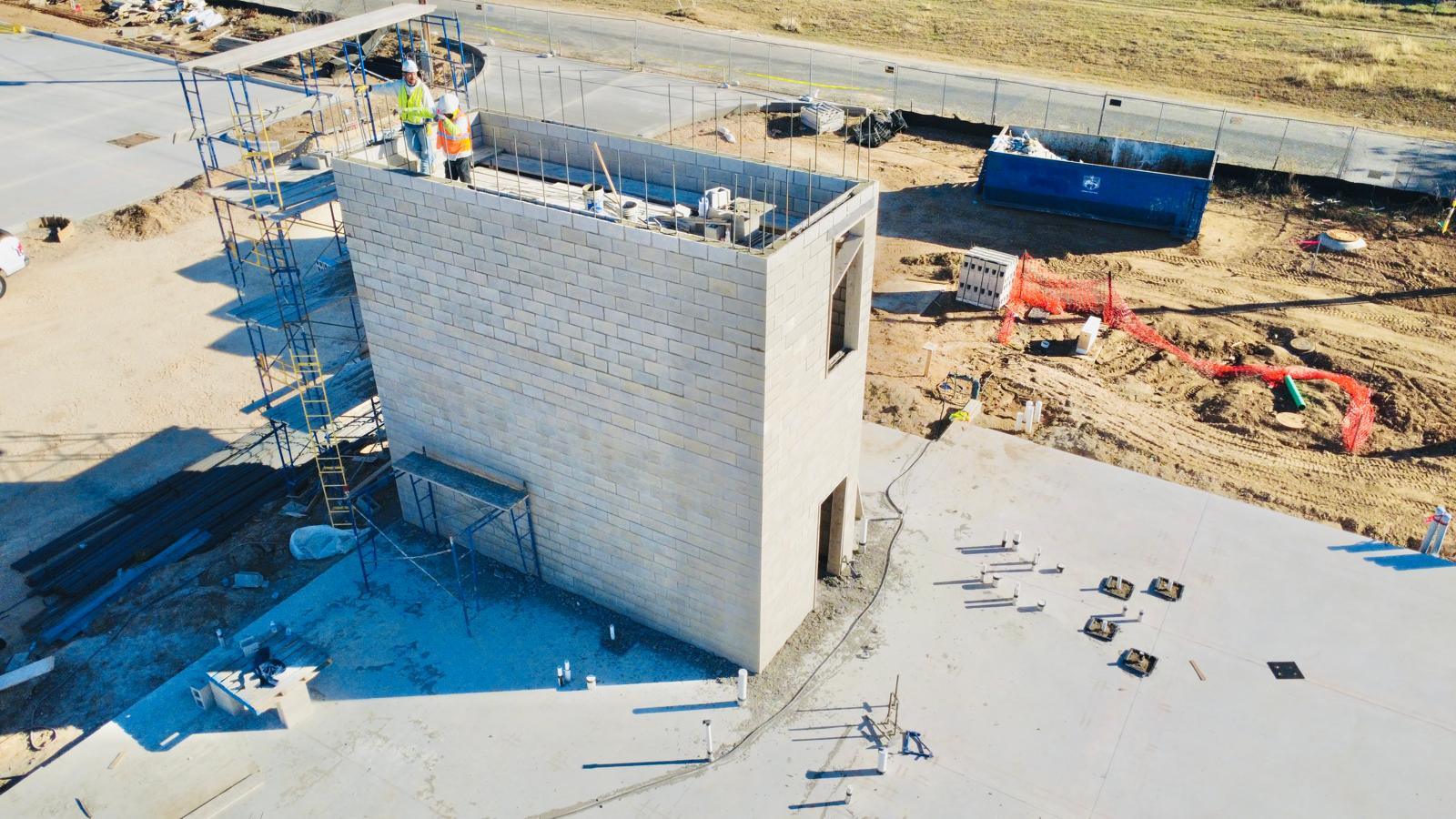
Once the plans are approved and the permits are in hand, the project moves into the active construction phase. This is when the vision starts to become a physical reality. The timeline for the build-out itself can vary widely based on the facility's size, complexity, and location, but it typically ranges from 12 to 24 months. This stage follows a familiar sequence: site work and excavation, laying the foundation, framing the structure, installing mechanical and electrical systems, and finally, completing the interior and exterior finishes. The most successful firms have already been specified for the project by this point, a testament to their early engagement, as highlighted in our customer stories.
The work isn’t over once the last coat of paint is dry. The post-construction phase is a critical final step that can take several months. This period involves rigorous final inspections from city officials to obtain a certificate of occupancy. The general contractor works through a punch list to address any remaining issues, ensuring every detail meets the project's specifications. It’s also when the owner coordinates the installation of furniture, fixtures, and equipment (FF&E), from commercial kitchen appliances to medical equipment and resident furnishings. This final push ensures the facility is safe, fully functional, and welcoming for its first residents.
The senior living landscape is changing fast. Today’s older adults expect more than just a safe place to live; they want vibrant, modern communities that support an active and engaging lifestyle. For general contractors, subcontractors, and suppliers, staying ahead of these trends is crucial for winning bids and delivering projects that truly stand out. As developers plan their next facilities, they’re looking for partners who understand the future of senior housing. From sustainable building practices to resort-style amenities, the focus is on creating environments that promote wellness, community, and a higher quality of life. Keeping these forward-thinking designs on your radar will help you better serve your clients and position your company as a leader in this growing market.
Green building is no longer a niche request; it’s becoming a core requirement in senior living development. As one industry report notes, "Senior living facilities are moving housing forward by incorporating more consideration for the environment, facility caregivers, and residents’ wishes for higher living standards." This means developers are prioritizing energy-efficient systems, sustainable materials, and designs that create healthier indoor environments. For your team, this could involve installing high-performance windows, solar panels, or advanced HVAC systems with superior air filtration. It also includes using low-VOC paints and finishes to improve indoor air quality. These features not only reduce the facility's long-term operating costs but also contribute to the health and well-being of residents, making them a powerful selling point for developers. Familiarizing yourself with green building standards can give you a significant edge.
Maximizing every square foot is key in modern senior living design. Instead of single-purpose rooms, developers are opting for flexible, multi-functional spaces that can adapt to the community's needs throughout the day. Think of a large dining area that can be reconfigured for a guest lecture, a movie night, or a fitness class. Even traditionally utilitarian spaces are getting an upgrade. For example, some new residences feature "spacious, multi-functioning mailrooms with areas for large and small packages," transforming them into social hubs. This trend requires careful planning during construction, from integrated audiovisual systems and adaptable lighting to durable flooring that can handle various activities. As a contractor, proposing smart flexible design solutions can add immense value and show clients you’re thinking about the long-term functionality of the building.
The demand for upscale, resort-style senior living is on the rise. Developers are moving away from institutional-feeling facilities and toward creating communities with luxury amenities that rival high-end hotels. We're seeing projects that include everything from spas and wellness centers to gourmet dining rooms, art studios, and rooftop lounges. This shift reflects a desire for a more sophisticated and enriching lifestyle. Alongside these amenities, new housing models like co-living are gaining traction. These designs often feature private resident suites connected to expansive, beautifully appointed common areas, fostering a sense of community while preserving personal space. For construction professionals, this trend means working with high-end finishes, complex kitchen and spa equipment, and intricate design elements. It’s an opportunity to showcase your team’s ability to deliver a premium-quality product that meets the market’s highest expectations.
Modern senior living facilities are designed with resident health as a top priority, and technology plays a huge role in that. As one expert points out, "Technology adoption in senior living communities enhances safety, care quality, and resident engagement." This goes far beyond emergency call buttons. New construction projects are integrating smart home features, telehealth infrastructure, and wellness-focused technologies right into the building’s framework. This can include installing circadian lighting systems that support natural sleep cycles, advanced air purification systems, and touchless fixtures to reduce the spread of germs. It also means building robust Wi-Fi networks to support wearable health monitors and virtual connections with family and doctors. For your projects, this requires early collaboration with technology vendors and a deep understanding of the infrastructure needed to support these smart building systems.
How is building a senior living facility different from a typical multi-family project? While both are residential, a senior living facility is far more complex because it blends elements of hospitality, healthcare, and home. The design must meet strict accessibility and safety regulations, like those from the ADA, and often includes specialized infrastructure for medical support and emergency response systems. Unlike a standard apartment building, every detail, from the flooring material to the lighting design, is chosen to support the health and independence of an older population.
What are the biggest trends I should be aware of for future senior living projects? The industry is moving toward creating vibrant, wellness-focused communities. Developers are prioritizing sustainable building practices, like using energy-efficient systems and healthier materials. You'll also see a greater demand for luxury amenities, such as spas and gourmet dining, and flexible, multi-functional spaces that can be used for everything from fitness classes to social events. Technology integration, especially for telehealth and resident safety, is also becoming a standard expectation.
The pre-construction phase seems critical. How can my company get involved that early? Getting involved early requires being proactive long before a project goes to public bid. This means building relationships directly with developers, architects, and engineers who specialize in the senior living sector. You need to monitor early project signals, such as land sales, rezoning applications, and initial permit filings. Having visibility into these upstream activities gives you the chance to introduce your services and become a trusted partner before key decisions are made.
Why is it important to know the difference between an independent living and a memory care facility? Understanding the different facility types is crucial because their construction needs vary dramatically. An independent living community is similar to a high-end apartment complex with added amenities. A memory care unit, however, is a highly specialized healthcare environment. It requires specific layouts to prevent wandering, enhanced security features, and therapeutic design elements, all of which impact your scope of work, materials, and compliance requirements.
Beyond the basic build, what details really matter in senior living construction? Success in this sector comes down to the details that affect residents' daily lives. This includes thoughtful safety integrations like zero-threshold showers and non-slip flooring to prevent falls. It also means ensuring the seamless operation of technology, from smart home features to emergency call systems. Quality control is essential, as even small mistakes, like improperly anchored grab bars, can have serious consequences for resident safety and the facility's reputation.


.png)