
Case Studies


The most valuable construction projects in Miami aren’t found on public bid sites; they’re uncovered long before they become public knowledge. These opportunities begin as quiet land transactions, rezoning applications, or early permit filings. If you’re waiting for a press release, you’ve already missed the chance to influence the project and build a foundational relationship with the key players. To truly get ahead, you need a way to tap into these upstream signals. This is where targeted construction project alerts miami become your most powerful tool, turning faint whispers of a future development into your next big contract before anyone else even knows it exists.
Have you ever felt like you’re the last one to hear about a major project breaking ground? In a competitive market, finding out about an opportunity after it’s already public means you’re already behind. Construction project alerts are simply notifications that give you a real-time heads-up on new projects, from initial planning stages to permit filings. They are designed to get crucial information into your hands so you can stop reacting and start planning.
Think of it as the difference between scrambling to submit a last-minute bid and strategically positioning your company to win the work. These alerts aren’t just about finding more projects; they’re about finding the right projects early enough to make a meaningful connection. Instead of waiting for opportunities to appear on public bid boards, you get a direct line to projects as they take shape. This early visibility allows you to qualify leads, build relationships with developers, and get your foot in the door long before the competition arrives. It’s about shifting from a reactive sales process to a proactive business development strategy.
A truly valuable project alert is much more than a link to a bid posting. It’s early intelligence that signals a future opportunity. Imagine getting a notification the moment a developer purchases a parcel of land, or when a rezoning application is filed with the city. These are the earliest indicators that a project is on the horizon. Modern AI-powered platforms are built to track these upstream signals, giving you a heads-up months, or even years, before a project becomes common knowledge. This means the notifications you receive are about genuine, developing opportunities, not just another name on a crowded bid list.
Getting project information early fundamentally changes how you compete for work. It gives you the time to build relationships with key decision-makers before your competitors even know a project exists. Instead of just competing on price, you can get involved in the conversation sooner, understand the project’s specific needs, and position your team as the ideal partner. This proactive approach helps you secure better contracts and plan your resources more effectively. Hearing from companies who’ve made this shift shows just how powerful it can be to get in on the ground floor. You can see how other contractors have used early intelligence to gain a competitive edge in their own customer stories.
Finding reliable construction project alerts in Miami means knowing where to look. Public agencies are a great starting point for government-funded projects, but private developments often require a different approach. The key is to tap into a mix of sources so you get a complete picture of the opportunities available, from major roadwork to new high-rises.
Different platforms and agencies cover different types of work, so relying on just one can leave you with significant blind spots. A city-level office might list a new park, while the county focuses on a highway expansion. Meanwhile, a private commercial tower might only appear on a specialized platform that tracks early development signals. By combining these resources, you can build a powerful system for spotting new projects across Miami-Dade County and get your team in front of the right people at the right time.
If your work involves infrastructure, the Miami-Dade County Transportation and Public Works department is an essential resource. This agency manages the planning and construction of public projects like roads, bridges, sidewalks, and traffic systems. They offer a straightforward way to stay informed by providing weekly construction reports sent directly to your email.
Signing up for these updates ensures you have a steady stream of information on county-led initiatives. This is perfect for subcontractors and suppliers specializing in civil construction and public infrastructure. For specific questions, their Construction Division is also available by phone. You can explore their current construction projects to get a feel for the type and scale of work they oversee.
For projects happening within the City of Miami itself, the Office of Capital Improvements (OCI) is your go-to source. The OCI provides a detailed overview of significant construction projects and building notices, giving you a clear window into the city’s development pipeline. This is where you’ll find information on public buildings, parks, and other municipal improvements.
Their website is particularly useful because it allows you to filter capital improvement projects by district. This feature helps you zero in on the specific neighborhoods you serve, making it easier to track relevant opportunities without sifting through city-wide announcements. It’s a practical tool for general contractors and subcontractors focused on specific territories within Miami.
While public portals are great for government work, they often miss the earliest signs of private development. For a competitive edge, you need a more proactive approach. This is where a service like Mercator.ai comes in, sending you real-time alerts on new construction projects by tracking the first indicators of development.
Instead of waiting for a public announcement, you can get notified about land transactions, rezoning applications, and permit activity. These early signals mean you can identify opportunities months before your competitors even know a project exists. This upstream visibility is critical for building relationships and getting your services specified early. It’s an effective way to stay ahead of the curve on Florida construction coverage and focus on high-value private projects.
Miami's construction scene is buzzing with activity across the board. From towering new skyscrapers reshaping the skyline to essential infrastructure upgrades happening on the ground, there are opportunities for every type of contractor and supplier. Understanding where the growth is happening can help you focus your business development efforts. Here’s a look at the key project types you’ll find in the city.
If you work in civil construction, Miami-Dade County has a steady stream of projects to keep you busy. The county’s Public Works department is constantly working to keep up with the city's growth. This means a consistent need for contractors who specialize in improving intersections, upgrading traffic signals, and completely rebuilding roads. You’ll also find opportunities in road resurfacing, installing new sidewalks, widening bridges, and modernizing drainage systems. These ongoing construction projects are essential for keeping Miami moving safely and efficiently, making them a reliable source of work for specialized subcontractors and suppliers.
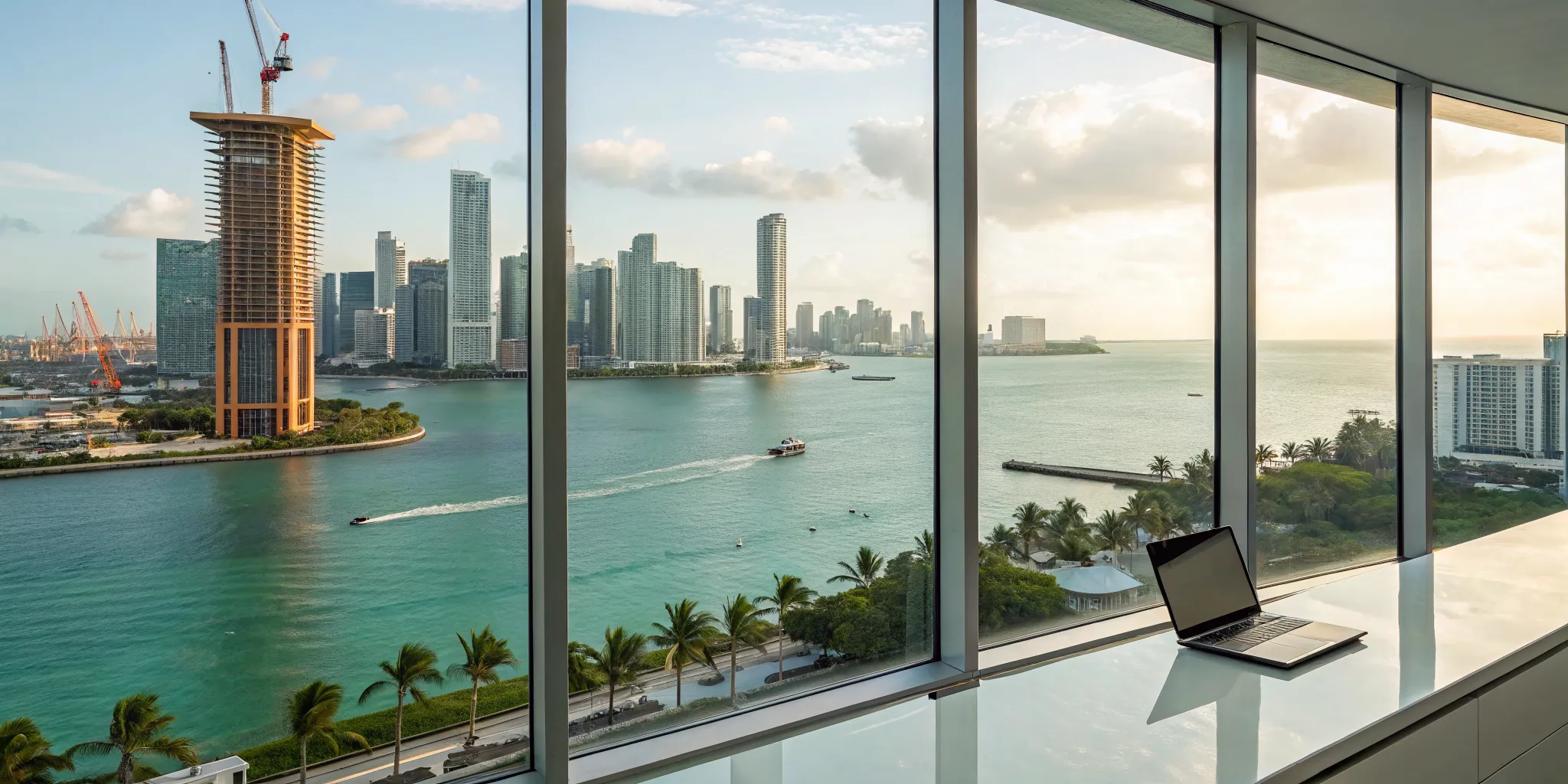
You don’t have to look far to see that Miami is building up, literally. The city's skyline is in the middle of a massive transformation, with a boom in high-rise construction that outpaces the rest of the state combined. With dozens of skyscrapers currently under construction, opportunities are abundant for general contractors, subcontractors, and material suppliers focused on residential and commercial towers. This vertical growth reflects Miami's status as a global destination, attracting investment that fuels a constant demand for new living spaces, offices, and retail hubs. For firms that can handle the complexity of high-rise development, Miami is the place to be.
While the demand for new construction is high, it’s important to acknowledge the on-the-ground realities. The Miami market is dealing with challenges like rising material costs and a significant labor shortage, which can impact project timelines and budgets. These hurdles are especially felt in public works and utilities, where projects are critical for supporting the city's expansion. Despite these pressures, the need for updated infrastructure isn't slowing down. This creates a consistent demand for skilled teams who can efficiently manage complex utility upgrades and public works projects, even in a challenging labor market.
When you’re putting together a bid, it’s easy to focus on the big-ticket items like materials and labor. But in a city as dynamic and dense as Miami, the hidden costs are often tied to logistics. Getting people, materials, and equipment to and from your site efficiently is a massive piece of the puzzle. Overlooking these details can quickly eat into your profit margins, turning a promising project into a financial headache. A successful bid isn't just about having the best price; it's about having the most realistic and well-planned one.
Thinking through the on-the-ground realities of a project location before you submit your numbers is crucial. Will your crews be stuck in traffic? Is the site surrounded by residential buildings with strict noise ordinances? Are there local events that could shut down access for a day? Answering these questions early helps you build a more accurate, competitive, and profitable bid. It shows you’ve done your homework and understand the unique challenges of building in Miami, which is a key part of building trust with potential clients. Many of our customers find that this early-stage intelligence gives them a significant advantage over competitors who only look at the surface-level details.
In Miami, traffic isn’t just an annoyance; it’s a major cost factor. A delivery that’s delayed by an hour on the Palmetto Expressway can throw off your entire schedule for the day. When you’re bidding on a project, especially in a congested area like Downtown or Brickell, you have to account for these potential delays. Consider the recent traffic disruptions caused by construction at the JEM Residences. These situations lead to frustrated neighbors, potential violations, and costly work stoppages. Your bid should reflect the real-world time it takes for crews to arrive, for materials to be delivered, and for heavy equipment to be moved, including any necessary permits for street closures.
Miami’s construction scene is booming, but it’s also one of the most hazardous sectors in the industry. Because of this, safety and noise regulations are strictly enforced. These rules can dictate your working hours, how you manage your site, and the safety protocols you must follow. Violations lead to fines and stop-work orders that can derail your project timeline and budget. When preparing your bid, you need to factor in the cost of compliance. This includes everything from advanced safety equipment and training to potentially longer project timelines if you’re restricted from working during certain hours due to noise ordinances in residential areas.
A construction site doesn’t exist in a vacuum. It’s part of a neighborhood, and your project will impact the residents and businesses around it. As ongoing construction delays in Downtown Miami show, community frustration can create significant hurdles for a project. Before you bid, get a feel for the neighborhood. Are you next to a school that requires quiet hours? Will your work block access to a popular local restaurant? Building a buffer into your bid for community relations, clear signage, and proactive communication can prevent complaints and interventions from the city, saving you time and money in the long run.
If you’ve ever felt like you’re a step behind on new Miami construction projects, you’re not alone. The city’s rapid growth is exciting, but it also creates a chaotic information landscape that’s tough to keep up with. Relying on public announcements or word-of-mouth means you’re often hearing about opportunities when everyone else does, making it harder to get a competitive edge.
The core issue isn’t a lack of projects; it’s the struggle to find timely, accurate information before your competitors do. Let’s break down why tracking upcoming work in Miami can feel like a full-time job in itself.
Miami’s construction market is one of the most active in the country, fueled by a constant influx of residents and investment. While this boom is great for business, it also means project details are spread thin across countless sources. Information lives on city planning websites, in engineering reports, and in private development portfolios. This fragmentation forces you to piece together a puzzle with missing parts.
Because the market moves so quickly, there’s no single, reliable place to get the full picture. A new high-rise might be hinted at in a zoning application while a major infrastructure project is buried in a public works budget. This scattered approach makes it incredibly difficult to see what’s truly on the horizon.
By the time a project hits the news or a public bidding site, the key decisions have often already been made. The architect is chosen, the GC is in place, and major suppliers have already started building relationships. Waiting for the official announcement puts you in a reactive position, forcing you to compete on price rather than value.
Getting in early allows you to build relationships and influence specifications before the project is set in stone. As our customer stories show, the firms that win the best work are the ones who identify opportunities months ahead of the public chatter. Late information simply leaves you scrambling to catch up with competitors who got there first.
To stay informed, you might be checking multiple municipal websites, subscribing to industry newsletters, and networking constantly. Each source provides a small piece of the puzzle, but managing them all is inefficient and time-consuming. It’s easy for a critical detail, like a permit application or a land sale, to slip through the cracks when you’re monitoring so many different channels.
This manual process is not only draining but also unreliable. You might miss a key update while you’re focused elsewhere, or hear about a project too late to make a meaningful connection. You can start to simplify this by using tools like a free permits app to consolidate at least one source of information, but a truly proactive strategy requires a more streamlined approach.
Trying to track every new project in a market as busy as Miami can feel like drinking from a firehose. The information is scattered across dozens of websites, and by the time a project is publicly announced, you’re already behind. Instead of reacting to market chatter, you can build a proactive system that brings the right opportunities directly to you. Creating your own project alert system is about cutting through the noise and focusing on the signals that matter most to your business.
A good system doesn’t just tell you what’s happening; it tells you what’s happening early. It helps you spot projects when they are still just a concept, giving you time to connect with key decision-makers and position your company as the perfect partner. By customizing your alerts, streamlining your sources, and setting up a workflow that fits your team, you can turn project tracking from a time-consuming chore into your most powerful business development tool. It’s about working smarter, not harder, to fill your project pipeline.
The first step to building a useful alert system is to define exactly what a "good" project looks like for your business. Generic notifications about every permit filed in Miami-Dade County will only clutter your inbox. You need alerts tailored to your specific expertise and capacity. Think about your ideal project criteria: Are you focused on high-rise residential, commercial interiors, or public infrastructure? What project value or square footage is your sweet spot? Which neighborhoods or districts do you primarily serve?
Once you have your criteria, you can filter out the irrelevant opportunities. This ensures that every notification you receive represents a genuine lead worth pursuing. For example, Mercator’s Free Permits App sends you real-time alerts on new construction projects, helping you find opportunities that match your custom filters before anyone else. This level of focus is what separates a successful project tracking strategy from a frustrating one.
If your current process involves checking multiple city and county websites, industry newsletters, and local news outlets every day, you’re spending too much time hunting for information. A truly effective system consolidates these disparate sources into a single, reliable stream of intelligence. The goal is to have all the critical project information you need delivered to you, so you can spend your time building relationships and preparing bids instead of chasing down data.
The most powerful systems pull from early-stage indicators that often precede public announcements. Mercator.ai, for instance, surfaces Florida-specific early indicators including private land sales, rezonings, and permit filings, often months before projects go public. By streamlining these upstream sources, you get a more complete and timely picture of development activity. This gives you a significant head start on competitors who are still waiting for the official press release.
An alert is only useful if it prompts action. The final piece of the puzzle is designing a notification system that fits seamlessly into your daily workflow. Do you prefer a single email digest in the morning? Real-time notifications sent to a team Slack channel? The right setup depends on how your team operates. The key is to make the information accessible and easy to act on, so promising leads don't fall through the cracks.
Ultimately, the goal is to get ahead of the project lifecycle. The best systems identify new projects years to months before traditional methods by tracking the earliest signals of development, like land transactions and rezoning applications. This early visibility is a game-changer, giving you the chance to connect with owners and developers long before the bidding process even begins. Seeing how other firms have successfully implemented these strategies in their own customer stories can provide a great blueprint for your own success.
Staying ahead in Miami’s fast-moving construction market means knowing where to find reliable project information. The best approach combines official sources with community insights and modern technology. Tapping into these different channels gives you a complete picture of what’s happening now and what’s on the horizon. Here are the key resources to track projects and get the alerts you need to act fast.
For authoritative information, your first stop should be official government websites. The City of Miami maintains a page for its Capital Improvement Projects, which is an excellent resource for significant public developments and building notices. In a similar vein, Miami-Dade County’s Public Works department shares updates on new roadway construction projects, including improvements to bridges, traffic lights, and sidewalks. Monitoring these official channels helps you track public-sector work and anticipate how major infrastructure upgrades might create opportunities for private development nearby.
To get a feel for what’s happening on the ground, turn to local news and community networks. These sources often provide real-time updates you won’t find on a government site. With Miami’s skyline constantly changing, online forums and local social media groups are buzzing with discussions about new skyscraper developments. Following these conversations can give you early clues about upcoming work. Additionally, many large-scale projects maintain their own construction update pages to inform the public about traffic changes and work schedules. Keeping an eye on these communications is a smart move for planning your logistics.
For instant notifications, mobile apps and social media alerts are your best bet. These tools deliver timely information directly to your phone. For example, the City of Miami Beach offers a text alert system for public safety notifications and traffic updates, which is useful for anyone working in the area. To get more specific, specialized platforms can give you a real edge. Apps like Mercator.ai’s Free Permits App are designed to send you real-time alerts about new construction permits, helping you discover private projects long before your competitors know they exist.
Keeping up with Miami’s construction landscape can feel like a full-time job. Between monitoring county websites, tracking local news, and networking, it’s easy to miss an opportunity until it’s already public knowledge. By the time a project hits the news, you’re often too late to build the relationships needed to get specified. This is where a more strategic approach comes in.
Instead of manually piecing together information from scattered sources, AI-powered platforms do the heavy lifting for you. These tools are designed to analyze vast amounts of data and identify the earliest signs of development, giving you a significant head start. They sift through the noise to deliver clear, actionable insights directly to you, so you can spend less time searching for projects and more time winning them. It’s about shifting from a reactive to a proactive business development strategy, ensuring you’re always one step ahead of the competition.
The best opportunities are the ones nobody else knows about yet. AI platforms identify new projects months, or even years, before they’re announced publicly by tracking the earliest signals of development. This includes monitoring everything from land transactions and project registrations to rezoning applications and permitting activity across Miami-Dade. By the time a project is common knowledge, you’ll have already had the chance to connect with key stakeholders. This early visibility allows you to build relationships and position your company as the ideal partner long before the bidding process begins. Many firms have found this approach completely changes their project pipeline, as seen in these customer stories.
Waiting for weekly summaries or manually checking permit databases means you’re working with old information. The key to getting ahead is receiving timely and relevant notifications. An AI-driven system can send you real-time alerts on new construction projects tailored to your specific business needs. For example, Mercator.ai’s Free Permits App sends you instant updates on new permits, helping you find opportunities before anyone else. This means you get a notification the moment a project that fits your criteria appears, allowing you to act immediately while your competitors are still catching up on last week’s news. It’s a simple way to make sure you never miss a valuable lead.
A simple alert is helpful, but true competitive advantage comes from understanding the full context behind a project. Modern platforms do more than just tell you a project exists; they provide deep intelligence to help you qualify the opportunity. Mercator.ai proactively surfaces private title transfers, rezonings, and permits as they emerge, identifying owners and consultants months before a project is awarded. This allows you to see who the key players are, understand their project history, and map out your existing network to find a warm introduction. With this level of AI-powered insight, you can approach potential clients with a clear understanding of their needs and get your products or services specified early in the design phase.
Why can't I just use the free city and county websites to find projects? You absolutely can, and you should use them for tracking public works. The challenge is that those sites typically only list projects once they are well into the planning stages or ready for bid. Private developments, which make up a huge portion of Miami's construction market, often don't appear on these sites at all. Using only public sources means you're missing out on a massive number of opportunities and hearing about the ones you do see at the same time as everyone else.
How early is "early," and does it really make a difference in winning a bid? "Early" means getting notified when a developer buys a parcel of land or when a rezoning application is first submitted, which can be months or even years before the project is publicly announced. This lead time is a huge advantage. It gives you the chance to build a relationship with the project owner and design team, understand their needs, and position your company as a partner. By the time your competitors are scrambling to submit a low-price bid, you've already established trust and value.
Are these project alerts useful for subcontractors and suppliers, or just general contractors? They are valuable for everyone in the project chain. For subcontractors and suppliers, getting early information is critical for getting your services or products specified in the project plans. When you know about a project during the design phase, you can connect with the architects and engineers to ensure your solutions are part of the initial scope, which is far more effective than trying to get swapped in later.
I'm already busy. How can I track all these opportunities without it becoming a full-time job? That's the core problem with manual tracking. Trying to monitor dozens of different sources is inefficient and exhausting. A smart alert system does the work for you by consolidating information and sending you only the leads that match your specific criteria. Instead of spending hours searching for projects, you receive a curated list of qualified opportunities, freeing you up to focus on strategy and relationship building.
What's the simplest way to start getting better project alerts right now? A great first step is to consolidate at least one source of information with a tool built for the job. For instance, you can try a free permits app to get real-time notifications sent directly to you. This immediately cuts down on the time you spend manually checking city databases and ensures you see new private projects the moment they are filed, giving you a simple but powerful head start.


.png)