
Case Studies


Retail opportunities rarely begin when a project appears on a bid list. In Indianapolis, retail construction projects Indianapolis can surface while a developer assembles parcels, pursues a zoning change, or prepares a site for utilities, grading, stormwater, or other land-disturbance work.
See how Mercator.ai surfaces early Texas construction signals and schedule a demo
Retail construction projects indianapolis can surface months early through permits, zoning filings, title transfers, and parcel assembly. Indianapolis publishes commercial development permit information through indy.gov, and Marion County records are searchable through Accela Citizen Access. Connecting these signals helps BD teams qualify opportunities before bidding begins.
The key is knowing what each record represents and how separate filings combine into a credible project pattern. That starts with distinguishing the retail formats and development stages that create meaningful signals in the Indianapolis market.
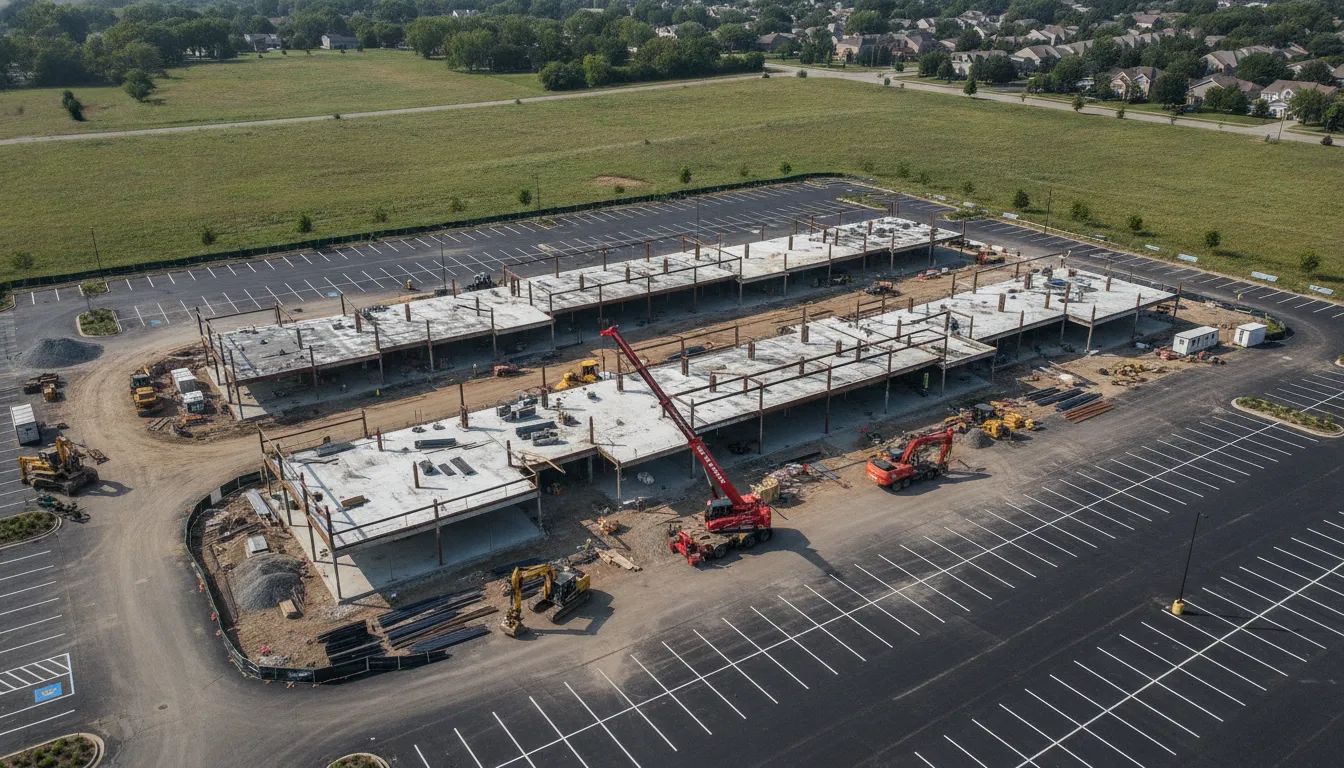
In short: Retail opportunities in Indianapolis include mixed-use developments, strip centers, big-box stores, and pad sites. Each format creates different early signals, from land-use filings and parcel assembly to site-development permits, and each can produce distinct scopes for contractors, suppliers, and specialty trades.
Retail construction is broader than a standalone store with a recognizable national sign. In the Indianapolis market, commercial development teams may be tracking several formats at once, each with different owners, timelines, and potential scopes of work. A useful opportunity definition includes the project type, its stage of development, and the signals that indicate whether the concept is moving toward vertical construction.
Mixed-use projects combine retail with apartments, offices, hotels, or civic space. The retail component may occupy a ground-floor frontage along a new street, anchor a larger neighborhood plan, or support residents and workers in the surrounding development. These projects can create multiple opportunities, including site work, shell construction, tenant improvements, and phased build-outs. Their records may appear first as land-use applications, rezoning activity, or plans for a larger development rather than as a clearly labeled retail job.
Strip centers group several smaller storefronts around shared parking and access drives. In Indianapolis, these developments may serve a growing suburban corridor, replace an older commercial property, or add convenience services to a residential area. The eventual tenant mix can change, so early records often identify the site by its address, developer, parcel, or broader commercial use. For a business development team, that uncertainty is useful context, not a reason to wait. It creates time to identify the stakeholders and understand the likely scope before individual tenants are announced.
Big-box projects involve large footprints, substantial parking, extensive utility work, and complex traffic considerations. They can generate significant construction demand, but they also tend to move through several planning and approval stages before a building permit makes the project obvious. Site-development, grading, stormwater, utility, and land-disturbance activity may provide an earlier indication that a large retail site is progressing.
Pad sites are individually developed parcels within or beside a larger retail center. Restaurants, banks, pharmacies, and other freestanding users commonly occupy them. A pad-site opportunity may surface through parcel division, title transfers, access planning, or land-assembly activity before a vertical building permit is filed. Tracking those early signals helps commercial teams distinguish a future retail opportunity from ordinary property turnover.
That distinction matters because retail construction projects in Indianapolis can become relationship-driven opportunities well before bidding begins. The early-detection model Mercator.ai applies in its Texas markets shows why permit, title-transfer, rezoning, and land-use signals can create a three-to-six-month head start. Mercator.ai's current platform coverage is Texas-focused, so the Indianapolis examples in this guide are educational public-record workflows, not a claim of current Indianapolis platform coverage. The goal is not to replace local knowledge or relationships. It is to give BD teams a framework for qualifying projects, identifying decision-makers, and beginning relevant conversations while development is still taking shape. For the supported Texas markets, a commercial construction leads tracker shows how teams can move from scattered filings to a ranked opportunity pipeline.
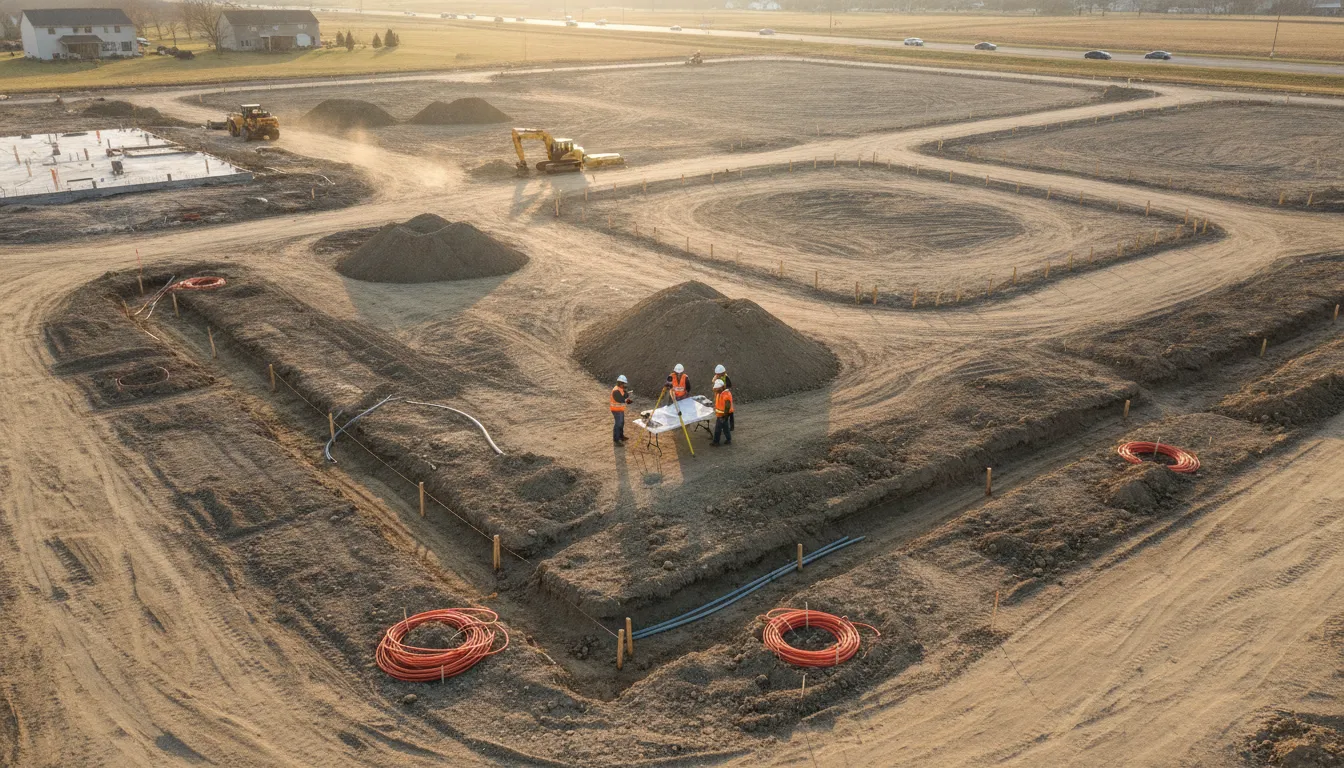
In short: Parcel assembly, entitlement filings, and site preparation can reveal a retail project before it appears on a public bid list. When those signals share an owner, address, or corridor, a BD team can qualify the opportunity. Map decision-makers, and start a relevant relationship before the bid window becomes crowded.
Public bid lists are useful, but they usually represent a later stage of the development cycle. By the time a retail project appears there, the owner may already have a preferred contractor, design partners, or established trade relationships. Business development teams that want a stronger position need to watch for the signals that appear before bidding begins.
That early window can be three to six months. During that period, a developer may file a land-use application, seek a rezoning, assemble adjoining parcels, or transfer title before submitting a building permit. Each action can reveal a project taking shape, even when no construction schedule or bid package is public.
Title transfers and parcel assembly are often the first clues. A single property sale may mean little on its own. But multiple acquisitions near a retail corridor can indicate that a developer is banking land for a larger use. Rezoning petitions add context by showing that the intended use may be changing. A site moving toward commercial, mixed-use, or higher-density development deserves closer attention, particularly when nearby parcels are involved.
Land-use and entitlement applications provide another layer of evidence. They can identify the proposed use, location, applicant, and other parties connected to the site. These records help BD teams distinguish a genuine opportunity from a speculative listing or a parcel with no defined development path.
Early detection is not about sending a generic sales message as soon as a record appears. It gives a team time to understand the site, identify the likely decision-makers, and offer useful expertise before the project becomes a competitive race. A contractor might share relevant experience with similar retail formats. A supplier might help evaluate lead times or material options. Those conversations can establish credibility while the plan is still being shaped.
Indianapolis teams can begin with public sources. The city publishes commercial development permit information, and Marion County records are searchable through Accela Citizen Access. Monitoring those records alongside title, zoning, and land-use activity creates a more complete view than relying on any single feed. For a broader look at upcoming retail construction projects, connect individual filings to corridor-level development patterns and revisit promising sites as new evidence appears.
The advantage is compounding visibility. A team that identifies a project at the entitlement stage can qualify it. Map the relationship path, and plan timely outreach before a public bid list narrows the field. When bidding finally opens, it is no longer approaching the opportunity as a stranger.
In short: Site-development, stormwater, grading, utility, and building permits create a project timeline that can be qualified before visible construction. Reviewing them together shows whether a retail parcel is moving from planning to physical preparation, and helps teams match outreach to civil, sitework, utility, or vertical-construction needs.
A retail project can become visible in public records well before a building shell appears on site. For teams tracking retail construction projects in Indianapolis, the useful question is not only whether a building permit has been issued. It is whether the surrounding site-development activity shows that a project is moving from concept toward construction.
Indianapolis publishes guidance for commercial development permits, and Indianapolis and Marion County applications can be searched through the Marion County Accela Citizen Access portal. These sources do not replace relationship-building or project qualification, but they give business development teams a public trail to investigate.
The practical advantage is chronology. Public records help a BD team recognize a project while there is still time to learn who is involved and offer relevant value. That is the foundation of stronger Indiana construction bid leads: not chasing every filing, but connecting related signals into a qualified opportunity before groundbreaking.
In short: Rezoning activity and coordinated title transfers can show that a developer is positioning several parcels for a future retail use. A single filing is not a confirmed job, but aligned ownership, land-use, access. And site-preparation signals give BD teams a stronger basis for researching the project and contacting the right stakeholders early.
The most valuable signal in a retail development corridor may appear long before a building permit. Developers often need to establish that a site can support the intended use, assemble enough land, and resolve ownership or access issues before vertical construction becomes visible. For a business development team, the entitlement window creates time to identify the parties involved and begin a useful conversation before a project reaches a crowded bid list.
A rezoning petition can reveal a change in the developer's intended use for a parcel. A parcel with agricultural or residential zoning may need a change before a shopping center, pad site, or mixed-use project can move forward. The filing may identify the applicant, property owner, legal description, proposed use, and hearing process. Those details help a BD team move from a broad geographic hunch to a named project and a credible outreach list.
Zoning applications provide a related signal. Look for requests involving commercial use, planned development districts, site plans, variances, access, parking, or setbacks. One filing is not proof that construction will start, and some proposals change or stall. It is still a meaningful indicator when the application aligns with other activity, such as nearby parcel purchases or land-use filings. Treat the record as an opportunity to qualify, not as a promise of a contract.
Retail developers frequently need more than one parcel to create a viable footprint, circulation plan, parking field, or visibility from a major road. Title transfers can expose that assembly process while it is still taking shape. A sequence of purchases by the same owner, a related entity. Or a development group can indicate land banking in a retail corridor, even when no building permit has been filed.
Parcel assembly becomes more useful when paired with timing and geography. Several transfers near an intersection, highway interchange, or expanding residential area deserve closer review. Compare the ownership changes with zoning petitions, land-use applications, and site-development activity. Stormwater, grading, utility, or land-disturbance records can strengthen the signal that the project is progressing from control of the land toward entitlement and construction planning.
This is where a construction intelligence platform can help teams in a supported market connect separate public-record events into a project-level view. Mercator.ai currently focuses on Austin, Dallas-Fort Worth, Houston, and San Antonio, not Indianapolis. Indianapolis BD teams can still apply the same research framework manually, while Texas teams can use the platform to prioritize assembled sites. Identify likely developers, and plan relationship-driven outreach while a project is being shaped. In either case, earlier context is more actionable than waiting for a permit that confirms the opportunity everyone else can already see.
In short: Indianapolis retail opportunities span mixed-use districts, suburban corridors, and big-box repositioning, so market context should guide record monitoring. Development maps and local market reports help teams identify areas worth watching, while permits, zoning, and ownership records provide the project-level evidence needed for qualification.
Indianapolis retail growth is unlikely to follow one format or one submarket. Construction and business development teams should watch where population and employment activity, available retail space, redevelopment pressure, and infrastructure investment point in the same direction. The Downtown Indianapolis development map shows active urban-core projects. The Indiana University Kelley Real Estate Outlook and local brokerage reports provide broader market context.
In downtown Indianapolis and other walkable districts, retail is often one component of a larger mixed-use plan. Ground-floor shops, restaurants, and services can support residential, office, hotel, civic, or entertainment uses above and around them. That structure changes the opportunity set for contractors and suppliers. The retail scope may be smaller than a standalone shopping center, but it can involve complex site coordination, tenant improvements, streetscape work, utilities, and phased construction.
The Downtown Indy map is particularly useful for understanding this concentration. It does not replace permit or entitlement research, but it helps teams see how individual developments fit into a broader district pattern. A cluster of nearby residential, hospitality, or public-realm projects can strengthen the case for future retail investment even before a tenant or vertical retail package is publicly announced.
Beyond the urban core, retail activity tends to concentrate along established suburban corridors where traffic, rooftops, and existing commercial infrastructure already support customer demand. The Q3 2025 Indianapolis retail report from Lee & Associates and the Kelley Real Estate Outlook are useful for tracking the market conditions behind those decisions, including retail vacancy, absorption, and development activity.
For teams watching retail construction projects Indianapolis-wide, corridor analysis should include both new construction and repositioning. A site with changing occupancy, improving access, or adjacent land activity may produce work through renovation, expansion, parking, drainage, or tenant buildout before it produces a ground-up store.
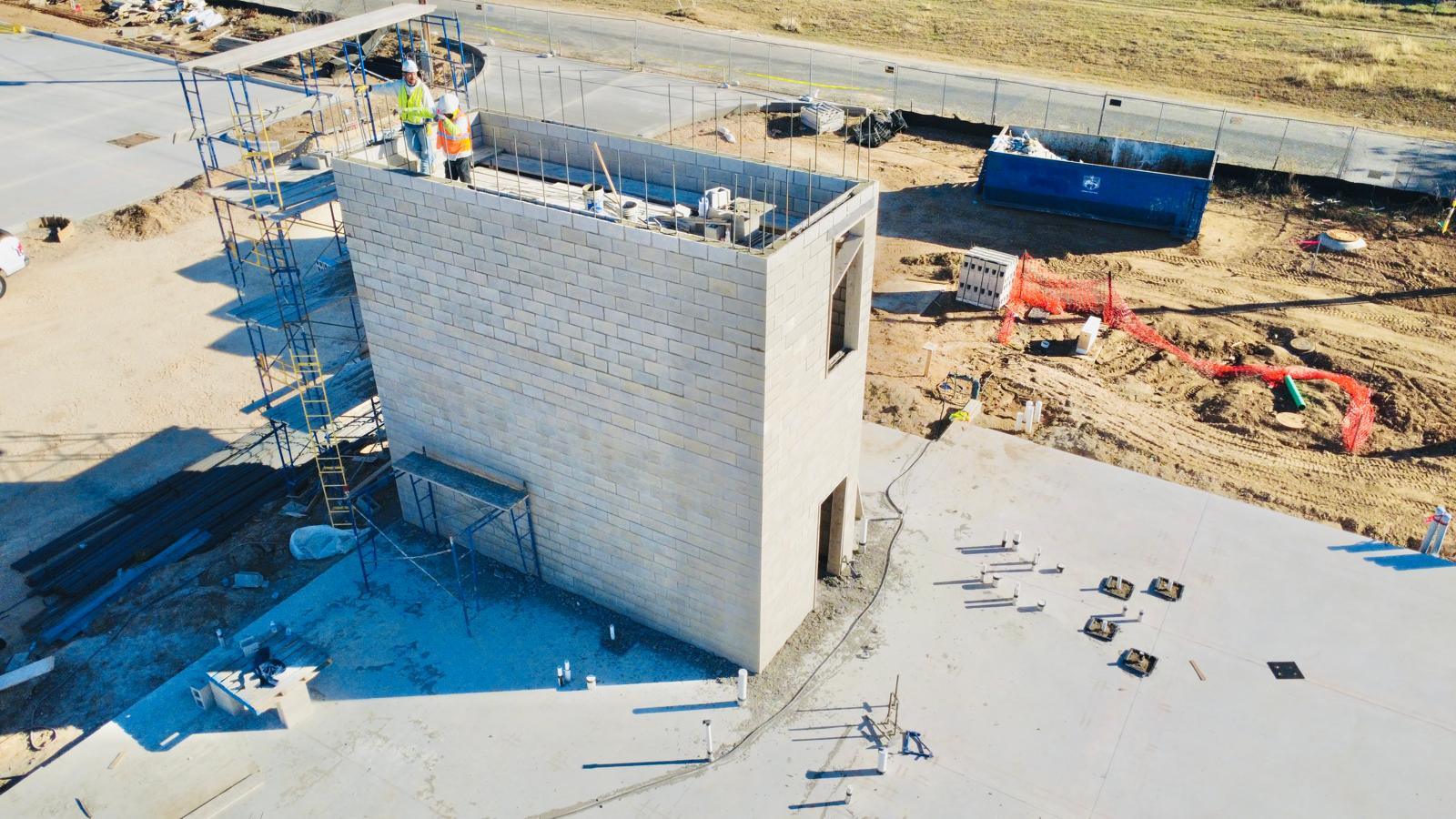
Large-format vacancies can be reused rather than replaced. Big-box repurposing may involve subdivision, facade changes, loading modifications, new mechanical systems, accessibility improvements, or conversion to a different retail, warehouse, or service-oriented use. These projects can move through a different sequence than ground-up development, making early zoning, ownership, and site-work signals valuable.
The clearest forward-looking strategy is to monitor all three patterns together. Market reports explain the conditions, development maps show visible momentum, and public records can reveal the next project before construction signage appears.
See how Mercator.ai surfaces Texas retail opportunities and book a demo
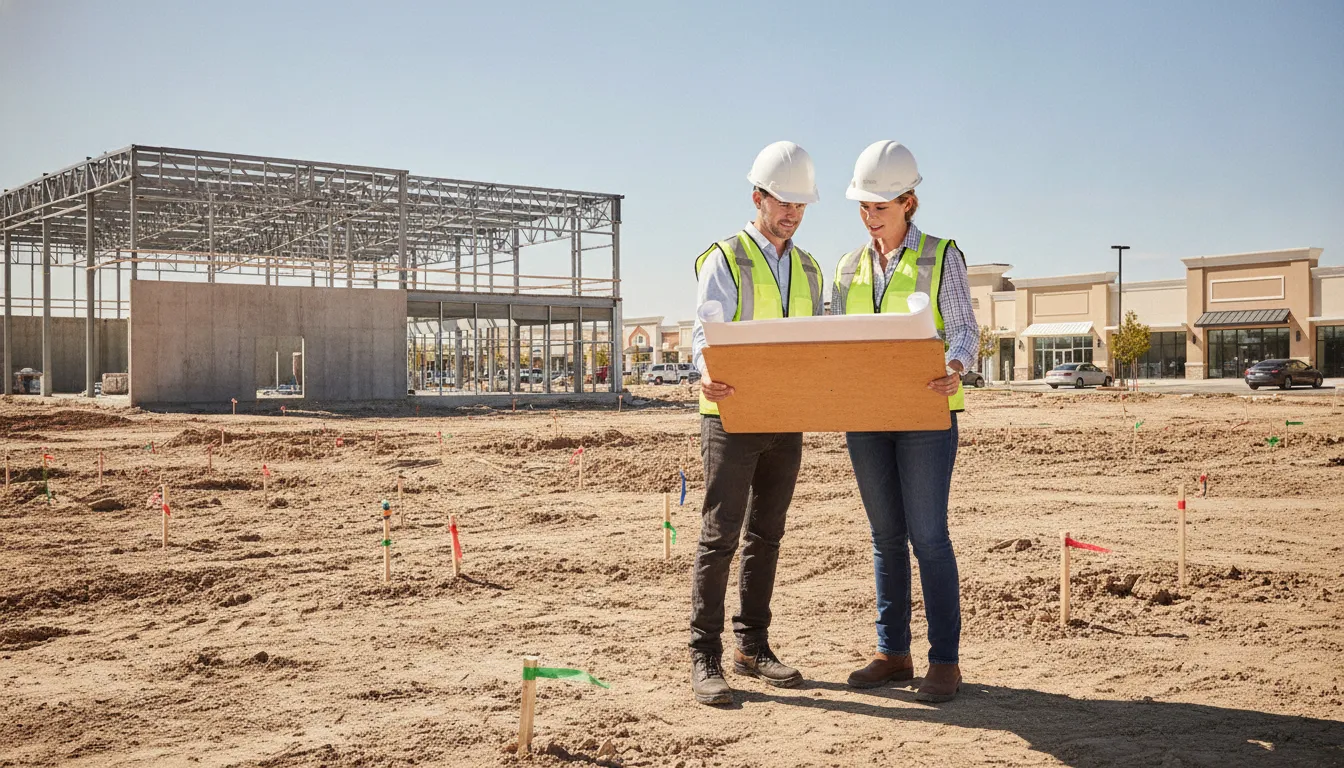
In short: A weekly signal review should connect permits, zoning, ownership, parcel assembly, and development-map activity into one ranked project view. This approach separates isolated filings from coordinated retail development, gives teams a repeatable qualification process, and creates a timely window for relationship-driven outreach before bidding begins.
A reliable weekly routine starts with signals that appear before a retail building permit or bid invitation. The goal is not to treat every filing as a confirmed project. It is to rank activity by timing, scope, and fit, then begin useful conversations while the project team still has decisions to make.
| Signal Type | What It Looks Like | What It Signals | Best Response Window |
|---|---|---|---|
| Commercial/site-development permit | A commercial development or site plan filing appears in Indianapolis records. | The project has moved beyond a general concept and is entering formal planning or approval. | Research the owner, developer, site, and likely delivery team immediately. Begin an informed introduction before bid activity becomes public. |
| Stormwater/land-disturbance permit | Grading, drainage, utility, or land-disturbance activity is filed for a retail parcel. | Physical site preparation may precede vertical construction, even when the building permit is not yet visible. | Qualify the site and construction phase that week. Coordinate outreach around civil, sitework, utilities, and future vertical needs. |
| Rezoning petition | A parcel or group of parcels enters a rezoning or land-use process. | An owner or developer may be positioning land for a different commercial use, including a future retail format. | Track hearing dates and applicants, then start relationship-building before entitlement decisions are complete. |
| Title transfer / parcel assembly | Ownership changes or adjacent parcels begin consolidating in a retail corridor. | Developer land banking or site assembly may be underway months before a building permit. | Watch for the next filing and map the ownership pattern. Outreach is most useful while the site program is still taking shape. |
| Development map listing | A project appears or changes status on a public development map, such as Downtown Indy's live map. | The project has enough visibility to validate location, timing, or development momentum. | Use it as a confirmation layer, not the only source. Compare it with permit, zoning, and ownership activity before prioritizing. |
Indianapolis provides a public commercial development permit portal, while Marion County records can be searched through Accela Citizen Access. Those sources are useful starting points, but a strong monitoring program connects filings across the same parcel and owner. A development map can add context, while title and zoning activity can reveal what the map does not yet show.
For broader context on Indianapolis retail development trends, compare weekly project signals with active corridors and announced developments. That combination helps a BD team separate a routine filing from a retail construction opportunity worth pursuing now.
Explore how Mercator.ai turns public records into early commercial construction leads
In short: The strongest retail-development read comes from combining project type, entitlement stage, permit activity, and market context. That combination helps a BD team determine whether a site is still speculative, moving through approvals, or approaching construction, then choose the next research and relationship-building action.
Indianapolis retail development includes mixed-use projects, strip centers, big-box stores, and pad sites. Each format can create opportunities for general contractors, subcontractors, and suppliers at different stages, from site preparation and utilities to vertical construction and tenant build-outs.
Zoning determines whether a proposed retail use is allowed, what the site can contain, and which approvals may be needed before construction. A rezoning petition or land-use application can therefore signal an emerging opportunity before a building permit or bid package appears. Review the proposal, parcel history, and surrounding land assembly together rather than treating a zoning filing as a guaranteed project.
Requirements depend on the scope and location, but early records may include commercial development, grading, stormwater, utility, land-disturbance, and building permits. Indianapolis publishes commercial development permit information through indy.gov, and Indianapolis-Marion County applications can be searched through Accela Citizen Access. Confirm the specific requirements with the relevant local authority.
Monitor rezoning and land-use filings, title transfers, parcel assembly, and site-development permits in target retail corridors. These signals can precede vertical construction by months. Combining public records with market context and relationship-based outreach helps a business development team qualify likely projects before bidding opens.
Track vacancy, absorption, active developments, and proposed projects by submarket instead of relying on one project list. The Indiana Kelley Real Estate Outlook, local brokerage reports, and Downtown Indy's development map provide useful context for interpreting individual permits and entitlement filings.
The bottom line: Connecting early public-record signals gives Indianapolis BD teams more time to qualify retail opportunities and build relevant relationships. The point is not to treat every record as a confirmed project. It is to recognize patterns early, focus research on the best-fit sites, and approach stakeholders with useful context before the market is crowded.
Spotting retail construction projects in Indianapolis early is a competitive edge that closes only when your BD team acts on it. Indianapolis teams can use the public-record workflow in this guide to organize permits, rezoning filings, title transfers, and site-development records before the bid list is public. Mercator.ai applies the same early-signal approach in its supported Texas markets, including Austin, Dallas-Fort Worth, Houston, and San Antonio.
See how Mercator.ai surfaces early Texas construction signals and schedule a demo


.png)