
Case Studies


Let’s be direct: if your strategy for finding new work in Miami relies on public bid lists, you’re leaving money on the table. The most valuable contracts are often secured long before they become public knowledge. The firms that are truly capitalizing on this boom are the ones who have early intelligence, allowing them to build relationships with key decision-makers when project plans are still taking shape. This article is your insider’s guide to getting ahead of the curve. We’ll pull back the curtain on the major developments and show you what’s really getting built, from state-of-the-art offices to luxury mixed-use communities. Consider this your roadmap to the upcoming commercial construction projects miami developers don't want you to know about yet.
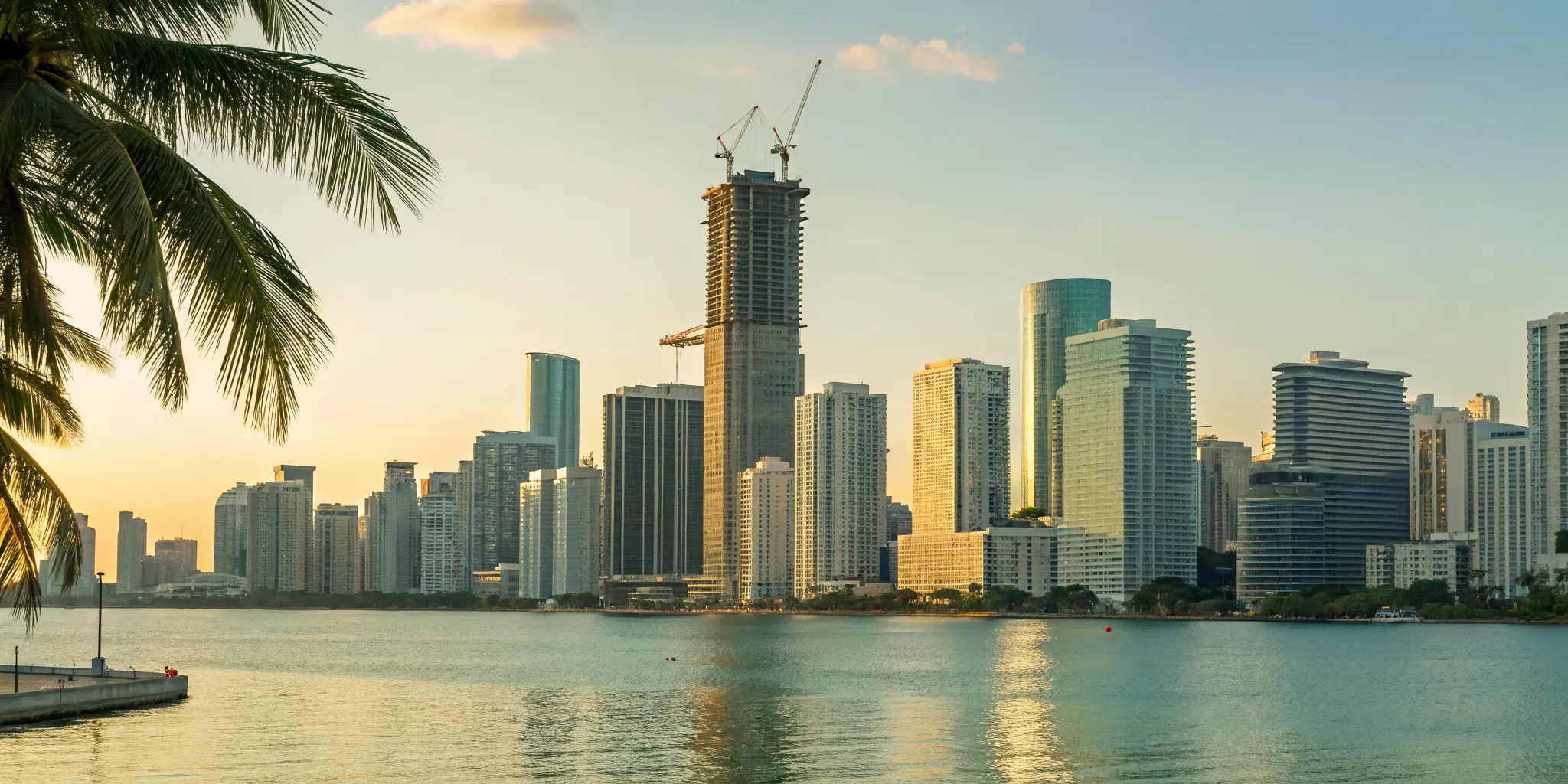
Miami isn't just a vacation spot anymore; it's a global business hub in the making. The city's skyline is transforming at a dizzying pace, with cranes dotting the horizon from Downtown to Doral. But what's really behind this massive wave of construction? It’s a powerful combination of corporate migration, population growth, and serious developer investment. Understanding these drivers is the first step to finding your place in this booming market.
The secret is out: Miami is a great place to do business. Major financial and tech firms are packing their bags and heading to South Florida, drawn by a favorable tax climate and the promise of a vibrant lifestyle. This corporate exodus has created a surge in demand for Class A office space, as companies look to establish headquarters and regional hubs. These aren't just any office buildings; they're state-of-the-art facilities designed to attract top talent. For contractors and suppliers, this means a steady pipeline of high-end office build-outs and interior renovation projects. Following the news of corporate relocations can give you a head start on these opportunities.
It’s not just companies moving to Miami; people are flocking here, too. This influx is fueling a residential and mixed-use development boom on an incredible scale. In fact, Miami is on track to become one of the most prominent skyscraper cities in the country, with dozens of new high-rises planned. This vertical growth is a direct response to the need for more housing and integrated community spaces. For construction professionals, this translates to massive opportunities in high-rise residential, from luxury condos to multifamily apartment buildings. The sheer volume of Miami's construction boom signals a long-term need for skilled labor and specialized trades across the board.
When major developers pour billions into a city, it’s a clear sign of confidence. Players like Terra Group are doubling down on Miami, with a diverse portfolio of projects spanning the entire region. Their real estate developments cover everything from luxury residential towers in Miami Beach to sprawling mixed-use communities in emerging neighborhoods like West Hialeah. This level of investment from established firms provides stability and a long-term project pipeline. For general contractors and subcontractors, building relationships with these key developers is crucial. Knowing who is buying land and planning projects months in advance can help you get your foot in the door and become a trusted partner for years to come.
Miami's skyline is in a constant state of transformation, and keeping track of the biggest projects on the horizon is key to getting involved early. These large-scale developments signal major opportunities for general contractors, subcontractors, and suppliers across every trade. From massive mixed-use districts to innovative public spaces, here are five major projects that are defining the next wave of construction in Miami. Each one offers a different set of challenges and opportunities, making it crucial to understand their scope and vision to find where your services fit best. By monitoring their progress, you can identify key players, understand material needs, and align your capabilities with the project's goals long before the bids go out.
As one of the largest mixed-use developments in the United States, Miami Worldcenter is a city within a city. Spanning 27 acres in the heart of downtown, the project is a massive undertaking that combines residential, retail, and commercial spaces. The plan includes over 1,000 residential units, a hotel, and more than 300,000 square feet of retail. For construction professionals, the sheer scale means a constant stream of opportunities, from core and shell work to interior fit-outs for a diverse range of tenants. Tracking the different phases of this development is essential for identifying where your team can add value, whether in luxury residential finishes or large-scale commercial systems.
The Underline is a forward-thinking project that reclaims the land beneath Miami's Metrorail, transforming it into a 10-mile linear park and urban trail. This initiative is about more than just green space; it’s a complex infrastructure project designed to improve connectivity with parks, bike paths, and public art. The first phase, "Brickell Backyard," is already complete, setting a high standard for the work to come. Firms specializing in landscape construction, civil engineering, specialty concrete, and outdoor lighting will find unique opportunities here. As The Underline progresses, it will require a steady supply of materials and skilled labor to bring its vision for a connected, greener Miami to life.
The Miami Beach Convention Center is undergoing a massive $620 million renovation to modernize the facility and solidify its status as a top-tier event destination. The project involves significant upgrades to exhibition halls, meeting spaces, and the addition of a new ballroom. Renovations of this scale demand high-performance materials and precision, creating opportunities for contractors with experience in large public assembly venues. This includes everything from advanced AV and lighting systems to high-end finishes and complex structural modifications. The goal is to enhance the visitor experience, which puts a premium on quality and execution for every trade involved.
Coconut Grove is seeing a wave of revitalization, with Grove Central leading the charge. This transformative mixed-use project is designed to create a vibrant community hub with a mix of residential units, retail, and office space. The focus is on thoughtful urban planning that integrates green spaces and community amenities, making it a highly desirable location. For construction firms, these developments offer a chance to work on projects that blend modern construction with the area's unique character. Opportunities range from multifamily residential construction to build-outs for retail tenants and the creation of public plazas and green roofs.
The Wynwood and Downtown areas are buzzing with new mixed-use projects that merge living, working, and cultural spaces. In Wynwood, developments are adding new art galleries, restaurants, and retail that align with the neighborhood's creative identity. You can see the district's pipeline and vision on the Wynwood BID website. Meanwhile, Downtown is focused on creating a dense urban core with high-rise residential towers and modern commercial spaces. This trend presents a steady pipeline of projects for GCs and subcontractors, particularly those who can handle the logistics of building in dense urban environments and delivering the high-end finishes these projects demand.
Miami's construction boom isn't just about building more; it's about building smarter for a new kind of resident and business. The projects taking shape across the city reflect a shift toward integrated lifestyles, premium experiences, and long-term resilience. For general contractors and suppliers, understanding these specific trends is key to finding your place in this dynamic market. It helps you anticipate the types of materials, skills, and specializations that will be in high demand, allowing you to position your business for the most promising opportunities.
We're seeing a clear focus on four major areas: integrated live-work-play communities that blend residential and commercial spaces; state-of-the-art offices to accommodate the influx of major corporations; luxury retail and hospitality venues that cater to a global clientele; and a strong emphasis on sustainable, resilient construction to address environmental realities. By knowing what owners and developers are prioritizing in these categories, you can get ahead of the curve and ensure your services align with the most valuable projects in the pipeline. This insight is your first step toward winning bids and building relationships that last.
The days of long commutes from sleepy suburbs to downtown offices are fading. Today, professionals want convenience, community, and amenities right outside their door. This is driving the rise of "live-work-play" mixed-use developments, which combine residential units, office spaces, retail shops, and restaurants into a single, walkable neighborhood. Developers like Terra Group are leading this charge, creating vibrant communities from the ground up. For contractors, these projects are incredibly diverse, requiring expertise in everything from multi-family residential construction to commercial build-outs and public green spaces. This variety offers a wide range of opportunities for both generalists and specialized subcontractors to get involved.
Miami is quickly becoming a major hub for finance and tech, attracting high-profile companies and executives from across the country. This corporate migration is fueling a massive demand for new, Class A office space. We're not just talking about standard cubicle farms; these are state-of-the-art towers designed to attract top talent. Think high-tech infrastructure, premium amenities, and sustainable designs. As major investors pour billions into new office space, the opportunities for contractors are significant. These high-value projects require sophisticated construction management and create a strong need for subcontractors specializing in curtain walls, smart building systems, and luxury interior finishes.
With millions of tourists visiting each year, Miami's hospitality and retail sectors are always buzzing. The current boom is taking this to another level, with a focus on luxury and unique experiences. Developers are building five-star hotels, high-end shopping districts, and destination restaurants that cater to a global audience. The city's vibrant culture, especially its Latin American and Caribbean influences, shapes the demand for authentic culinary concepts. For contractors and suppliers, this trend means a focus on quality and craftsmanship. These projects call for premium materials and flawless execution, creating opportunities for firms that can deliver a high-end finish.
Building in a coastal city like Miami comes with a unique responsibility to consider the environment. As a result, sustainable and resilient construction isn't just a trend; it's becoming a necessity. The city and county are actively promoting green building practices, with public funds dedicated to projects that improve energy efficiency and water management. This focus is showing up in private developments too, with clients demanding features like solar panel integration and climate-resilient designs. For construction professionals, having expertise in green building is a major competitive advantage. Certifications like LEED or experience with sustainable building materials can help your firm stand out and win projects that are built to last.
Miami's construction boom is about more than just new buildings dotting the skyline. It’s a fundamental economic shift that creates a ripple effect of opportunity for general contractors, subcontractors, and suppliers. The influx of capital, corporations, and talent is transforming the city from a vacation hotspot into a global business hub. This evolution is creating a more resilient and diverse economy, which translates to a healthier, more stable construction market. For firms that can see the big picture, this period of growth offers a chance to secure a steady pipeline of high-value projects and build lasting relationships in a thriving market. Understanding these economic drivers is the first step to positioning your business for success.
As major companies and high-net-worth individuals continue to relocate their headquarters and homes to South Florida, they bring a wave of job creation with them. This isn't just about the initial construction jobs needed to build new offices and luxury condos. It's about the thousands of permanent roles these companies create in sectors like finance, tech, and law. This expanding professional workforce needs places to live, eat, and shop, which in turn fuels demand for more residential, retail, and mixed-use developments. For construction firms, this creates a self-sustaining cycle of demand, ensuring a consistent need for building services across the board.
The surge of wealth pouring into Miami is sending commercial and residential property values soaring. This high demand makes Miami real estate an attractive asset, drawing in heavyweight investors ready to fund the next generation of landmark projects. When developers like Ken Griffin and Stephen Ross commit to building millions of square feet of new office space, it signals immense confidence in the market's future. This influx of capital means more large-scale, high-budget projects are breaking ground. For GCs and subs, this is a clear indicator of opportunity, and our customer stories show how firms are winning big by getting involved in these projects early.
Miami's transformation is vertical. The city is experiencing a skyscraper boom that is reshaping its urban core and making it denser and more interconnected. But this growth goes beyond just tall buildings. There's a clear focus on improving the city's fabric through ambitious infrastructure projects. Developments are increasingly designed to integrate with public transit, create walkable neighborhoods, and add vital green spaces. This holistic approach to urban planning improves the quality of life for residents and presents specialized opportunities for firms in civil engineering, landscape architecture, and sustainable construction. It’s a chance to help build a smarter, more livable city from the ground up.
For decades, Miami's economy leaned heavily on tourism. Now, it's rapidly diversifying into a robust hub for finance, technology, and entrepreneurship. The city is ranked as one of the top spots for starting a business and is seeing massive growth in its millionaire population. This economic diversification creates stability and reduces the market's vulnerability to travel-related downturns. For construction professionals, this means a wider and more varied client base. Instead of only bidding on hotels, you could be building a state-of-the-art tech campus or a boutique office for a venture capital firm. Staying on top of these trends, like those discussed on our Future of Construction podcast, helps you anticipate market needs and target emerging sectors.
While Miami's construction scene is buzzing with opportunity, it’s not a market you can enter without a solid game plan. Like any major city, it has its unique set of challenges that can impact project timelines and budgets. For general contractors, subcontractors, and suppliers looking to capitalize on the boom, understanding these hurdles is the first step to overcoming them. From working through a maze of regulations to building against the forces of nature, here are the key challenges you should be aware of before breaking ground in the Magic City.
Miami has a reputation for its intricate zoning laws and a permitting process that can feel like a marathon. Getting approvals can take several months, and understanding the city's permitting process often means you'll need expert legal and planning help just to make sense of it all. These delays aren't just frustrating; they can add significant costs to a project. For contractors, this means building extra time into your project schedule for approvals and having the right local partners on your team from day one is a critical piece of the development puzzle.
You can't build in South Florida without respecting Mother Nature. Miami is on the front lines of climate change, facing risks from rising sea levels and more intense hurricane seasons. Because of this, the city and county have a strong focus on resilient construction. The Miami-Dade County Office of Resilience makes it clear that new projects must include measures to handle potential flooding and storm damage. This means investing in resilient building practices is no longer optional. While these requirements add another layer of planning and cost, they are essential for creating structures that will stand the test of time in a changing environment.
Across the country, the construction industry is feeling the squeeze from rising material costs and a shortage of skilled labor, and Miami is no exception. Supply chain disruptions and inflation have driven up the price of essential materials, putting pressure on budgets. At the same time, a tight labor market makes finding qualified workers a major challenge. The Associated General Contractors of America has noted that this combination of factors is a significant hurdle for the construction industry. For firms working in Miami, this means proactive supply chain management and a strong focus on workforce recruitment are more important than ever to keep projects on track and profitable.
Miami’s skyline is transforming, and with billions of dollars in development, the opportunities for contractors and suppliers are massive. But with big opportunity comes intense competition. If you’re waiting for projects to be publicly announced or hit the bidding sites, you’re already behind. By that point, key relationships are formed, and major decisions about partners and materials are often locked in. To truly capitalize on this boom, you need to get in front of projects long before they break ground.
The key is to shift your focus upstream. Instead of chasing projects, start tracking the earliest indicators of development. This includes monitoring land sales, rezoning applications, and preliminary permit filings. These activities are the first real clues that a new office tower, mixed-use complex, or retail center is on the horizon. By identifying these signals, you can pinpoint the developers, like Terra Group, and architects involved months or even years before the project becomes common knowledge. This gives you a critical window to build relationships, understand the project's vision, and position your company as the ideal partner.
Getting involved early allows you to influence project specifications and become a preferred vendor rather than just another name on a long bid list. While manually tracking this data across Miami-Dade County is a monumental task, you can start by exploring publicly available information. For a more streamlined approach, using a tool to get real-time alerts on new developments can give you a significant competitive edge. You can even begin by tracking building permits to spot active job sites and identify who is leading the charge in Miami's most active districts. This proactive strategy is how you move from reacting to the market to leading it.
Is this construction boom just a temporary trend, or is it here to stay? It’s smart to be skeptical, but all signs point to this being a long-term shift. The boom isn't just fueled by speculation; it's driven by fundamental economic changes. Major corporations in finance and tech are putting down permanent roots, diversifying the economy beyond tourism. This creates a stable foundation of high-paying jobs, which in turn fuels sustained demand for new offices, homes, and retail. This is less of a temporary spike and more of a new baseline for the city.
I run a smaller specialty firm. How can I get a piece of these massive projects? Don't be intimidated by the scale of projects like Miami Worldcenter. The general contractors leading these jobs rely on a network of trusted specialty firms to get the work done. Your goal should be to build relationships with the project managers and estimators at those larger GCs. Position your firm as the go-to expert for a specific niche, whether it's high-end interior finishes, sustainable roofing, or smart building integrations. Delivering exceptional quality on a smaller scope is the best way to get noticed and become a preferred partner for future phases.
You mentioned getting in "upstream." What's the first practical step I should take to do that? A great first step is to start tracking land sales and rezoning applications in a specific neighborhood you want to work in. These actions happen months, or even years, before a project is publicly announced. By watching who is buying up property, you can identify the key developers and investors behind the next big projects. This gives you a huge head start to begin your research and outreach long before your competitors even know a project exists.
Besides the complex permitting, what's the biggest surprise for contractors new to the Miami market? Many contractors are surprised by the dual-sided demand for both extreme luxury and serious climate resilience. One day you might be sourcing rare Italian marble for a penthouse, and the next you're engineering a foundation to withstand rising sea levels. Clients expect top-tier, global-quality finishes while the city mandates forward-thinking, resilient construction. Successfully working here means being able to deliver on both of these demanding, and sometimes competing, priorities.
With so many projects happening, how do I know which developers are the most important to connect with? Instead of just following the big names in the news, pay attention to who is consistently active at the earliest stages of development. Look for patterns: which companies are repeatedly filing for land use changes or pulling preliminary permits for soil testing? These are the developers with a real, funded pipeline of future work. Focusing your relationship-building efforts on these consistently active players is a much more strategic approach than chasing every rumored project.


.png)